


Login
Get Instant Pricing On 23,000+ Aircraft


Private plane flight times are significantly shorter than commercial travel, influenced by factors like distance, aircraft type, and weather conditions. Understanding these variables is crucial for efficient scheduling and cost management, especially for corporate travelers and families. Jettly offers tools to provide accurate flight time estimates, enhancing the private flying experience.
Jeff Ryan Serevilla
Sep 8, 2026
|
5
min read


View all
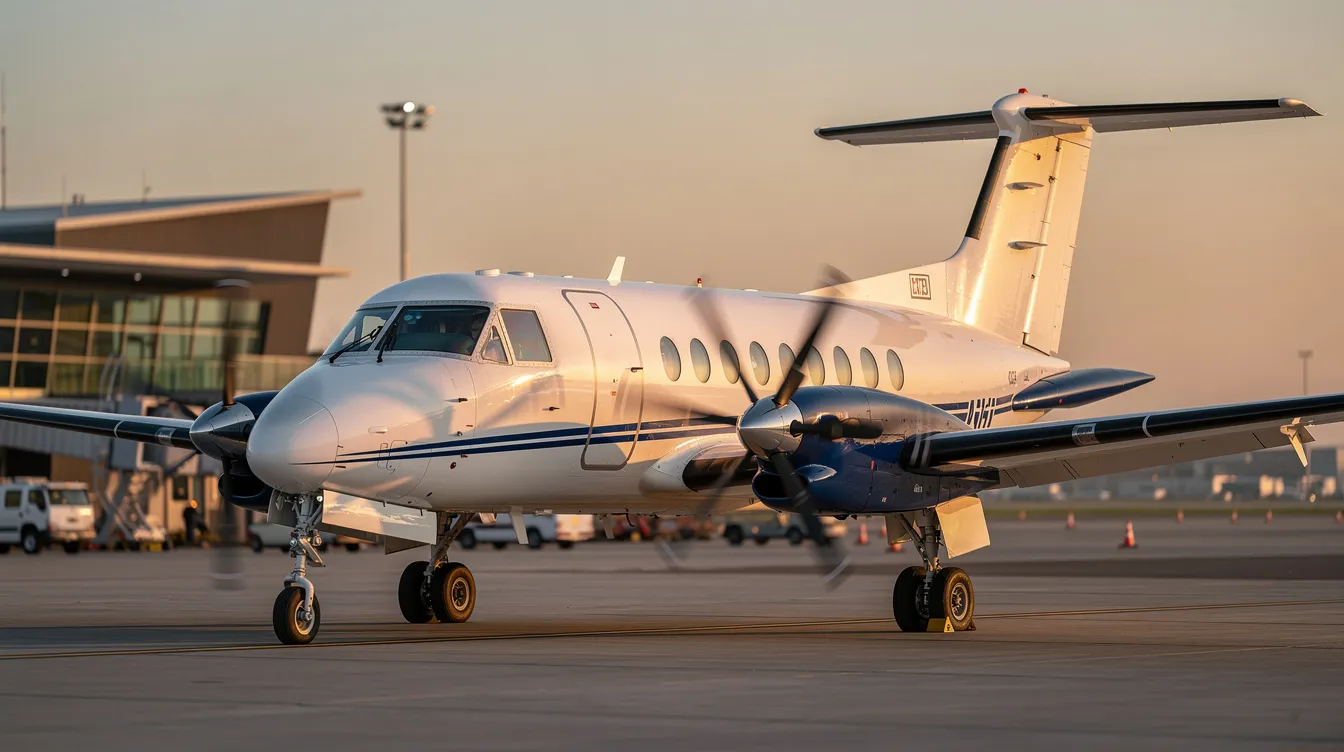
The Fairchild Swearingen Metroliner, particularly the Metro III variant, is a versatile 19-seat turboprop aircraft designed for regional passenger, charter, and cargo operations. Known for its efficiency on short-haul routes, it can carry up to 1,800 kg of cargo and accommodate seven EU pallets, making it ideal for urgent freight and group travel. The Metroliner's operational flexibility allows it to access smaller airports, reducing turnaround times for both passengers and cargo. Jettly offers a platform for comparing the Metroliner with other aircraft options, catering to diverse needs in the charter and cargo markets.
Jay Franco Serevilla
Jun 15, 2026
|
5
min read

View all
A PJ plane refers to a private jet, commonly used for flexible charter rather than ownership, and Jettly connects travelers to over 20,000 aircraft globally. This guide outlines the benefits of private jet travel, including unmatched flexibility, privacy, and access to more airports compared to commercial airlines. Jettly offers instant pricing and a streamlined booking process, allowing travelers to customize their flight experience based on specific needs. Popular use cases for PJ planes include corporate travel, family vacations, and emergency transport, making them an increasingly preferred choice for discerning travelers.
Jay Franco Serevilla
Jun 15, 2026
|
5
min read

View all
BTR Jet Center, located at Baton Rouge Metropolitan Airport, offers premier private aviation services, combining modern amenities with efficient ground support for travelers and pilots. As part of the Velocity FBO Network, it provides competitive fuel pricing, pilot-focused facilities, and seamless access to Jettly's on-demand charter platform, connecting users to over 20,000 aircraft globally. The center is designed for quick turnarounds and comfortable layovers, catering to both business and leisure travelers while ensuring a high standard of service. With its strategic location and comprehensive offerings, BTR Jet Center is an ideal choice for private aviation in Louisiana.
Jay Franco Serevilla
Jun 15, 2026
|
5
min read
View all
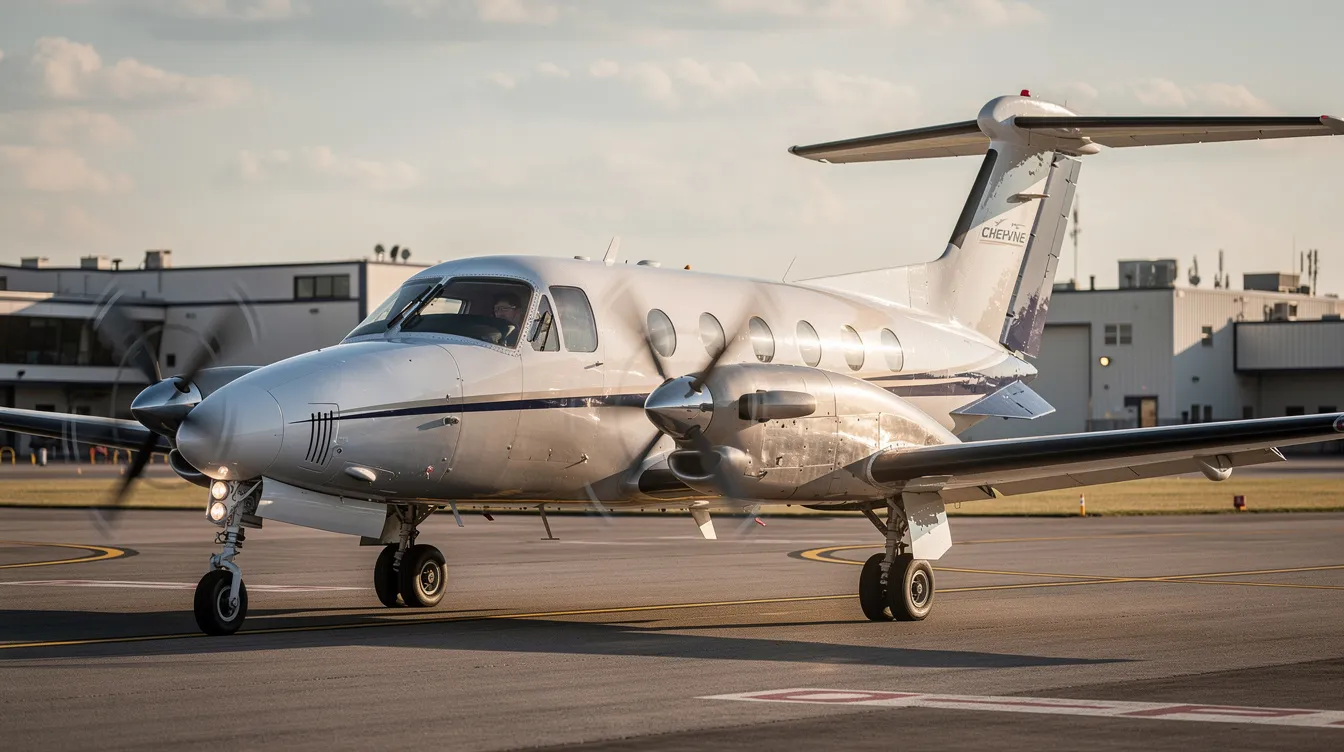
The Piper Cheyenne turboprop family offers a high-performance, cost-effective option for private charter, suitable for business travelers and families. With models like the Cheyenne I through the Cheyenne 400LS, they provide competitive cruise speeds and seating for five to eight passengers, making them ideal for regional trips, corporate shuttles, and cargo missions. Compared to King Airs and light jets, Cheyennes often have lower acquisition and charter costs, especially on routes under 1,300 nautical miles. Jettly provides on-demand access to various Cheyenne models, allowing users to compare options and book flights seamlessly.
Jay Franco Serevilla
Jun 15, 2026
|
5
min read

View all
VistaJet pricing ranges from $15,000 to $25,000 per hour, depending on the aircraft type and membership terms, requiring a significant upfront investment and a minimum commitment of 25 hours per year. The subscription-based model offers guaranteed access to flight hours but may not be cost-effective for occasional flyers. In contrast, Jettly provides on-demand charter services with a flexible pricing structure and access to over 20,000 aircraft, making it a better option for those seeking flexibility without long-term commitments. Travelers should evaluate their flying needs and compare costs, commitments, and service offerings between VistaJet and Jettly to determine the best fit.
Jay Franco Serevilla
Jun 14, 2026
|
5
min read
View all
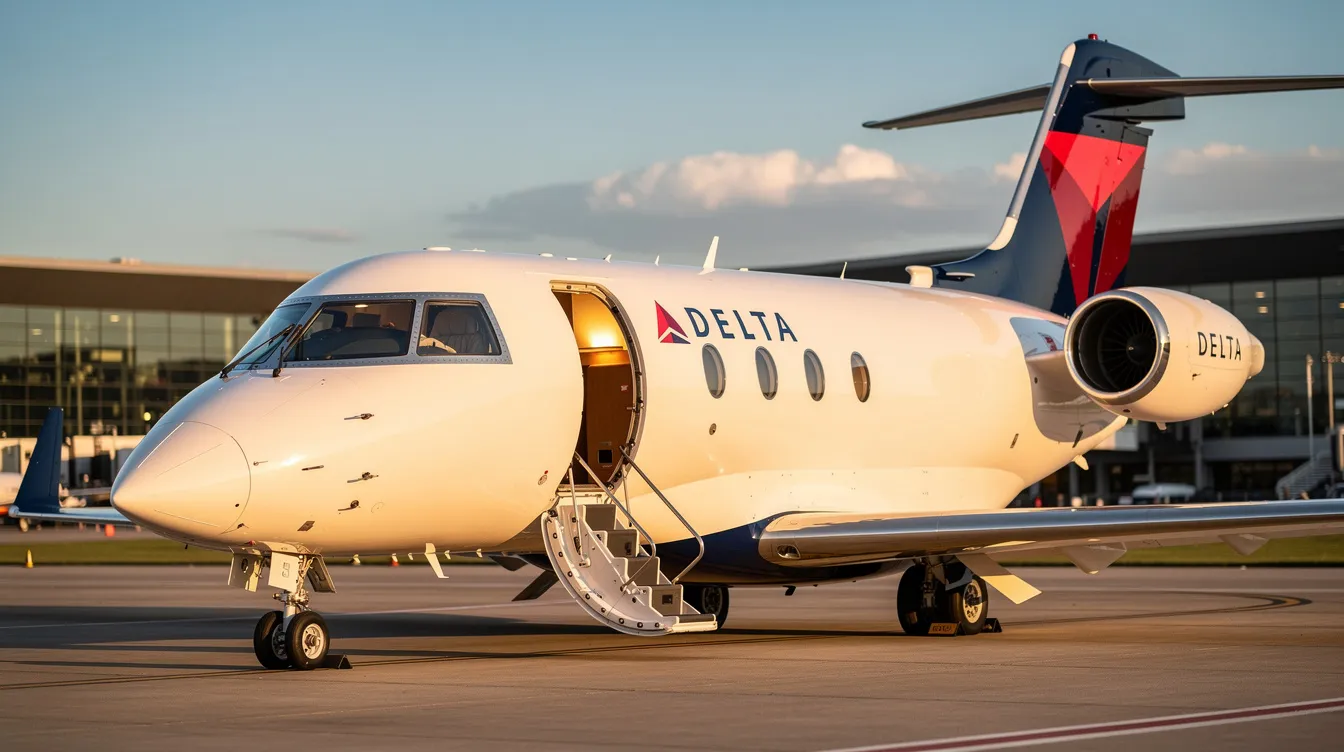
Delta Private Jets, once a subsidiary of Delta Air Lines, merged into Wheels Up in January 2020, marking a significant shift in private aviation linked to commercial airlines. While Delta continues to partner with Wheels Up for private aviation services, demand for flexible, airline-connected private travel has surged, leading to the emergence of alternatives like Jettly. Jettly offers a digital marketplace for private jet charters, providing access to over 20,000 aircraft globally with instant quotes and no pre-purchase requirements, catering to travelers seeking convenience and flexibility. This evolution reflects a broader trend towards on-demand private aviation, allowing seamless integration with commercial flights and enhanced travel options for both business and leisure customers.
Jay Franco Serevilla
Jun 14, 2026
|
5
min read
Explore our latest articles and updates.
5
min read
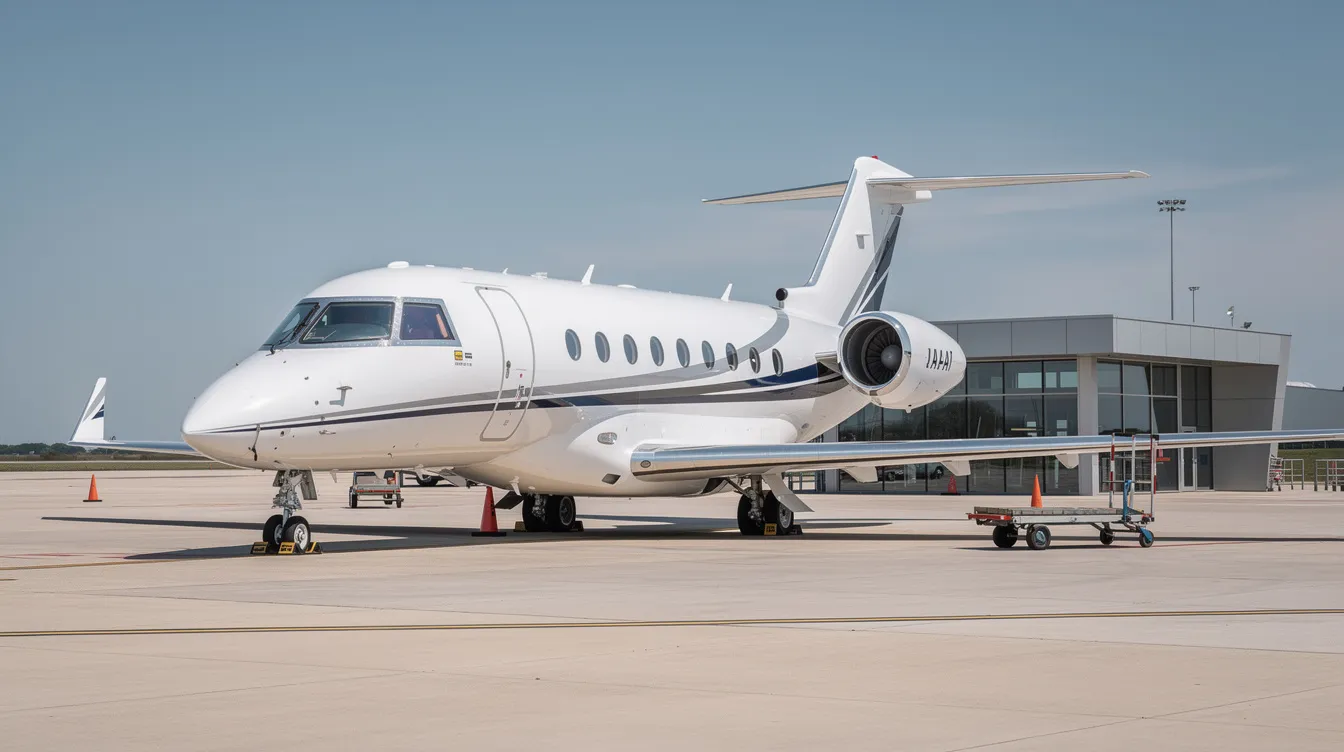
Private Plane Tickets: How to Book, What They Cost, and Why Travelers Choose Them
Private plane tickets typically refer to chartering an entire aircraft rather than purchasing individual seats. This guide details the booking process, costs, and benefits of private jet travel, highlighting the convenience and flexibility it offers compared to commercial flights. With platforms like Jettly, travelers can access over 20,000 aircraft worldwide, ensuring a tailored travel experience.
Read More
5
min read
Most Expensive Airplane in the World: From $2 Billion Bombers to Record‑Breaking Private Jets
The most expensive airplane in the world is the B-2 Spirit stealth bomber, costing over $2 billion per unit. This article explores various costly aircraft, including military jets, cargo planes, and luxurious private jets, while also discussing how travelers can access high-end flight experiences without the hefty price tag. Discover the factors that contribute to these aircraft's staggering costs and the options available for premium travel.
Read MoreJoin our community and receive the latest blog updates directly in your inbox.
MEMBERSHIPS AND ASSOCIATIONS



Disclaimer: Jettly operates as a charter broker, offering access to a global digital jet charter marketplace. Jettly is not a direct air carrier and does not own or operate aircraft. All advertised flights are conducted by third-party air carriers that are fully licensed and hold the appropriate Part 135 or Part 121 certifications issued by the Federal Aviation Administration (FAA) or equivalent regulatory authorities under U.S. or foreign law. Jettly complies fully with the U.S. Department of Transportation's Part 295 and Part 298 Charter Broker regulations. Jettly does not carry additional liability insurance. Passengers are covered by aircraft operator insurance. TICO: 50023770


