


Login
Get Instant Pricing On 23,000+ Aircraft


Single-engine planes typically cruise between 110 and 180 knots, with high-performance models exceeding 200 knots. Factors like aircraft type, altitude, and weight significantly influence actual speeds. Understanding cruise speed is crucial for effective trip planning and can often rival commercial airliners in total travel time.
Jay Franco Serevilla
Sep 7, 2026
|
5
min read



View all
This guide compares JetOptions Private Jets and Jettly, two leading private jet charter services, highlighting their distinct booking models and offerings. JetOptions operates as a traditional charter broker, providing personalized service and access to vetted operators, while Jettly functions as a digital marketplace with instant pricing and access to over 20,000 aircraft globally. Key differences include JetOptions' concierge-style booking and jet card programs versus Jettly's transparent pricing and flexible membership options. Both services adhere to high safety standards, ensuring reliable travel experiences for various needs, from business to leisure.
Jay Franco Serevilla
May 20, 2026
|
5
min read

View all
This guide compares JetBlue's premium Mint service and charter options to true private jet travel, helping travelers choose based on comfort, privacy, flexibility, and value. "JetBlue private" typically refers to JetBlue Mint, Mint Studio, or JetBlue Charters, which offer premium commercial experiences rather than traditional private jet services. While JetBlue provides strong amenities like lie-flat seats and priority boarding, true private jet services, such as those offered by Jettly, allow for on-demand scheduling, greater privacy, and access to a wider range of airports. Ultimately, travelers should consider JetBlue for cost-effective, straightforward routes and Jettly for more complex or time-sensitive travel needs.
Jay Franco Serevilla
May 19, 2026
|
5
min read
View all
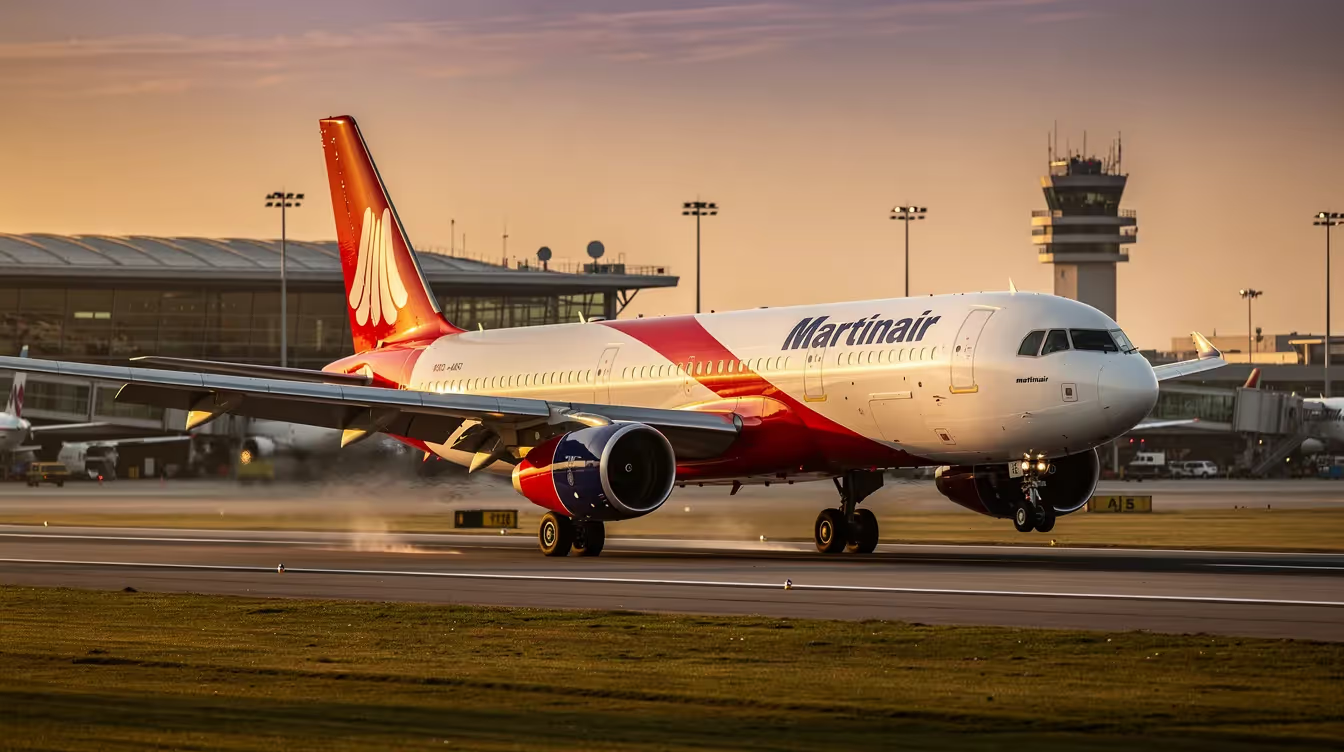
Martinair is a Dutch cargo airline under the Air France–KLM group, specializing in global freight transportation with a fleet of Boeing 747 freighters, while U.S. operators like MartinAir and Martinaire focus on regional aircraft charter and cargo services. Since ceasing passenger flights in 2011, Martinair has concentrated on heavy logistics, express cargo, and specialized shipments, such as perishables and pharmaceuticals. For travelers and businesses needing flexible air travel, Jettly offers a digital marketplace for on-demand private charters, providing access to over 20,000 aircraft globally. This allows customers to efficiently compare options for both scheduled cargo services with Martinair and urgent charter needs through Jettly.
Jay Franco Serevilla
May 19, 2026
|
5
min read
View all
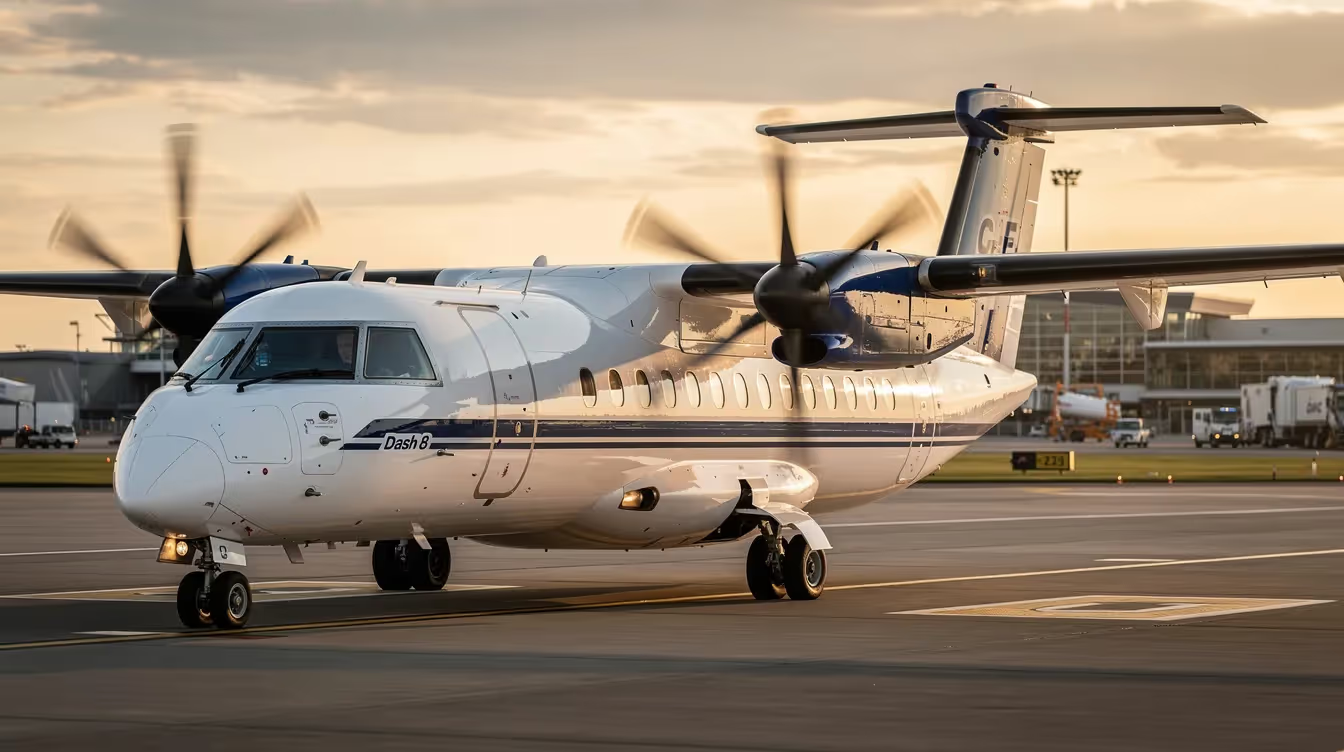
The Dash 8 engine, part of the Pratt & Whitney Canada PW100/PW150 family, powers the de Havilland Canada DHC-8 and Bombardier Dash 8 turboprop aircraft, known for their efficiency and reliability in regional air travel since the 1980s. These engines enable operations from shorter runways, making them suitable for diverse missions, including regional airlines and charter flights. The Dash 8 series has evolved through various upgrades, enhancing performance, capacity, and operational cost-effectiveness, particularly for routes under 1,200 nautical miles. Understanding the Dash 8 engine's capabilities helps travelers and operators evaluate turboprop options against jets for group charters and remote area access.
Jay Franco Serevilla
May 19, 2026
|
5
min read

View all
Private plane parking is a crucial yet often overlooked aspect of private aviation, impacting travel convenience and costs. Options range from short-term ramp spots to long-term hangar storage, with fees varying significantly based on airport type, aircraft size, and duration of stay. Jettly simplifies the planning process by providing transparent quotes that include parking, landing, and handling fees, allowing travelers to compare different airports and avoid unexpected charges. Overall, understanding private plane parking can enhance the travel experience and help manage costs effectively.
Jay Franco Serevilla
May 19, 2026
|
5
min read
View all
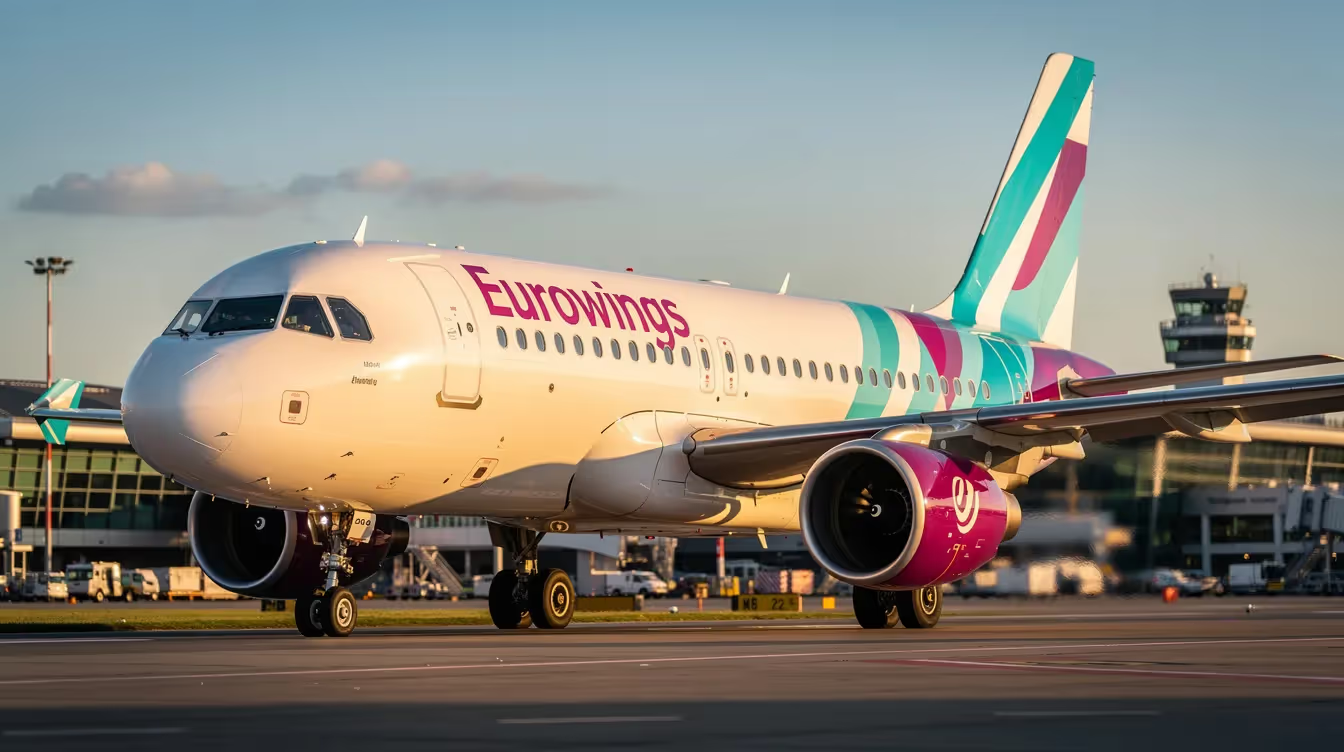
Eurowings, a low-cost carrier under the Lufthansa Group, offers extensive short- and medium-haul routes across Europe, with competitive fares but often faces criticism for customer service and hidden fees. The airline operates from major German bases and has recently expanded its seasonal destinations, while its fare structure includes Basic, Smart, and BIZclass options, each with varying baggage allowances and amenities. For travelers needing flexibility, privacy, or tailored schedules, private jet charter services like Jettly provide a compelling alternative, offering on-demand flights, transparent pricing, and customized experiences. Combining Eurowings for routine trips with Jettly for critical travel needs can optimize overall travel plans.
Jay Franco Serevilla
May 19, 2026
|
5
min read
Explore our latest articles and updates.

5
min read
What Is a Cessna? A Complete Guide for Private and Training Flights
Cessna is a renowned brand in general aviation, known for its reliable and versatile aircraft used in training, private flying, and charter services. This guide explores Cessna's history, popular models, and their roles in aviation, helping you choose the right aircraft for your needs. Whether you're a student pilot or a charter traveler, understanding Cessna can enhance your flying experience.
Read More
5
min read
What Days Are Best to Book Flights (and Fly) in 2026?
In 2026, Sundays are the best days to book flights, while Tuesdays, Wednesdays, and Saturdays are ideal for flying to save on domestic fares. Booking 1 to 3 months in advance for domestic flights and 3 to 6 months for international trips can lead to significant savings. Understanding these patterns can help travelers maximize their budget and enjoy more flexible travel options.
Read MoreJoin our community and receive the latest blog updates directly in your inbox.
MEMBERSHIPS AND ASSOCIATIONS



Disclaimer: Jettly operates as a charter broker, offering access to a global digital jet charter marketplace. Jettly is not a direct air carrier and does not own or operate aircraft. All advertised flights are conducted by third-party air carriers that are fully licensed and hold the appropriate Part 135 or Part 121 certifications issued by the Federal Aviation Administration (FAA) or equivalent regulatory authorities under U.S. or foreign law. Jettly complies fully with the U.S. Department of Transportation's Part 295 and Part 298 Charter Broker regulations. Jettly does not carry additional liability insurance. Passengers are covered by aircraft operator insurance. TICO: 50023770


