


Login
Get Instant Pricing On 23,000+ Aircraft

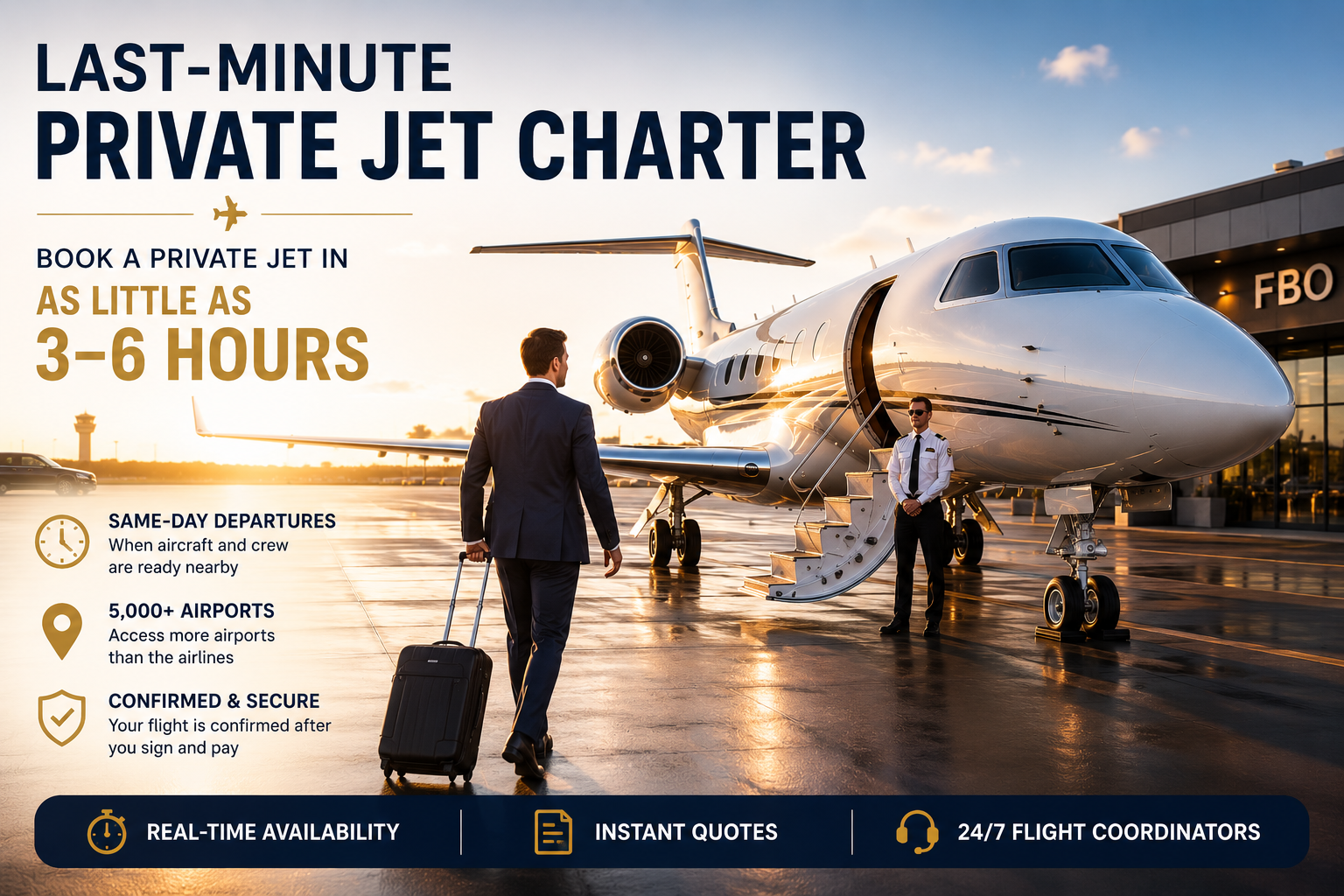
Booking a same-day private jet charter is often feasible within 3 to 6 hours if an aircraft and crew are already positioned nearby, but confirmation requires signing a charter agreement and securing payment promptly. Key factors influencing the timeline include aircraft positioning, crew availability, airport operating hours, and the speed of providing passenger details. Jettly recommends having all necessary information ready, such as passenger names, preferred airports, and a payment-ready decision maker, to expedite the process. While last-minute pricing can vary based on availability and positioning, travelers can often find significant savings through empty leg flights or flexible departure windows.
Jay Franco Serevilla
Jul 8, 2026
|
5
min read



View all
Purchasing a private jet involves significant financial commitment, with prices ranging from $2 million to over $110 million, depending on the aircraft type and features. Beyond the initial purchase, owners must budget for ongoing costs such as maintenance, fuel, crew salaries, and insurance, which can total $500,000 to $1 million annually. Alternatives like fractional ownership and chartering offer flexibility and lower upfront costs, making them suitable for those who fly less frequently. Ultimately, potential buyers should carefully assess their travel needs, budget, and the long-term implications of jet ownership versus other options.
Jay Franco Serevilla
Sep 12, 2025
|
5
min read
View all
Limo jet rentals combine the luxury of a limousine with the speed of a private jet, offering an exclusive travel experience for various occasions such as weddings and corporate events. Rental costs vary significantly based on aircraft type, duration, and additional amenities, typically ranging from $2,000 to over $10,000 per hour. Understanding the pricing structure, including potential extra fees for services and amenities, is crucial for effective budgeting. Platforms like Jettly facilitate the booking process, allowing travelers to explore options and secure their luxury travel arrangements efficiently.
Jay Franco Serevilla
Sep 12, 2025
|
5
min read
View all
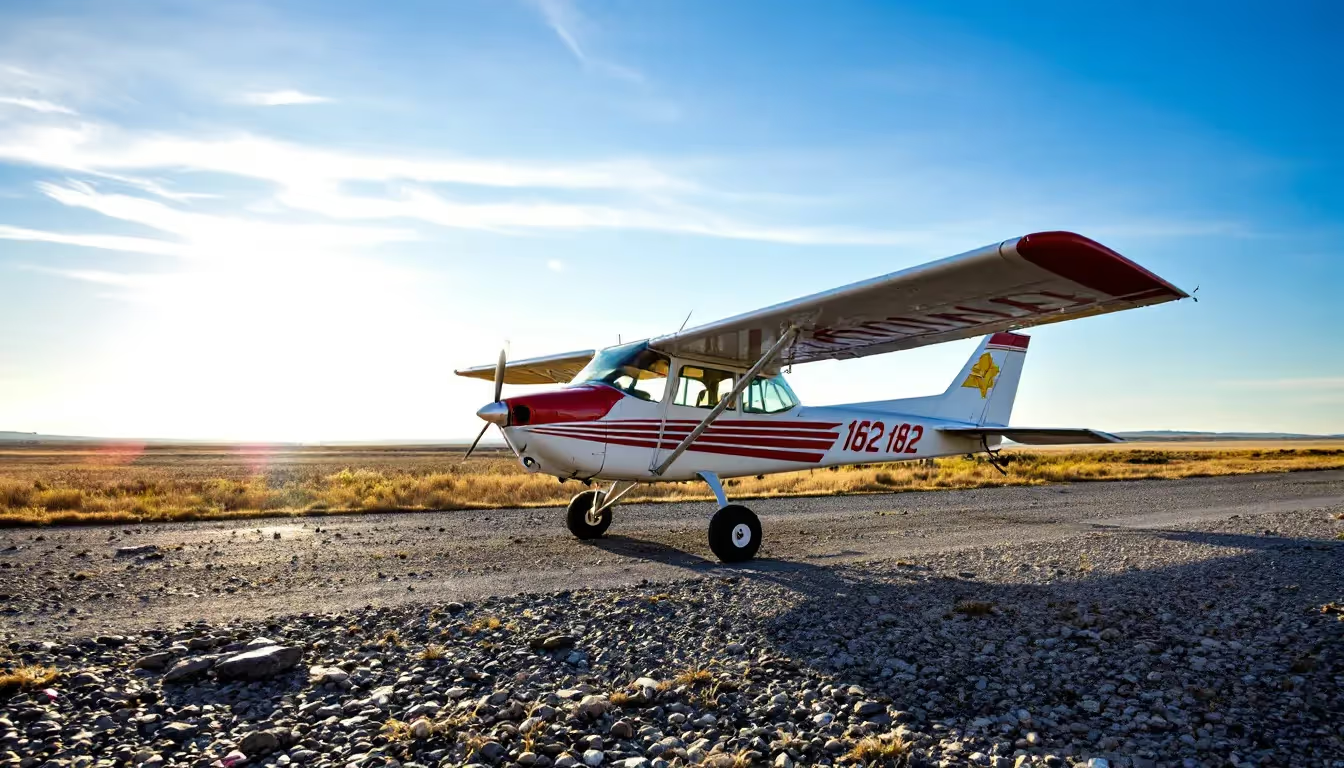
The Cessna 182, known for its reliability and performance, is a popular choice in general aviation, appealing to private pilots and flight schools alike. Operating costs for the Cessna 182 can reach up to $21,100 annually, averaging about $211 per flight hour, which includes expenses like fuel, insurance, maintenance, and storage. Key considerations for ownership include the aircraft's age, maintenance history, and regional cost variations, as well as budgeting for both fixed and variable expenses. While the Cessna 182 may have higher operating costs compared to some models, its versatility and efficiency often justify the investment for those seeking a dependable aircraft.
Jay Franco Serevilla
Sep 11, 2025
|
5
min read
View all
Luxury private jet travel offers time-saving, privacy, and flexibility, catering to both business and leisure needs. The costs associated with private aviation extend beyond ticket prices, encompassing initial purchase, ongoing operational expenses, and potential chartering fees, with ownership costs ranging from $500,000 to over $5 million annually. For those who fly less frequently, alternatives like chartering, fractional ownership, or jet cards provide access to private jets without the financial burden of full ownership. With various aircraft options and pricing structures available, travelers can find tailored solutions that fit their budget and travel patterns.
Jay Franco Serevilla
Sep 11, 2025
|
5
min read
View all
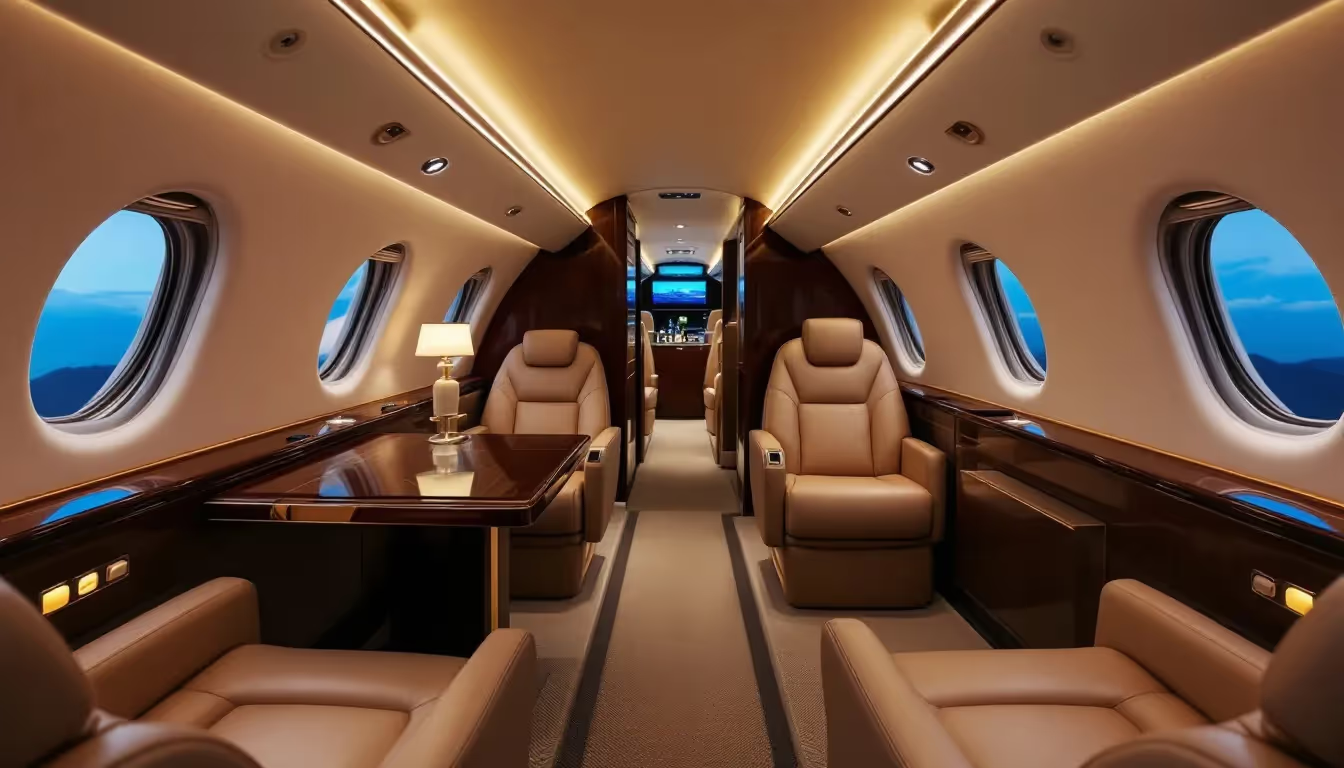
Private jet rentals offer a luxurious and flexible alternative to commercial flights, with costs ranging from $2,000 to over $20,000 per hour, depending on aircraft type, distance, and additional services. Factors influencing pricing include aircraft size, flight duration, airport fees, and optional add-ons like catering and ground transportation. Travelers can save money through options like empty leg flights, jet cards, and group bookings, while being mindful of hidden fees such as landing charges and crew per diems. Overall, private jet travel provides unmatched convenience and privacy, making it an appealing choice for business and leisure travelers alike.
Jay Franco Serevilla
Sep 11, 2025
|
5
min read
View all
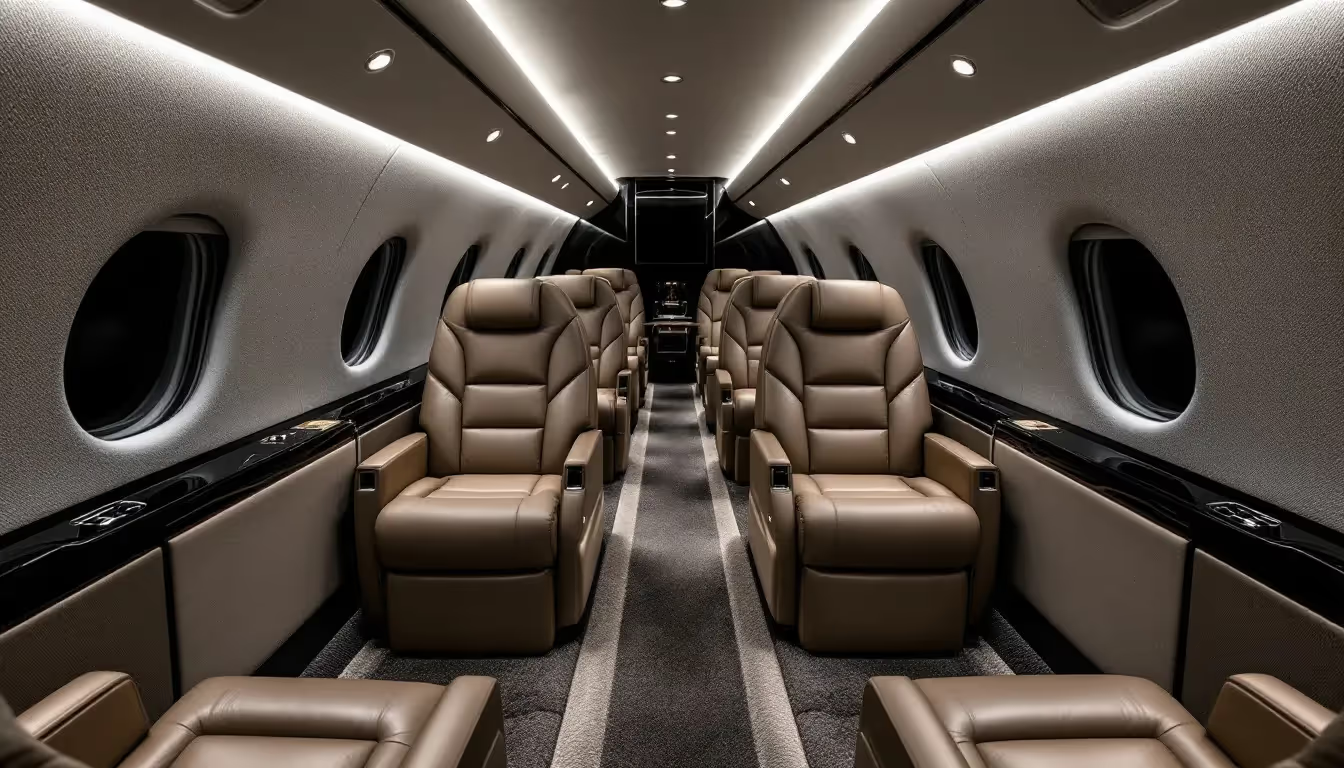
Chartering a 12-seater private jet typically costs between $5,000 and $9,000 per hour, with total costs for a three-hour flight ranging from $15,000 to $27,000. Factors influencing pricing include aircraft type, travel distance, and additional services like landing fees and crew costs. While ownership of a private jet incurs significant upfront and ongoing expenses, chartering offers flexibility without the long-term financial commitment. For frequent travelers, private jet membership programs can provide cost savings and convenience, making private aviation more accessible.
Jay Franco Serevilla
Sep 10, 2025
|
5
min read
Explore our latest articles and updates.
5
min read
How Jet Cards Work: The Complete Beginner's Guide
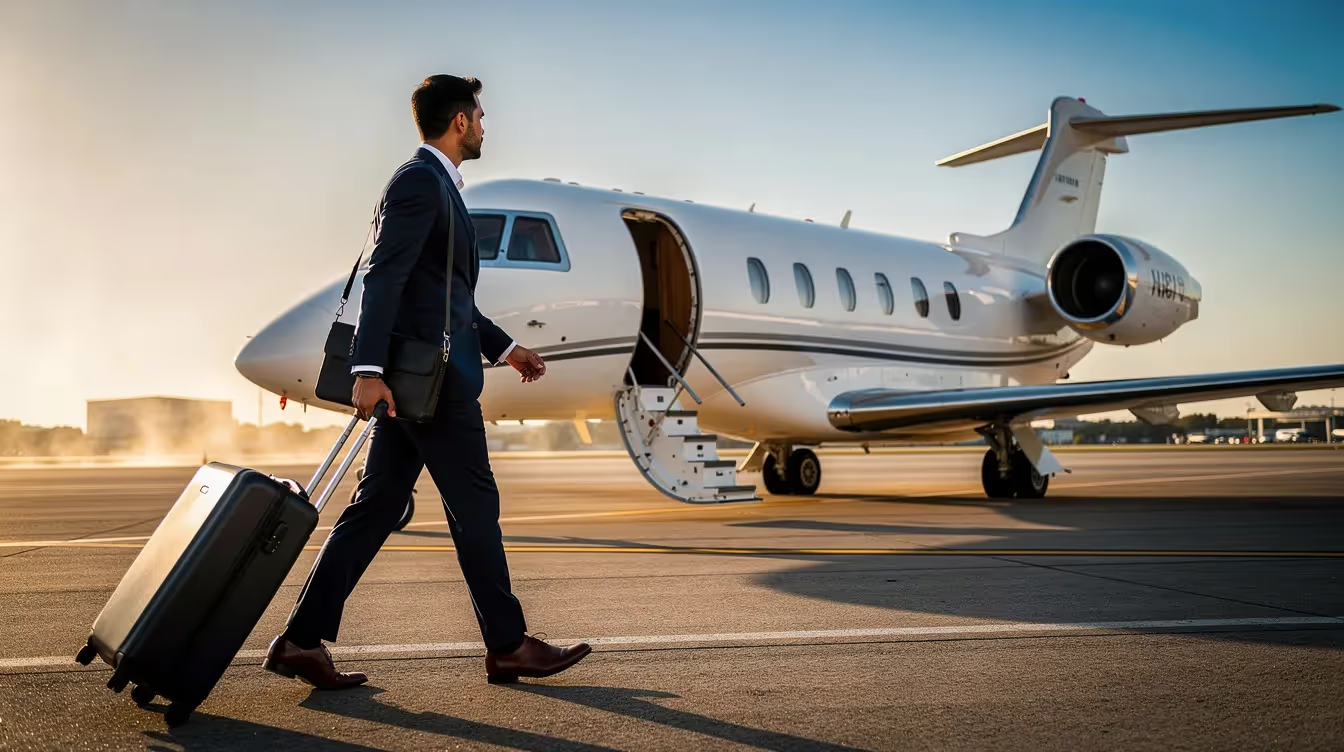
A jet card is a prepaid block of private jet flight hours purchased in advance, allowing users to book flights at fixed hourly rates with guaranteed availability. Typically requiring a minimum deposit of $50,000 to $150,000 for 10-25 hours, jet cards offer predictable pricing and flexibility without the burdens of ownership. They are ideal for frequent flyers needing guaranteed access, while occasional travelers may find better value in on-demand charter services. Jettly provides a modern alternative with transparent pricing and digital booking options, catering to both individuals and businesses.
Read More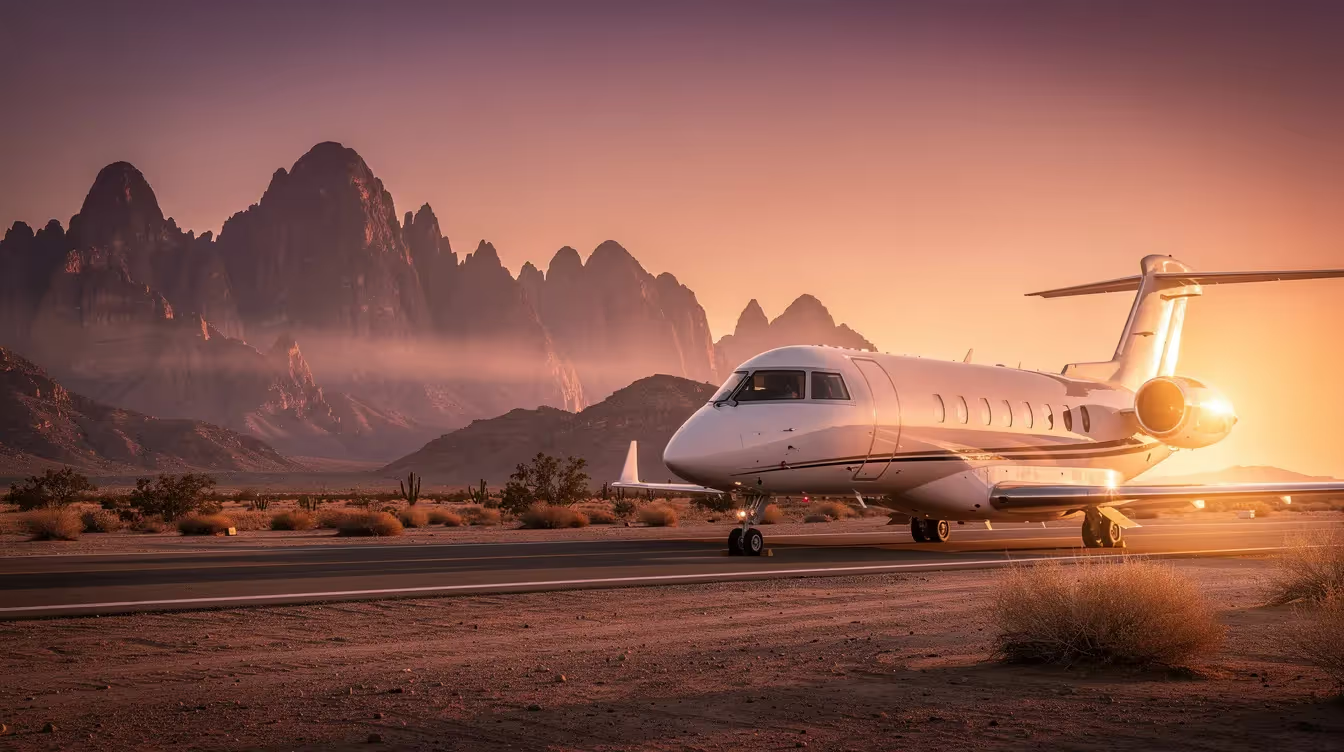
5
min read
Private Jet Albuquerque: Charter Flights, Airports & Pricing with Jettly
Jettly offers private jet charters to Albuquerque, providing a flexible and convenient alternative to commercial flights for both business and leisure travelers. The service connects clients to over 20,000 aircraft options, allowing for instant pricing and booking across multiple nearby airports, including Albuquerque International Sunport and Double Eagle II Airport. Typical pricing varies by aircraft type, starting around $2,000 per hour for turboprops and increasing for larger jets, with additional savings available through shared flights or empty leg deals. Jettly's platform simplifies the booking process, ensuring a personalized travel experience tailored to individual needs, whether for events like the Albuquerque International Balloon Fiesta or business trips.
Read MoreJoin our community and receive the latest blog updates directly in your inbox.
MEMBERSHIPS AND ASSOCIATIONS



Disclaimer: Jettly operates as a charter broker, offering access to a global digital jet charter marketplace. Jettly is not a direct air carrier and does not own or operate aircraft. All advertised flights are conducted by third-party air carriers that are fully licensed and hold the appropriate Part 135 or Part 121 certifications issued by the Federal Aviation Administration (FAA) or equivalent regulatory authorities under U.S. or foreign law. Jettly complies fully with the U.S. Department of Transportation's Part 295 and Part 298 Charter Broker regulations. Jettly does not carry additional liability insurance. Passengers are covered by aircraft operator insurance. TICO: 50023770


