


Login
Get Instant Pricing On 23,000+ Aircraft


Private jets increasingly offer WiFi, becoming essential for both business and leisure travelers. Connectivity options vary by aircraft type, age, and installed technology, impacting performance and costs. Understanding these factors helps travelers choose the right jet for their connectivity needs.
Jeff Ryan Serevilla
Sep 20, 2026
|
5
min read


View all
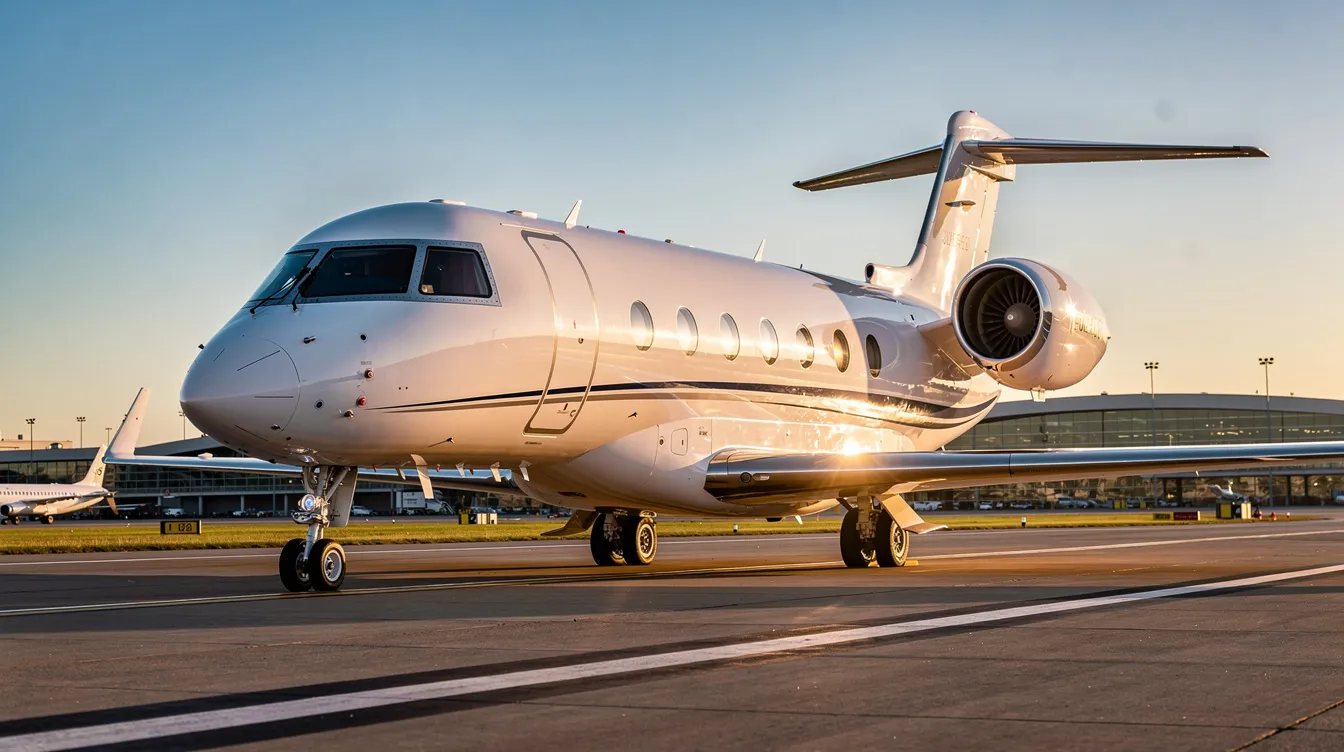
The Gulfstream G400 is a new large-cabin business jet that offers a maximum range of 4,200 nautical miles and a cruising speed of Mach 0.85, making it ideal for long-distance travel. Designed for comfort and productivity, it features a spacious cabin accommodating up to 12 passengers with flexible configurations and advanced technology for enhanced safety and efficiency. The aircraft is set to enter service in 2025, and charter options will be available through platforms like Jettly, which connects travelers to a wide range of private jets. With a competitive price point of $34.5 million, the G400 positions itself as an attractive alternative in the large-cabin jet market.
Jay Franco Serevilla
Jun 14, 2026
|
5
min read
View all
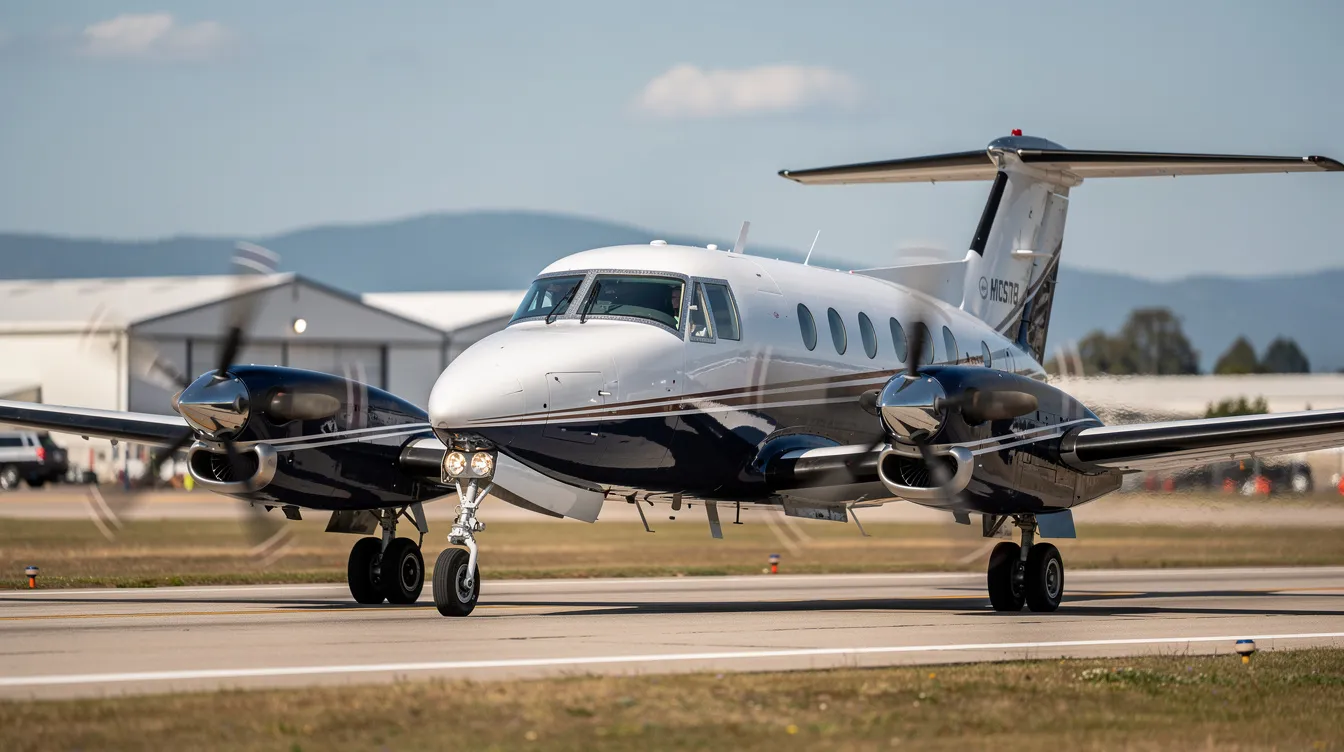
The Beechcraft King Air 300 is a versatile twin-engine turboprop aircraft known for its speed, range, and operational efficiency, making it suitable for various missions including business travel and air ambulance services. With a range of 1,480 nautical miles and a maximum cruise speed of 320 knots, it serves as a cost-effective alternative to light jets, particularly for regional routes. Ownership costs are high, with annual operating expenses around $1.16 million, prompting many travelers to opt for charter services through platforms like Jettly, which provide transparent pricing and easy access to flights. The King Air 300's ability to operate from smaller airports enhances its appeal for both corporate and leisure travel, offering flexibility and comfort without the complexities of ownership.
Jay Franco Serevilla
Jun 14, 2026
|
5
min read
View all
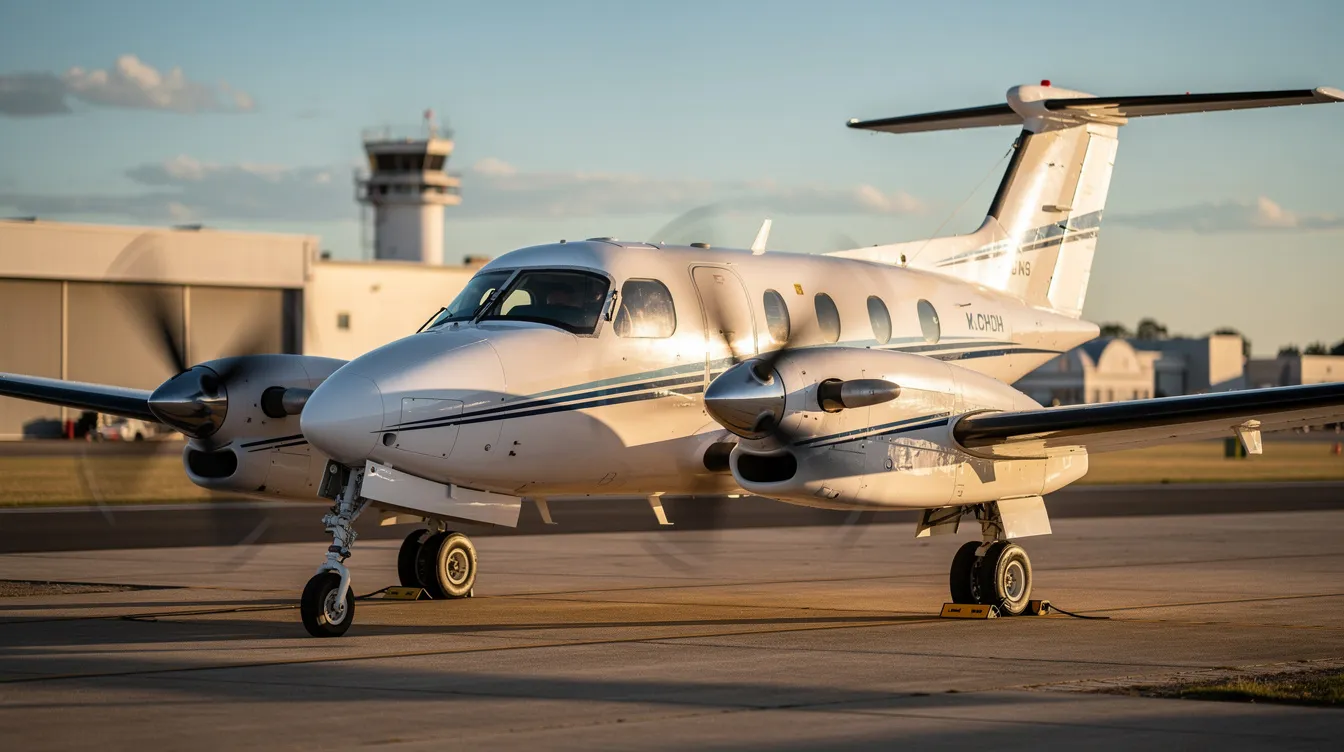
The Beechcraft King Air 250 is a versatile twin-engine turboprop ideal for regional private travel, offering a maximum range of 1,720 nautical miles and seating for 6-9 passengers. It features strong short-field performance, making it suitable for smaller airports, and is recognized for its comfort and efficiency, with a maximum cruise speed of 310 knots. Chartering through platforms like Jettly allows users to avoid the high costs of ownership, with annual operating costs exceeding $1 million and purchase prices ranging from $3.5 million to $5.5 million. The King Air 250 is particularly advantageous for business and leisure travel, providing flexibility and cost-effectiveness compared to jets.
Jay Franco Serevilla
Jun 14, 2026
|
5
min read
View all
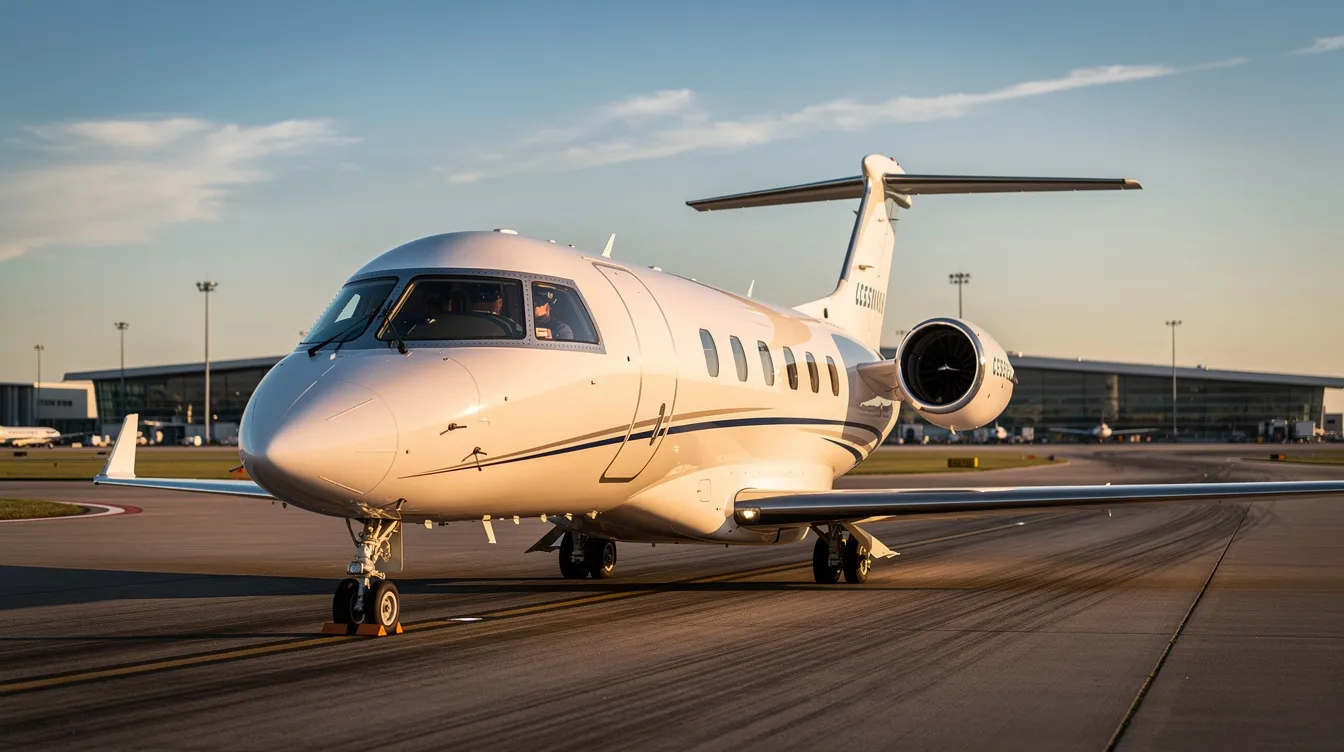
The Cessna Citation family is the most delivered series of business jets, known for their speed, comfort, and reliability, making them a staple in private aviation. This guide details the various models, from light jets like the Citation M2 to super-midsize options like the Longitude, highlighting their performance, cabin specifications, and chartering through Jettly. With over 8,000 aircraft delivered and a reputation for operational flexibility, Citations are ideal for both short regional trips and long-haul missions, often allowing access to smaller airports. Jettly offers a digital platform for easy chartering, providing transparent pricing and a wide selection of Citation jets without long-term commitments.
Jay Franco Serevilla
Jun 14, 2026
|
5
min read
View all
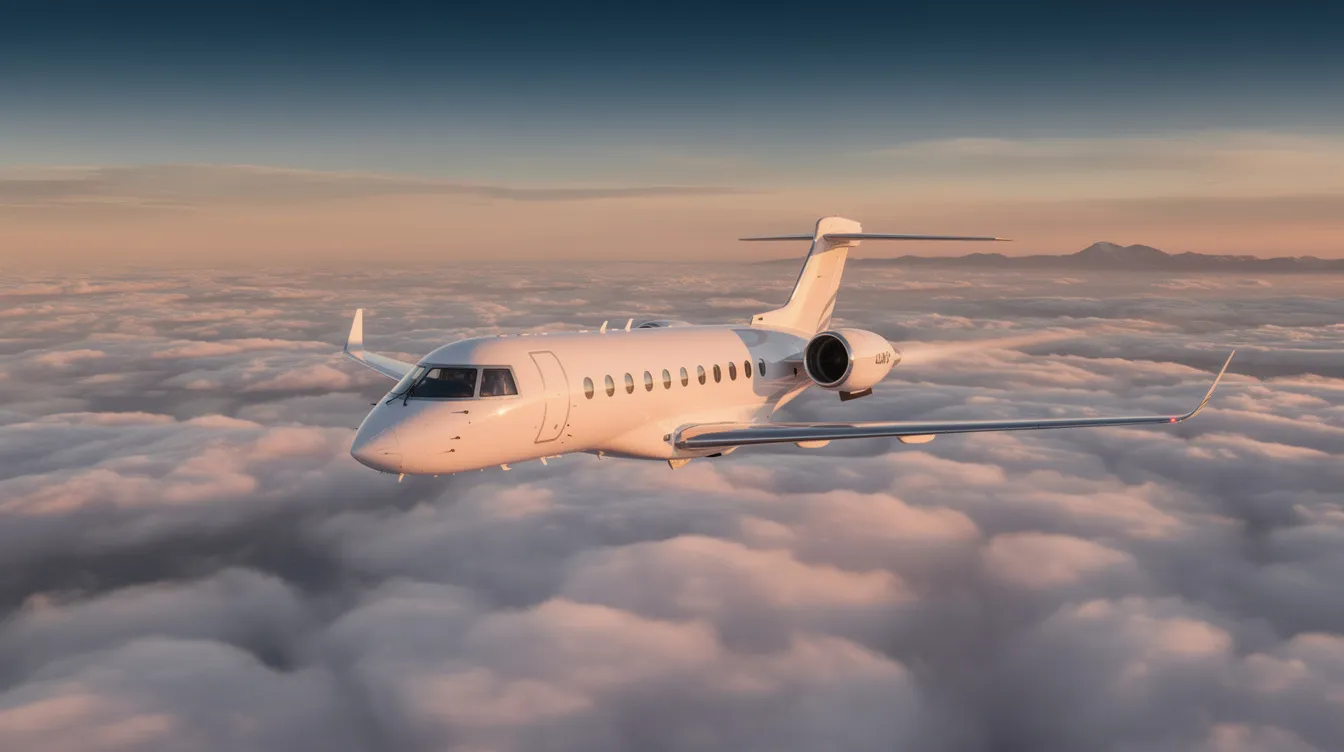
Jettly offers a comprehensive digital marketplace for private jet charters to Naples, FL, and Southwest Florida, catering to both business and leisure travelers. The platform allows users to compare over 20,000 aircraft options, ensuring flexibility in scheduling, airport choice, and onboard amenities without long-term commitments. Key airports include Naples Municipal Airport (APF) and Southwest Florida International Airport (RSW), with various aircraft types available to suit different travel needs. Jettly's user-friendly interface simplifies the booking process, providing transparent pricing and the ability to customize travel arrangements.
Jay Franco Serevilla
Jun 14, 2026
|
5
min read
View all
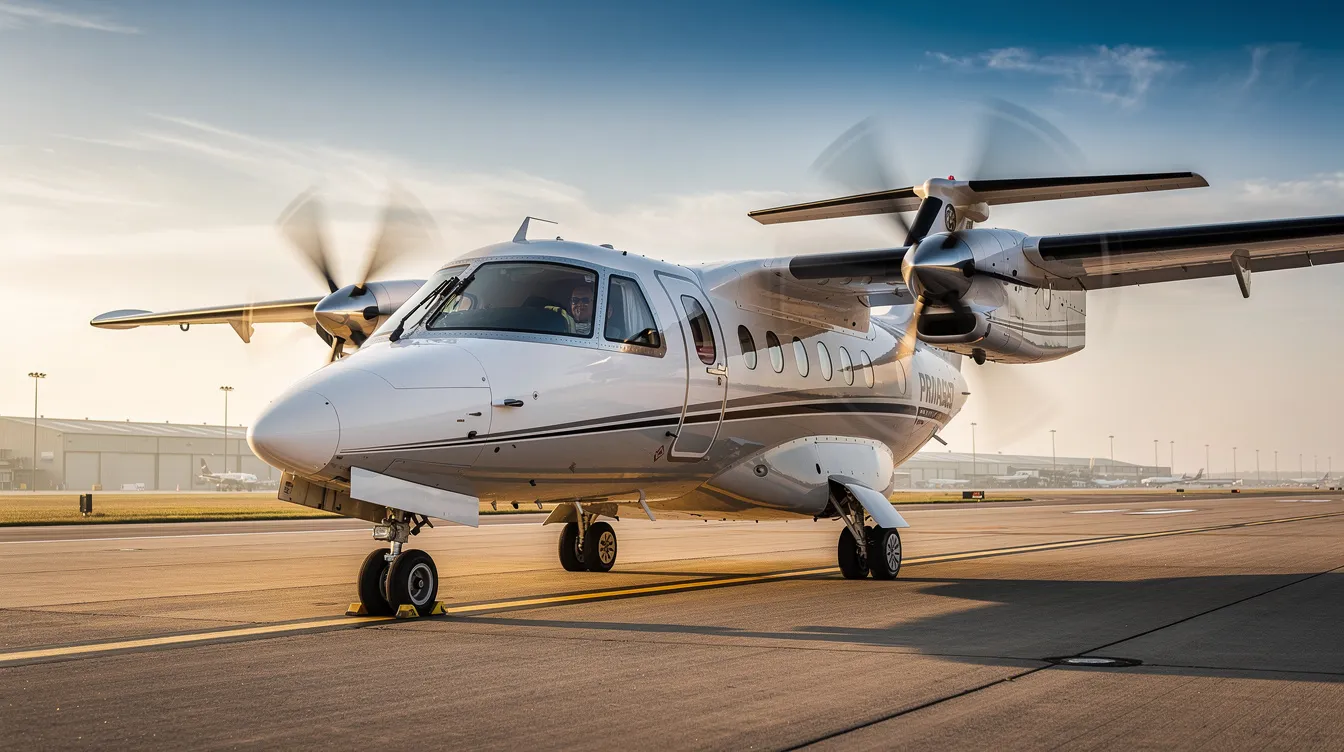
The Piaggio P180 Avanti is a high-speed turboprop aircraft that offers a unique blend of turboprop efficiency and jet-like performance, making it ideal for short to medium-range private travel. Charter pricing typically ranges from $2,000 to $2,500 per flight hour, with the aircraft accommodating 6 to 9 passengers in a spacious and quiet cabin. Its distinctive design allows for reduced drag and improved stability, enabling access to smaller airports and enhancing overall travel convenience. Jettly provides a streamlined platform for booking the Avanti and comparing charter options, ensuring travelers can easily find suitable flights tailored to their needs.
Jay Franco Serevilla
Jun 14, 2026
|
5
min read
Explore our latest articles and updates.

5
min read
Fastest VLJ: Speed, Performance & Charter Options in 2026
This guide explores the fastest Very Light Jets (VLJs) available in 2026, highlighting their speed, performance, and charter options for time-sensitive travelers. With speeds rivaling larger jets and lower operating costs, VLJs like the Embraer Phenom 100 and HondaJet Elite II offer efficient solutions for regional travel. Discover how these aircraft can save you time and money on your next business trip.
Read More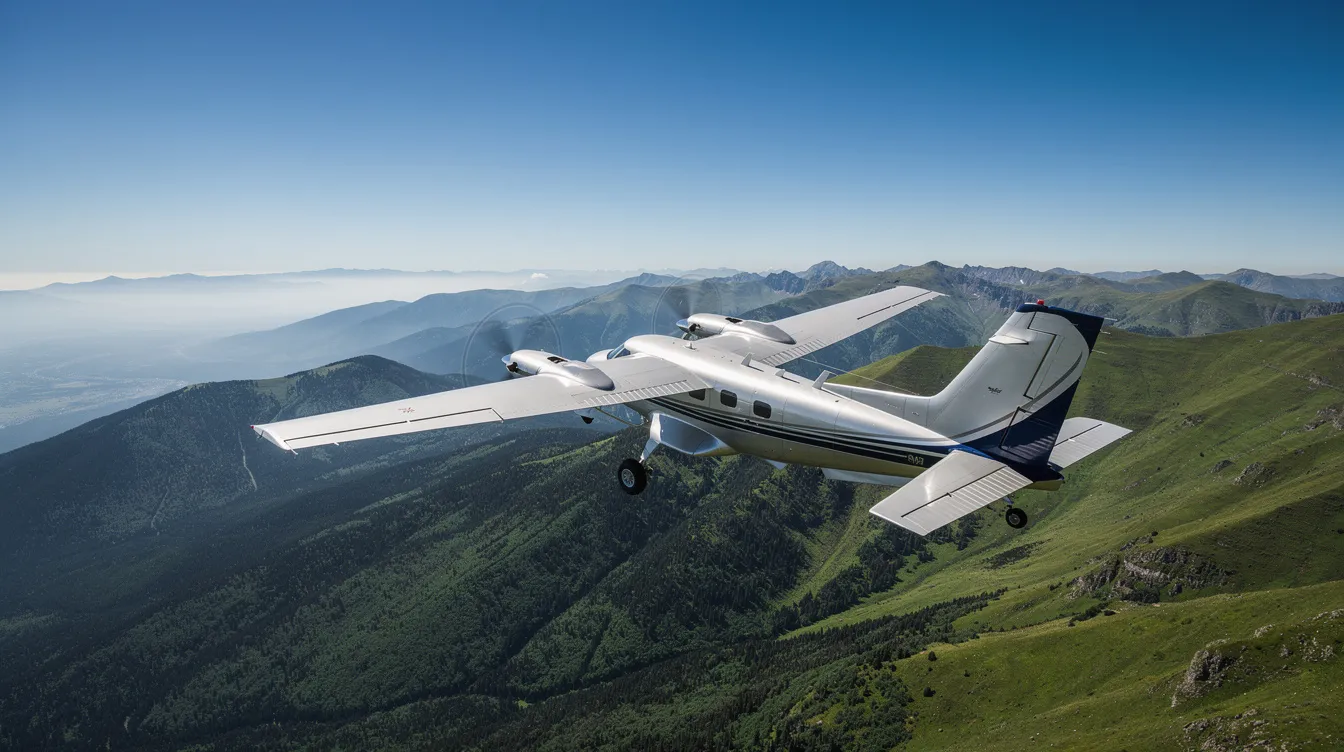
5
min read
Fastest Single Engine Plane: Top Speed, Real-World Use, and How It Compares to Private Jets
The fastest single engine plane today is the Epic E1000 GX, reaching speeds of 333 KTAS, while the Mooney M20V Acclaim Ultra leads piston aircraft at 242 KTAS. This guide explores their performance, real-world applications, and comparisons to private jets, helping pilots and travelers make informed choices for regional trips.
Read MoreJoin our community and receive the latest blog updates directly in your inbox.
MEMBERSHIPS AND ASSOCIATIONS



Disclaimer: Jettly operates as a charter broker, offering access to a global digital jet charter marketplace. Jettly is not a direct air carrier and does not own or operate aircraft. All advertised flights are conducted by third-party air carriers that are fully licensed and hold the appropriate Part 135 or Part 121 certifications issued by the Federal Aviation Administration (FAA) or equivalent regulatory authorities under U.S. or foreign law. Jettly complies fully with the U.S. Department of Transportation's Part 295 and Part 298 Charter Broker regulations. Jettly does not carry additional liability insurance. Passengers are covered by aircraft operator insurance. TICO: 50023770


