


Login
Get Instant Pricing On 23,000+ Aircraft


Introducing Smart Match™, an AI-driven workflow that matches private jet charter clients with vetted operators and aircraft in under 24 hours globally. By evaluating positioning costs, routing, safety ratings, and price, it replaces traditional multi-day broker searches with a curated shortlist of confirmed options.
Therese E.
Sep 17, 2026
|
5
min read


View all
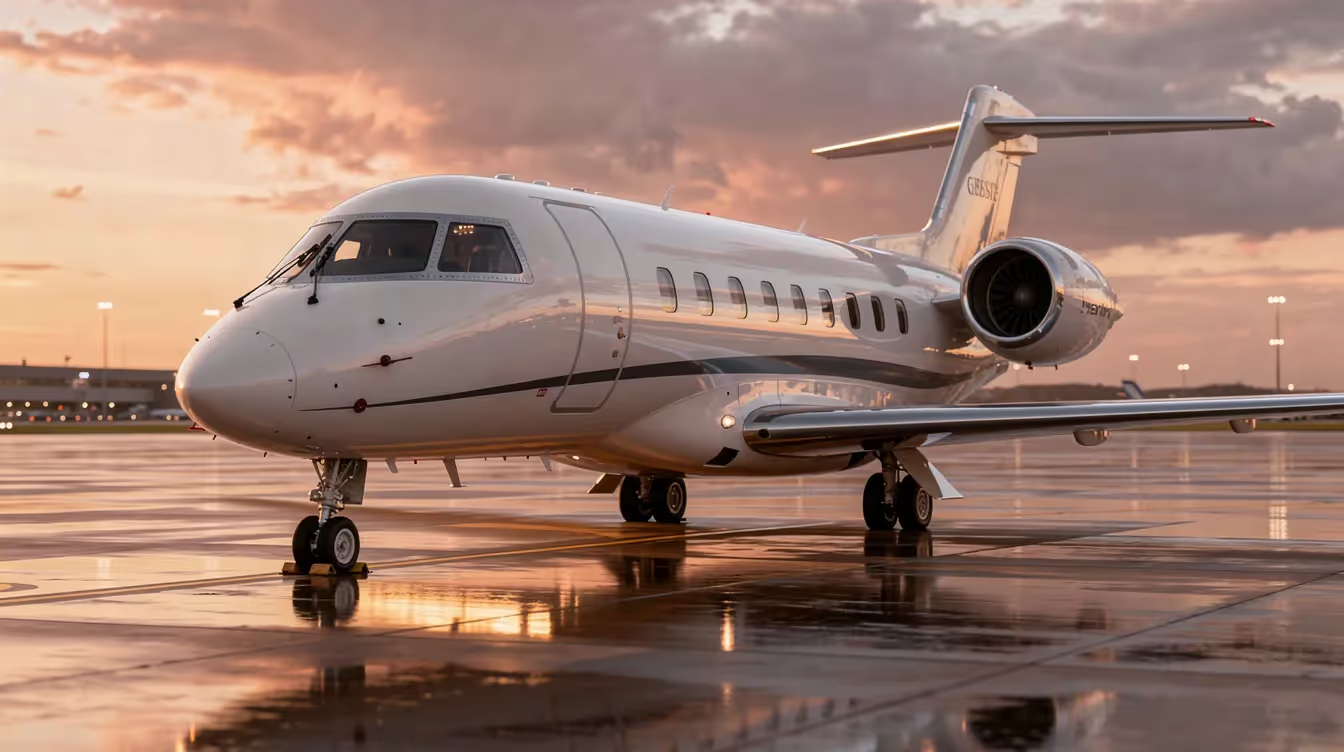
Chartering a private jet for 15 passengers provides a spacious, comfortable, and flexible travel solution ideal for business groups, families, or special events. This guide outlines the best aircraft options, typical costs ranging from $7,000 to $15,000 per flight hour, and operational considerations, emphasizing the importance of selecting the right jet for privacy and amenities. Jettly simplifies the booking process, offering transparent pricing and access to a global fleet, while also providing insights on comparing costs between single large jets and multiple smaller jets. Overall, private jet travel enhances productivity and convenience, making it a preferred choice for group travel compared to commercial airlines.
Jay Franco Serevilla
May 23, 2026
|
5
min read

View all
This guide outlines the intricate processes involved when a private jet is on the runway at busy airports, such as Chicago Midway. It emphasizes the importance of meticulous flight planning, safety protocols, and air traffic control coordination, which are crucial for ensuring safe operations. The guide also highlights how Jettly, a digital private aviation platform, connects travelers with various aircraft options and pricing, while providing insights into runway rules and the significance of disciplined communication among pilots and air traffic controllers. Overall, it aims to enhance the understanding of private jet operations and improve the travel experience for passengers.
Jay Franco Serevilla
May 23, 2026
|
5
min read
View all
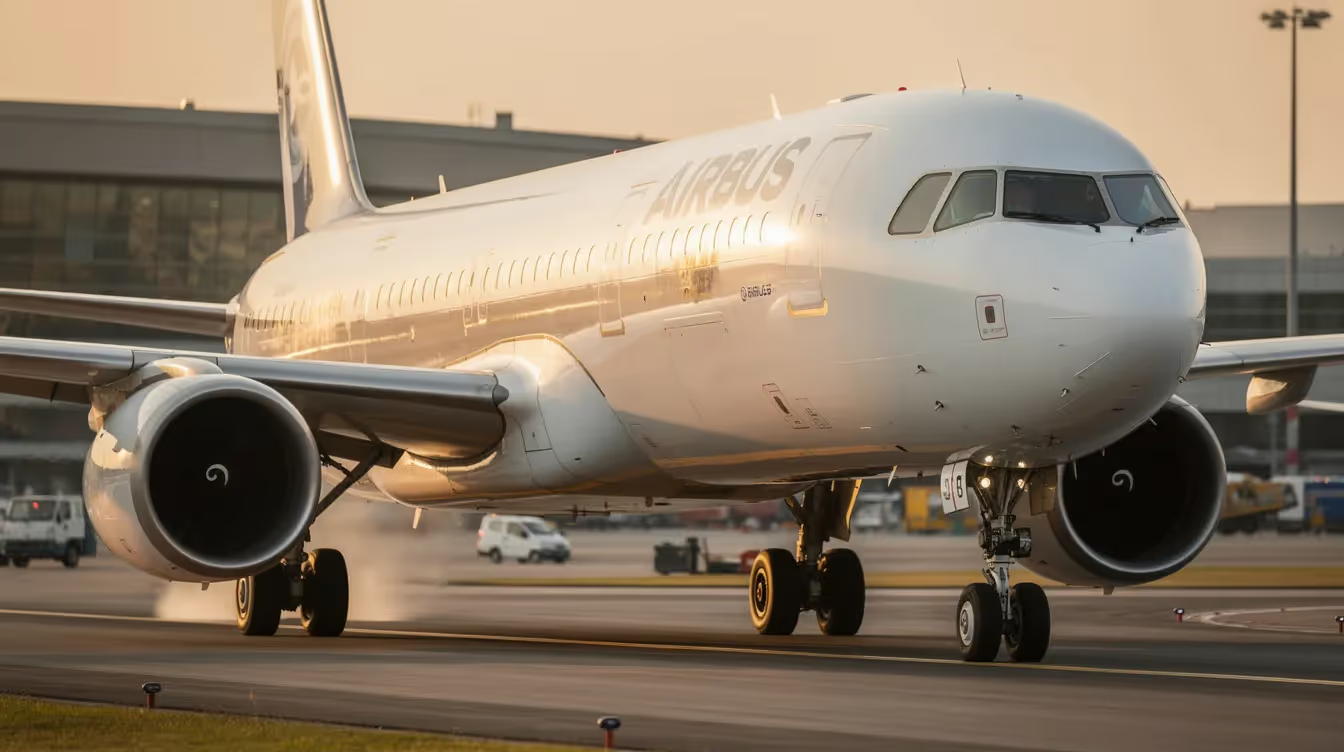
Jettly offers a streamlined process for renting Airbus aircraft, such as the A320, for charter flights, allowing clients to control schedules, routes, and onboard services for large groups. Chartering an Airbus is often more cost-effective than booking multiple smaller jets, especially for groups exceeding 40 passengers, with typical rates ranging from $18,000 to $28,000 per flight hour. The Airbus A320 features modern amenities and can accommodate up to 180 passengers, making it suitable for corporate events, sports teams, and entertainment tours. Jettly's platform provides instant pricing and access to over 20,000 aircraft, ensuring a flexible and efficient booking experience.
Jay Franco Serevilla
May 23, 2026
|
5
min read

View all
The 2026 FIFA World Cup is expected to bring millions of travelers to North America, placing unprecedented pressure on airports and airlines across the U.S., Canada, and Mexico. As commercial aviation faces congestion, surge pricing, and capacity challenges, private aviation is projected to experience record demand from fans, corporations, and VIP travelers seeking flexibility and efficiency. New cross-border air corridor strategies and regional airport usage will play a critical role in keeping tournament travel moving smoothly.
Jay Franco Serevilla
May 22, 2026
|
5
min read

View all
Flying private can sometimes match or even undercut commercial business-class fares, particularly on specific routes, dates, and with the right group size. Jettly offers a digital marketplace for private jet charters, providing access to over 20,000 aircraft and transparent pricing, making it easier for travelers to compare options without long-term commitments. Key strategies for cost-effective private flying include leveraging empty leg flights, seat-sharing, and being flexible with aircraft types and departure times. While private jets generally offer a more personalized travel experience, they may not always be cheaper than commercial flights, especially for solo travelers or long-haul routes.
Jay Franco Serevilla
May 22, 2026
|
5
min read
View all
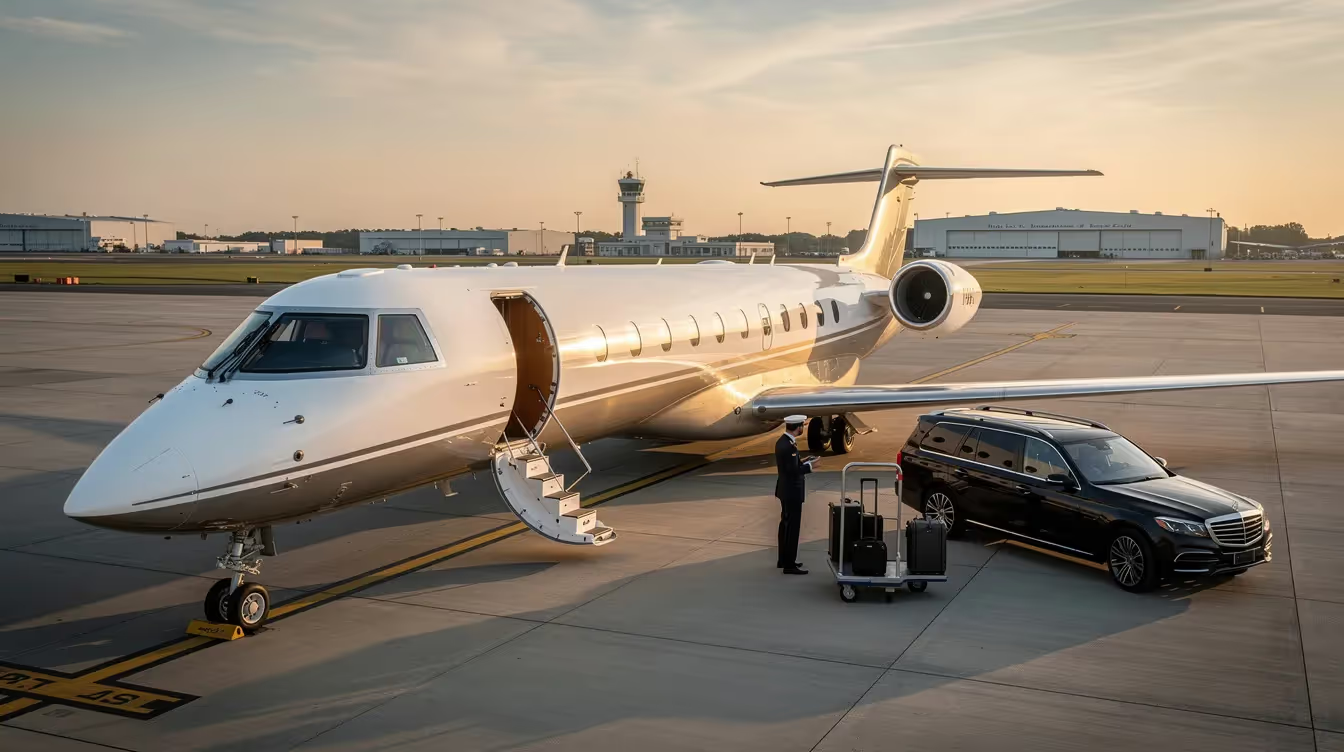
Single-seat jets provide autonomy and lower acquisition costs for pilots but are impractical for most private travelers due to their limited capacity. For those needing flexibility and the ability to travel with others, chartering very light jets or light jets through Jettly is often a more efficient choice. Jettly offers transparent pricing, instant booking, and access to over 20,000 aircraft globally, making private air travel convenient without the burdens of ownership. Overall, Jettly connects travelers to versatile jets tailored to their needs, enhancing the private aviation experience.
Jay Franco Serevilla
May 22, 2026
|
5
min read
Explore our latest articles and updates.

5
min read
Landing of Helicopter: Techniques, Safety, and What Passengers Should Know
Helicopter landings are critical for ensuring passenger safety and comfort, requiring precise techniques and awareness of environmental factors. Pilots utilize various landing approaches tailored to terrain and conditions, while platforms like Jettly ensure certified operators manage these complexities effectively. Understanding these processes enhances the travel experience for charter passengers.
Read More
5
min read
6 Seat Helicopter: Models, Performance, and Charter Options with Jettly
A 6 seat helicopter strikes the perfect balance between passenger capacity and operational efficiency, making it ideal for business teams and family trips. With models like the Bell 429 and Leonardo AW119Kx, these helicopters offer spacious cabins and advanced safety features. Jettly's platform simplifies the booking process, allowing travelers to compare options and secure charters effortlessly.
Read MoreJoin our community and receive the latest blog updates directly in your inbox.
MEMBERSHIPS AND ASSOCIATIONS



Disclaimer: Jettly operates as a charter broker, offering access to a global digital jet charter marketplace. Jettly is not a direct air carrier and does not own or operate aircraft. All advertised flights are conducted by third-party air carriers that are fully licensed and hold the appropriate Part 135 or Part 121 certifications issued by the Federal Aviation Administration (FAA) or equivalent regulatory authorities under U.S. or foreign law. Jettly complies fully with the U.S. Department of Transportation's Part 295 and Part 298 Charter Broker regulations. Jettly does not carry additional liability insurance. Passengers are covered by aircraft operator insurance. TICO: 50023770


