


Login
Get Instant Pricing On 23,000+ Aircraft


Private plane flight times are significantly shorter than commercial travel, influenced by factors like distance, aircraft type, and weather conditions. Understanding these variables is crucial for efficient scheduling and cost management, especially for corporate travelers and families. Jettly offers tools to provide accurate flight time estimates, enhancing the private flying experience.
Jeff Ryan Serevilla
Sep 8, 2026
|
5
min read



View all
South Valley Regional Airport (KSVR) in West Jordan, Utah, serves as a key general aviation hub for the Salt Lake City area, offering essential infrastructure for flight training, helicopter operations, and charter services. The airport features a single 5,862-foot runway and hosts multiple flight schools, as well as a Utah Army National Guard facility, contributing to its diverse operational activity. With amenities such as a full-service fixed-base operator and passenger services, KSVR provides a convenient alternative to the busier Salt Lake City International Airport for private travelers. Digital charter platforms like Jettly facilitate on-demand flights, enhancing accessibility and efficiency for users.
Jay Franco Serevilla
May 13, 2026
|
5
min read

View all
Traveling from Los Angeles to New York via private jet offers significant advantages, including time savings and personalized service, with typical flight times around 5.5 hours and costs starting at approximately $32,000 for a one-way trip on a super midsize jet. Jettly simplifies the booking process by providing access to over 20,000 aircraft and instant pricing, allowing travelers to choose the right aircraft based on their needs and budget. Key airports for departures include Van Nuys and Hollywood Burbank in Los Angeles, while Teterboro and Westchester County serve New York City, enhancing convenience and flexibility. For cost savings, travelers can consider round-trip bookings, empty leg flights, and off-peak travel options.
Jay Franco Serevilla
May 13, 2026
|
5
min read

View all
Virginia Beach is an attractive coastal destination on the East Coast, offering 38 miles of beachfront and a vibrant boardwalk, making it ideal for both leisure and business travelers. Accessible via private jet through Jettly, the city is conveniently located near major business hubs and provides a streamlined travel experience with flexible scheduling and quick airport access. Visitors can enjoy diverse beach zones, outdoor activities, and a growing cultural scene, along with various accommodation options that cater to different traveler needs. Jettly enhances the travel experience by offering instant pricing and tailored itineraries, making Virginia Beach an effortless getaway.
Jay Franco Serevilla
May 13, 2026
|
5
min read
View all
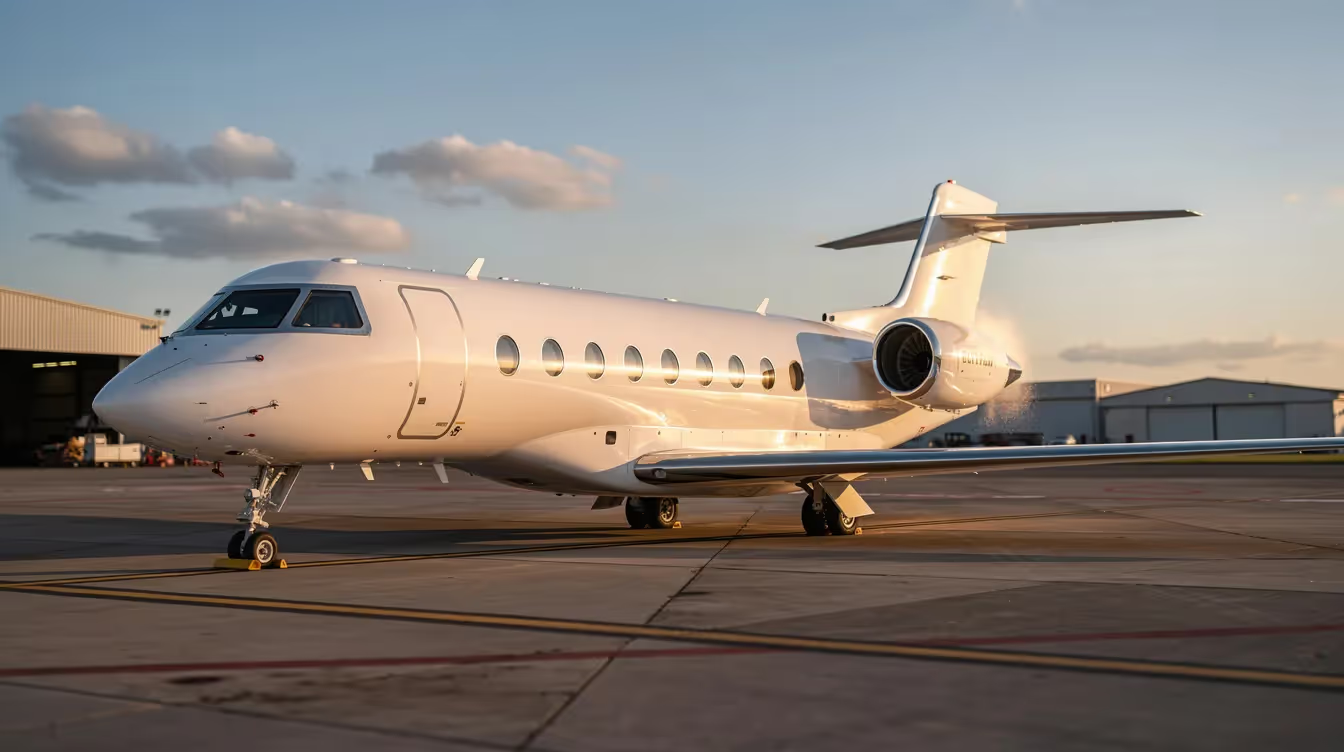
The Gulfstream V is a highly regarded ultra-long-range business jet, capable of non-stop intercontinental flights with a range of 6,250 to 6,500 nautical miles and accommodating 12 to 16 passengers in a spacious cabin. It features advanced avionics and performance capabilities, making it suitable for various applications, including corporate travel and government operations. Chartering through platforms like Jettly offers a cost-effective alternative to ownership, with transparent pricing and flexible access to the aircraft without long-term commitments. The Gulfstream V remains a popular choice for travelers seeking comfort, efficiency, and reliability in private aviation.
Jay Franco Serevilla
May 13, 2026
|
5
min read
View all
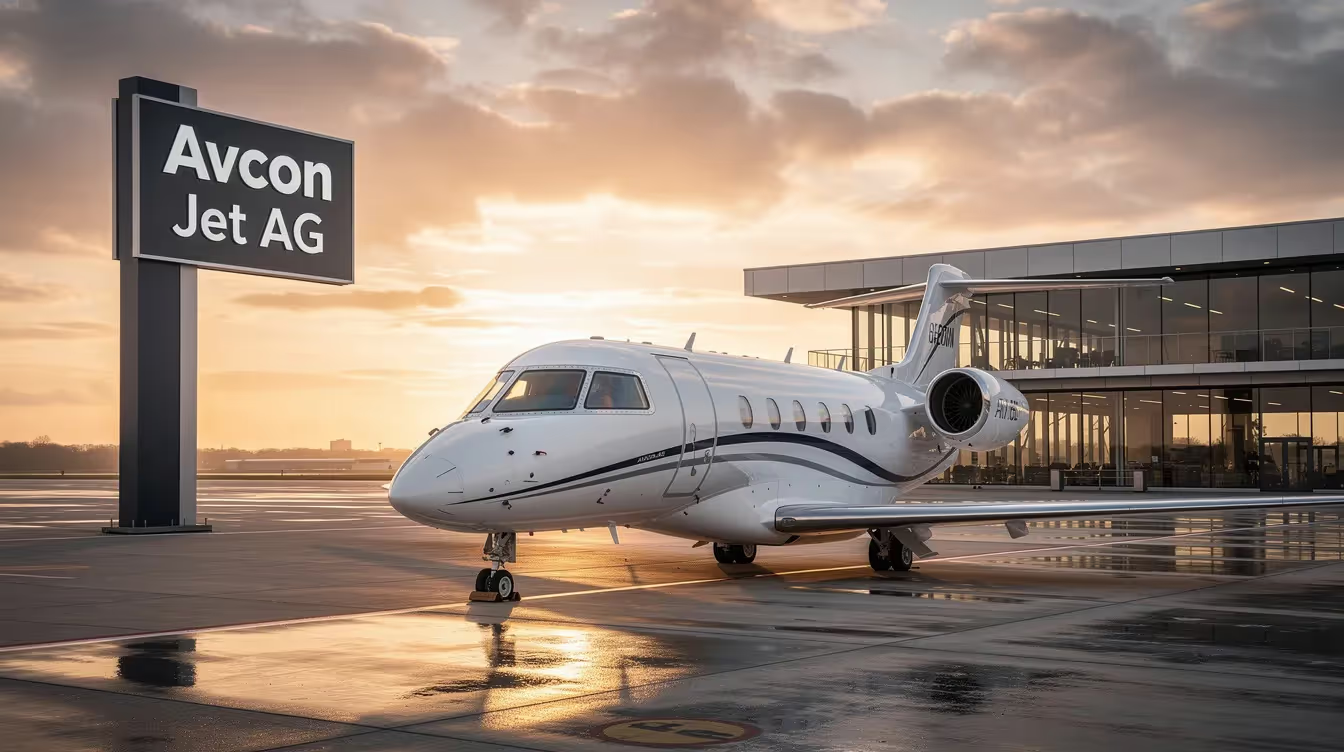
Avcon Jet AG, based in Vienna, Austria, is a prominent business aviation operator founded in 2007, managing over 100 aircraft globally. The company offers a range of services including private jet charter, aircraft management, and consulting, with operational hubs in key cities like Vienna, Dubai, Singapore, and Miami. Travelers can access Avcon Jet's fleet through digital platforms like Jettly, which provides instant pricing and comparisons with other operators. Avcon Jet AG is recognized for its extensive market knowledge, safety certifications, and commitment to operational excellence, making it a competitive choice for business aviation needs.
Jay Franco Serevilla
May 13, 2026
|
5
min read

View all
Textron Aviation Inc. is a leading manufacturer in general aviation, uniting the Beechcraft, Cessna, and Hawker brands and producing over half of the world's general aviation aircraft. Headquartered in Wichita, Kansas, the company has a rich history of over 95 years and offers a diverse portfolio of aircraft, including business jets, turboprops, and special mission aircraft. Jettly's digital marketplace connects travelers to Textron-built jets and turboprops for on-demand charter, enhancing accessibility and convenience for private flight options. With a strong focus on innovation and sustainability, Textron Aviation continues to evolve, meeting the growing demand for efficient and reliable aviation solutions.
Jay Franco Serevilla
May 13, 2026
|
5
min read
Explore our latest articles and updates.
5
min read
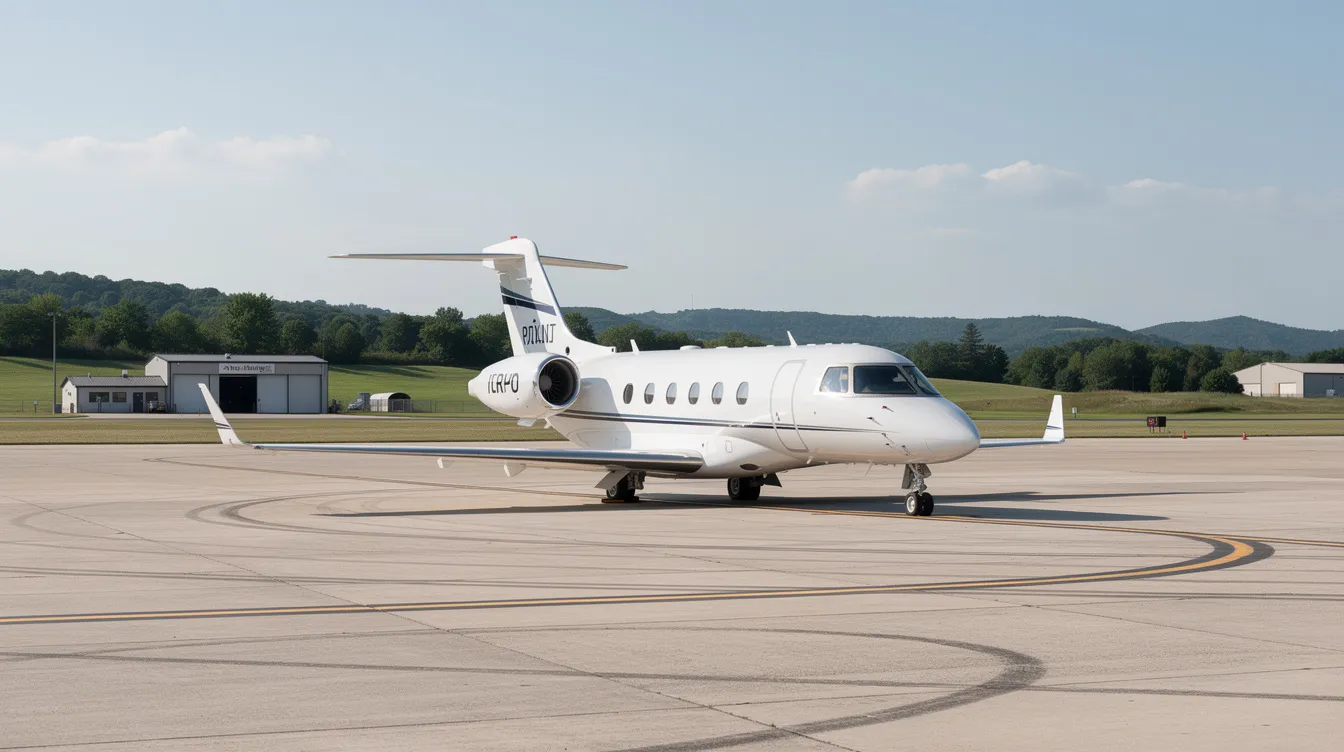
Private Small Jet Price: What It Really Costs to Fly and Own Light & Very Light Jets in 2026
In 2026, the cost of flying private in small jets varies significantly based on factors like aircraft type and usage. Very light jets typically charter for $2,500 to $4,800 per hour, while light jets range from $3,500 to $7,000. Understanding the full scope of ownership and operational costs is crucial for making informed decisions about private aviation.
Read More
5
min read
Flights to New York by Private Jet
Traveling to New York by private jet offers unparalleled flexibility and luxury compared to commercial flights. This guide provides essential information on booking private jet charters, airport options, and pricing, ensuring a seamless travel experience for both business and leisure travelers. Discover how private aviation can save you time and enhance your comfort on your next trip to the Big Apple.
Read MoreJoin our community and receive the latest blog updates directly in your inbox.
MEMBERSHIPS AND ASSOCIATIONS



Disclaimer: Jettly operates as a charter broker, offering access to a global digital jet charter marketplace. Jettly is not a direct air carrier and does not own or operate aircraft. All advertised flights are conducted by third-party air carriers that are fully licensed and hold the appropriate Part 135 or Part 121 certifications issued by the Federal Aviation Administration (FAA) or equivalent regulatory authorities under U.S. or foreign law. Jettly complies fully with the U.S. Department of Transportation's Part 295 and Part 298 Charter Broker regulations. Jettly does not carry additional liability insurance. Passengers are covered by aircraft operator insurance. TICO: 50023770


