



Login
Get Instant Pricing On 23,000+ Aircraft


US fighter jets have been pivotal in maintaining American air superiority for over 70 years, evolving from Cold War icons to advanced 5th-generation platforms like the F-22 and F-35, which emphasize stealth, sensor fusion, and multirole capabilities. Legacy fighters such as the F-15, F-16, and F/A-18 remain essential, continuously upgraded to meet modern combat demands. The future of US air power lies in the development of 6th-generation fighters through programs like NGAD, focusing on advanced networking and human-machine collaboration. Additionally, the principles of safety and efficiency in military aviation are mirrored in the private sector, as seen in platforms like Jettly, which offers flexible private jet charter services.
Jay Franco Serevilla
Jul 7, 2026
|
5
min read



View all
Ultralight flights offer an accessible entry into aviation with lightweight, single-seat aircraft designed for recreational flying. This guide explores the differences between ultralight flying and private jet travel, highlighting their unique benefits and purposes. Whether you're seeking local adventure or efficient long-range travel, understanding these options can enhance your flying experience.
Jay Franco Serevilla
Jul 15, 2026
|
5
min read
View all
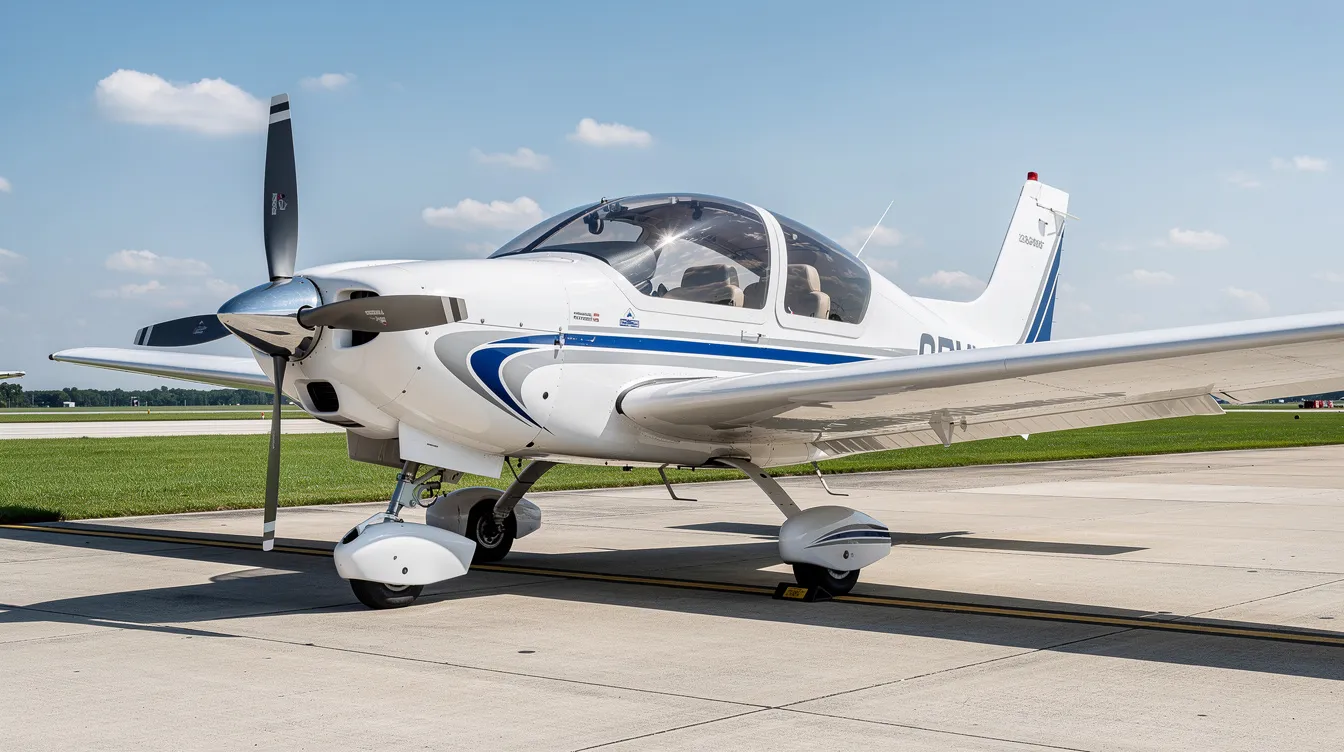
Choosing the safest small plane is crucial for pilots and travelers alike. The Diamond DA40 and Cessna 172S are top contenders, boasting low fatal accident rates and advanced safety features. This guide explores their safety data, design characteristics, and when to consider transitioning to private jets for enhanced safety and reliability.
Jay Franco Serevilla
Jul 15, 2026
|
5
min read

View all
The 2026 Single-Engine Plane Guide covers essential models, performance metrics, and costs associated with single-engine aircraft. These versatile planes remain a staple in general aviation, offering efficient and affordable options for training, personal travel, and business use. Chartering through platforms like Jettly provides flexible alternatives to ownership, making it easier for pilots and travelers to access these aircraft.
Jay Franco Serevilla
Jul 15, 2026
|
5
min read

View all
The world's smallest airlines, often defined by their minimal fleet sizes, play crucial roles in connecting remote communities and serving niche markets. These micro-fleet carriers, operating just one to three aircraft, provide essential services where larger airlines see no profit motive. Platforms like Jettly complement these airlines by offering flexible private jet charter options for travelers seeking more control over their itineraries.
Jay Franco Serevilla
Jul 15, 2026
|
5
min read

View all
Affordable planes are more than just low purchase prices; total ownership costs, including maintenance and fuel, play a crucial role. For budget-conscious pilots, options like flying clubs and chartering can significantly reduce expenses. This guide explores the best affordable aircraft and the financial implications of ownership versus chartering.
Jay Franco Serevilla
Jul 15, 2026
|
5
min read
View all
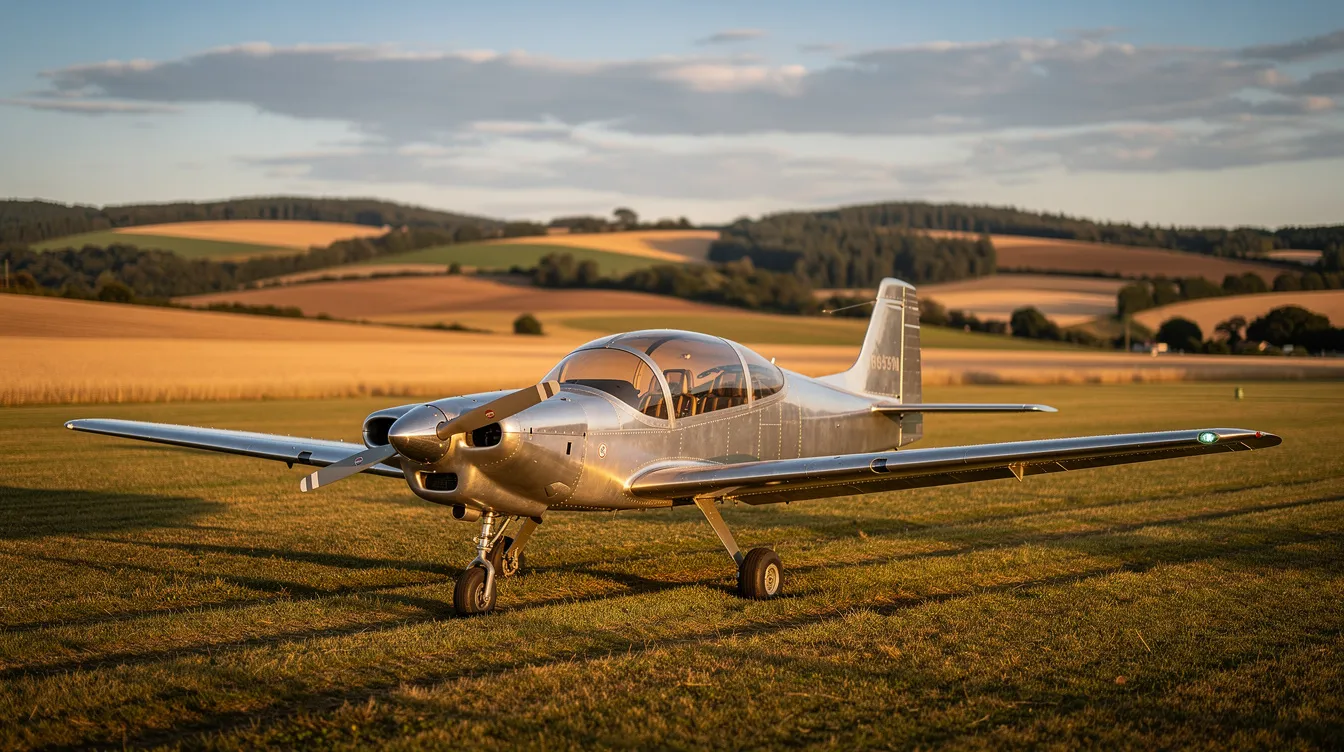
Cheap homebuilt aircraft offer an affordable entry into aviation, with kits typically ranging from $15,000 to $40,000. Popular models like the Sonex-B and Zenith CH 650 provide proven performance without the high costs of certified aircraft. Building these planes requires significant time and effort, but they can be a rewarding hobby for aviation enthusiasts.
Jay Franco Serevilla
Jul 15, 2026
|
5
min read
Explore our latest articles and updates.
5
min read
Private Jet Safety Certifications Explained (Broker Edition), Part 135 vs Part 121, ARGUS, WYVERN, IS-BAO, and What Jettly Verifies
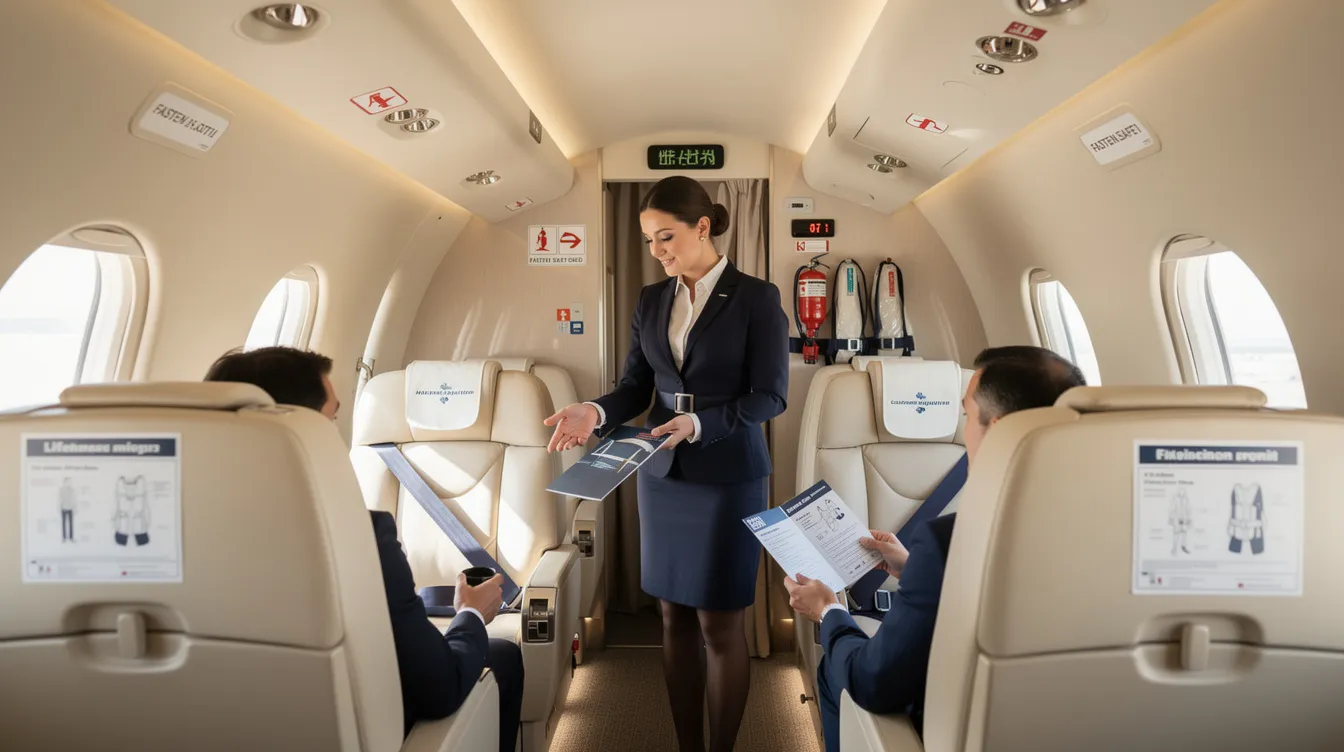
Understanding private jet safety certifications is crucial for ensuring a secure flight experience. This guide explains the differences between FAA Part 135 and Part 121, along with independent audits like ARGUS, WYVERN, and IS-BAO, highlighting the importance of verifying the operator's credentials before booking. Jettly, as a charter broker, emphasizes the need for thorough due diligence in confirming safety standards.
Read More
5
min read
Personal Aircraft With No License: How to Fly Ultralights Under Part 103
Under FAA Part 103, you can fly an ultralight personal aircraft without a license, medical exam, or registration, provided it meets specific criteria. These lightweight vehicles are limited to a maximum weight of 254 pounds, a fuel capacity of 5 gallons, and a top speed of 55 knots, making them ideal for recreational flying in uncontrolled airspace. While no formal training is required, it is highly recommended for safety.
Read MoreJoin our community and receive the latest blog updates directly in your inbox.
MEMBERSHIPS AND ASSOCIATIONS



© 2026 Jettly Inc. All rights reserved.
Disclaimer: Jettly operates as a charter broker, offering access to a global digital jet charter marketplace. Jettly is not a direct air carrier and does not own or operate aircraft. All advertised flights are conducted by third-party air carriers that are fully licensed and hold the appropriate Part 135 or Part 121 certifications issued by the Federal Aviation Administration (FAA) or equivalent regulatory authorities under U.S. or foreign law. Jettly complies fully with the U.S. Department of Transportation's Part 295 and Part 298 Charter Broker regulations. Jettly does not carry additional liability insurance. Passengers are covered by aircraft operator insurance. TICO: 50023770


