



Login
Get Instant Pricing On 23,000+ Aircraft


US fighter jets have been pivotal in maintaining American air superiority for over 70 years, evolving from Cold War icons to advanced 5th-generation platforms like the F-22 and F-35, which emphasize stealth, sensor fusion, and multirole capabilities. Legacy fighters such as the F-15, F-16, and F/A-18 remain essential, continuously upgraded to meet modern combat demands. The future of US air power lies in the development of 6th-generation fighters through programs like NGAD, focusing on advanced networking and human-machine collaboration. Additionally, the principles of safety and efficiency in military aviation are mirrored in the private sector, as seen in platforms like Jettly, which offers flexible private jet charter services.
Jay Franco Serevilla
Jul 7, 2026
|
5
min read


View all
This comprehensive guide covers everything travelers need to know about flying to London, England, whether via private jets or commercial airlines. It highlights key airports, pricing strategies, and booking tips to maximize convenience and savings. With insights into seasonal trends and aircraft options, this guide is essential for both business and leisure travelers planning their journey to London.
Jay Franco Serevilla
Jul 13, 2026
|
5
min read

View all
Fighter jets are named to convey speed, agility, and dominance, often using themes from nature, mythology, and national symbols. The evolution of naming conventions reflects the aircraft's roles and capabilities, from World War II icons to modern stealth fighters. Understanding these names provides insight into military strategy and the cultural significance behind each aircraft.
Jay Franco Serevilla
Jul 13, 2026
|
5
min read

View all
Jet fighter planes are specialized military aircraft designed for air-to-air combat, emphasizing speed, maneuverability, and precision. This article explores the evolution of these fighters from their inception in the 1940s to the advanced fifth-generation models like the F-35 and emerging sixth-generation concepts. Understanding their capabilities and roles is essential for grasping modern military aviation and air superiority.
Jay Franco Serevilla
Jul 13, 2026
|
5
min read
View all
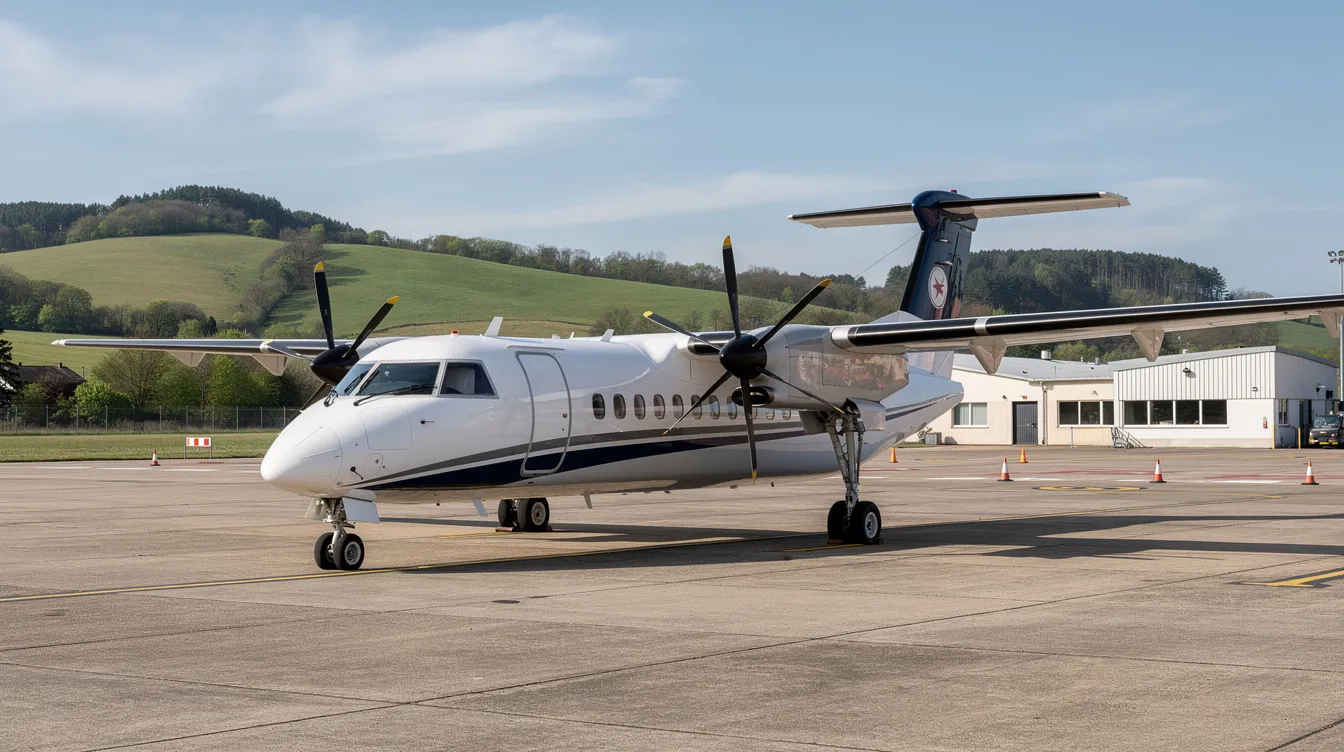
The Saab 340A is a reliable twin-engine turboprop airliner designed for regional markets, accommodating 25 to 36 passengers. With a maximum cruising speed of 271 knots and a service ceiling of 25,000 feet, it remains a strong choice for charter operations. Jettly offers easy access to Saab 340A charters, providing transparent pricing and on-demand booking for various travel needs.
Jay Franco Serevilla
Jul 13, 2026
|
5
min read

View all
Owning a million-dollar private jet offers freedom and flexibility, but it often comes with unexpected costs. In 2026, this budget typically buys older light jets or turboprops, with annual operating costs that can exceed the purchase price. For many, chartering through platforms like Jettly proves to be a more economical choice, especially for those flying less frequently.
Jay Franco Serevilla
Jul 13, 2026
|
5
min read

View all
CYCK Airport, also known as Chatham-Kent Airport, is a regional airport in Ontario that caters to private jet charters. With a single 5,502-foot runway and 24-hour operations, it offers a low-congestion alternative for business and leisure travelers seeking flexible air travel options. Jettly provides seamless booking and access to various aircraft types for efficient travel to and from this airport.
Jay Franco Serevilla
Jul 13, 2026
|
5
min read
Explore our latest articles and updates.
5
min read
Private Jet Safety Certifications Explained (Broker Edition), Part 135 vs Part 121, ARGUS, WYVERN, IS-BAO, and What Jettly Verifies
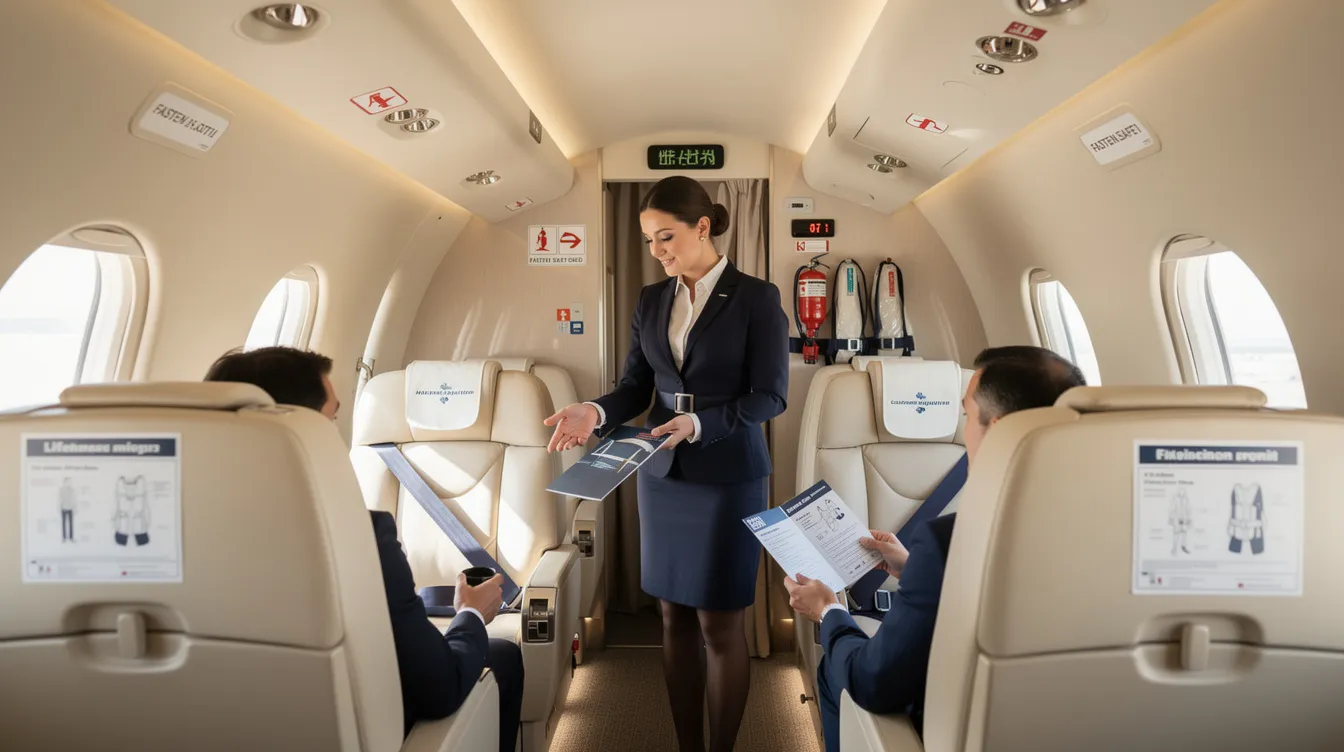
Understanding private jet safety certifications is crucial for ensuring a secure flight experience. This guide explains the differences between FAA Part 135 and Part 121, along with independent audits like ARGUS, WYVERN, and IS-BAO, highlighting the importance of verifying the operator's credentials before booking. Jettly, as a charter broker, emphasizes the need for thorough due diligence in confirming safety standards.
Read More
5
min read
Personal Aircraft With No License: How to Fly Ultralights Under Part 103
Under FAA Part 103, you can fly an ultralight personal aircraft without a license, medical exam, or registration, provided it meets specific criteria. These lightweight vehicles are limited to a maximum weight of 254 pounds, a fuel capacity of 5 gallons, and a top speed of 55 knots, making them ideal for recreational flying in uncontrolled airspace. While no formal training is required, it is highly recommended for safety.
Read MoreJoin our community and receive the latest blog updates directly in your inbox.
MEMBERSHIPS AND ASSOCIATIONS



© 2026 Jettly Inc. All rights reserved.
Disclaimer: Jettly operates as a charter broker, offering access to a global digital jet charter marketplace. Jettly is not a direct air carrier and does not own or operate aircraft. All advertised flights are conducted by third-party air carriers that are fully licensed and hold the appropriate Part 135 or Part 121 certifications issued by the Federal Aviation Administration (FAA) or equivalent regulatory authorities under U.S. or foreign law. Jettly complies fully with the U.S. Department of Transportation's Part 295 and Part 298 Charter Broker regulations. Jettly does not carry additional liability insurance. Passengers are covered by aircraft operator insurance. TICO: 50023770


