



Login
Get Instant Pricing On 23,000+ Aircraft


Understanding what happens during a plane crash can alleviate fears about flying. While the odds of experiencing a crash are extremely low, knowing the causes, survival strategies, and the importance of passenger actions can enhance safety. This article provides insights into aviation safety, the factors contributing to crashes, and what passengers can do to prepare.
Jay Franco Serevilla
Nov 6, 2026
|
5
min read


View all
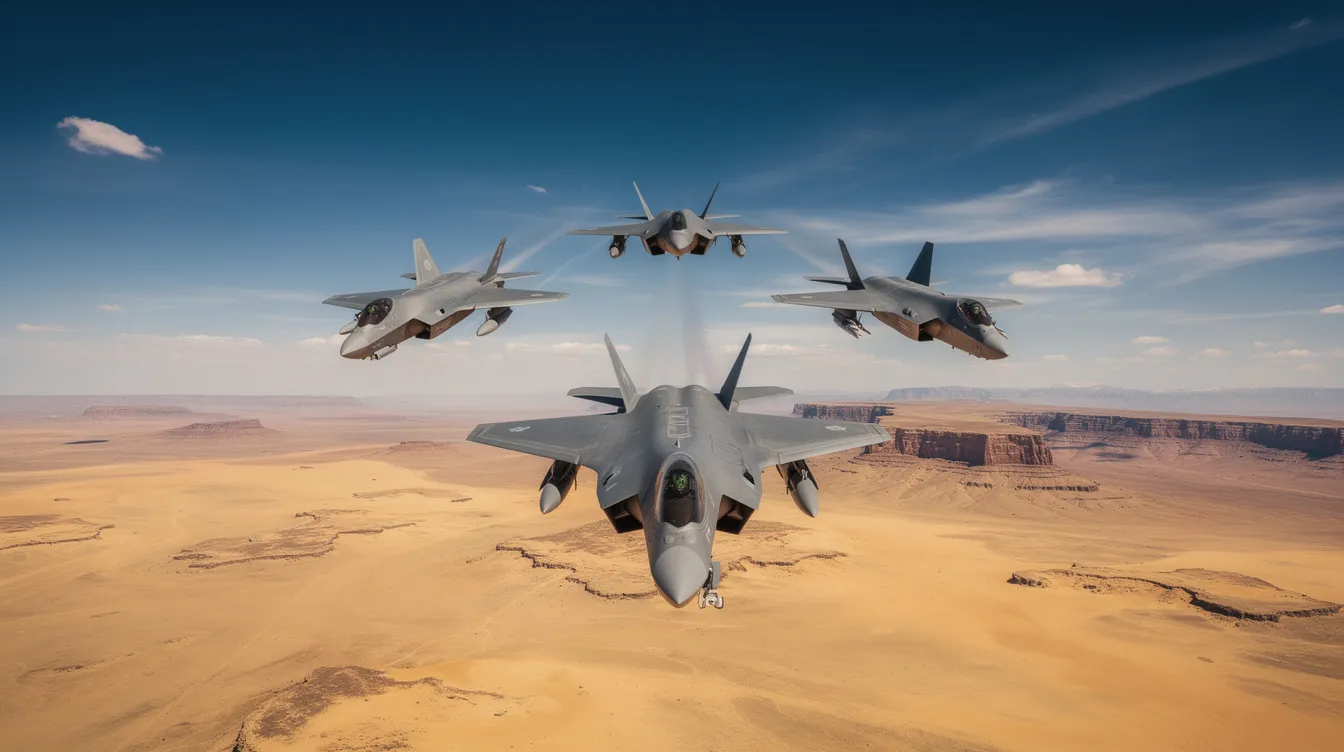
US fighter jets have been pivotal in maintaining American air superiority for over 70 years, evolving from Cold War icons to advanced 5th-generation platforms like the F-22 and F-35, which emphasize stealth, sensor fusion, and multirole capabilities. Legacy fighters such as the F-15, F-16, and F/A-18 remain essential, continuously upgraded to meet modern combat demands. The future of US air power lies in the development of 6th-generation fighters through programs like NGAD, focusing on advanced networking and human-machine collaboration. Additionally, the principles of safety and efficiency in military aviation are mirrored in the private sector, as seen in platforms like Jettly, which offers flexible private jet charter services.
Jay Franco Serevilla
Jul 7, 2026
|
5
min read
View all
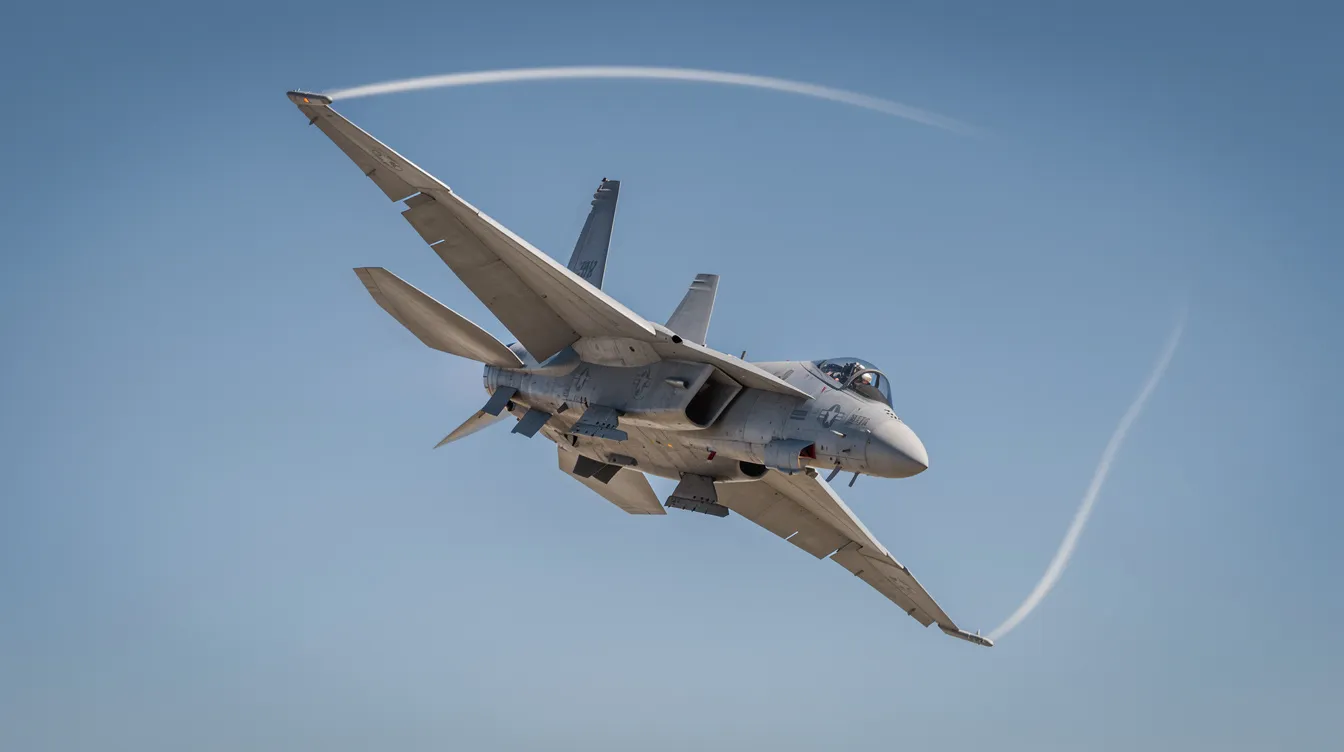
A light fighter is a small, agile combat aircraft designed for air-to-air combat and light attack missions, offering advantages in maneuverability and cost-effectiveness compared to larger multirole fighters. The concept has evolved since the 1960s, significantly influencing air combat doctrine and leading to the development of notable aircraft like the F-16 and F/A-18. Modern light fighters integrate advanced technologies such as digital engineering and open-architecture avionics, making them adaptable for various missions while maintaining lower operational costs. This design philosophy parallels trends in civilian aviation, where similar trade-offs in performance and cost are considered when selecting aircraft for private travel.
Jay Franco Serevilla
Jul 7, 2026
|
5
min read

View all
VIP planes, including presidential aircraft and private business jets, serve as secure and comfortable travel options for heads of state, corporate executives, and affluent travelers. Governments invest heavily in these aircraft for their strategic importance in ensuring continuity of operations and facilitating rapid diplomacy during crises. Charter platforms like Jettly make VIP-level travel accessible to private travelers by offering a marketplace of over 20,000 aircraft, enabling on-demand access without the need for ownership or long-term commitments. The article discusses various types of VIP aircraft, their unique features, and practical steps for chartering, highlighting the benefits of flexibility, privacy, and productivity in air travel.
Jay Franco Serevilla
Jul 7, 2026
|
5
min read
View all
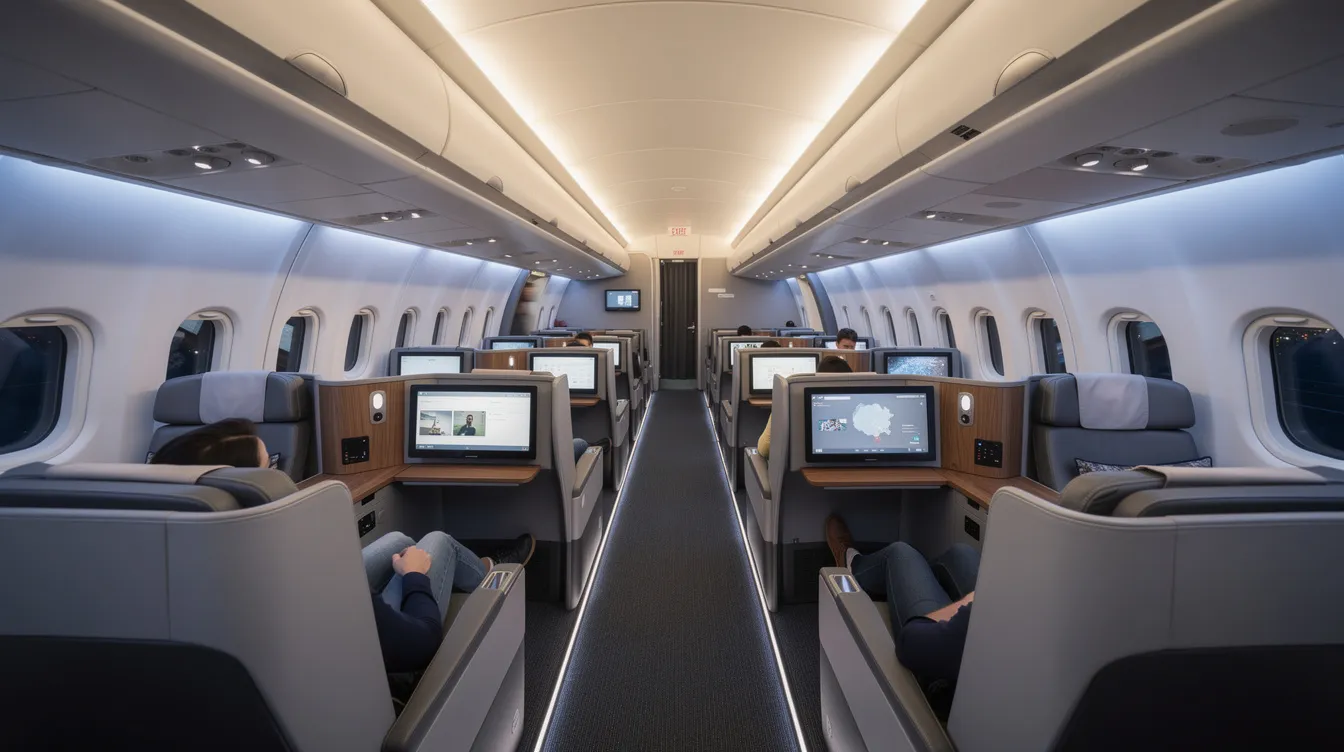
Luxury plane tickets now encompass business class, first class, and private jet charters, offering travelers a range of options and pricing complexities. Jettly provides a digital platform connecting users to over 20,000 aircraft globally, often making private jet charters financially competitive with premium cabin tickets, especially for groups. The guide details the features and costs associated with various classes, highlighting that private jets can save time and offer greater flexibility compared to commercial flights. Ultimately, the best choice depends on group size, schedule flexibility, and personal preferences for comfort and privacy.
Jay Franco Serevilla
Jul 7, 2026
|
5
min read

View all
In 2026, co-pilot salaries vary significantly based on airline type, experience, and aircraft, with first-year regional co-pilots earning between $70,000 and $90,000, while those at major airlines can make $100,000 to $155,000, and experienced pilots on widebody aircraft can exceed $200,000. The average salary for co-pilots in the U.S. is approximately $130,916, with potential total compensation reaching up to $450,000 for senior captains. Factors influencing pay include seniority, aircraft type, and airline contracts, with cargo airlines and private jet charters often offering higher compensation. The demand for pilots is expected to remain strong through the 2030s, making co-pilot careers financially rewarding and stable.
Jay Franco Serevilla
Jul 7, 2026
|
5
min read

View all
In 2026, airline and commercial pilots are expected to earn significantly higher salaries, with average earnings for airline pilots exceeding $200,000 and experienced pilots at major carriers potentially earning between $300,000 and $450,000 or more. The median annual wage for airline pilots is projected at approximately $226,600, while commercial pilots earn around $122,670. Factors influencing pilot salaries include employer type, aircraft size, rank, and geographic location, with major airlines offering the best compensation packages. Despite high training costs, the strong demand for pilots and rising salaries make pursuing a career in aviation financially attractive.
Jay Franco Serevilla
Jul 7, 2026
|
5
min read
Explore our latest articles and updates.
5
min read
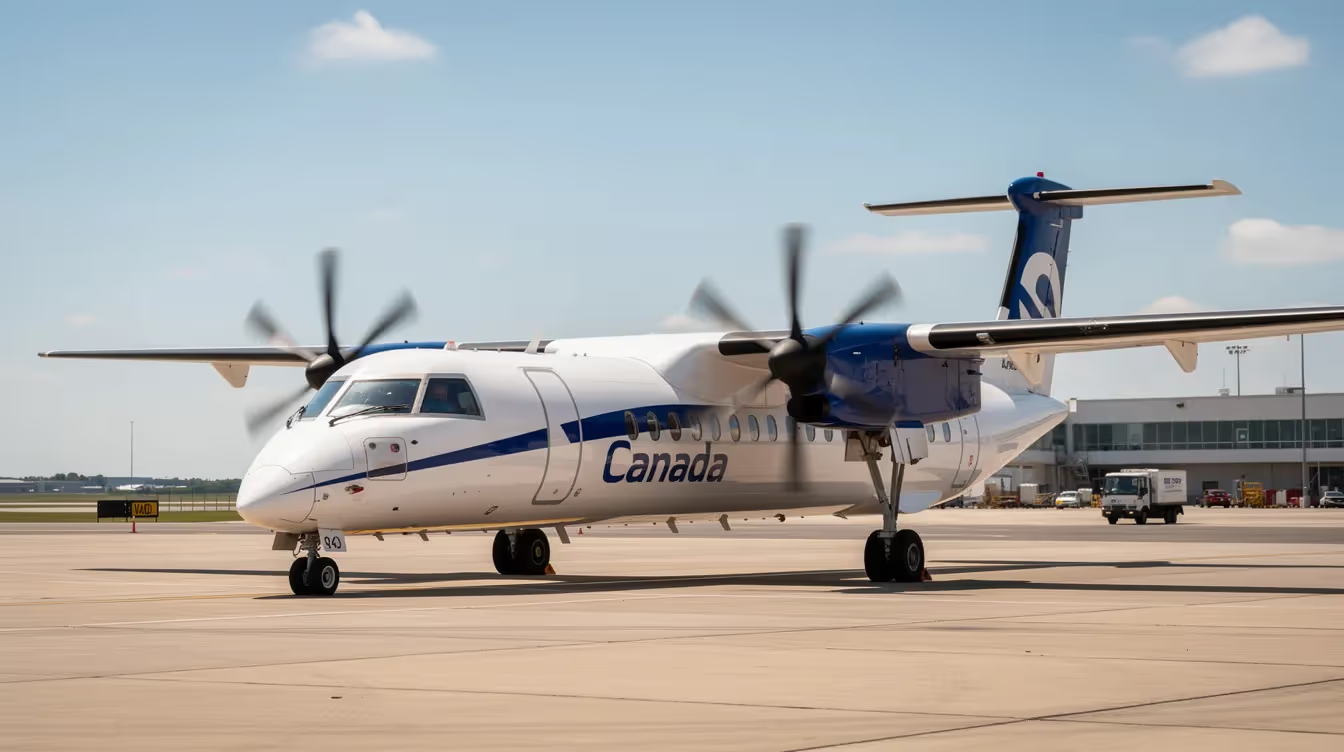
Dash 8-200: Guide to the De Havilland Canada Regional Turboprop
The Dash 8-200 is a twin-engine regional turboprop airliner that seats 37-39 passengers and is designed for short-haul routes, offering improved performance and fuel efficiency compared to its predecessor, the Dash 8-100. With a maximum range of 1,125 nautical miles and the ability to operate from short runways, it is particularly suited for regional airlines and charter operators in remote areas. The aircraft's operational reliability, low operating costs, and flexible cabin configurations make it a popular choice for various missions, including corporate shuttles and emergency transport. Jettly provides charter options for the Dash 8-200, allowing travelers to customize their flight experience with tailored services and competitive pricing.
Read More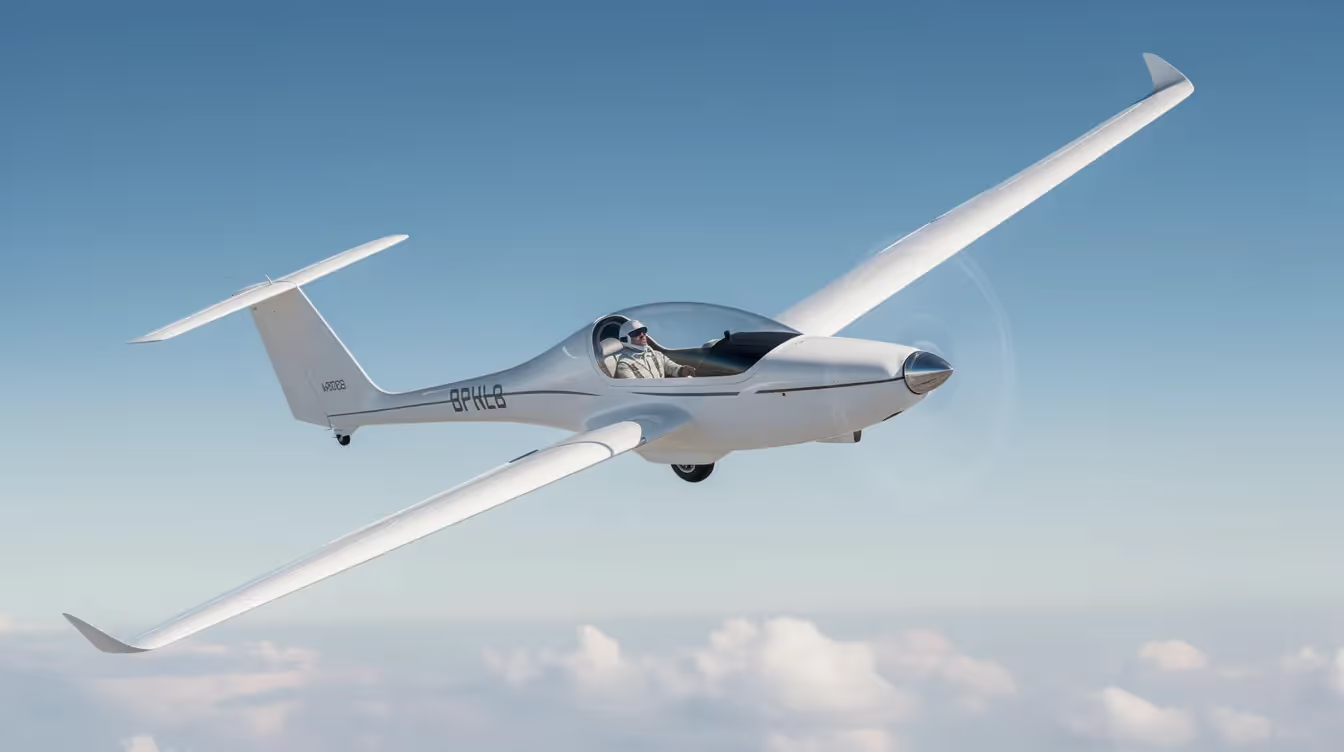
5
min read
Powered Sailplane: A Modern Guide to Motor Gliders, Performance and Private Travel
Powered sailplanes, or motor gliders, combine the aerodynamic efficiency of traditional gliders with onboard propulsion systems, allowing for self-launching and extended flights. They are categorized into sustainer, self-launching, and touring motor gliders, each offering unique performance characteristics and operational flexibility. While powered sailplanes excel in sport and recreational aviation, providing pilots with enhanced safety and independence, they are not as practical for time-sensitive travel compared to private jet charters, which offer speed and comfort. As electric and hybrid technologies advance, powered sailplanes are likely to influence broader trends in private aviation toward lower emissions and improved efficiency.
Read MoreJoin our community and receive the latest blog updates directly in your inbox.
MEMBERSHIPS AND ASSOCIATIONS



© 2026 Jettly Inc. All rights reserved.
Disclaimer: Jettly operates as a charter broker, offering access to a global digital jet charter marketplace. Jettly is not a direct air carrier and does not own or operate aircraft. All advertised flights are conducted by third-party air carriers that are fully licensed and hold the appropriate Part 135 or Part 121 certifications issued by the Federal Aviation Administration (FAA) or equivalent regulatory authorities under U.S. or foreign law. Jettly complies fully with the U.S. Department of Transportation's Part 295 and Part 298 Charter Broker regulations. Jettly does not carry additional liability insurance. Passengers are covered by aircraft operator insurance. TICO: 50023770


