


Login
Get Instant Pricing On 23,000+ Aircraft

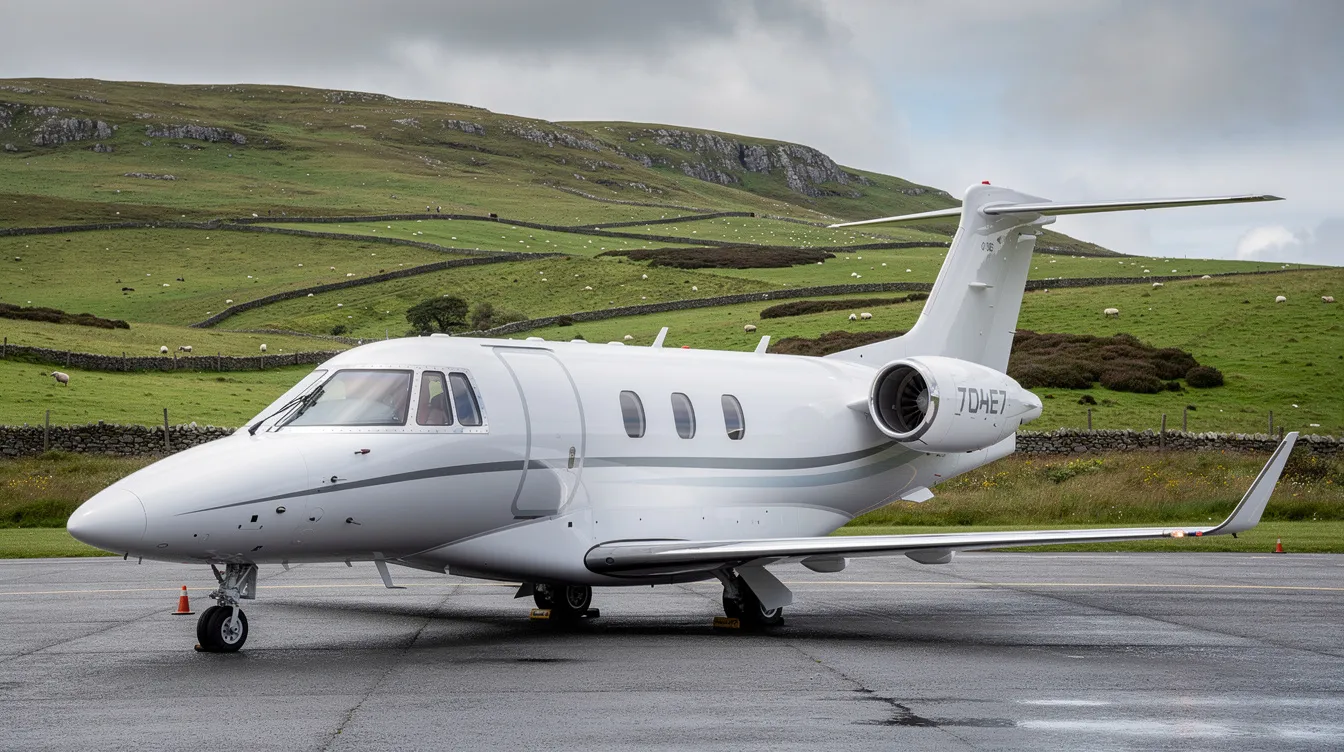
Chartering a private jet to Edinburgh offers unparalleled convenience and efficiency for business travelers, golf enthusiasts, and festival-goers. With quick access to the city and tailored services, private aviation enhances the travel experience significantly. Jettly provides a seamless platform for booking a wide range of aircraft to suit any itinerary.
Jeff Ryan Serevilla
Sep 22, 2026
|
5
min read


View all
Travelers heading to Key West have three main airport options: Key West International Airport (EYW), Miami International Airport (MIA), and Fort Lauderdale–Hollywood International Airport (FLL). Each choice offers unique benefits, from convenience and direct access to scenic drives and budget-friendly fares. Private jet charters through Jettly provide additional flexibility for those seeking a tailored travel experience.
Jay Franco Serevilla
Sep 12, 2026
|
5
min read

View all
Key West International Airport (EYW) offers a variety of travel options with seven commercial airlines and numerous private jet services. Major carriers like American Airlines and Delta provide direct flights to key destinations, while Jettly facilitates private charters for flexible travel. This guide helps travelers navigate their flying options from Key West, ensuring a tailored experience for both leisure and business trips.
Jay Franco Serevilla
Sep 12, 2026
|
5
min read

View all
Traveling from Miami to New York typically takes about 3 hours in the air for commercial flights, but the total journey can extend to 6-8 hours. Private jet charters can significantly reduce this time to around 4-5 hours by minimizing airport delays. This guide provides insights into flight durations, airport choices, and tips for booking both commercial and private flights.
Jay Franco Serevilla
Sep 12, 2026
|
5
min read

View all
New York City offers some of the shortest nonstop flights, typically ranging from 40 minutes to 1 hour 15 minutes. Popular destinations include Philadelphia, Boston, and Washington, D.C., making these routes ideal for both business and leisure travelers. Understanding the quickest flight options can significantly enhance travel efficiency for those in the bustling NYC area.
Jay Franco Serevilla
Sep 11, 2026
|
5
min read

View all
The private aviation landscape is evolving with platforms like Airble and Jettly, which streamline the booking process for travelers. Airble focuses on regional flights in Canada, offering unique experiences and cost-saving options, while Jettly provides global access to a vast fleet of aircraft. This article compares their models to help you choose the best option for your next private flight.
Jay Franco Serevilla
Sep 11, 2026
|
5
min read
View all
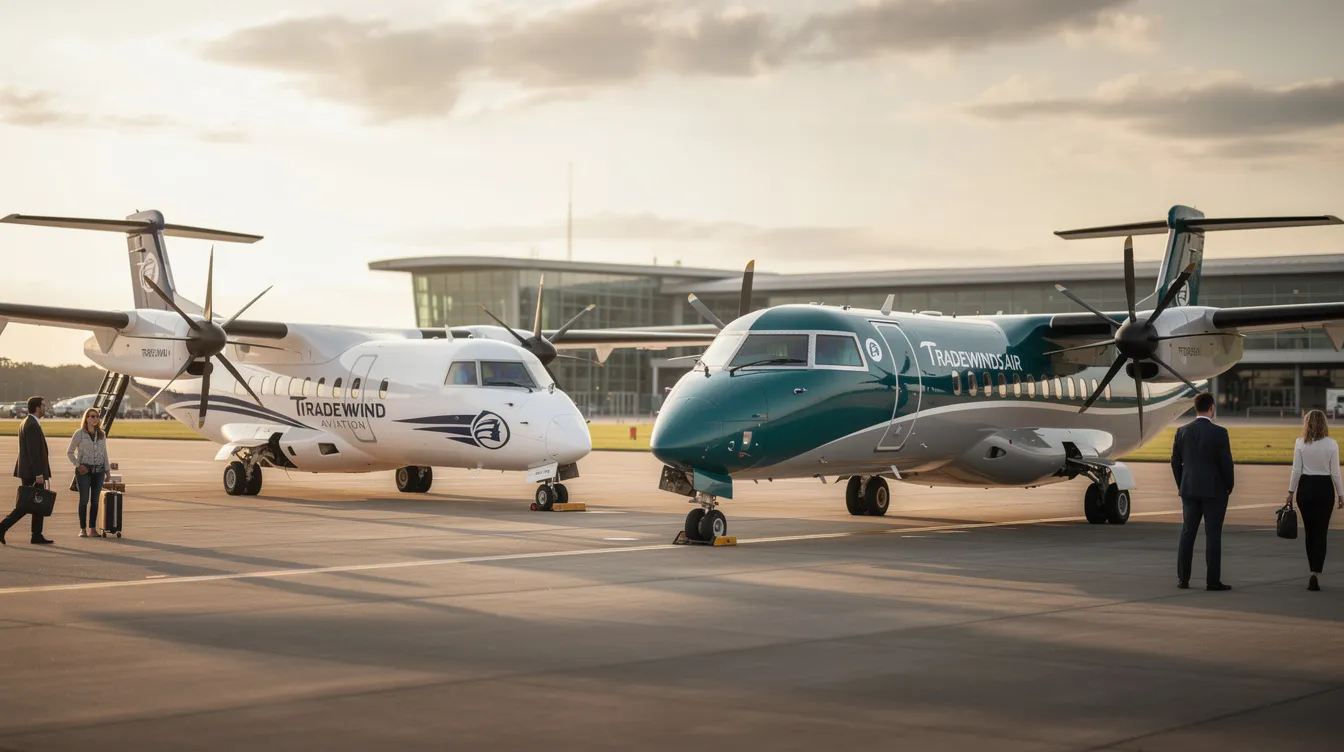
Tradewind Aviation, often referred to as 'Tradewinds Air,' is a premier provider of private charter and scheduled flights across North America and the Caribbean. This guide compares Tradewind's offerings with Jettly's digital charter platform, highlighting the convenience and flexibility of personal air travel options available to both leisure and business travelers.
Jay Franco Serevilla
Sep 11, 2026
|
5
min read
Explore our latest articles and updates.
5
min read
Flight Price Estimator: How to Predict and Control Private Jet Costs with Jettly
Flight price estimators are essential tools for travelers and corporate planners, allowing them to predict and manage private jet costs effectively. Jettly's platform provides real-time pricing based on current market conditions, factoring in variables like fuel prices, aircraft availability, and demand, making it invaluable in today's volatile travel landscape. Understanding how these estimators work helps users avoid unexpected costs and optimize their travel budgets, especially as prices fluctuate due to factors like seasonality and route popularity. By utilizing Jettly's instant quotes and transparent cost breakdowns, travelers can make informed decisions about their private jet charter options.
Read More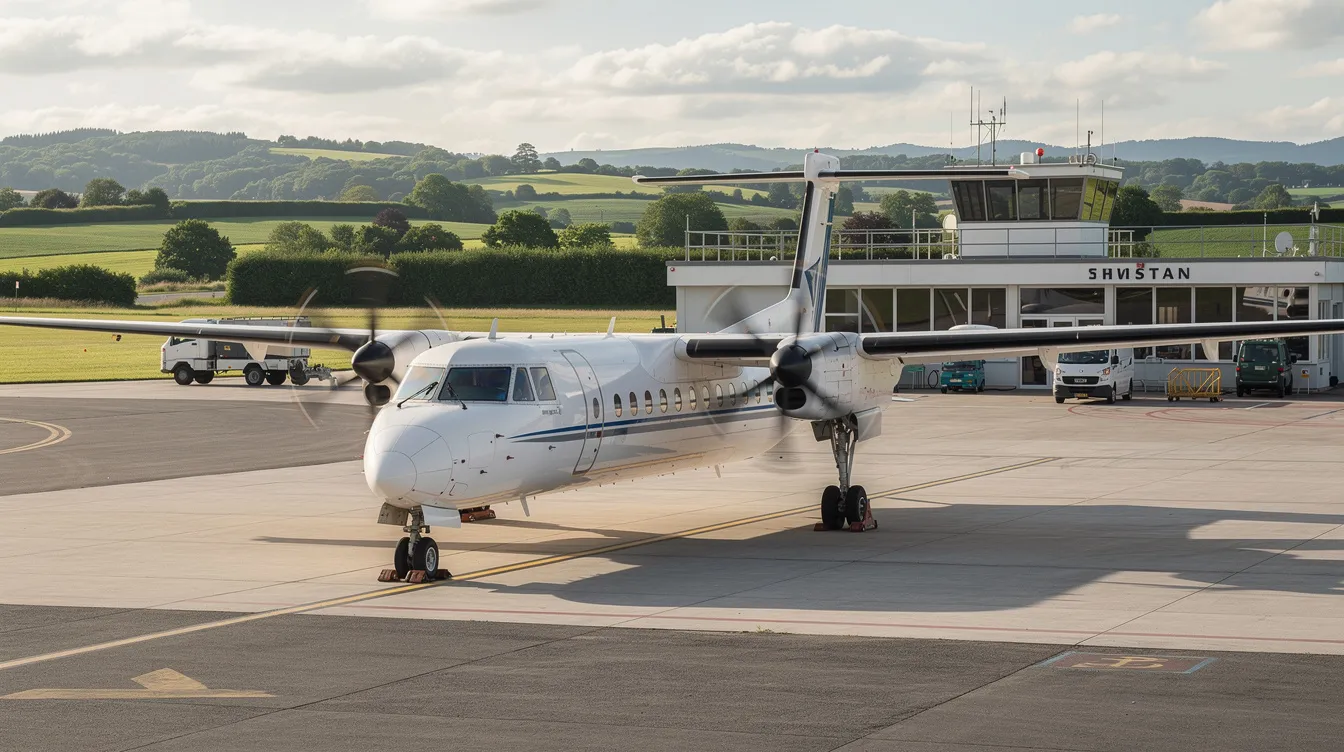
5
min read
Saab 340 Turboprop Guide for Charter Travelers
The Saab 340 is a twin-engine turboprop regional airliner that accommodates 30 to 36 passengers, making it ideal for corporate shuttles, group charters, and cargo transport on short to medium routes. Despite production ending in 1999, many Saab 340s remain in service, benefiting from a robust design and modern upgrades, including active noise control features. Chartering a Saab 340 through Jettly offers travelers access to smaller airports, efficient booking, and competitive pricing, making it a practical choice for various travel needs. Overall, the Saab 340 combines capacity, performance, and cost-effectiveness, appealing to those seeking reliable regional air travel solutions.
Read MoreJoin our community and receive the latest blog updates directly in your inbox.
MEMBERSHIPS AND ASSOCIATIONS



Disclaimer: Jettly operates as a charter broker, offering access to a global digital jet charter marketplace. Jettly is not a direct air carrier and does not own or operate aircraft. All advertised flights are conducted by third-party air carriers that are fully licensed and hold the appropriate Part 135 or Part 121 certifications issued by the Federal Aviation Administration (FAA) or equivalent regulatory authorities under U.S. or foreign law. Jettly complies fully with the U.S. Department of Transportation's Part 295 and Part 298 Charter Broker regulations. Jettly does not carry additional liability insurance. Passengers are covered by aircraft operator insurance. TICO: 50023770


