


Login
Get Instant Pricing On 23,000+ Aircraft

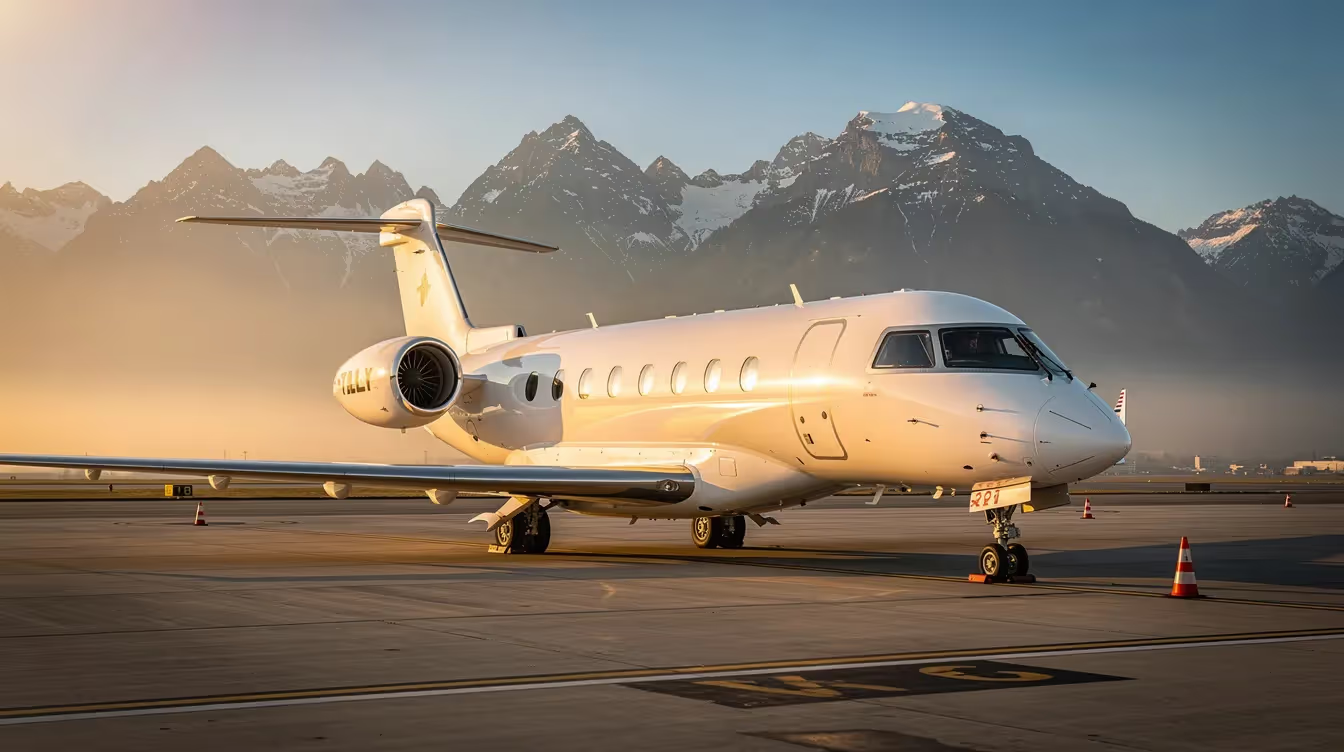
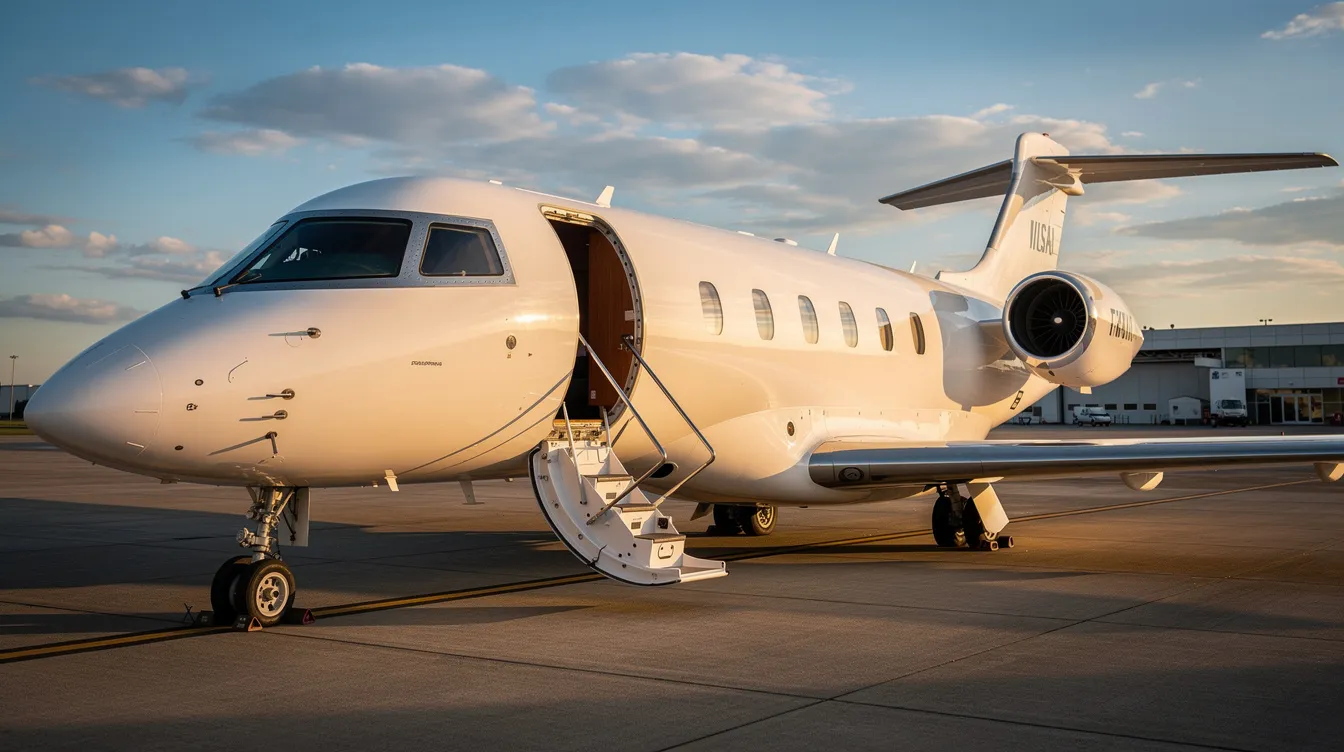
The Bombardier Challenger 604 is a heavy private jet known for its long-range capabilities and spacious cabin, accommodating up to 19 passengers, making it ideal for business and family travel. With a range of 3,700–4,000 nautical miles, it is suitable for transcontinental flights and has been a popular choice in private aviation since its introduction in 1995, with over 360 units delivered. Travelers can access this aircraft through Jettly’s charter platform, which offers flexible booking options without the need for ownership or long-term commitments. The Challenger 604 combines performance, comfort, and reliability, making it a strong contender in the large-cabin charter market.
Jay Franco Serevilla
Apr 18, 2026
|
5
min read


View all
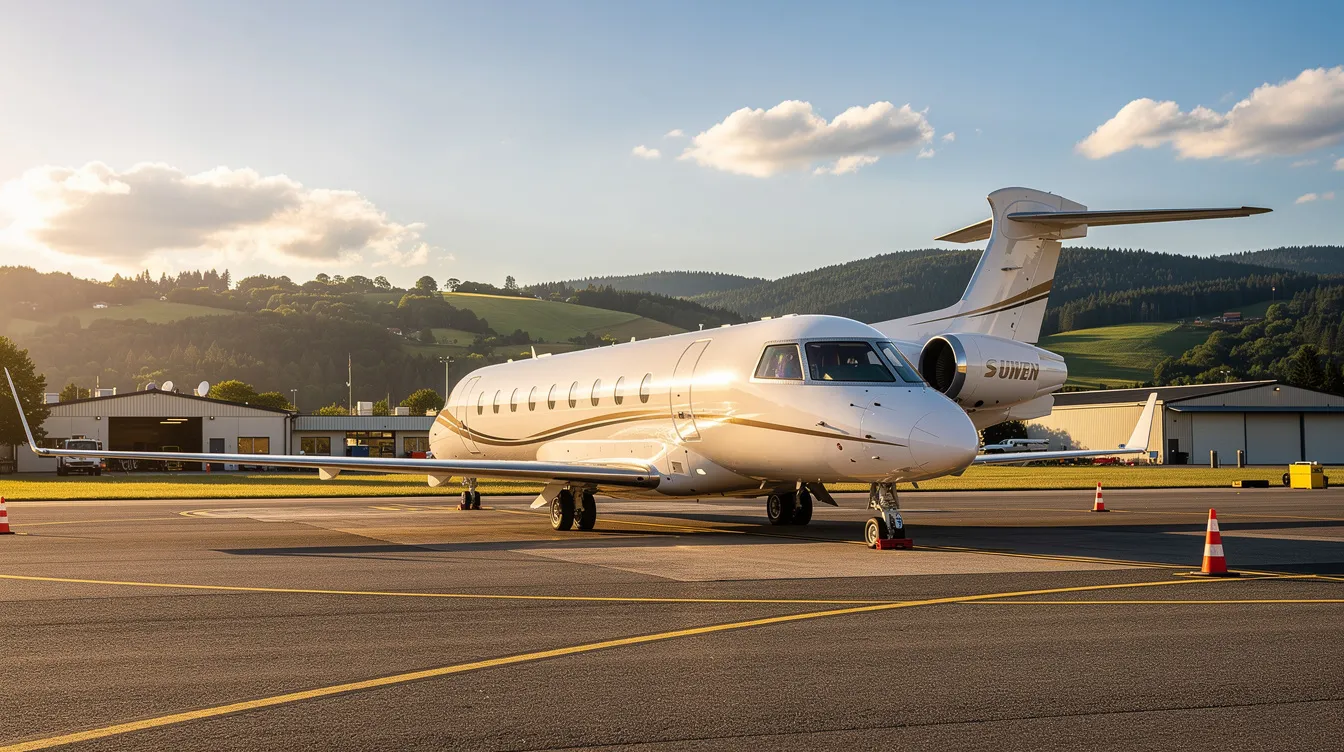
Many travelers seeking private flights often search for 'latitude airlines,' a term that encompasses various private aviation options. Jettly simplifies the booking process by connecting users to over 20,000 aircraft worldwide, offering flexible scheduling and transparent pricing. This guide explains how Jettly serves as a digital marketplace for private jet charters, catering to both business and leisure travelers.
Jay Franco Serevilla
Sep 7, 2026
|
5
min read

View all
Cincinnati Municipal Lunken Airport (LUK) offers a convenient private charter service for travelers seeking quick access to downtown Cincinnati. Jettly connects clients to a wide range of aircraft options, ensuring a seamless booking experience with transparent pricing. With amenities designed for comfort and efficiency, Lunken Airport is the ideal choice for both business and leisure flights.
Jay Franco Serevilla
Sep 7, 2026
|
5
min read
View all
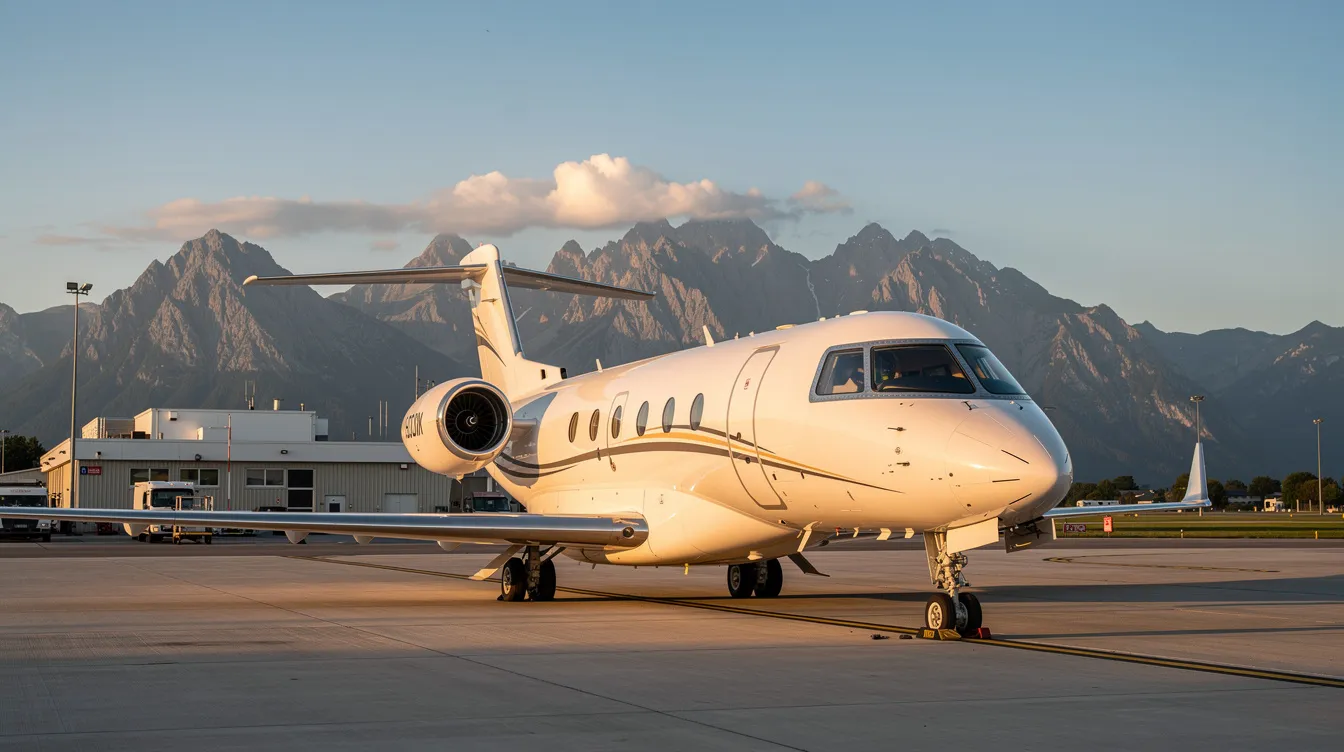
Jettly revolutionizes private charter flights by offering travelers the flexibility to choose their schedule, aircraft, and route. With access to over 20,000 certified aircraft worldwide, Jettly ensures transparent pricing and no long-term commitments. This guide explores the benefits of charter flights, including cost-saving options like empty leg flights and the convenience of booking through a digital platform.
Jay Franco Serevilla
Sep 7, 2026
|
5
min read
View all
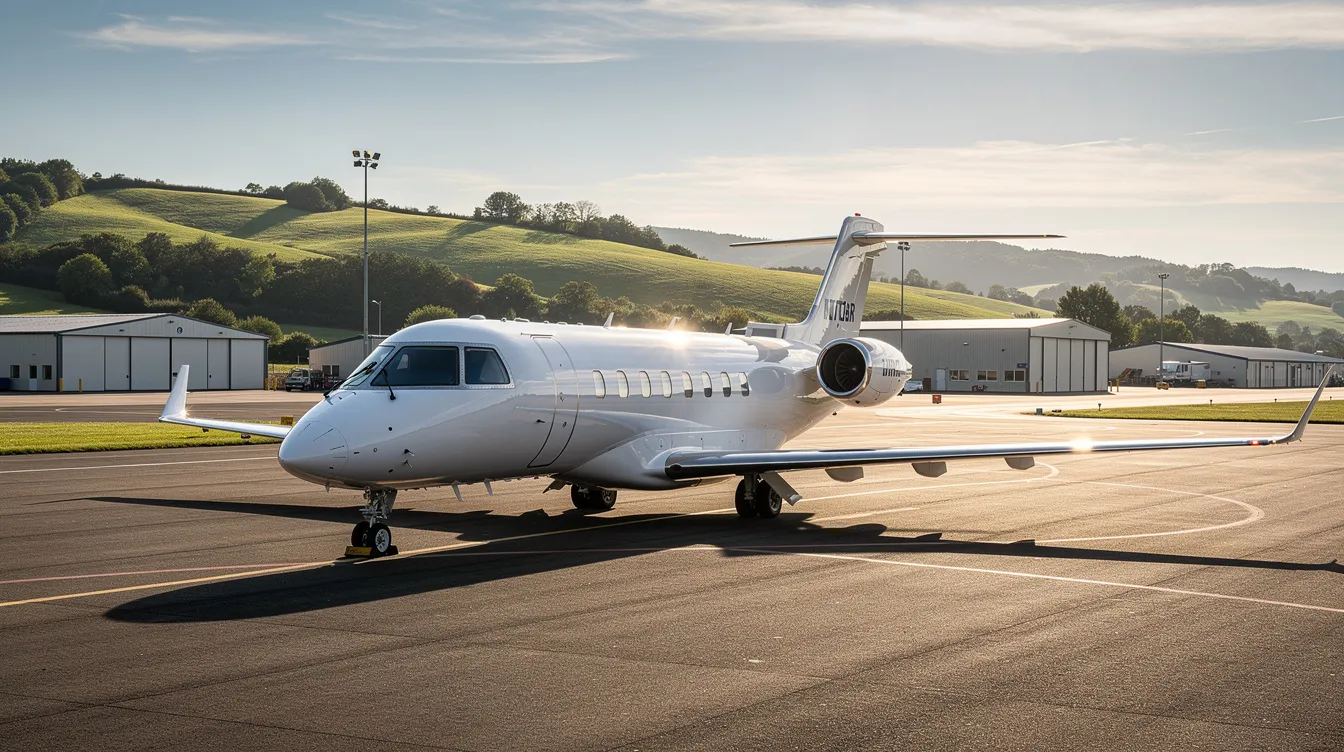
Jettly is a digital charter marketplace that connects travelers with over 20,000 private jets worldwide, offering flexibility and convenience without ownership commitments. This guide explores how charter companies operate, the benefits of private jet travel, and how Jettly reshapes the industry with instant pricing and transparent services.
Jay Franco Serevilla
Sep 7, 2026
|
5
min read
View all
Airline charters provide travelers with the flexibility to choose their departure times, destinations, and aircraft, making them ideal for business and leisure travel. Jettly's platform connects users to over 20,000 aircraft globally, simplifying the booking process with instant pricing and no long-term commitments. This guide explores how private charter flights work and the advantages they offer over traditional scheduled flights.
Jay Franco Serevilla
Sep 7, 2026
|
5
min read

View all
Traveling from Ontario, CA to Carson, CA offers various options, including driving, public transit, and private aviation. While driving is the most common method, private jets can significantly reduce travel time when combined with ground transfers. This guide provides insights into travel times, costs, and the best airports for a seamless journey.
Jay Franco Serevilla
Sep 7, 2026
|
5
min read
Explore our latest articles and updates.
5
min read
How Fast Does a Single-Engine Plane Fly? (Real Speeds, Examples, and When Faster Makes Sense)
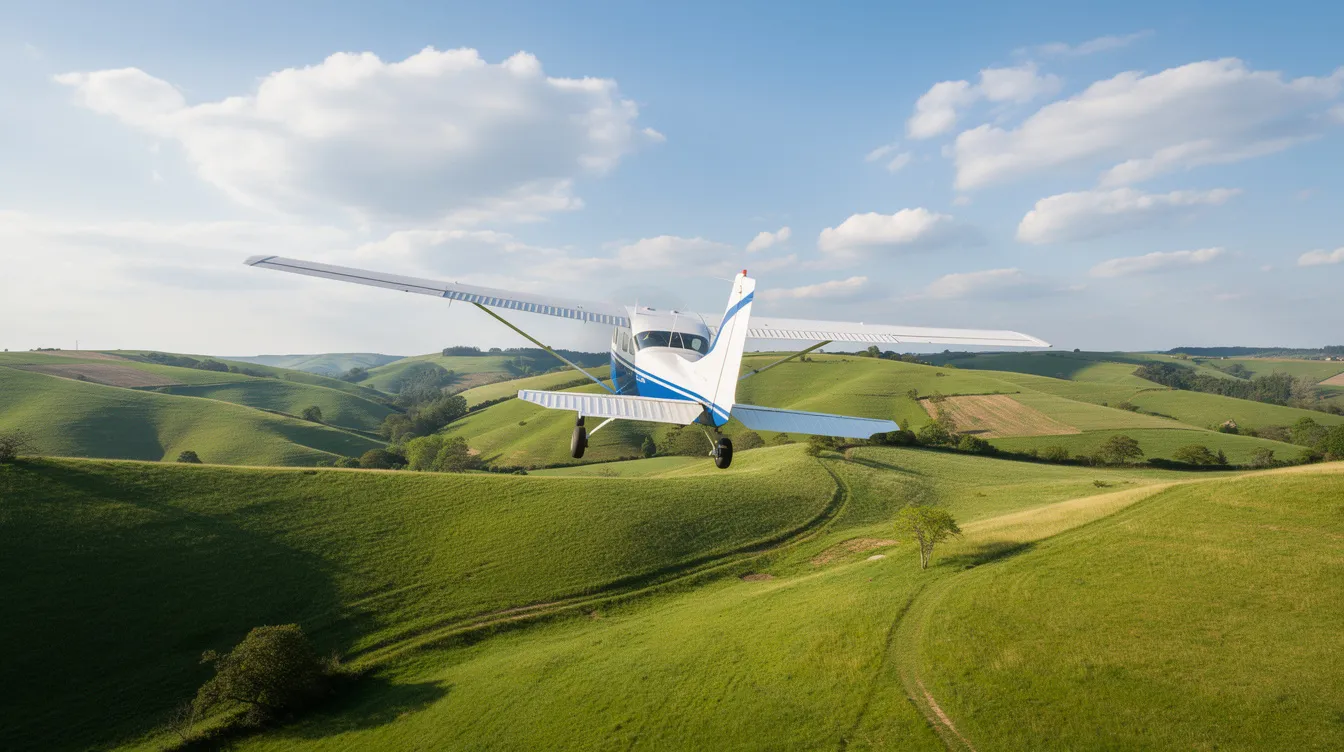
Single-engine planes typically cruise between 110 and 180 knots, with high-performance models exceeding 200 knots. Factors like aircraft type, altitude, and weight significantly influence actual speeds. Understanding cruise speed is crucial for effective trip planning and can often rival commercial airliners in total travel time.
Read More5
min read
How Fast Does a Single-Engine Plane Fly? (Real Speeds, Examples, and When Faster Makes Sense)
Single-engine planes typically cruise between 110 and 180 knots, with high-performance models exceeding 200 knots. Factors like aircraft type, altitude, and weight significantly influence actual speeds. Understanding cruise speed is crucial for effective trip planning and can often rival commercial airliners in total travel time.
Read MoreJoin our community and receive the latest blog updates directly in your inbox.
MEMBERSHIPS AND ASSOCIATIONS



Disclaimer: Jettly operates as a charter broker, offering access to a global digital jet charter marketplace. Jettly is not a direct air carrier and does not own or operate aircraft. All advertised flights are conducted by third-party air carriers that are fully licensed and hold the appropriate Part 135 or Part 121 certifications issued by the Federal Aviation Administration (FAA) or equivalent regulatory authorities under U.S. or foreign law. Jettly complies fully with the U.S. Department of Transportation's Part 295 and Part 298 Charter Broker regulations. Jettly does not carry additional liability insurance. Passengers are covered by aircraft operator insurance. TICO: 50023770


