


Login
Get Instant Pricing On 23,000+ Aircraft


Flying private in 2026 is more accessible and efficient than ever before. This comprehensive guide covers everything from booking your first charter flight to understanding pricing and aircraft types, making private aviation a practical choice for both business and leisure travelers. Discover how to navigate the world of private jets and make informed decisions for your travel needs.
Jay Franco Serevilla
Sep 21, 2026
|
5
min read



View all
This article outlines the advantages of private jet travel for both business and leisure travelers, emphasizing unmatched flexibility, privacy, and a tailored experience. Private jet charters allow travelers to control their schedules, access more airports, and enjoy a quieter, more comfortable cabin environment compared to commercial flights. Key benefits include significant time savings, reduced travel stress, and the ability to conduct confidential meetings in a private setting. Platforms like Jettly facilitate easy access to private jet services without the need for ownership, offering various charter and membership options to suit different budgets and travel needs.
Jay Franco Serevilla
Apr 13, 2026
|
5
min read

View all
When chartering a private jet with Jettly, travelers can expect a range of customizable amenities that enhance comfort, productivity, and convenience, including high-speed Wi-Fi, gourmet catering, and spacious cabins with sleeping arrangements. The specific features available depend on the aircraft size, with smaller jets focusing on essentials and larger jets offering more luxurious options like private bedrooms and showers. Jettly's platform allows users to filter jets based on their specific needs, ensuring they select an aircraft that meets their requirements. Additionally, ground services such as private terminals and concierge support further streamline the travel experience, making private aviation a more efficient and enjoyable alternative to commercial flights.
Jay Franco Serevilla
Apr 13, 2026
|
5
min read

View all
In 2026, travelers are increasingly considering private jets over commercial flights due to rising delays and a demand for flexibility, with the private jet charter market projected to reach $35 billion. Key factors influencing the decision include time, cost, comfort, privacy, and flexibility, with private jets offering significant time savings and a more personalized experience, especially for groups of 4-8 where costs can rival business-class fares. While commercial flights remain more affordable per seat, private aviation provides advantages such as access to smaller airports, reduced security hassles, and the ability to customize itineraries. Ultimately, the choice between private and commercial travel depends on individual priorities, including budget, travel style, and specific trip requirements.
Jay Franco Serevilla
Apr 13, 2026
|
5
min read
View all
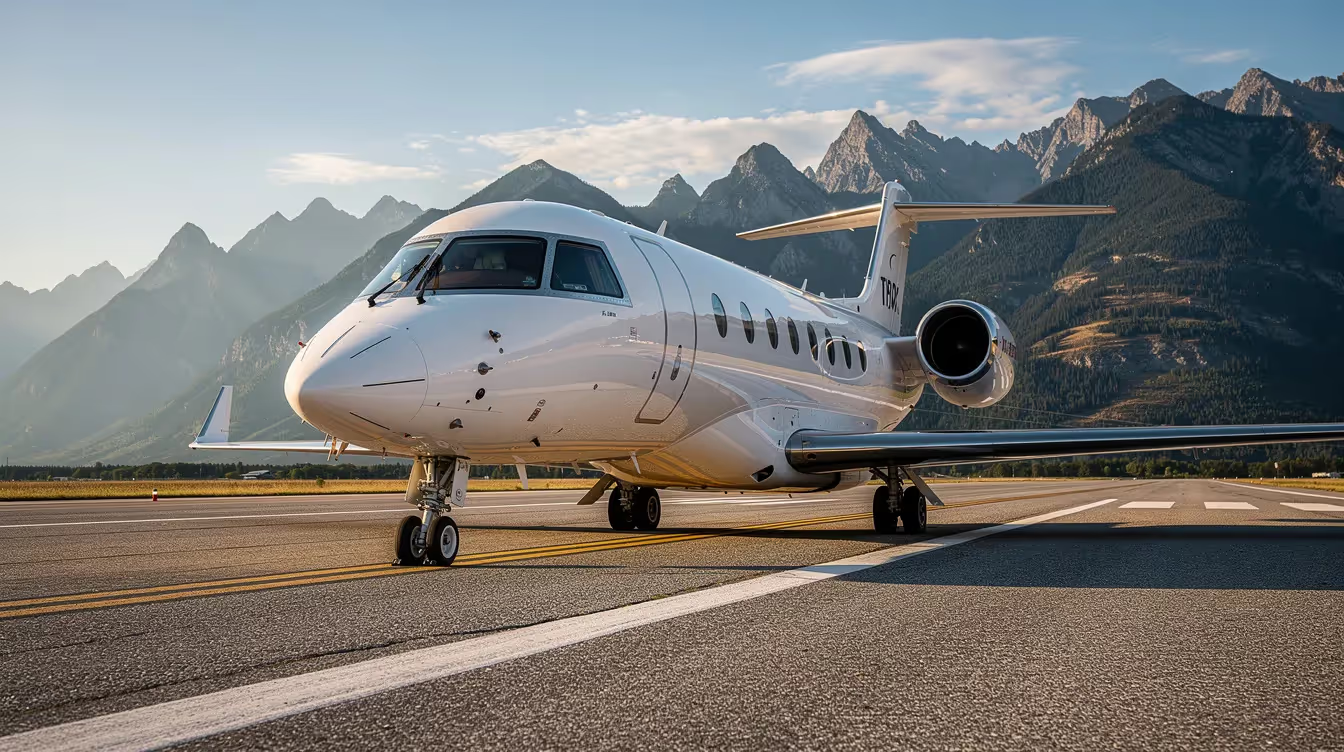
Understanding the various types of jet engines—such as turbojets, turbofans, turboprops, and turboshafts—is crucial for private jet travelers to make informed decisions about aircraft selection. Most modern private jets utilize high-bypass turbofan engines, which offer the best combination of fuel efficiency, range, and cabin comfort, while turboprops are ideal for shorter flights and smaller airports. Each engine type serves specific missions, with turbofans favored for commercial and business aviation, and turboprops for regional routes. By recognizing these distinctions, travelers can better evaluate their options and optimize their travel experience through platforms like Jettly.
Jay Franco Serevilla
Apr 13, 2026
|
5
min read

View all
This guide outlines the range capabilities of various private jets, emphasizing the importance of understanding these ranges for efficient travel planning. Private jet range is affected by factors such as payload, weather, and routing, with real-world ranges typically 5-20% lower than manufacturer claims. Different classes of jets offer varying ranges, from very light jets covering 1,000-1,500 nautical miles to heavy jets reaching 4,000-7,700+ nautical miles. Jettly's digital platform simplifies the selection process by matching travelers with suitable aircraft based on their specific route and passenger needs.
Jay Franco Serevilla
Apr 13, 2026
|
5
min read
View all
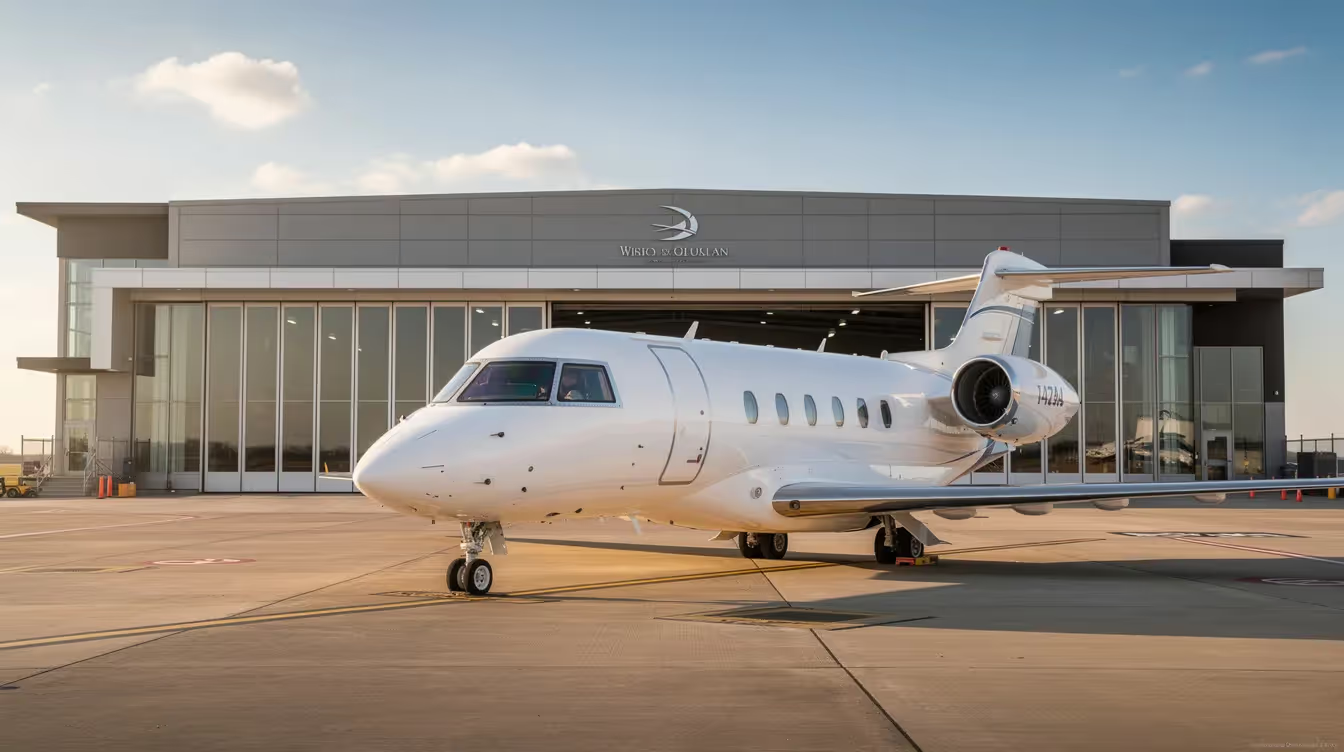
The operating cost of a private jet includes all ongoing expenses necessary to keep the aircraft flight-ready, separate from the initial purchase price, which can range from $2 million to over $90 million. Annual operating costs vary significantly by aircraft type, with very light jets costing around $500,000–$1 million and larger jets reaching $2–4 million+, heavily influenced by fuel expenses, which account for 25–35% of total costs. For travelers flying fewer than 200–300 hours annually, on-demand charter services like Jettly are often more cost-effective than ownership, as they eliminate fixed costs associated with crew, hangar fees, and insurance. Jettly provides access to over 20,000 aircraft worldwide, allowing users to pay only for the flights they take, simplifying budgeting and reducing the financial burden of private jet ownership.
Jay Franco Serevilla
Apr 13, 2026
|
5
min read
Explore our latest articles and updates.

5
min read
What Can You Do with a Private Pilot License?
A Private Pilot License (PPL) allows holders to fly single-engine and some multi-engine aircraft for personal and business travel, carry passengers, and operate under Visual Flight Rules (VFR) in good weather. While pilots cannot fly for compensation, they can share operating expenses with passengers and enjoy various flying experiences, including scenic flights, cross-country trips, and volunteer missions. The PPL serves as a foundation for further aviation training, such as obtaining an instrument rating or a commercial pilot license. Additionally, many pilots complement their flying with private jet charters for longer or more complex trips, enhancing their travel flexibility.
Read More
5
min read
Deadhead Pilot: What It Means, How It Works, and Why Airlines Use It
In aviation, a "deadhead pilot" refers to a crew member traveling as a passenger to reposition for a work assignment, a practice that applies to both pilots and flight attendants. Deadheading is a paid duty status, distinct from unpaid commuting, and is essential for maintaining operational coverage after disruptions or irregular schedules. Airlines may utilize deadheading on their own flights or through agreements with other carriers, while private aviation platforms like Jettly optimize similar repositioning flights to enhance cost efficiency for travelers. Understanding deadheading is crucial for appreciating the complexities of crew scheduling and the benefits of flexible private air travel.
Read MoreJoin our community and receive the latest blog updates directly in your inbox.
MEMBERSHIPS AND ASSOCIATIONS



Disclaimer: Jettly operates as a charter broker, offering access to a global digital jet charter marketplace. Jettly is not a direct air carrier and does not own or operate aircraft. All advertised flights are conducted by third-party air carriers that are fully licensed and hold the appropriate Part 135 or Part 121 certifications issued by the Federal Aviation Administration (FAA) or equivalent regulatory authorities under U.S. or foreign law. Jettly complies fully with the U.S. Department of Transportation's Part 295 and Part 298 Charter Broker regulations. Jettly does not carry additional liability insurance. Passengers are covered by aircraft operator insurance. TICO: 50023770


