


Login
Get Instant Pricing On 23,000+ Aircraft


Empty planes, or flights operating with few or no passengers, are common in aviation due to regulatory requirements, aircraft repositioning, and maintenance needs. Airlines often operate these flights to retain valuable airport slots, while private jet operators create "empty legs" that can be booked at discounted rates. Although ghost flights contribute to significant CO₂ emissions, platforms like Jettly help travelers take advantage of empty legs, improving efficiency and reducing waste. Understanding the dynamics of empty flights can enhance travel experiences and offer unique opportunities for passengers.
Jay Franco Serevilla
Apr 18, 2026
|
5
min read


View all
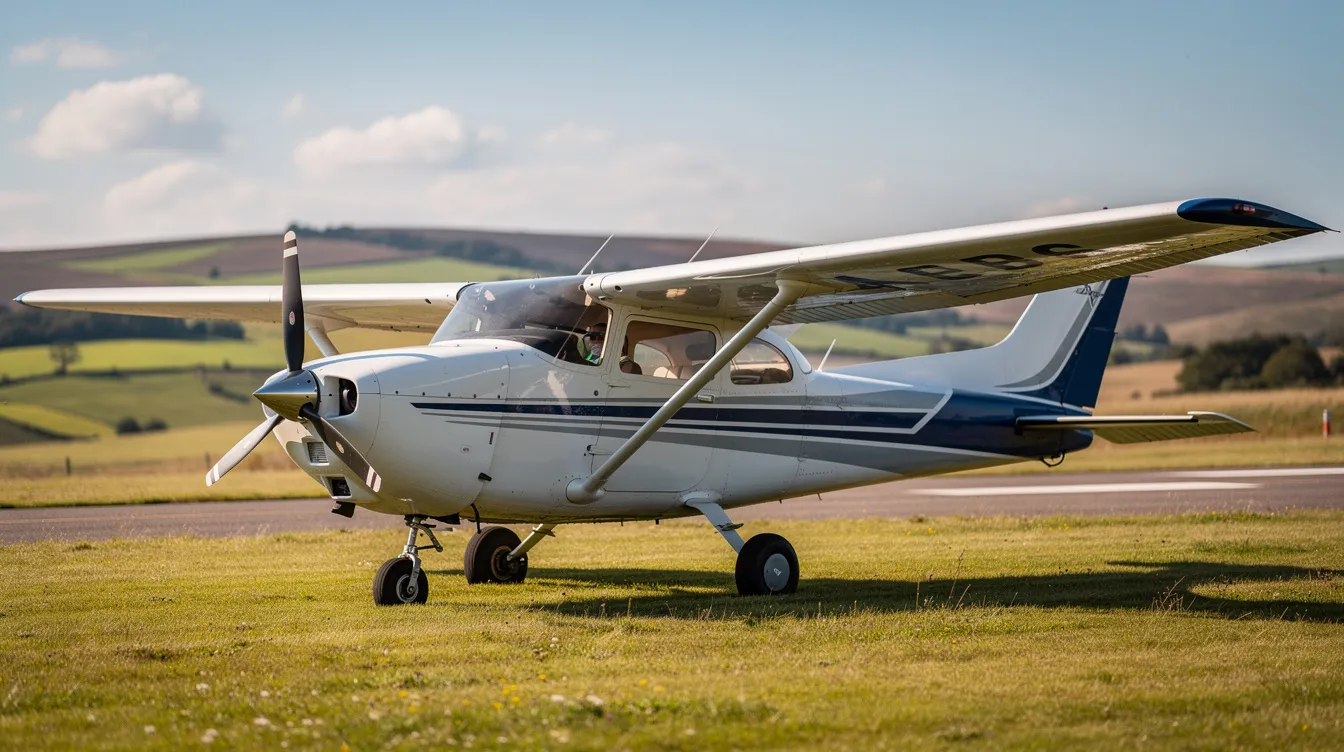
The Cessna 172, powered by reliable Lycoming and Continental engines, has become the most popular training aircraft in history. Its efficient design and manageable performance make it ideal for flight schools and private owners. Understanding its engine variants, fuel systems, and maintenance needs is crucial for pilots and aviation enthusiasts alike.
Jay Franco Serevilla
Aug 13, 2026
|
5
min read

View all
The Cessna 206 and 207 are rugged utility aircraft designed for different missions. The 206 excels in short-field performance and versatility for personal use, while the 207 is optimized for heavier loads and larger groups. Understanding their differences in capacity, performance, and operational costs is crucial for selecting the right aircraft for your needs.
Jay Franco Serevilla
Aug 13, 2026
|
5
min read

View all
The Cessna 172 Skyhawk, a staple in aviation, has a service ceiling of 13,500 to 14,000 feet, with some variants reaching up to 15,000 feet. While it excels in flight training and short trips, factors like weight and weather can limit its altitude performance. For higher, faster travel, private jets are a more suitable option.
Jay Franco Serevilla
Aug 13, 2026
|
5
min read
View all
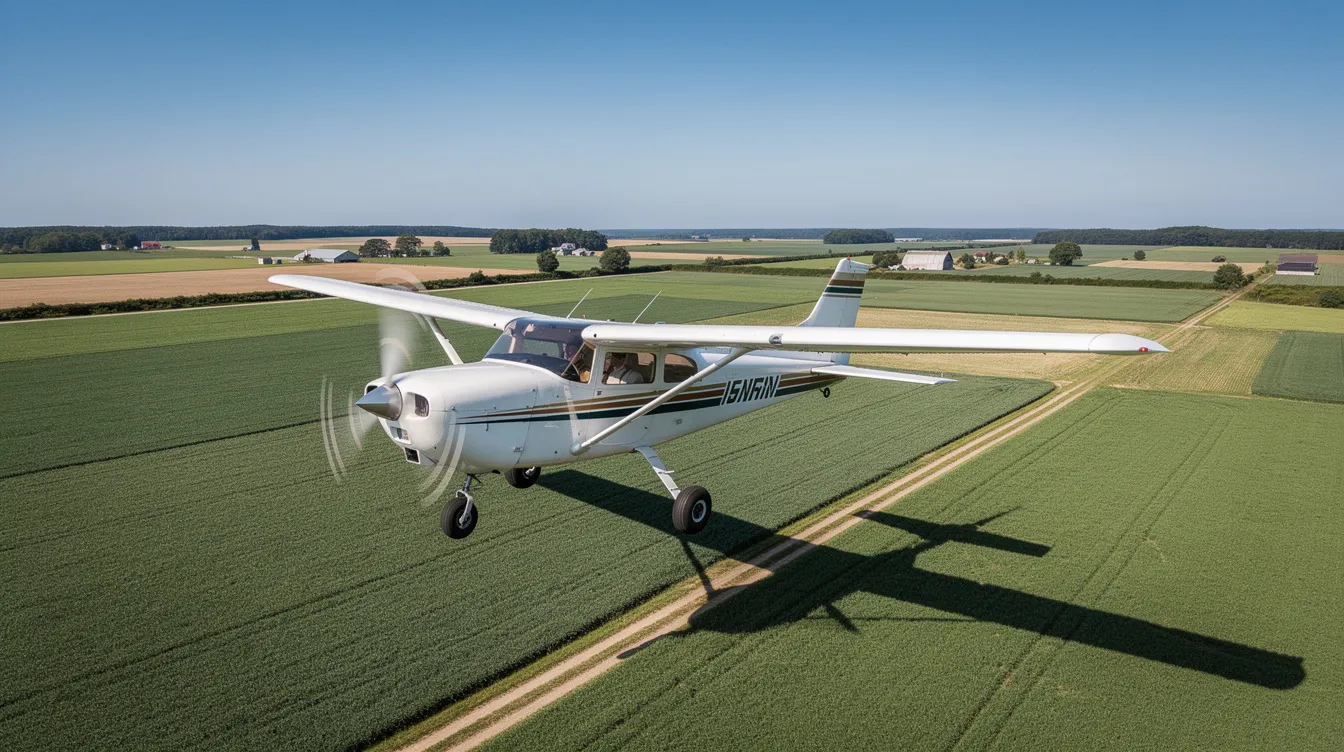
Cessna single-engine aircraft, particularly the Cessna 172 Skyhawk, are essential in pilot training and personal flying due to their affordability and stability. This guide explores their history, key models, ownership costs, and how they integrate with private charter services like Jettly for longer trips. Understanding these aircraft helps pilots and enthusiasts make informed decisions about training and travel.
Jay Franco Serevilla
Aug 13, 2026
|
5
min read
View all
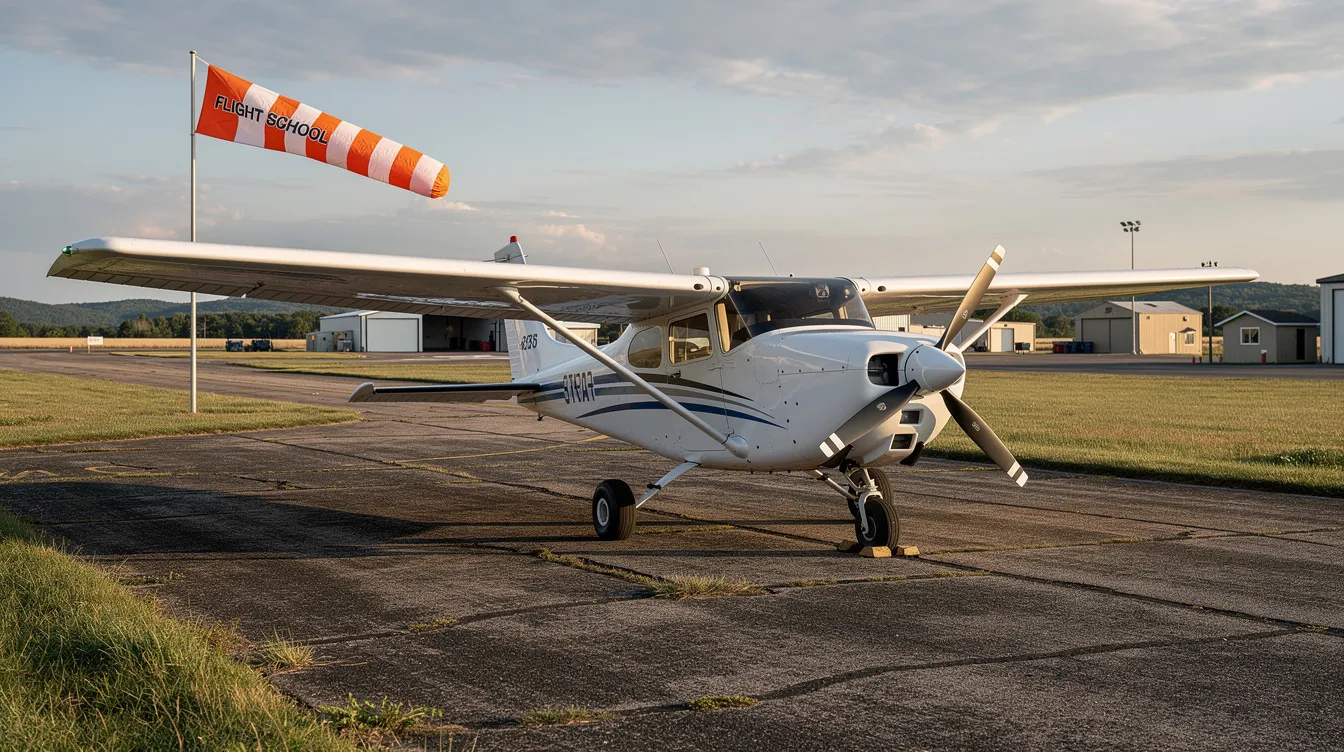
Choosing between the Cessna 152 and Cessna 172 is crucial for student pilots. This guide outlines their key differences, including cost, performance, and comfort, helping you make an informed decision based on your training needs and budget.
Jay Franco Serevilla
Aug 12, 2026
|
5
min read
View all
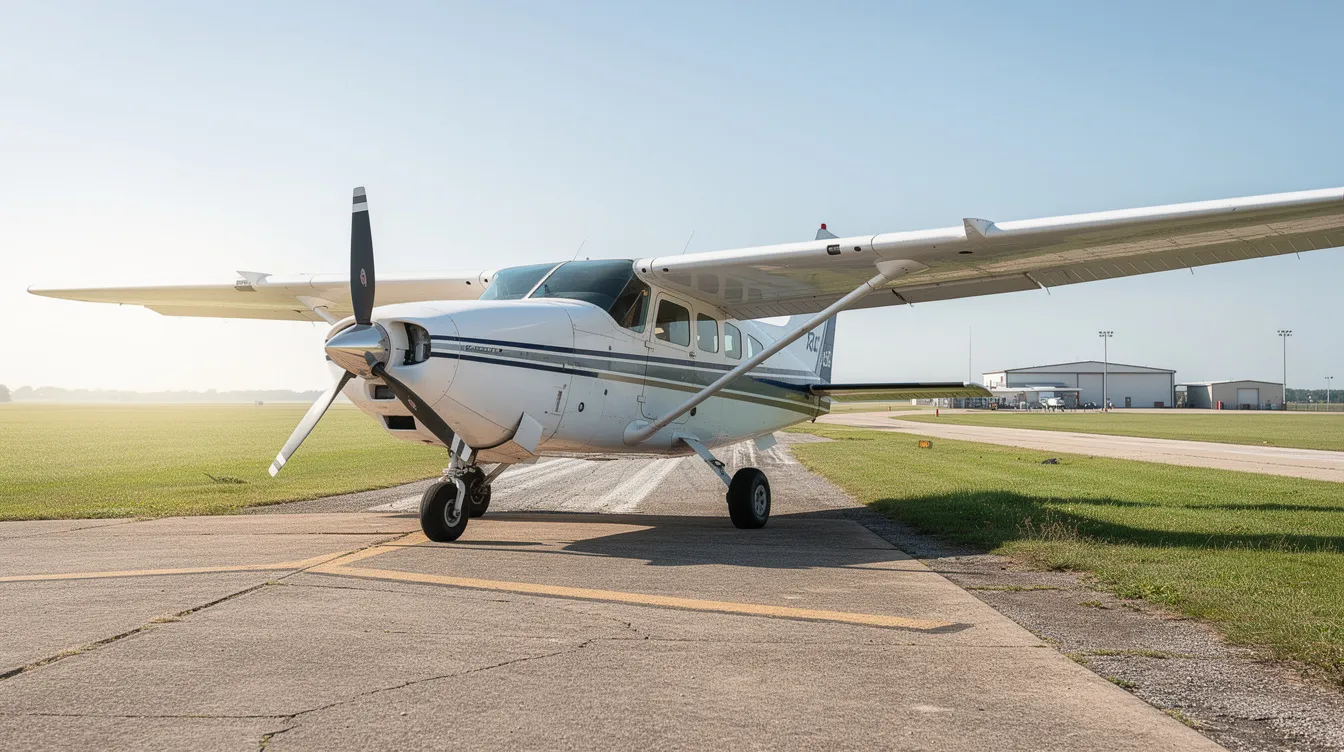
Cessna twin-engine aircraft have significantly influenced private aviation since the 1950s, offering models like the 310, 340A, and 421C that combine performance and safety. These versatile planes are ideal for charter, training, and personal use, providing enhanced operational flexibility and engine redundancy. This guide helps pilots and aviation enthusiasts understand the advantages and operational considerations of Cessna twin-engine aircraft.
Jay Franco Serevilla
Aug 12, 2026
|
5
min read
Explore our latest articles and updates.

5
min read
Nairobi to Isiolo: Travel Options, Driving Distance, and Private Jet Charter
Traveling from Nairobi to Isiolo offers various options, including driving, bus, and private jet charter. The distance is approximately 260 to 280 kilometers by road, taking around 4 to 5 hours by car, while a private flight can reduce travel time to under 2 hours. Jettly provides a convenient platform for booking private flights, making it an ideal choice for those seeking speed and flexibility.
Read More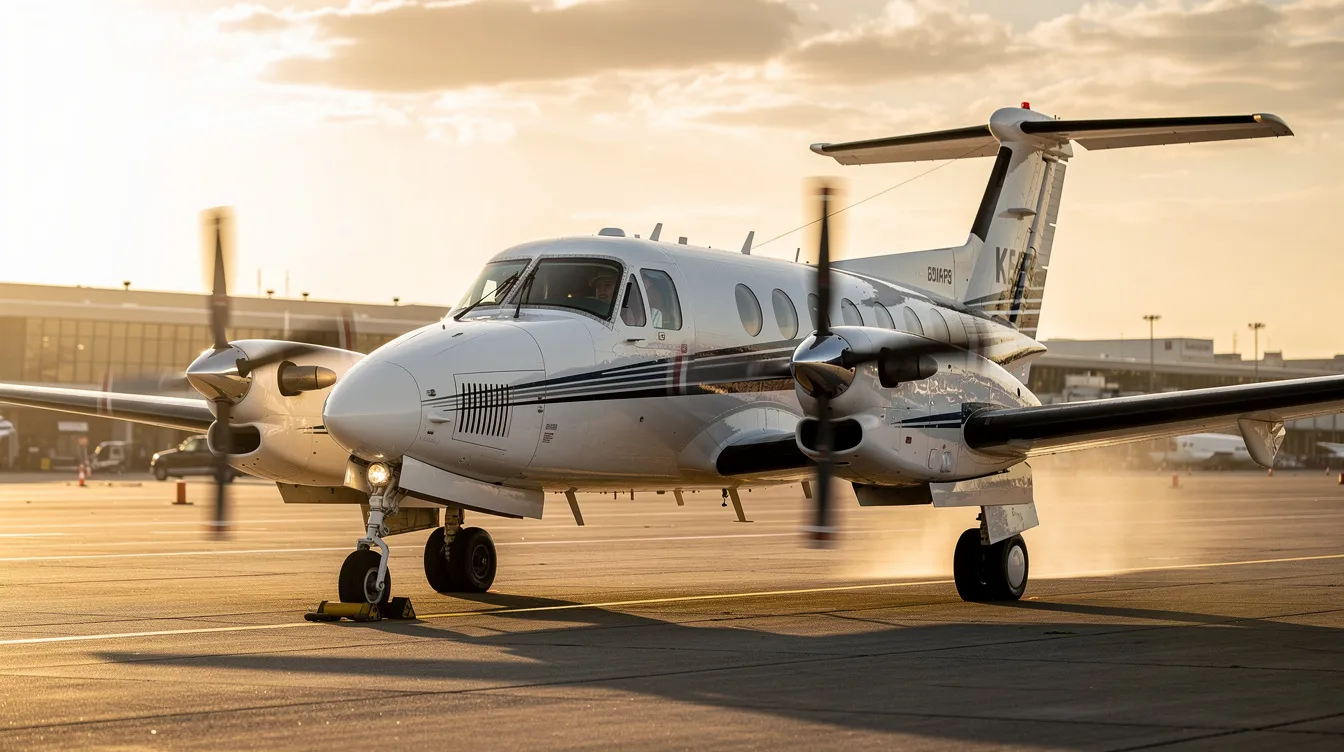
5
min read
King Air 200 Fuel Burn: Real-World Numbers, Costs, and Charter Planning
Understanding the fuel burn of the King Air 200 is vital for charter planning and ownership evaluation. With typical consumption ranging from 100 to 115 gallons per hour, this turboprop offers an efficient alternative for regional flights under 1,000 nautical miles. Jettly provides instant pricing that reflects real-world fuel costs, making it easier for travelers to compare charter options.
Read MoreJoin our community and receive the latest blog updates directly in your inbox.
MEMBERSHIPS AND ASSOCIATIONS



Disclaimer: Jettly operates as a charter broker, offering access to a global digital jet charter marketplace. Jettly is not a direct air carrier and does not own or operate aircraft. All advertised flights are conducted by third-party air carriers that are fully licensed and hold the appropriate Part 135 or Part 121 certifications issued by the Federal Aviation Administration (FAA) or equivalent regulatory authorities under U.S. or foreign law. Jettly complies fully with the U.S. Department of Transportation's Part 295 and Part 298 Charter Broker regulations. Jettly does not carry additional liability insurance. Passengers are covered by aircraft operator insurance. TICO: 50023770


