


Login
Get Instant Pricing On 23,000+ Aircraft


The emergence of flying chefs is transforming private jet travel by offering personalized, high-quality dining experiences at cruising altitude. These culinary professionals elevate in-flight meals, adapting menus to passenger preferences and ensuring gourmet quality. As luxury travel evolves, flying chefs are becoming essential for discerning travelers seeking exceptional onboard dining.
Jeff Ryan Serevilla
Sep 22, 2026
|
5
min read


View all
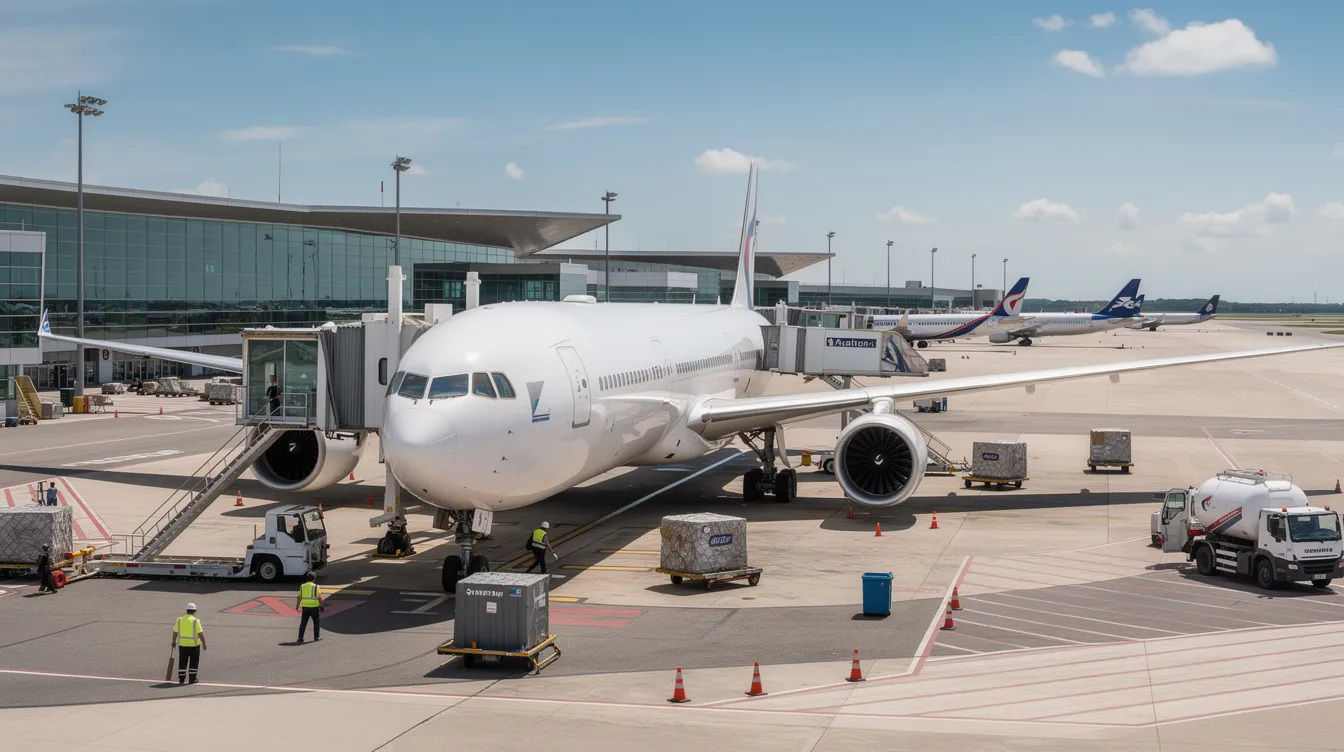
The term 'jet air airlines' often refers to defunct carriers like Jet Airways and JetAir Caribbean. With these airlines no longer operational, travelers are turning to private jet charter services like Jettly for flexible and convenient travel options. Jettly offers instant pricing and access to over 20,000 aircraft, providing a modern alternative to traditional commercial flights.
Jay Franco Serevilla
Aug 30, 2026
|
5
min read

View all
Discover the most popular private planes in the aviation market, categorized by their range and passenger capacity. This guide highlights top jets like the Embraer Phenom 300 and Gulfstream G650ER, focusing on their features, charter demand, and pricing trends from 2023 to 2025. Whether you're a first-time flyer or a seasoned traveler, understanding these options can enhance your private travel experience.
Jay Franco Serevilla
Aug 30, 2026
|
5
min read

View all
Jettly's private jet limousine service offers a seamless travel experience by combining private jet charters with professional ground transportation. This integrated service ensures that travelers enjoy door-to-door convenience, privacy, and flexibility without the hassle of separate bookings. With access to over 20,000 aircraft and a range of vehicle options, Jettly caters to both business and leisure travelers seeking efficient and luxurious travel solutions.
Jay Franco Serevilla
Aug 30, 2026
|
5
min read

View all
Knowing when to book a flight can significantly impact travel costs, with optimal booking windows varying for domestic and international flights. Private jet charters through Jettly offer more flexibility, allowing travelers to book closer to departure without the constraints of commercial fare cycles. This guide provides insights into the best times to book flights and how private aviation changes the rules.
Jay Franco Serevilla
Aug 30, 2026
|
5
min read

View all
Finding the best time to buy airline tickets involves understanding airline pricing patterns rather than relying on luck. Booking domestic flights 15 to 45 days in advance and international flights 2 to 8 months ahead can lead to significant savings. Additionally, flying midweek often results in lower fares, while Sundays are typically the most expensive days to travel.
Jay Franco Serevilla
Aug 30, 2026
|
5
min read

View all
Knowing when to book domestic flights can lead to significant savings, with optimal booking windows typically between 34 to 86 days before departure. Factors such as route type, travel dates, and seasonality play crucial roles in determining airfare prices. Additionally, private jet alternatives like Jettly can provide flexibility and value, especially for last-minute trips or multi-stop itineraries.
Jay Franco Serevilla
Aug 30, 2026
|
5
min read
Explore our latest articles and updates.
5
min read
Bombardier CRJ 200: Regional Jet Guide for Private Charter
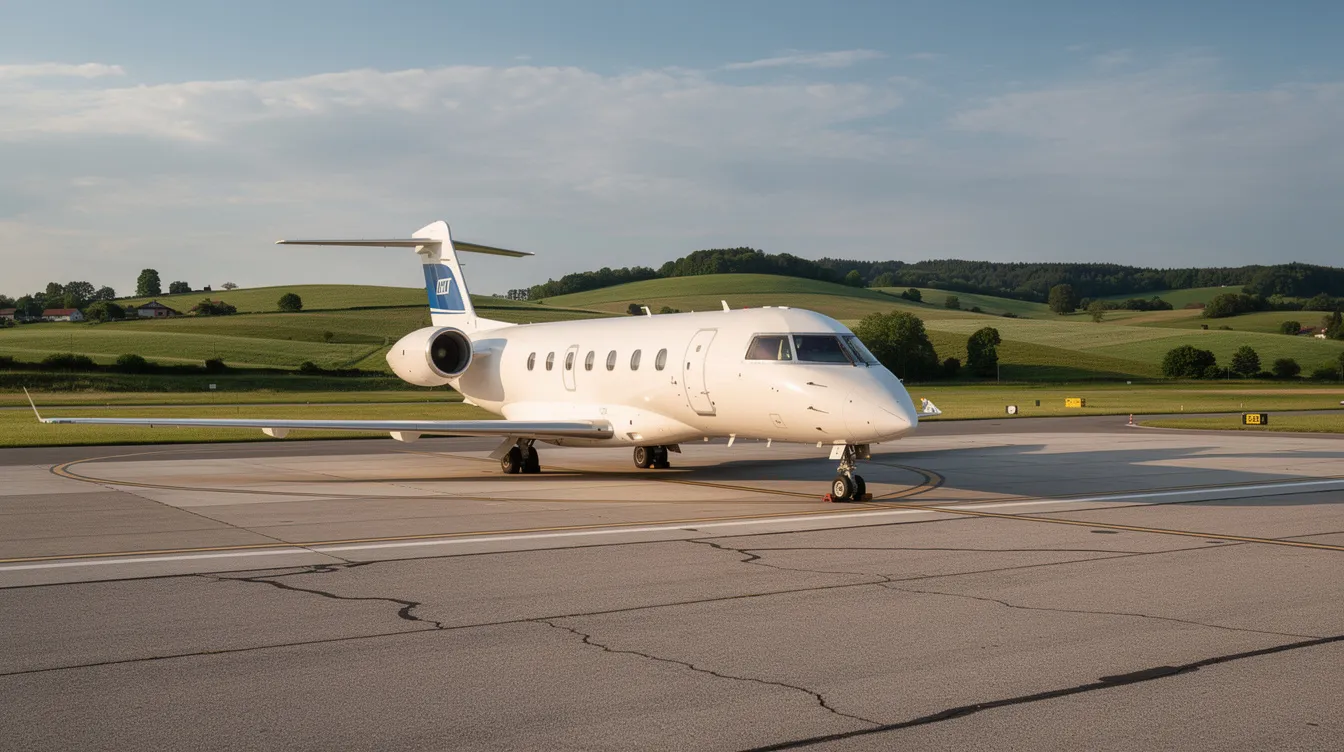
The Bombardier CRJ 200 is a 50-seat regional jet that has transitioned from commercial airline service to private charter, offering configurations for corporate shuttles and VIP travel. With a maximum range of approximately 1,956 statute miles, it is well-suited for short to medium-haul flights, making it ideal for transporting larger groups efficiently. The aircraft features various cabin layouts, from standard airline seating to luxurious VIP conversions, allowing for flexibility based on customer needs. Chartering through platforms like Jettly provides access to competitive pricing and a range of options tailored to specific travel requirements.
Read More
5
min read
Can Private Pilots Make Money? A Practical Guide to Legal Earning Options
Private pilots can earn money legally, but only under specific and regulated circumstances, primarily outlined in 14 CFR 61.113. They may share flight costs with passengers, conduct business-related flights, participate in charity events, and engage in activities like towing gliders or performing demo flights for aircraft sales, among others. However, substantial income typically requires a commercial pilot license, which opens up more paid flying opportunities. While private pilots can offset costs through limited avenues, a commercial pilot certificate is essential for a stable and meaningful aviation career.
Read MoreJoin our community and receive the latest blog updates directly in your inbox.
MEMBERSHIPS AND ASSOCIATIONS



Disclaimer: Jettly operates as a charter broker, offering access to a global digital jet charter marketplace. Jettly is not a direct air carrier and does not own or operate aircraft. All advertised flights are conducted by third-party air carriers that are fully licensed and hold the appropriate Part 135 or Part 121 certifications issued by the Federal Aviation Administration (FAA) or equivalent regulatory authorities under U.S. or foreign law. Jettly complies fully with the U.S. Department of Transportation's Part 295 and Part 298 Charter Broker regulations. Jettly does not carry additional liability insurance. Passengers are covered by aircraft operator insurance. TICO: 50023770


