


Login
Get Instant Pricing On 23,000+ Aircraft

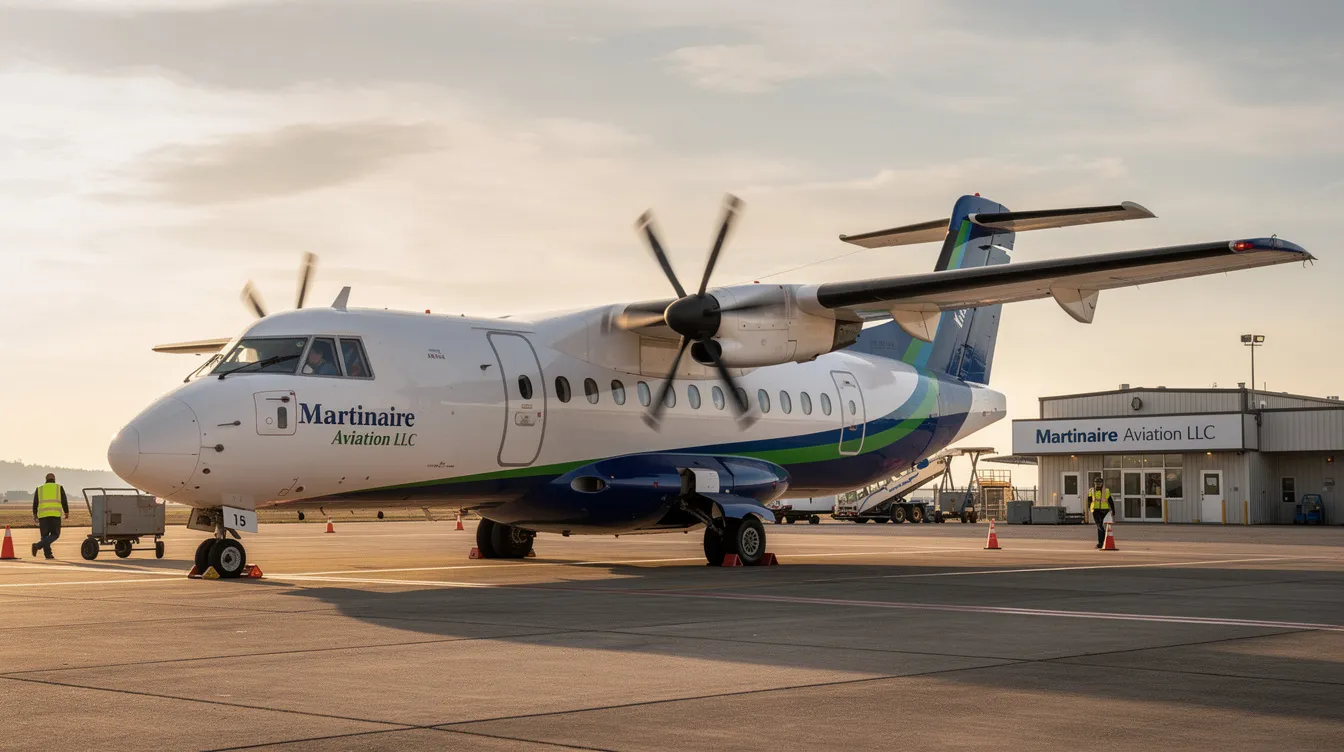
Martinaire Aviation LLC, founded in 1978, is a leading cargo feeder carrier in the U.S., specializing in overnight freight operations. With a fleet of turboprop aircraft, it connects regional airports to major sorting hubs, primarily serving integrators like UPS. This article explores Martinaire's operations, career opportunities, and how it contrasts with private charter services like Jettly.
Jay Franco Serevilla
Sep 4, 2026
|
5
min read



View all
Planning a flight to Key West involves choosing between private jet charters and commercial flights, each offering unique benefits. This guide provides essential information on routes, airport details, and travel tips for a seamless journey to this vibrant island destination.
Jay Franco Serevilla
Aug 12, 2026
|
5
min read
View all
Planning a flight to Key West involves choosing between private jet charters and commercial flights, each offering unique benefits. This guide provides essential information on routes, airport details, and travel tips for a seamless journey to this vibrant island destination.
Jay Franco Serevilla
Aug 12, 2026
|
5
min read

View all
Key West International Airport (EYW) offers a convenient arrival experience for both commercial and private flights. With its compact layout and proximity to downtown, travelers can expect minimal wait times and easy access to ground transportation. This guide provides essential information on live flight tracking, arrival procedures, and private jet options for a seamless journey.
Jay Franco Serevilla
Aug 12, 2026
|
5
min read

View all
Traveling from Seattle to Key West involves a distance of approximately 2,720 miles with no direct commercial flights available. This guide provides insights into flight options, costs, and private jet alternatives, helping travelers make informed decisions for their journey. Understanding seasonal fare patterns and booking strategies can lead to significant savings and a smoother travel experience.
Jay Franco Serevilla
Aug 12, 2026
|
5
min read

View all
Traveling from Los Angeles (LAX) to Key West involves planning as there are no direct flights available. This guide compares commercial and private jet options, highlighting the benefits of using platforms like Jettly for a more flexible and efficient journey. Whether for leisure or business, understanding the routes, costs, and travel times can help travelers choose the best way to reach this iconic destination.
Jay Franco Serevilla
Aug 12, 2026
|
5
min read

View all
Key West, Florida, offers direct flights from approximately 24 U.S. cities through seven airlines, including American Airlines and Delta. Travelers can also opt for private jet charters for added flexibility and convenience. This guide details nonstop routes, seasonal patterns, and tips for booking the best flights to Key West.
Jay Franco Serevilla
Aug 12, 2026
|
5
min read
Explore our latest articles and updates.

5
min read
How Much Is a Private Jet to Florida? Cost Breakdown, Examples & Smart Ways to Save
Chartering a private jet to Florida can cost between $5,000 and over $50,000, depending on factors like aircraft type, flight distance, and seasonal demand. Popular routes and aircraft choices significantly influence pricing, with options ranging from turboprops for short hops to heavy jets for long-haul flights. Jettly offers a transparent platform for instant pricing and access to over 20,000 aircraft, making private travel more accessible.
Read More
5
min read
Skyservice Business Aviation: Digital Charter Alternatives, Aircraft Management, and Modern Private Travel
Skyservice Business Aviation leads the evolution of private travel, offering comprehensive aircraft management and charter services. In contrast, digital platforms like Jettly provide flexible, on-demand access to a vast network of aircraft, catering to diverse traveler needs. This article explores the key differences between traditional operators and digital charter alternatives, helping clients navigate modern private aviation options.
Read MoreJoin our community and receive the latest blog updates directly in your inbox.
MEMBERSHIPS AND ASSOCIATIONS



Disclaimer: Jettly operates as a charter broker, offering access to a global digital jet charter marketplace. Jettly is not a direct air carrier and does not own or operate aircraft. All advertised flights are conducted by third-party air carriers that are fully licensed and hold the appropriate Part 135 or Part 121 certifications issued by the Federal Aviation Administration (FAA) or equivalent regulatory authorities under U.S. or foreign law. Jettly complies fully with the U.S. Department of Transportation's Part 295 and Part 298 Charter Broker regulations. Jettly does not carry additional liability insurance. Passengers are covered by aircraft operator insurance. TICO: 50023770


