



Login
Get Instant Pricing On 23,000+ Aircraft

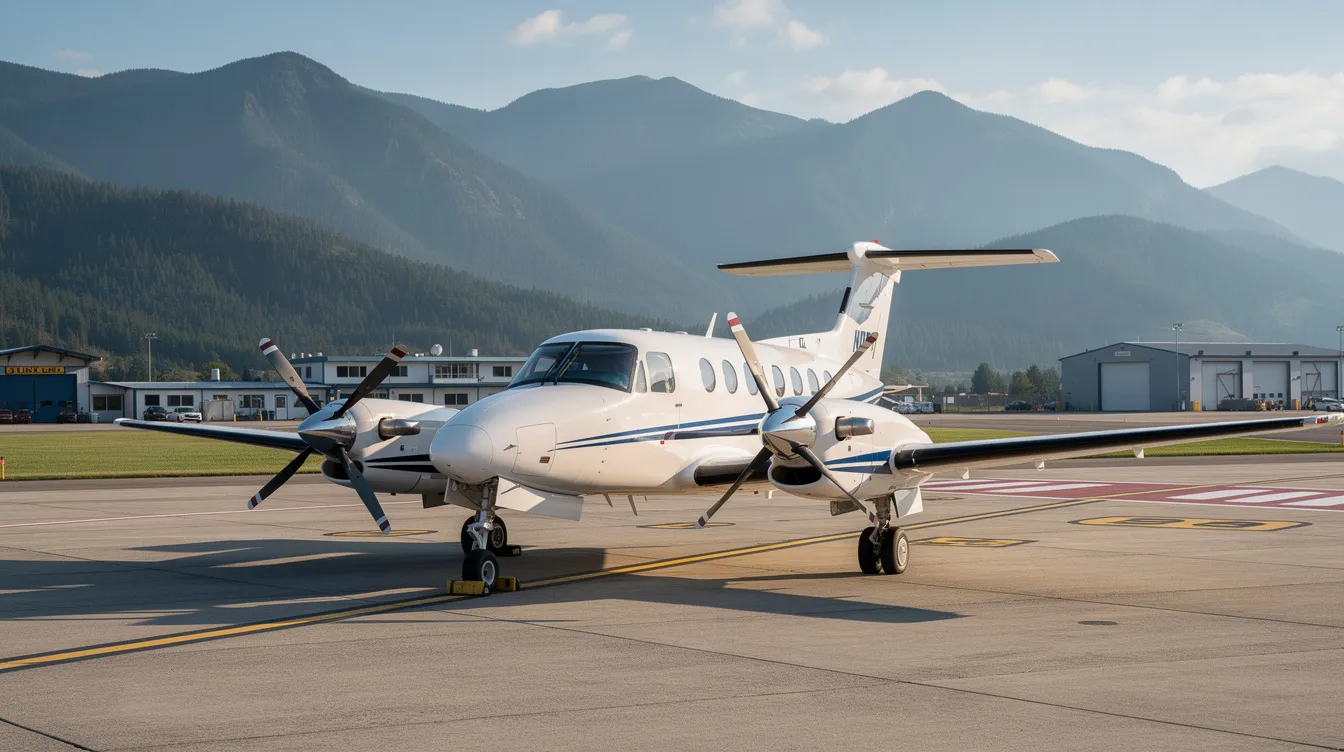
The King Air C90GTi remains a popular choice for buyers seeking a reliable twin-engine turboprop, with prices ranging from $2.2M to $3.55M. This guide provides insights into current market conditions, ownership costs, and the advantages of chartering through Jettly for those flying less frequently. With limited availability, prospective buyers should act quickly and consider all factors before making a purchase.
Jay Franco Serevilla
Nov 10, 2026
|
5
min read


View all
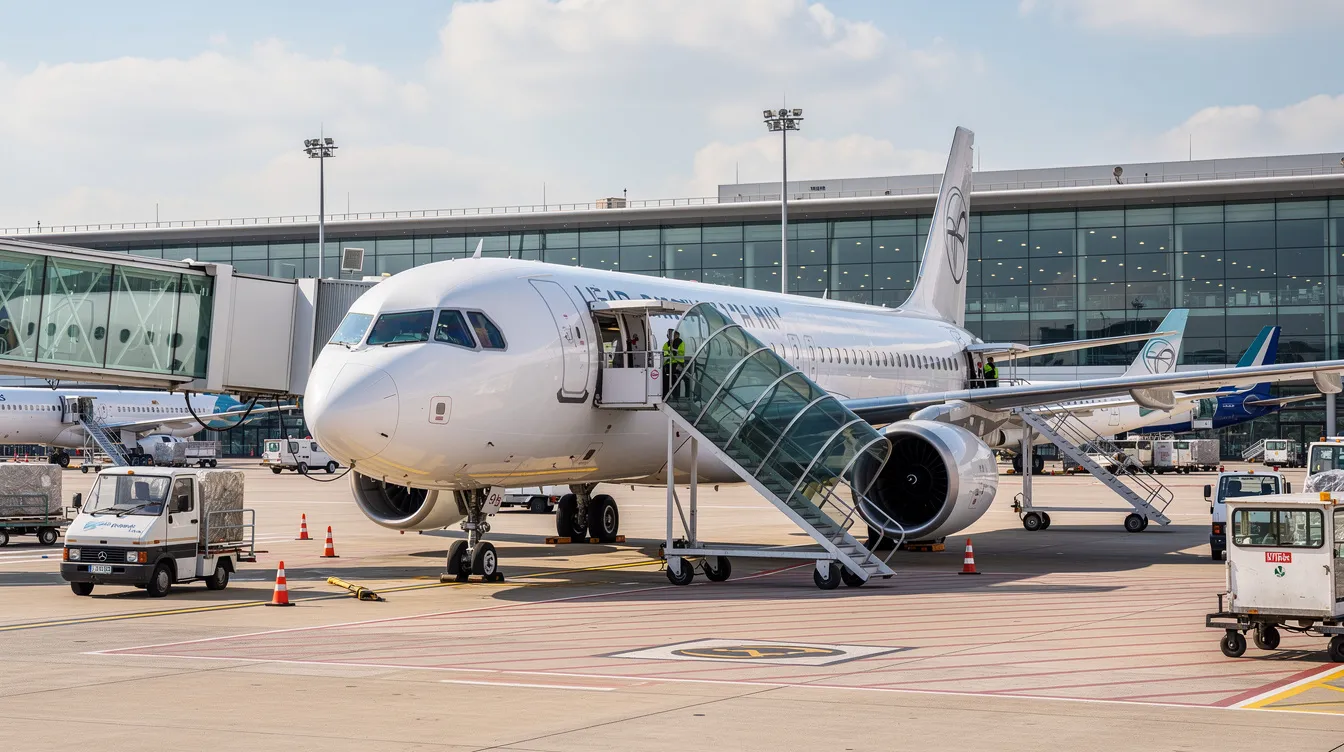
The Boeing 737 is a versatile aircraft with a passenger capacity ranging from 85 to 230, depending on the variant and layout. Most commonly, the 737-800 and 737 MAX models accommodate between 162 and 200 passengers. This guide details the seating capacities across different generations and compares them to private jet options for tailored travel experiences.
Jay Franco Serevilla
Oct 14, 2026
|
5
min read
View all
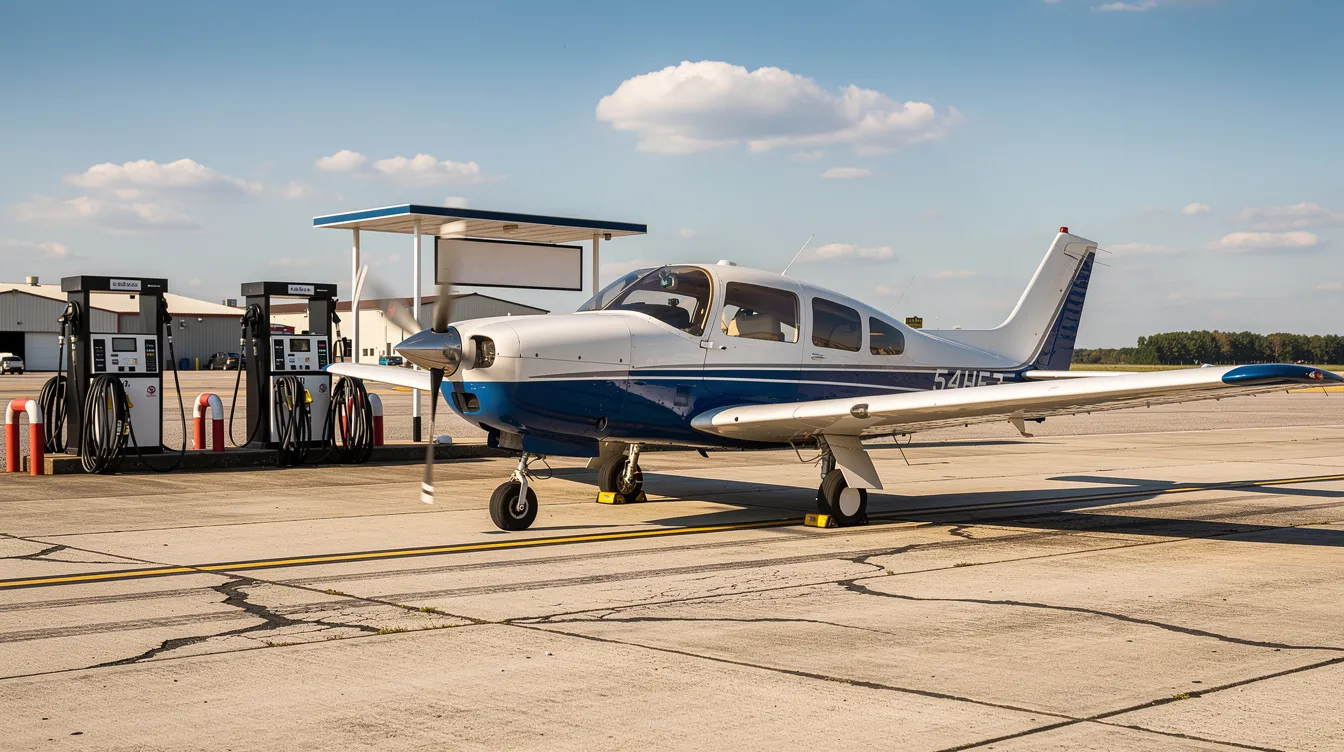
In 2026, fuel costs for small planes vary significantly based on aircraft type and fuel consumption rates. Single-engine pistons typically incur costs of $60–$80 per hour, while turboprops can reach $500–$600 per hour. Understanding these expenses is crucial for budgeting and flight planning for private pilots and aircraft owners.
Jay Franco Serevilla
Oct 14, 2026
|
5
min read
View all
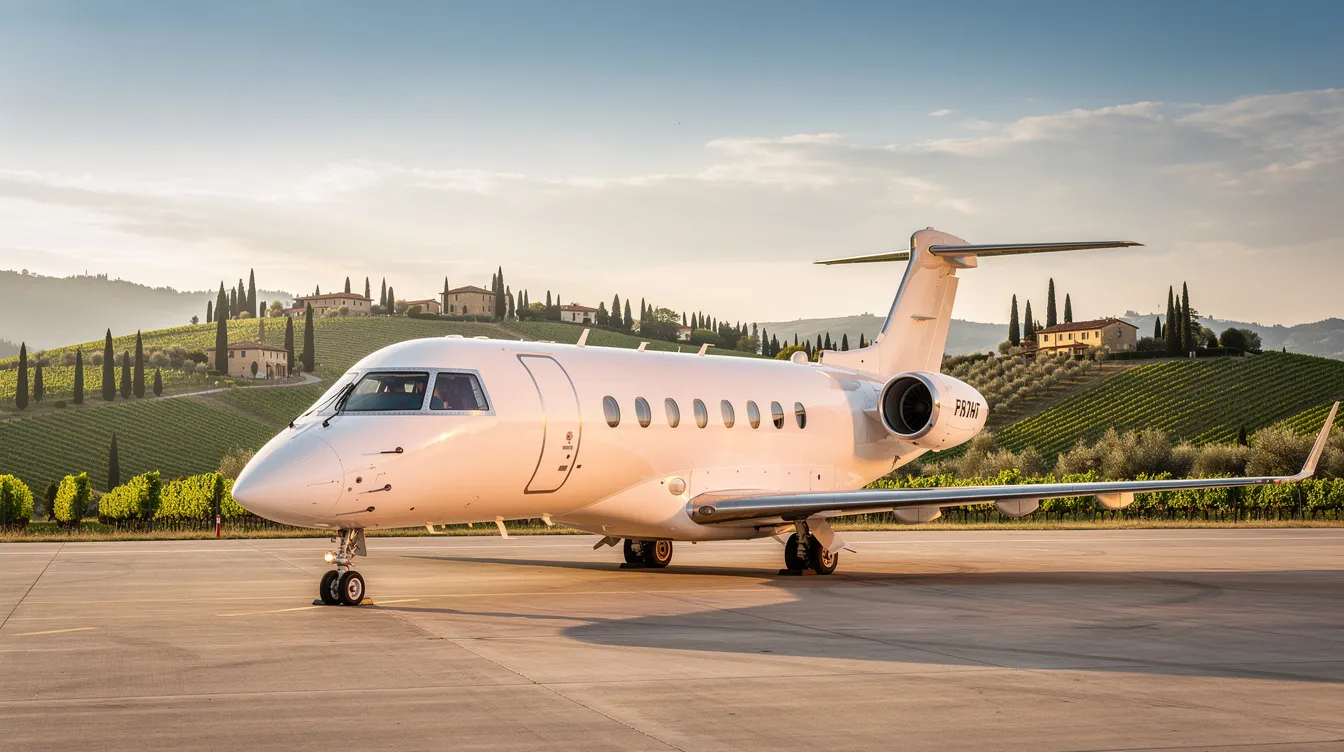
Flying by private jet to Italy offers unmatched flexibility and speed, making it ideal for both business and leisure travelers. This comprehensive guide covers routes, costs, and how Jettly simplifies the booking process, ensuring a seamless travel experience. Discover the advantages of private aviation and how it can enhance your Italian journey.
Jay Franco Serevilla
Oct 14, 2026
|
5
min read

View all
Cessna aircraft range from the versatile Cessna 172, ideal for training and short hops, to the long-range Citation Longitude, capable of flying up to 3,500 nautical miles. Understanding the range capabilities of each model, including factors like fuel capacity and consumption, is essential for effective flight planning. For longer trips, private jet charters provide access to a variety of aircraft tailored to specific travel needs.
Jay Franco Serevilla
Oct 14, 2026
|
5
min read

View all
This guide provides essential information on how to quickly contact JetBlue Airways customer service, including phone numbers and digital channels. It also explores the benefits of choosing private jet charter through Jettly for urgent travel needs, offering a faster alternative to waiting on hold.
Jay Franco Serevilla
Oct 14, 2026
|
5
min read

View all
Private plane maintenance is essential for ensuring safety, reliability, and the long-term value of aircraft. Owners and charter clients must understand maintenance costs and processes to make informed decisions. Platforms like Jettly provide access to well-maintained jets without the burdens of ownership.
Jay Franco Serevilla
Oct 14, 2026
|
5
min read
Explore our latest articles and updates.

5
min read
Fractional Ownership vs Jet Card vs Charter: Which Is Right for You?
This guide compares three private aviation options: fractional ownership, jet cards, and on-demand charter, highlighting their distinct trade-offs in cost, commitment, flexibility, and aircraft consistency. Fractional ownership requires a significant upfront investment and long-term commitment, making it suitable for frequent flyers (100-200+ hours/year) who value consistent access to a specific aircraft. Jet cards offer a more flexible, pay-as-you-go model ideal for moderate flyers (25-100 hours/year) seeking predictable pricing without ownership risks. On-demand charter is the most flexible and cost-effective option for occasional flyers (under 25 hours/year), allowing users to pay only for the flights they take without any long-term commitments.
Read More
5
min read
How Fractional Jet Ownership Works: The Complete Guide
Fractional jet ownership allows individuals or companies to purchase a share of a specific aircraft, typically ranging from 1/16 to 1/2, granting them a proportional number of flight hours annually and access to equivalent aircraft when their own is unavailable. This model provides the benefits of private jet travel, including professional management and operational ease, while reducing the financial burden compared to full ownership. Owners can expect to fly between 50 to 400 hours per year, depending on their share size, and the management company handles all operational aspects under FAA regulations. While fractional ownership requires a significant initial investment and ongoing fees, it offers equity and flexibility, making it suitable for frequent flyers, whereas those flying less may prefer alternatives like jet cards or charter services.
Read MoreJoin our community and receive the latest blog updates directly in your inbox.
MEMBERSHIPS AND ASSOCIATIONS



© 2026 Jettly Inc. All rights reserved.
Disclaimer: Jettly operates as a charter broker, offering access to a global digital jet charter marketplace. Jettly is not a direct air carrier and does not own or operate aircraft. All advertised flights are conducted by third-party air carriers that are fully licensed and hold the appropriate Part 135 or Part 121 certifications issued by the Federal Aviation Administration (FAA) or equivalent regulatory authorities under U.S. or foreign law. Jettly complies fully with the U.S. Department of Transportation's Part 295 and Part 298 Charter Broker regulations. Jettly does not carry additional liability insurance. Passengers are covered by aircraft operator insurance. TICO: 50023770


