


Login
Get Instant Pricing On 23,000+ Aircraft


Davinci Jets is a premier private aviation company based in Charlotte, NC, offering a diverse fleet and comprehensive services including aircraft management and charter. With a focus on safety and personalized service, Davinci Jets caters to business travelers and jet owners, providing a high-touch experience that contrasts with digital charter platforms like Jettly, which offer instant booking and access to a wider range of aircraft. This guide explores Davinci Jets' offerings and how they compare to digital alternatives.
Jay Franco Serevilla
Sep 6, 2026
|
5
min read



View all
Puerto Rico is a short flight away from many major U.S. cities, with distances ranging from approximately 1,040 miles from Miami to 1,600 miles from New York City. Once on the island, travel times are quick, making it easy to explore its diverse attractions. Private jet options can further reduce travel time, enhancing the overall experience for both business and leisure travelers.
Jay Franco Serevilla
Aug 12, 2026
|
5
min read

View all
Chicago Jet Group is a premier private jet charter service based in Sugar Grove, IL, offering a range of aviation services including aircraft management and maintenance. With a specialized fleet of Falcon jets, they provide flexible and convenient travel options for both business and leisure. Travelers can easily book flights through Jettly's digital marketplace, ensuring transparent pricing and instant access to over 20,000 aircraft.
Jay Franco Serevilla
Aug 12, 2026
|
5
min read
View all
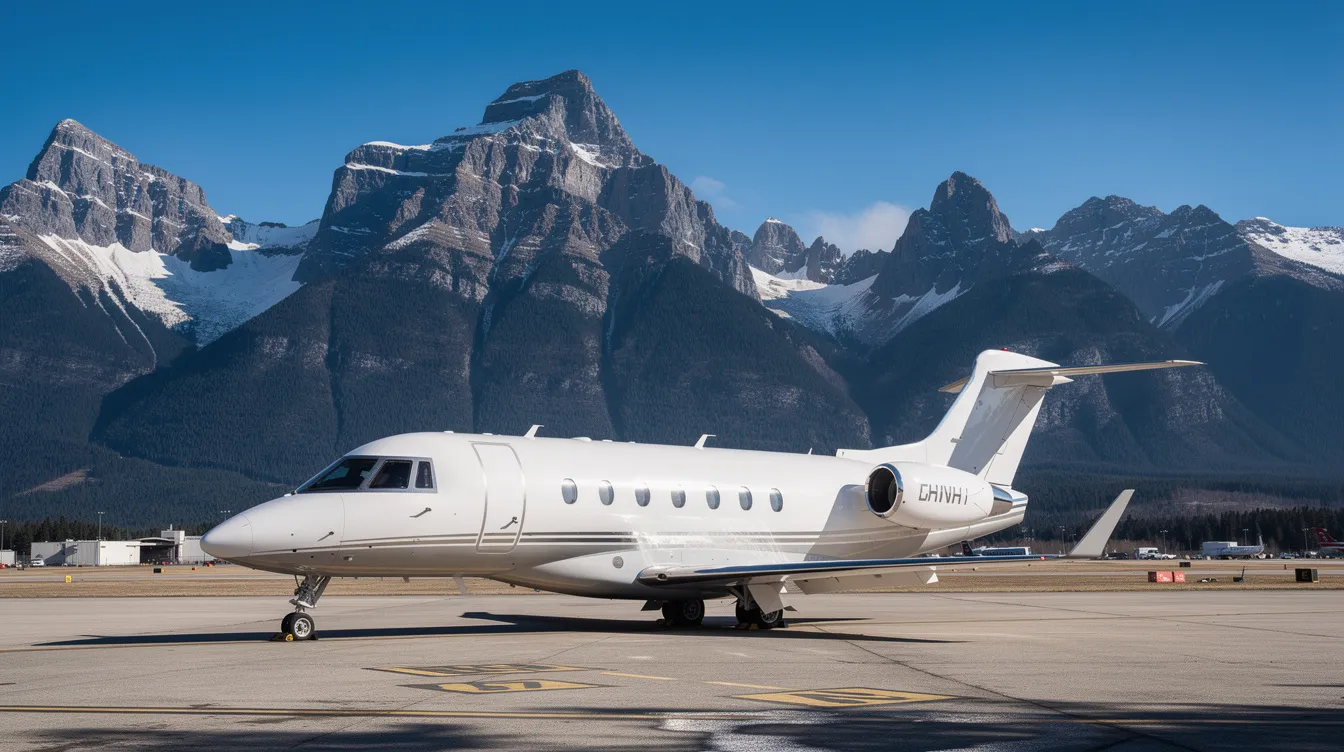
Private planes in Canada offer a flexible and efficient alternative to commercial flights, catering to both business and leisure travelers. Jettly's digital marketplace provides instant access to over 20,000 aircraft, allowing users to charter flights tailored to their needs. With significant time savings and access to remote locations, flying private has never been easier or more convenient.
Jay Franco Serevilla
Aug 12, 2026
|
5
min read

View all
Private plane tickets typically refer to chartering an entire aircraft rather than purchasing individual seats. This guide details the booking process, costs, and benefits of private jet travel, highlighting the convenience and flexibility it offers compared to commercial flights. With platforms like Jettly, travelers can access over 20,000 aircraft worldwide, ensuring a tailored travel experience.
Jay Franco Serevilla
Aug 12, 2026
|
5
min read

View all
The most expensive airplane in the world is the B-2 Spirit stealth bomber, costing over $2 billion per unit. This article explores various costly aircraft, including military jets, cargo planes, and luxurious private jets, while also discussing how travelers can access high-end flight experiences without the hefty price tag. Discover the factors that contribute to these aircraft's staggering costs and the options available for premium travel.
Jay Franco Serevilla
Aug 12, 2026
|
5
min read

View all
Booking private jet charter flights in Washington, D.C. is made easy and efficient with Jettly's digital platform. With access to over 20,000 aircraft worldwide, travelers can enjoy flexibility, privacy, and significant time savings compared to commercial travel. This guide covers essential tips on aircraft types, pricing, and booking options to enhance your private travel experience.
Jay Franco Serevilla
Aug 12, 2026
|
5
min read
Explore our latest articles and updates.

5
min read
Rolla National Airport (VIH) Guide for Private Flyers
Rolla National Airport (VIH) is a key general aviation hub in south-central Missouri, offering private flyers a convenient alternative to larger airports. With two 5,500-foot runways and modern facilities, it supports a range of aircraft for business and leisure travel. Jettly's platform allows easy charter access, making it ideal for quick, flexible trips.
Read More
5
min read
West Kootenay Regional Airport (YCG) – Castlegar, BC Private & Commercial Travel Guide
West Kootenay Regional Airport (YCG) is a crucial air link for the West Kootenay region, connecting communities like Castlegar, Nelson, and Trail to Vancouver. Despite its scenic location, the airport faces challenges with flight reliability due to mountainous terrain and weather conditions, earning it the nickname 'Cancelgar.' This guide provides insights into commercial and private travel options, amenities, and essential tips for navigating this regional airport.
Read MoreJoin our community and receive the latest blog updates directly in your inbox.
MEMBERSHIPS AND ASSOCIATIONS



Disclaimer: Jettly operates as a charter broker, offering access to a global digital jet charter marketplace. Jettly is not a direct air carrier and does not own or operate aircraft. All advertised flights are conducted by third-party air carriers that are fully licensed and hold the appropriate Part 135 or Part 121 certifications issued by the Federal Aviation Administration (FAA) or equivalent regulatory authorities under U.S. or foreign law. Jettly complies fully with the U.S. Department of Transportation's Part 295 and Part 298 Charter Broker regulations. Jettly does not carry additional liability insurance. Passengers are covered by aircraft operator insurance. TICO: 50023770


