


Login
Get Instant Pricing On 23,000+ Aircraft


In 2026, the cost of jet aircraft varies significantly, with new private jets priced from $2 million for very light jets to over $400 million for customized VIP airliners, while charter rates range from $1,500 to $28,000 per hour based on aircraft type. For most business travelers, chartering is more economical than ownership, especially for those flying fewer than 200-300 hours annually, as ownership entails substantial fixed and variable costs. Jettly, a digital private jet charter platform, offers a transparent marketplace for on-demand bookings, allowing users to compare costs and access over 20,000 aircraft globally. Key strategies for reducing costs include choosing the right aircraft size, being flexible with travel times, and utilizing empty leg flights.
Jay Franco Serevilla
Apr 18, 2026
|
5
min read


View all
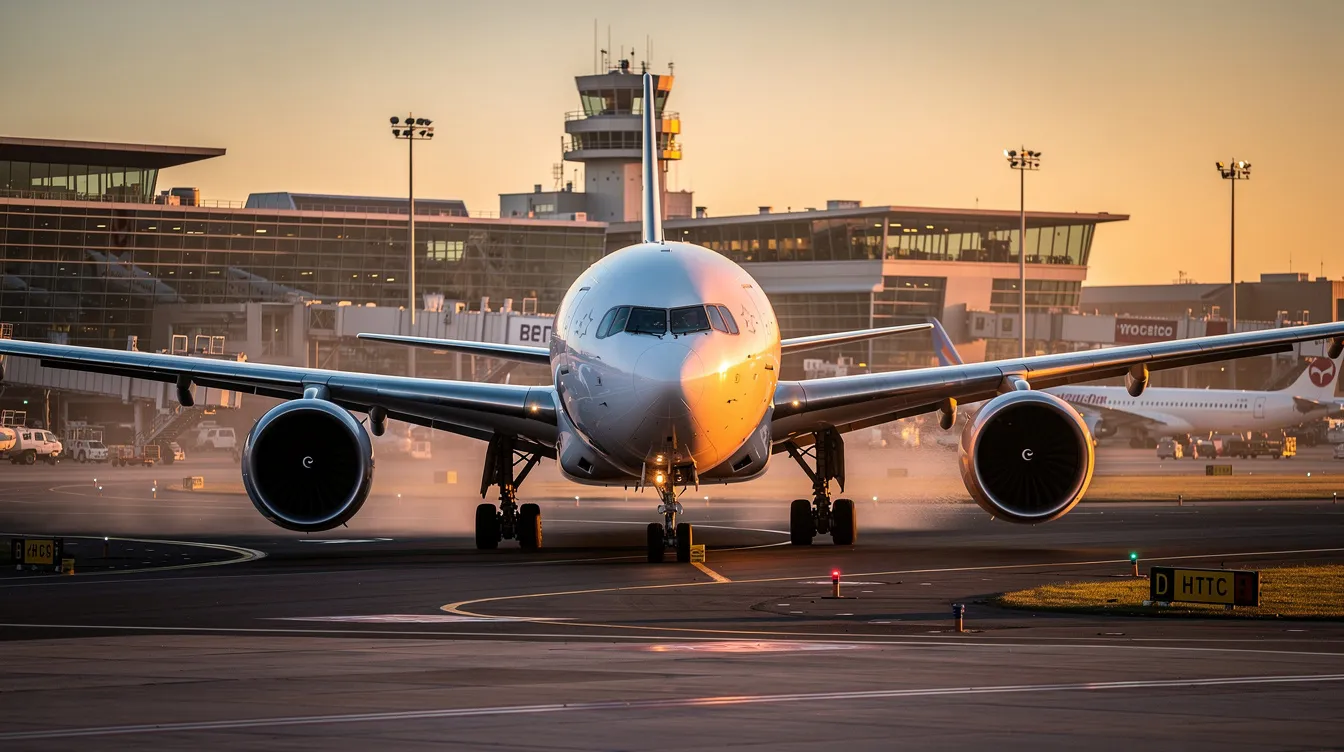
The Boeing 777-300ER, commonly referred to as the Boeing 773, is a long-range, twin-engine airliner that has transformed global air travel. With a capacity of up to 396 passengers and a range of 7,370 nautical miles, it is ideal for high-demand routes. This guide explores its features, operational history, and significance in both commercial and charter aviation.
Jay Franco Serevilla
Aug 9, 2026
|
5
min read
View all
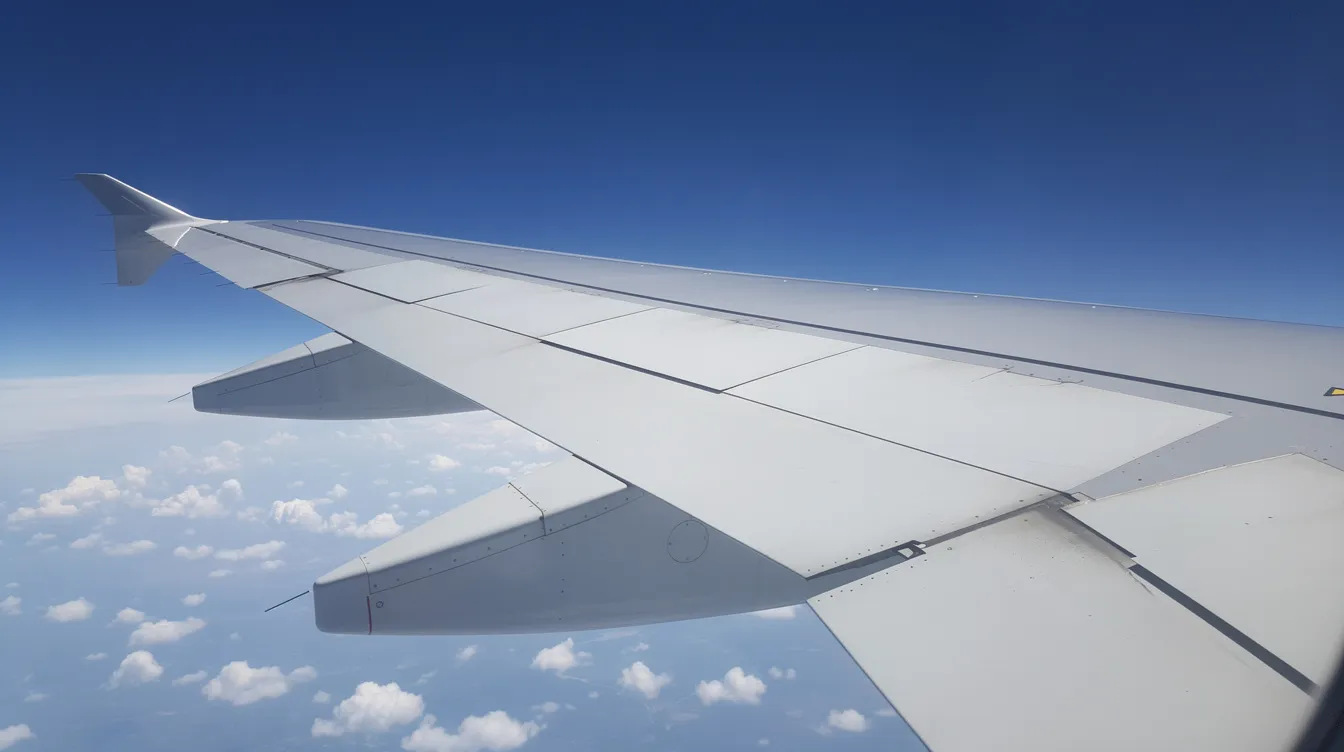
The Boeing 737 typically holds between 6,000 and 7,800 gallons of jet fuel, depending on the variant. This fuel capacity influences the aircraft's range, efficiency, and operational costs, making it a popular choice for airlines worldwide. Modern models like the 737 MAX are designed for improved fuel efficiency, reducing emissions while maintaining performance.
Jay Franco Serevilla
Aug 9, 2026
|
5
min read
View all
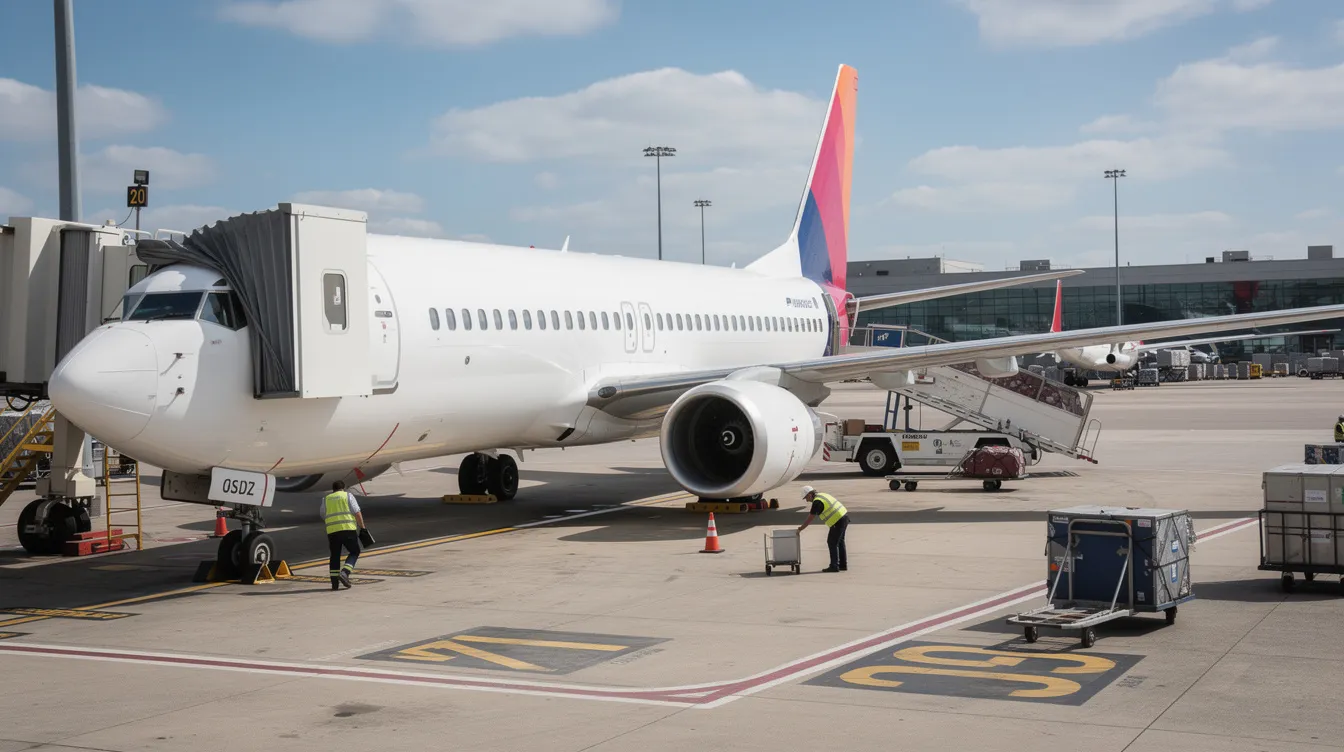
The Boeing 737-800, known as '738', is a popular narrow-body aircraft widely used for short- to medium-haul flights. This guide explores its layout, comfort features, and how it compares to private charter options, highlighting the benefits of both travel methods. Understanding the differences can help travelers make informed decisions for their next journey.
Jay Franco Serevilla
Aug 9, 2026
|
5
min read
View all
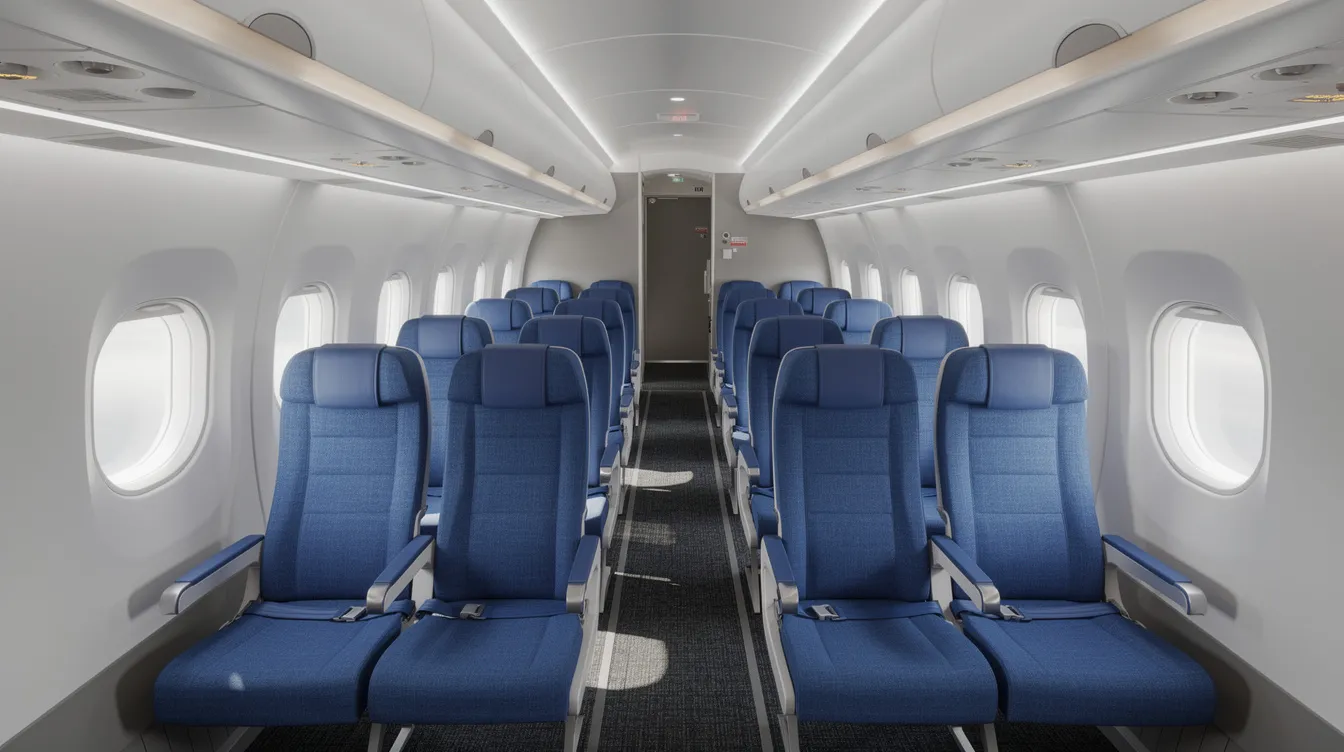
The Boeing 737-700 features a 3-3 economy layout with 137 to 143 seats, making seat selection crucial for comfort. Rows 1-6 and exit row 15 offer extra legroom, while the last rows near lavatories are less desirable. For those seeking flexibility and comfort, private jet charters through Jettly provide a tailored flying experience.
Jay Franco Serevilla
Aug 9, 2026
|
5
min read
View all
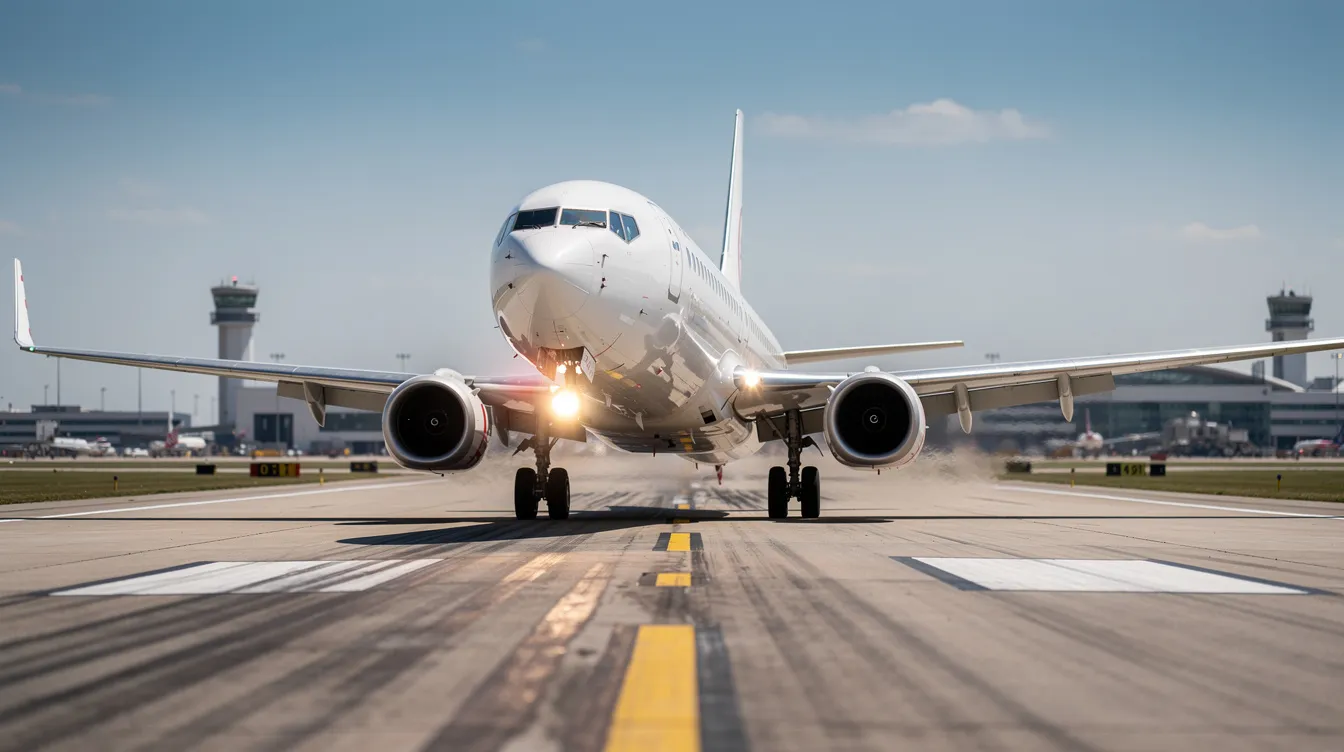
This practical guide outlines the minimum runway length requirements for Boeing 737 operations, crucial for pilots, operators, and charter travelers. It details how various factors such as aircraft weight, environmental conditions, and runway surface affect takeoff and landing distances, providing essential insights for safe and efficient flight planning.
Jay Franco Serevilla
Aug 9, 2026
|
5
min read
View all
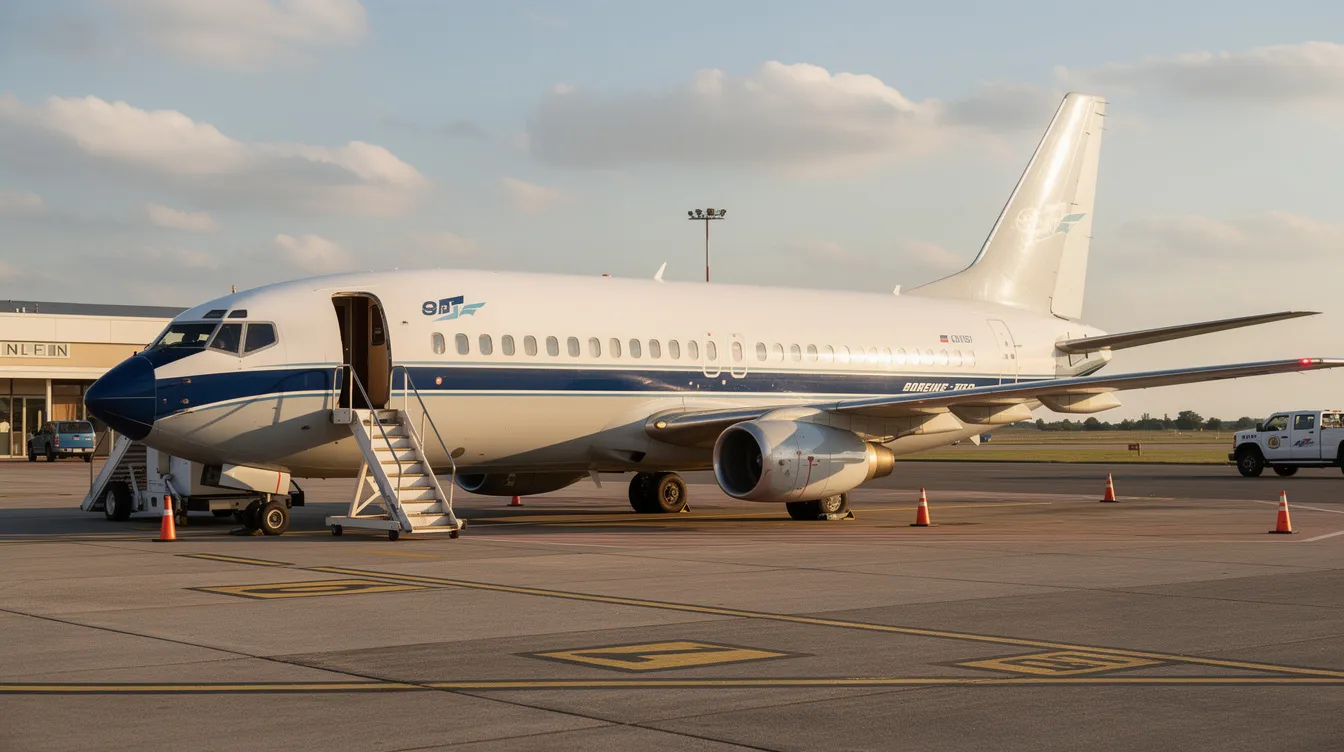
The Boeing 737-200, introduced in 1968, is a rugged twinjet designed for short and medium-haul routes, accommodating 100 to 136 passengers. Despite its high fuel consumption, it remains relevant in niche roles such as cargo and private charters, particularly in remote areas. This guide explores its history, features, and operational capabilities, highlighting its unique advantages in today's aviation landscape.
Jay Franco Serevilla
Aug 9, 2026
|
5
min read
Explore our latest articles and updates.

5
min read
Davinci Jets: Private Aviation, Fleet, and Services Overview
Davinci Jets is a premier private aviation company based in Charlotte, NC, offering a diverse fleet and comprehensive services including aircraft management and charter. With a focus on safety and personalized service, Davinci Jets caters to business travelers and jet owners, providing a high-touch experience that contrasts with digital charter platforms like Jettly, which offer instant booking and access to a wider range of aircraft. This guide explores Davinci Jets' offerings and how they compare to digital alternatives.
Read More
5
min read
Jet International: How Component Specialists Support Global Aviation and Private Charter
Jet International Company has been a key player in the aviation industry since 1979, providing essential components and solutions to keep commercial aircraft operational. By ensuring reliable parts and efficient repair services, they help reduce delays and cancellations, benefiting both commercial and private travelers. Meanwhile, platforms like Jettly offer seamless access to private jet charters, enhancing travel flexibility and convenience.
Read MoreJoin our community and receive the latest blog updates directly in your inbox.
MEMBERSHIPS AND ASSOCIATIONS



Disclaimer: Jettly operates as a charter broker, offering access to a global digital jet charter marketplace. Jettly is not a direct air carrier and does not own or operate aircraft. All advertised flights are conducted by third-party air carriers that are fully licensed and hold the appropriate Part 135 or Part 121 certifications issued by the Federal Aviation Administration (FAA) or equivalent regulatory authorities under U.S. or foreign law. Jettly complies fully with the U.S. Department of Transportation's Part 295 and Part 298 Charter Broker regulations. Jettly does not carry additional liability insurance. Passengers are covered by aircraft operator insurance. TICO: 50023770


