


Login
Get Instant Pricing On 23,000+ Aircraft

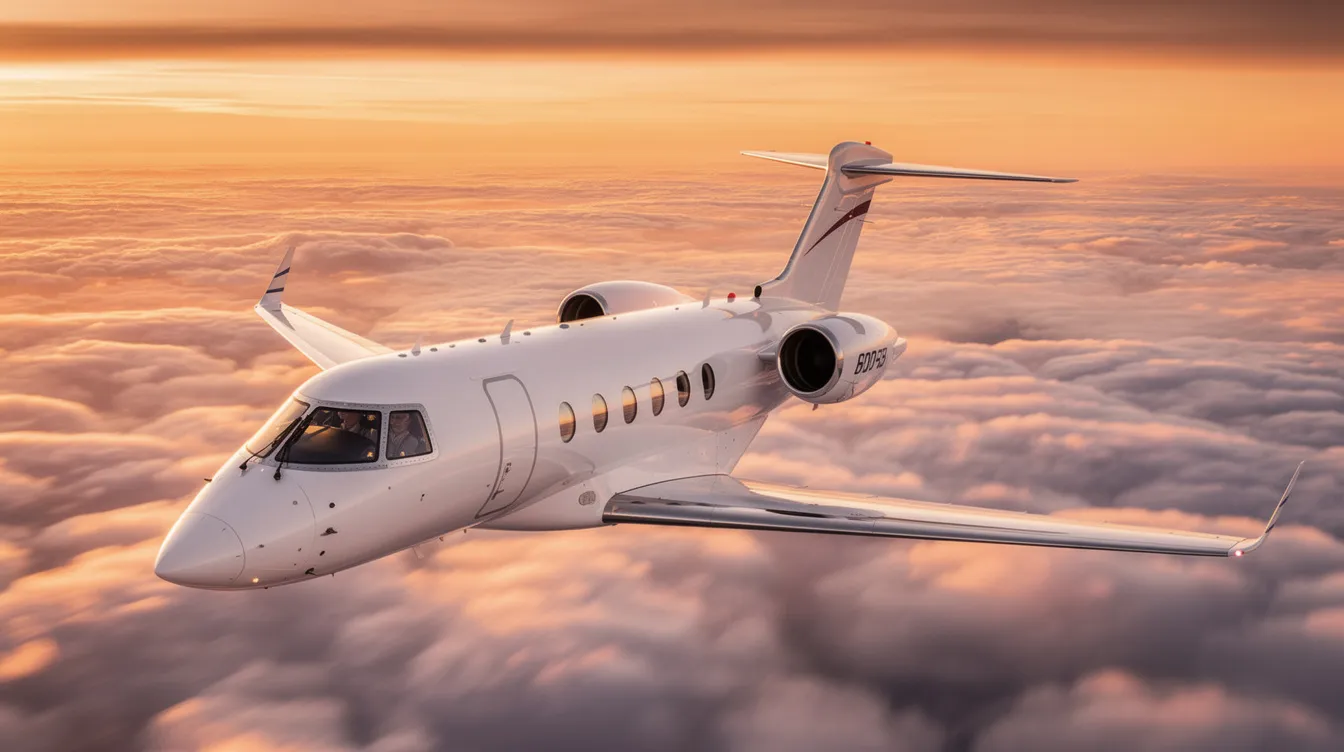
The Dassault Falcon 100 is a light-to-midsize business jet known for its speed and operational efficiency, ideal for short-to-medium-range travel. Produced from 1983 to 1989, it features a compact cabin accommodating up to six passengers and advanced avionics for its time. Despite its age, the Falcon 100 remains popular in the charter market, offering flexibility and access to smaller airports.
Jay Franco Serevilla
Sep 19, 2026
|
5
min read


View all
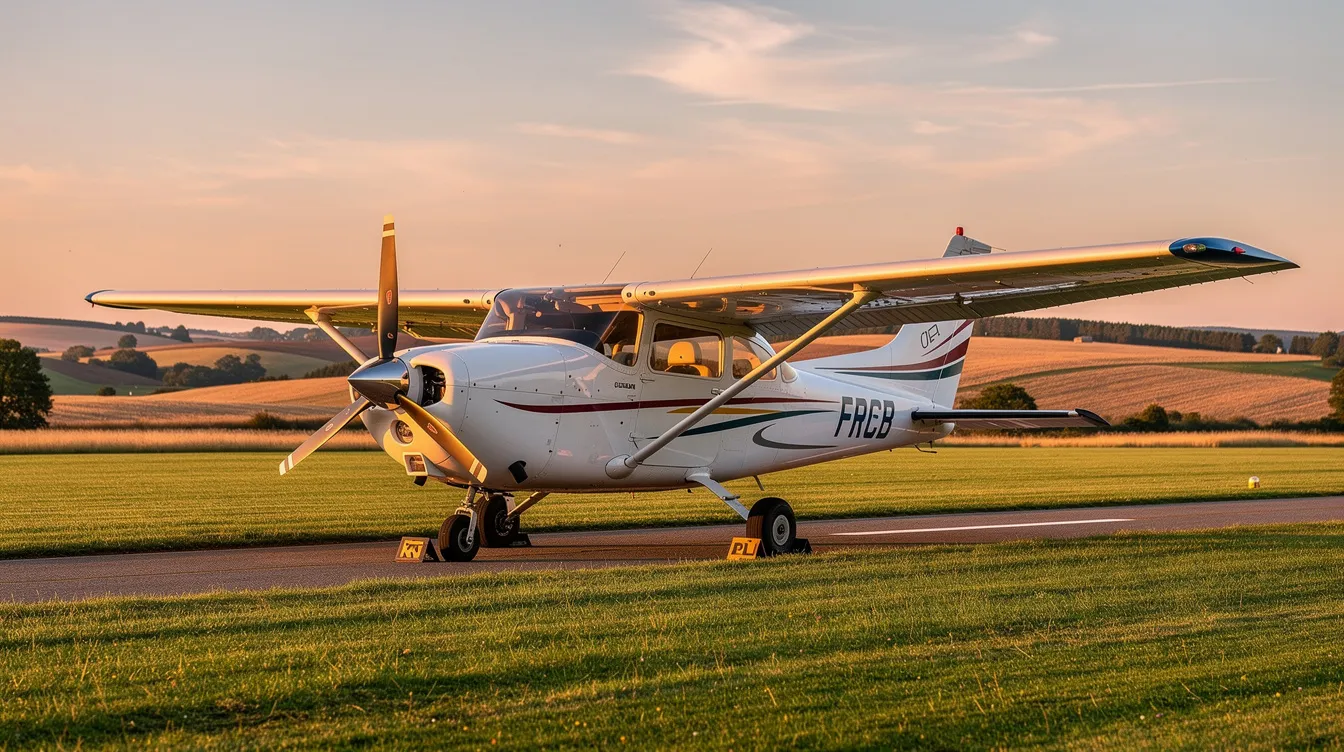
Cessna pictures are essential for pilots, travelers, and aviation enthusiasts, providing a visual comparison of aircraft models. This guide explores where to find high-quality images, how to use them legally, and the best types for various missions. From training to charter flights, the right images enhance understanding and decision-making in private aviation.
Jay Franco Serevilla
Aug 15, 2026
|
5
min read
View all
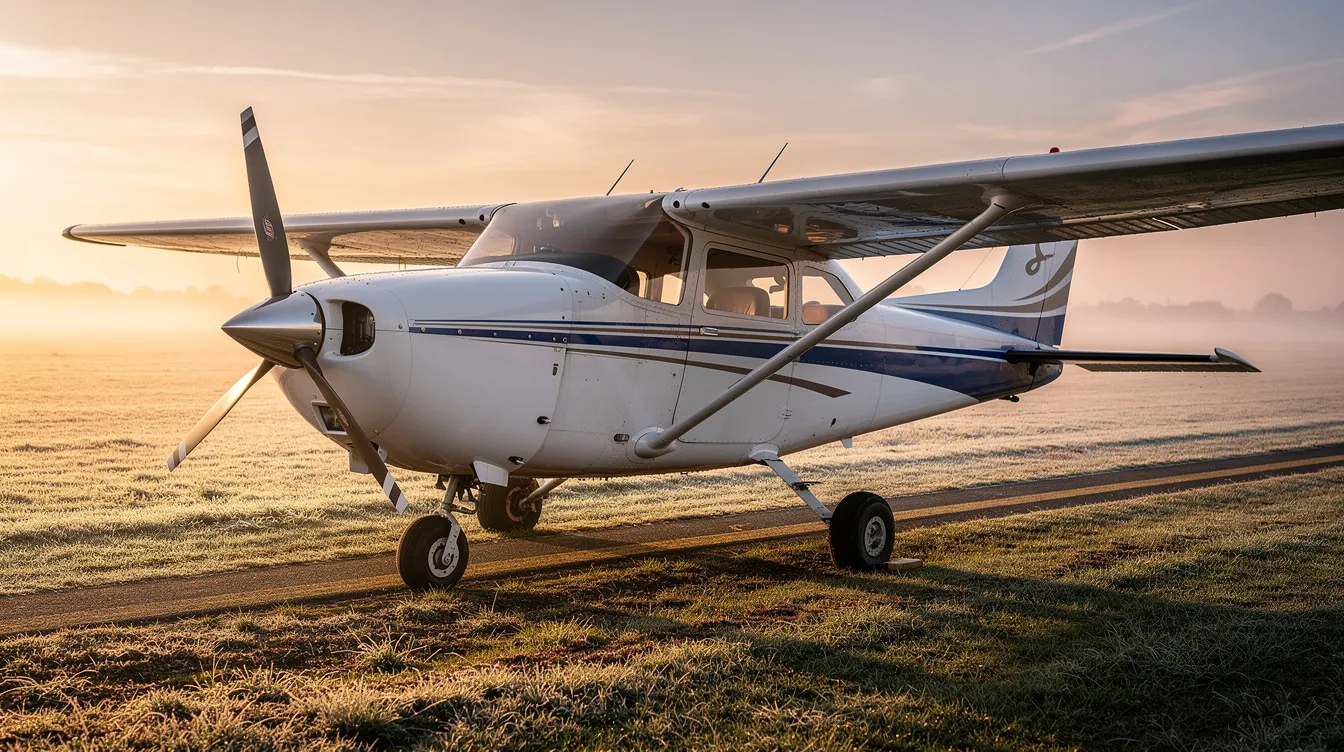
Cessna motors power a diverse range of aircraft, from the iconic Cessna 172 to advanced Citation jets. Understanding the different engine types—piston, turboprop, and turbofan—helps travelers choose the right aircraft for their needs, balancing cost, speed, and performance. Jettly's platform simplifies this process, offering tailored options for private flights.
Jay Franco Serevilla
Aug 15, 2026
|
5
min read
View all
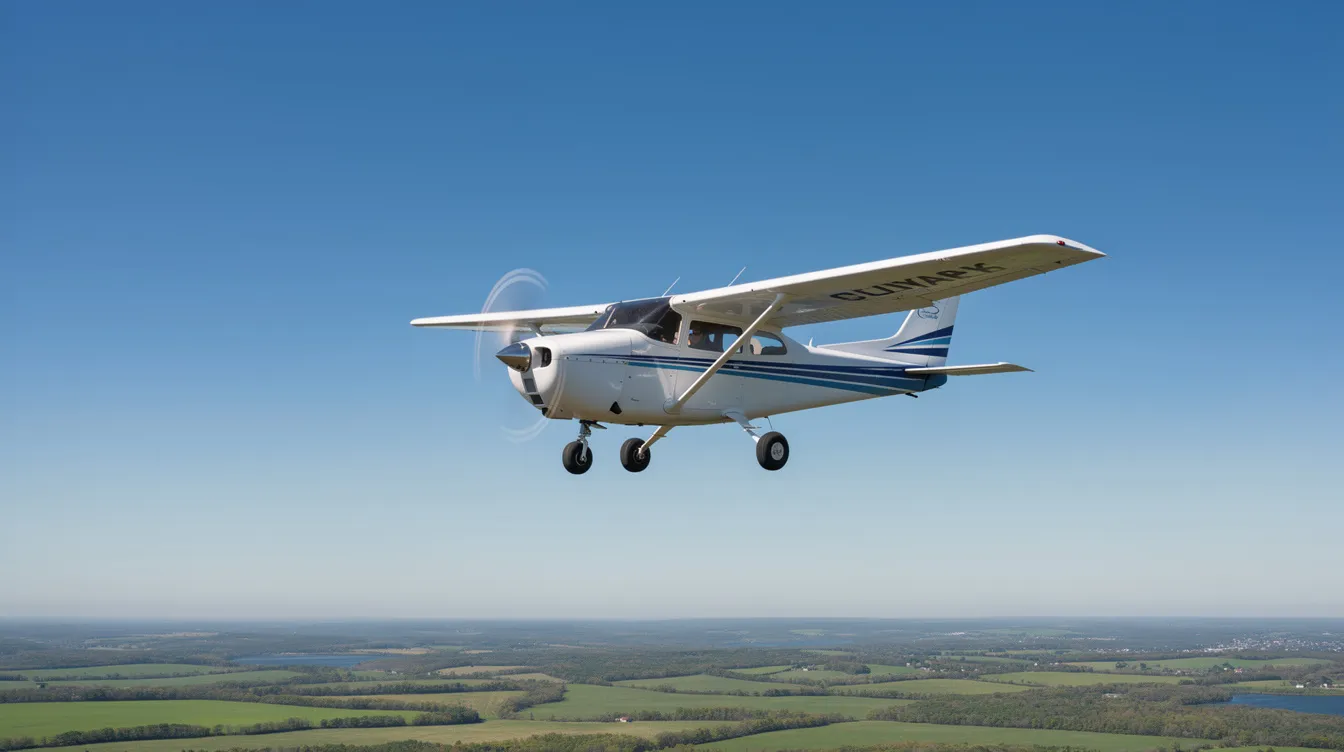
The Cessna 172, a popular training aircraft, has a service ceiling of approximately 14,000 feet, influenced by factors like weight, temperature, and density altitude. Understanding this ceiling is crucial for pilots in planning safe flights, especially in mountainous regions. For those needing to fly higher, private jet charters through platforms like Jettly offer a viable alternative.
Jay Franco Serevilla
Aug 15, 2026
|
5
min read
View all
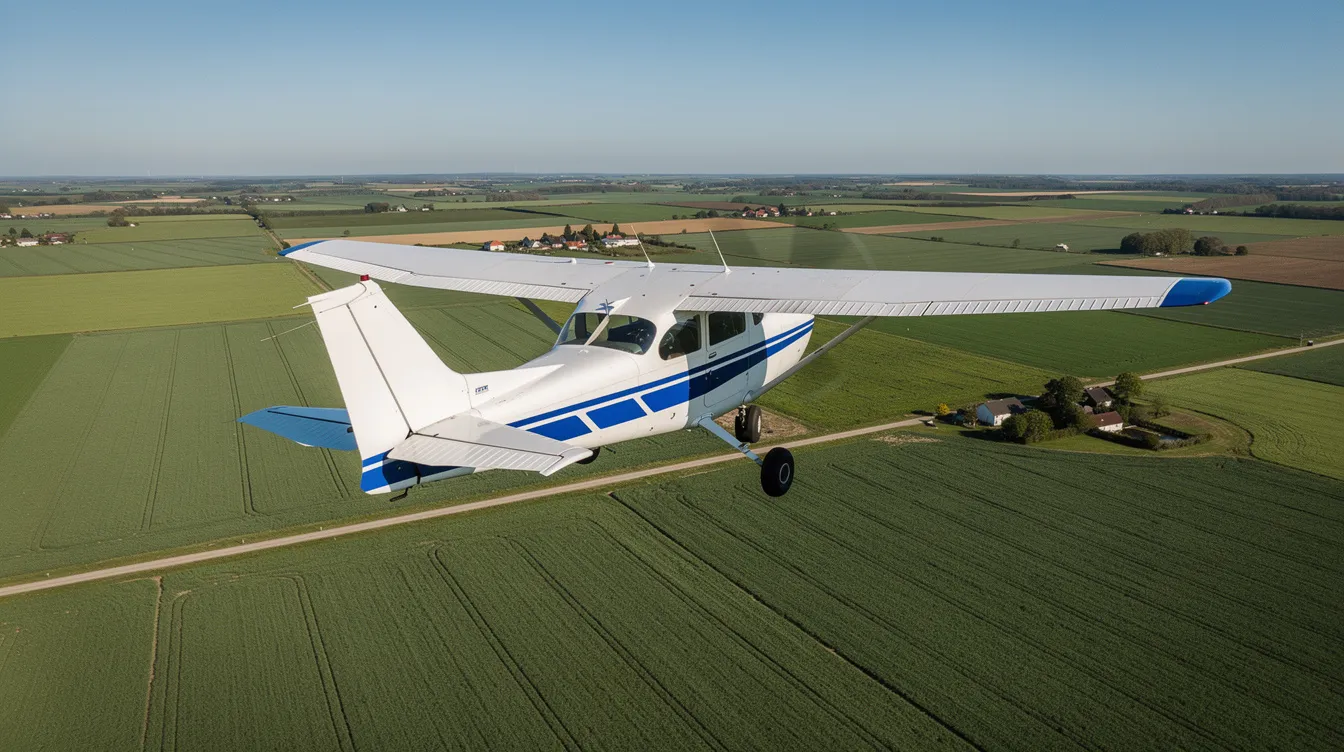
The avioneta Cessna, including models like the Cessna 172 Skyhawk and Grand Caravan, is a popular choice for private flying and flight training. Known for their safety, versatility, and cost-effectiveness, these light aircraft serve a variety of missions from training to charter flights. This guide explores their history, key models, and how to charter a Cessna through Jettly's platform.
Jay Franco Serevilla
Aug 15, 2026
|
5
min read
View all
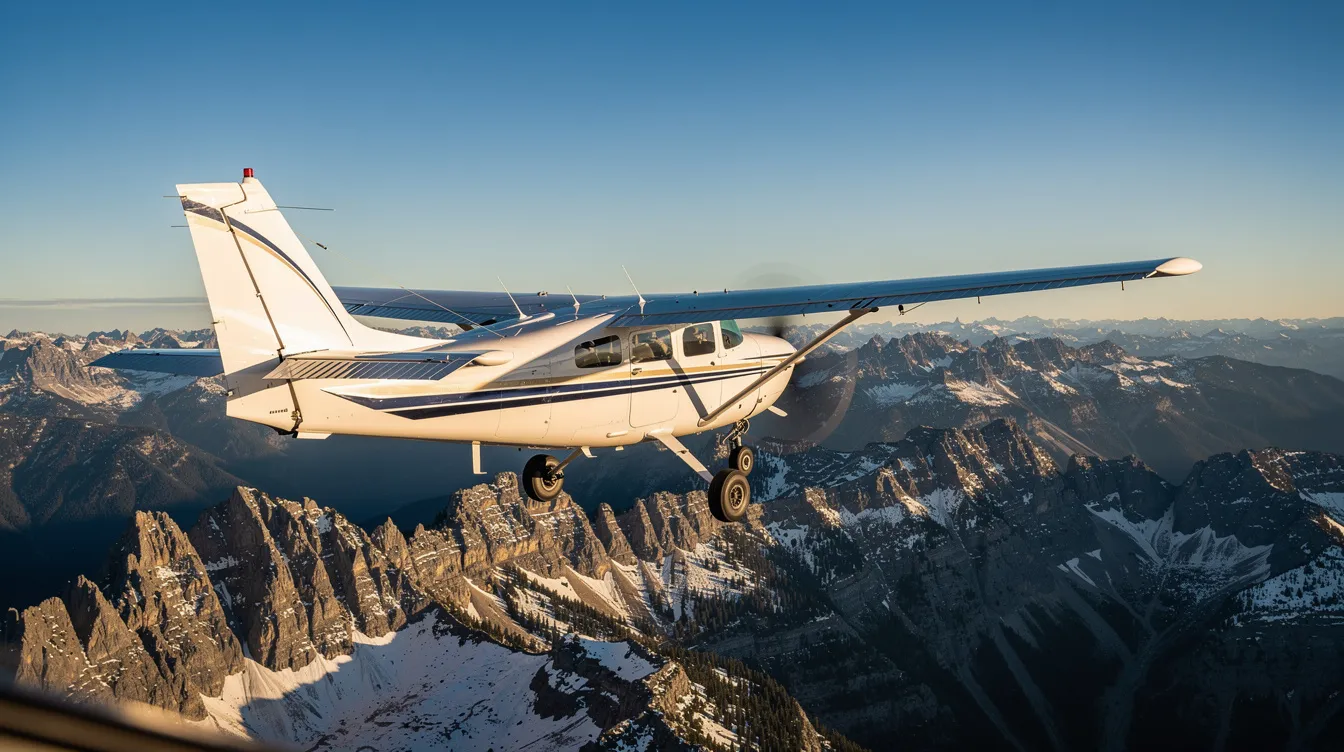
The Cessna Silver Eagle is a unique turboprop conversion of the Cessna P210, featuring a Rolls-Royce engine for enhanced performance and reliability. This guide explores its specifications, ownership considerations, and charter alternatives for those seeking turboprop capabilities without the commitment of ownership.
Jay Franco Serevilla
Aug 15, 2026
|
5
min read
View all
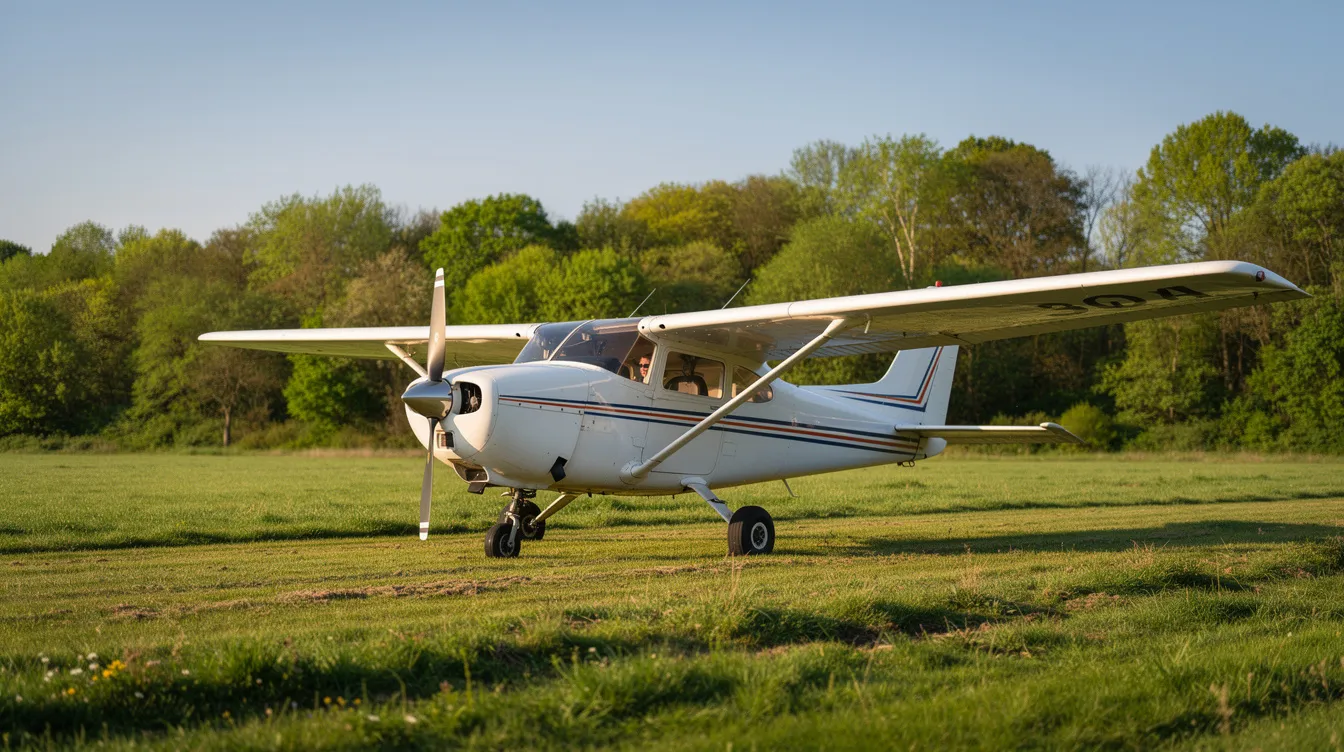
The Cessna 150/150 conversion transforms a standard Cessna 150 into a more powerful and capable aircraft, ideal for training and commuting. With a 150-hp Lycoming engine, it offers improved climb rates and cruise speeds, making it a popular choice among pilots. This guide provides essential information on performance, specifications, and ownership considerations for prospective buyers.
Jay Franco Serevilla
Aug 13, 2026
|
5
min read
Explore our latest articles and updates.
5
min read
Jet Card vs Fractional Share Costs in 2026 (Upfront Funds, Monthly Fees, Hourly Rates, and Terms)
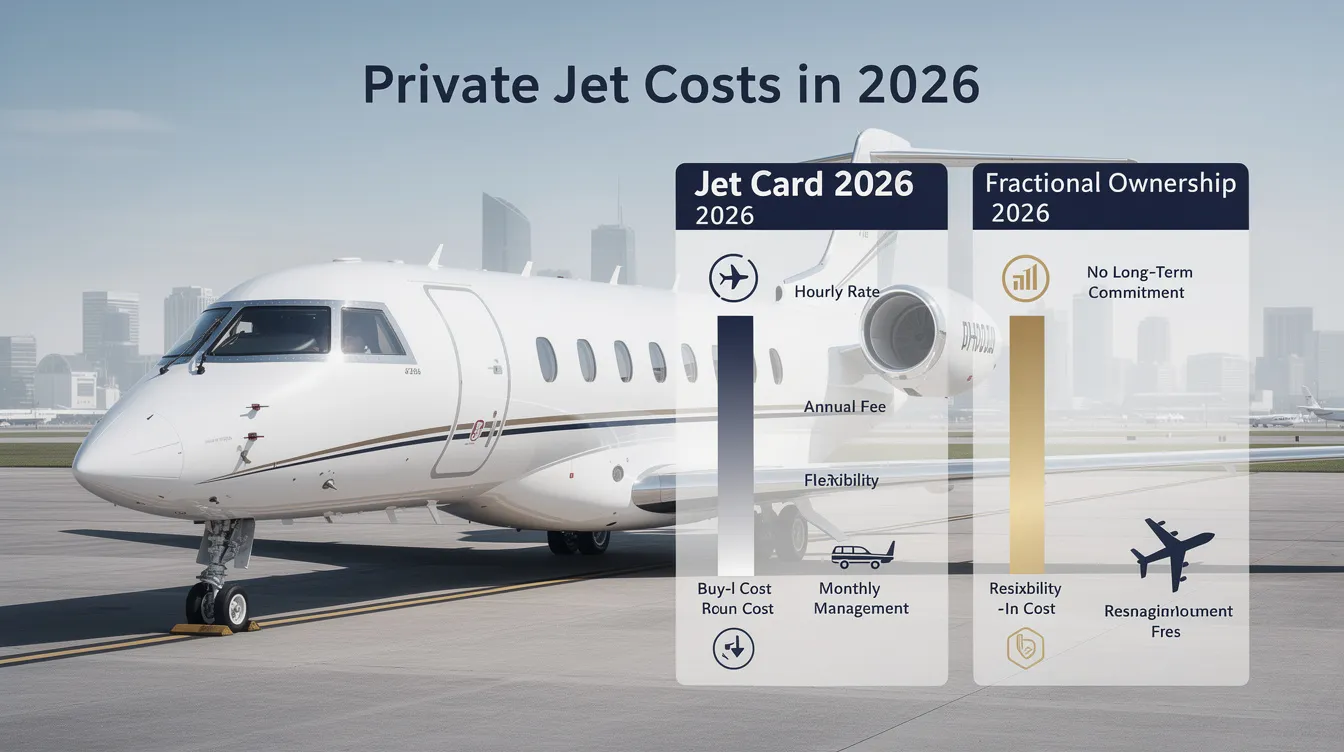
In 2026, private jet access options include jet cards and fractional shares, each with distinct cost structures. Jet cards offer prepaid flight access without ownership, typically involving lower upfront costs and no monthly fees, while fractional shares require significant upfront capital, monthly management fees, and hourly operating charges tied to a multi-year contract. Cost comparisons should consider four key buckets: upfront funds, recurring fees, hourly charges, and contract terms, as well as factors like peak-day surcharges and minimum billing rules. Ultimately, the choice between these options depends on individual flying frequency, budget, and desired flexibility, with Jettly providing a platform for transparent comparisons and bookings.
Read More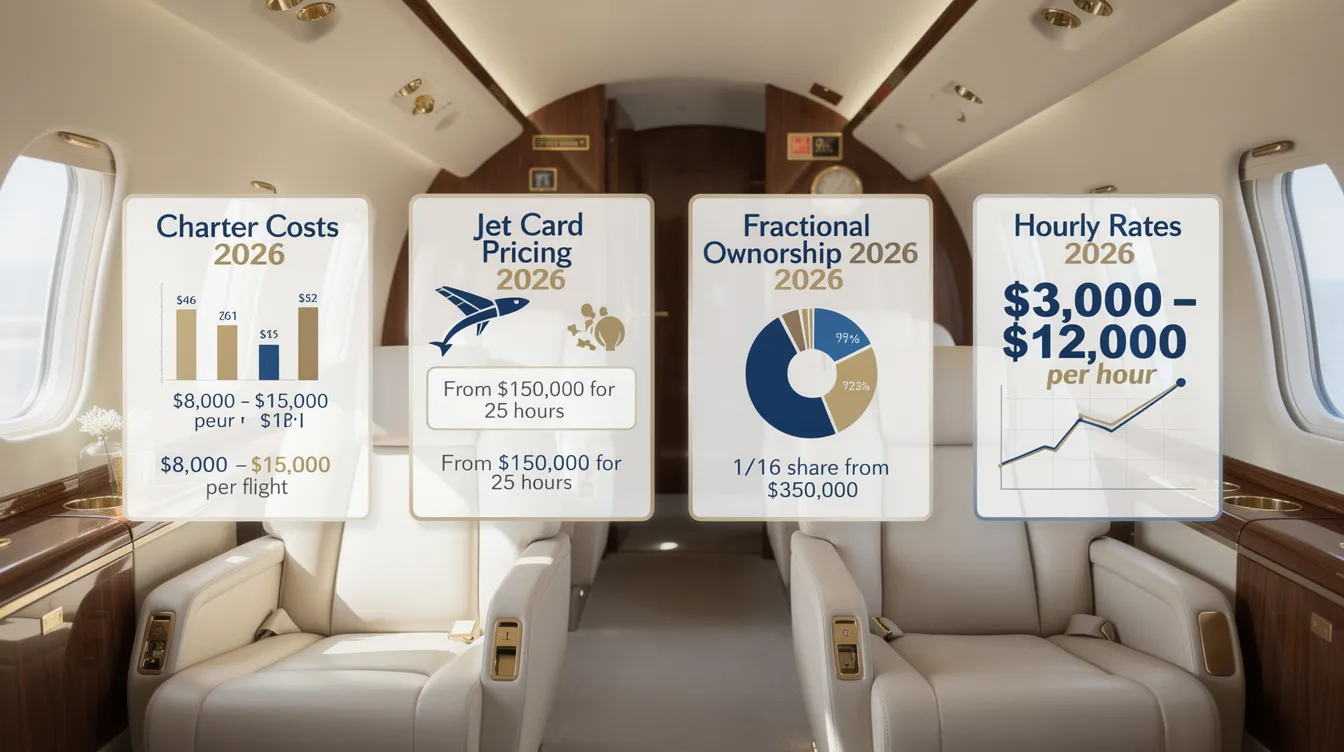
5
min read
Private Jet Costs and Pricing in 2026 (Complete Breakdown With Jettly Program Math)
In 2026, private jet costs are categorized into fixed access fees and variable trip costs, with Jettly providing a detailed breakdown of pricing structures. On-demand charters range from $1,800 to over $15,000 per hour based on aircraft type, while Jettly's 25-hour Jet Card costs $50,000 plus a $12,997 enrollment fee, with hourly rates starting at $3,528. Fractional-style access through Jettly Cloud requires a license fee, monthly management fee, and hourly charges, with costs varying significantly based on usage patterns. To effectively compare quotes, it’s crucial to normalize costs by considering all fees, billing methods, and potential add-ons, ensuring transparency and informed decision-making.
Read MoreJoin our community and receive the latest blog updates directly in your inbox.
MEMBERSHIPS AND ASSOCIATIONS



Disclaimer: Jettly operates as a charter broker, offering access to a global digital jet charter marketplace. Jettly is not a direct air carrier and does not own or operate aircraft. All advertised flights are conducted by third-party air carriers that are fully licensed and hold the appropriate Part 135 or Part 121 certifications issued by the Federal Aviation Administration (FAA) or equivalent regulatory authorities under U.S. or foreign law. Jettly complies fully with the U.S. Department of Transportation's Part 295 and Part 298 Charter Broker regulations. Jettly does not carry additional liability insurance. Passengers are covered by aircraft operator insurance. TICO: 50023770


