


Login
Get Instant Pricing On 23,000+ Aircraft


The Wheels Up private jet center FBO at Cincinnati/Northern Kentucky International Airport has transitioned to PremierFBO, operated by Premier Private Jets since April 2025. This guide details the changes, current services, and booking processes for private aviation travelers using this key facility.
Jeff Ryan Serevilla
Sep 22, 2026
|
5
min read


View all
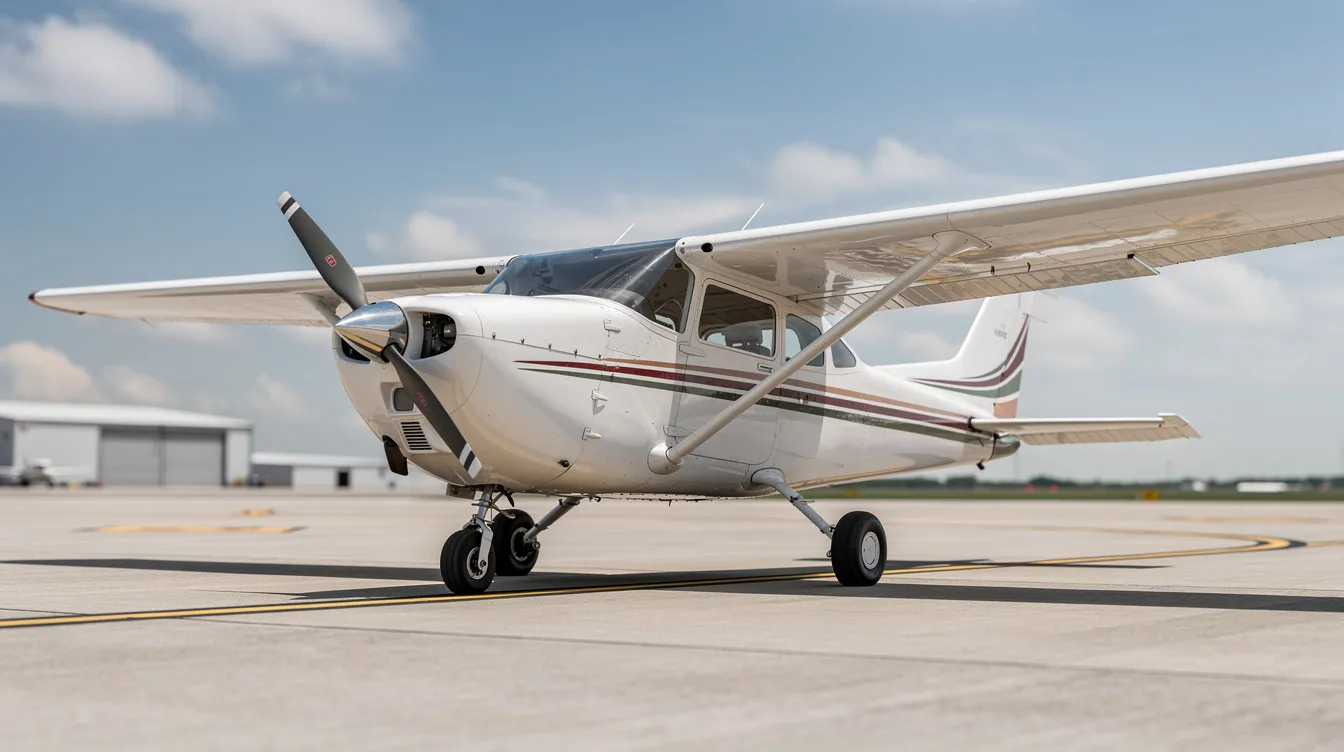
The Cessna 172 Skyhawk features a high-wing design that has evolved significantly since its introduction in 1955. Owners considering wing swaps must navigate compatibility, FAA regulations, and maintenance documentation to ensure airworthiness and safety. Understanding these factors is crucial for both aircraft owners and renters in the private aviation market.
Jay Franco Serevilla
Aug 13, 2026
|
5
min read
View all
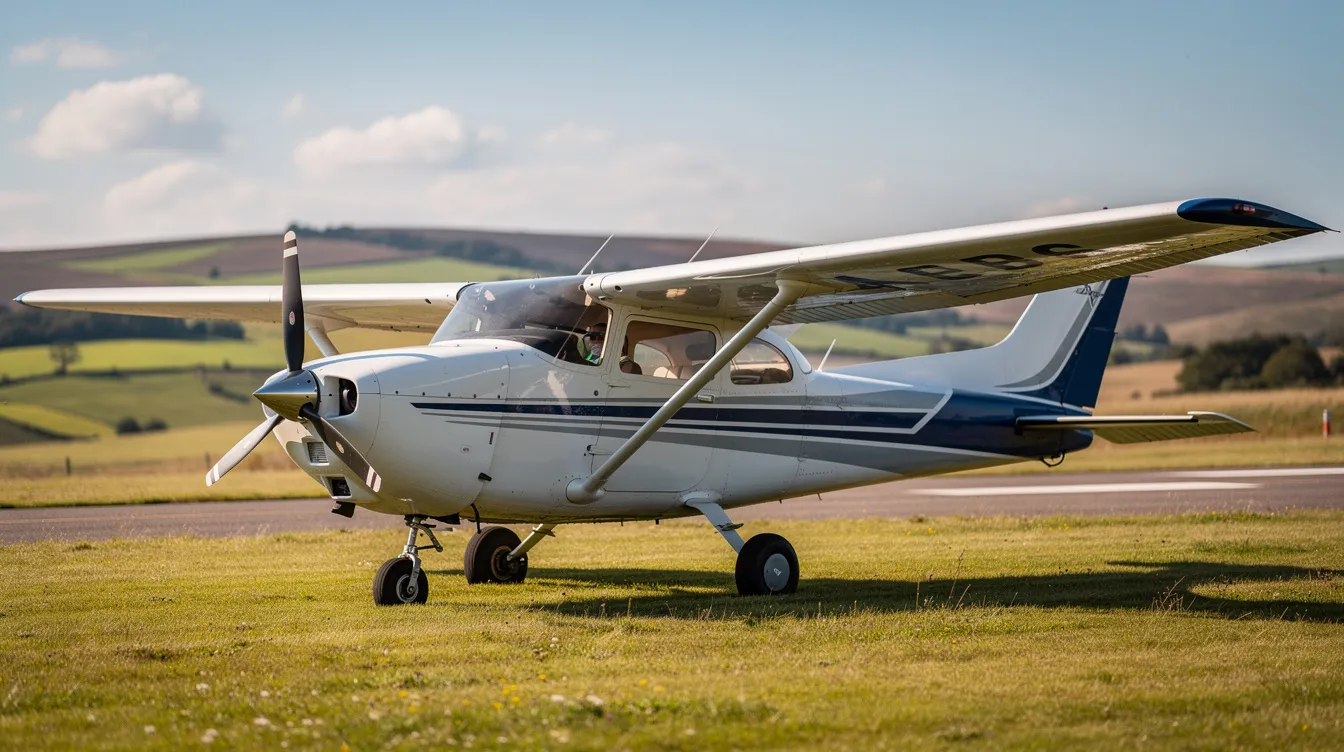
The Cessna 172, powered by reliable Lycoming and Continental engines, has become the most popular training aircraft in history. Its efficient design and manageable performance make it ideal for flight schools and private owners. Understanding its engine variants, fuel systems, and maintenance needs is crucial for pilots and aviation enthusiasts alike.
Jay Franco Serevilla
Aug 13, 2026
|
5
min read
View all
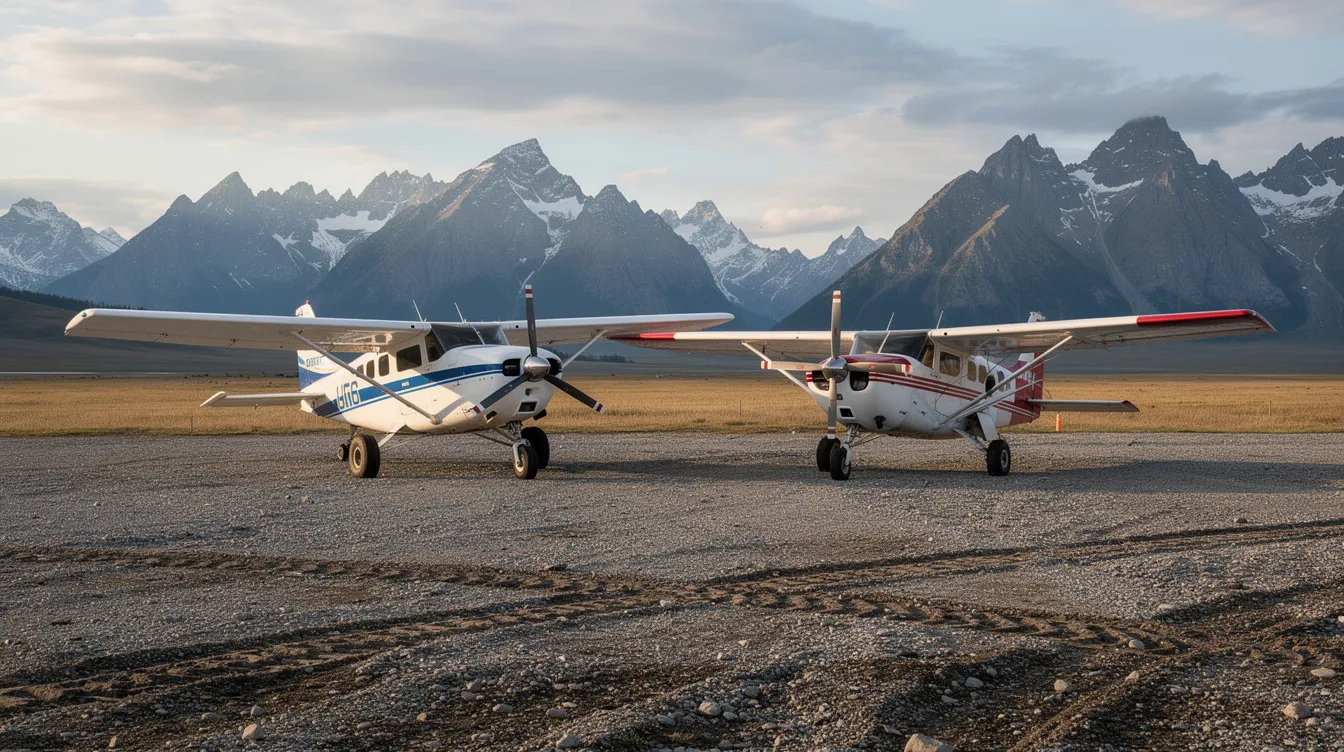
The Cessna 206 and 207 are rugged utility aircraft designed for different missions. The 206 excels in short-field performance and versatility for personal use, while the 207 is optimized for heavier loads and larger groups. Understanding their differences in capacity, performance, and operational costs is crucial for selecting the right aircraft for your needs.
Jay Franco Serevilla
Aug 13, 2026
|
5
min read

View all
The Cessna 172 Skyhawk, a staple in aviation, has a service ceiling of 13,500 to 14,000 feet, with some variants reaching up to 15,000 feet. While it excels in flight training and short trips, factors like weight and weather can limit its altitude performance. For higher, faster travel, private jets are a more suitable option.
Jay Franco Serevilla
Aug 13, 2026
|
5
min read
View all
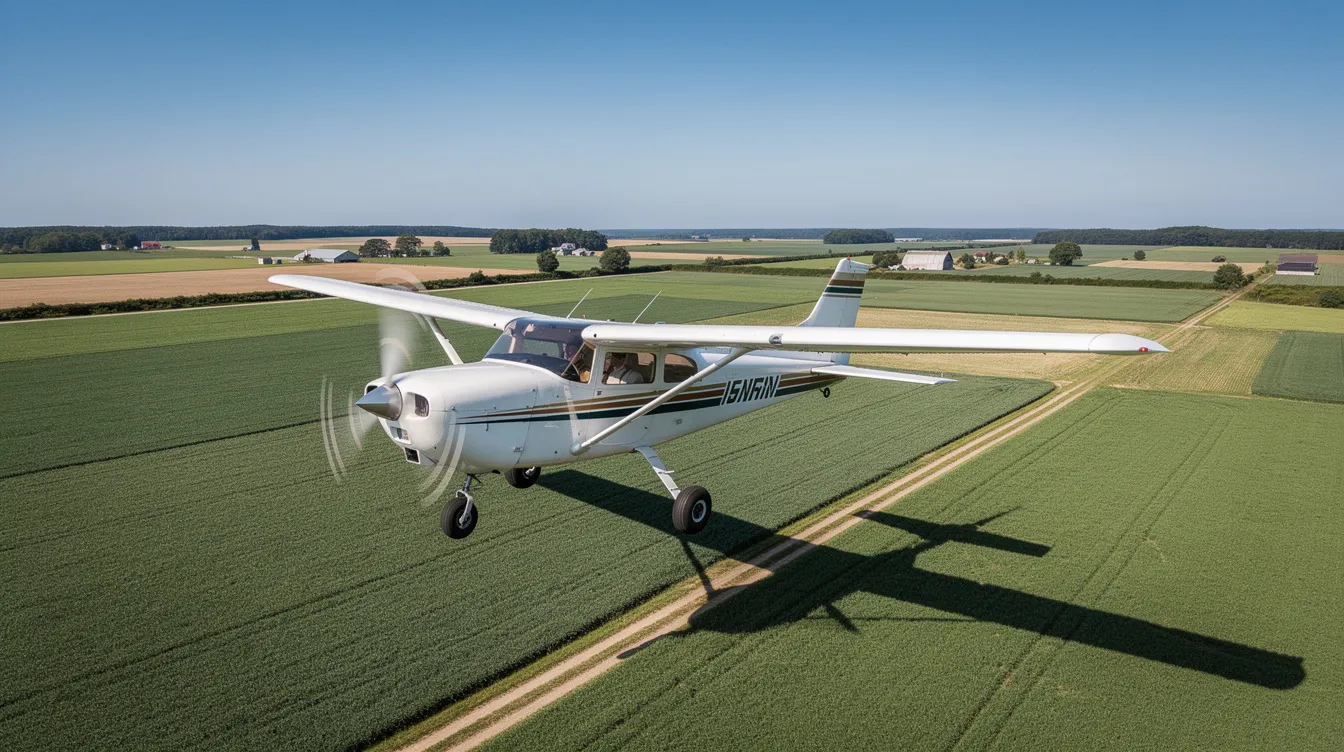
Cessna single-engine aircraft, particularly the Cessna 172 Skyhawk, are essential in pilot training and personal flying due to their affordability and stability. This guide explores their history, key models, ownership costs, and how they integrate with private charter services like Jettly for longer trips. Understanding these aircraft helps pilots and enthusiasts make informed decisions about training and travel.
Jay Franco Serevilla
Aug 13, 2026
|
5
min read
View all
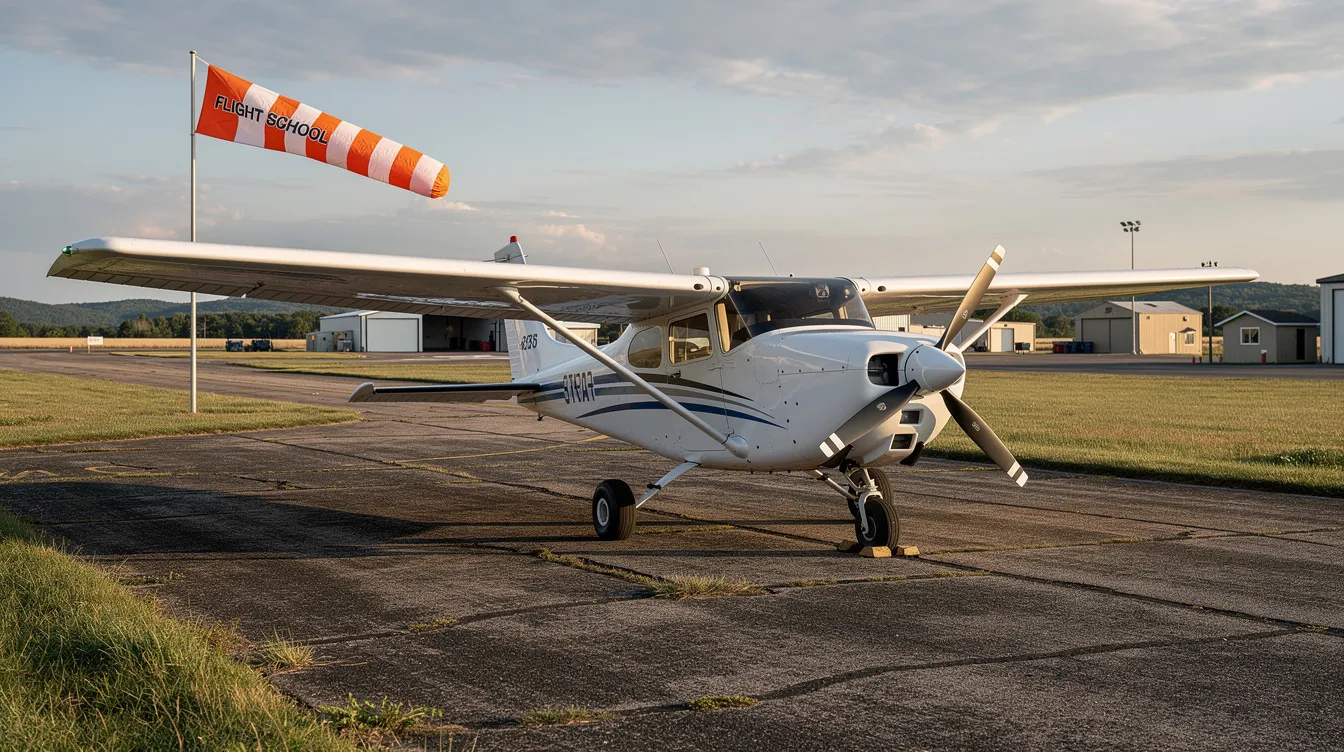
Choosing between the Cessna 152 and Cessna 172 is crucial for student pilots. This guide outlines their key differences, including cost, performance, and comfort, helping you make an informed decision based on your training needs and budget.
Jay Franco Serevilla
Aug 12, 2026
|
5
min read
Explore our latest articles and updates.
5
min read
Can Private Pilots Make Money? A Practical Guide to Legal Earning Options
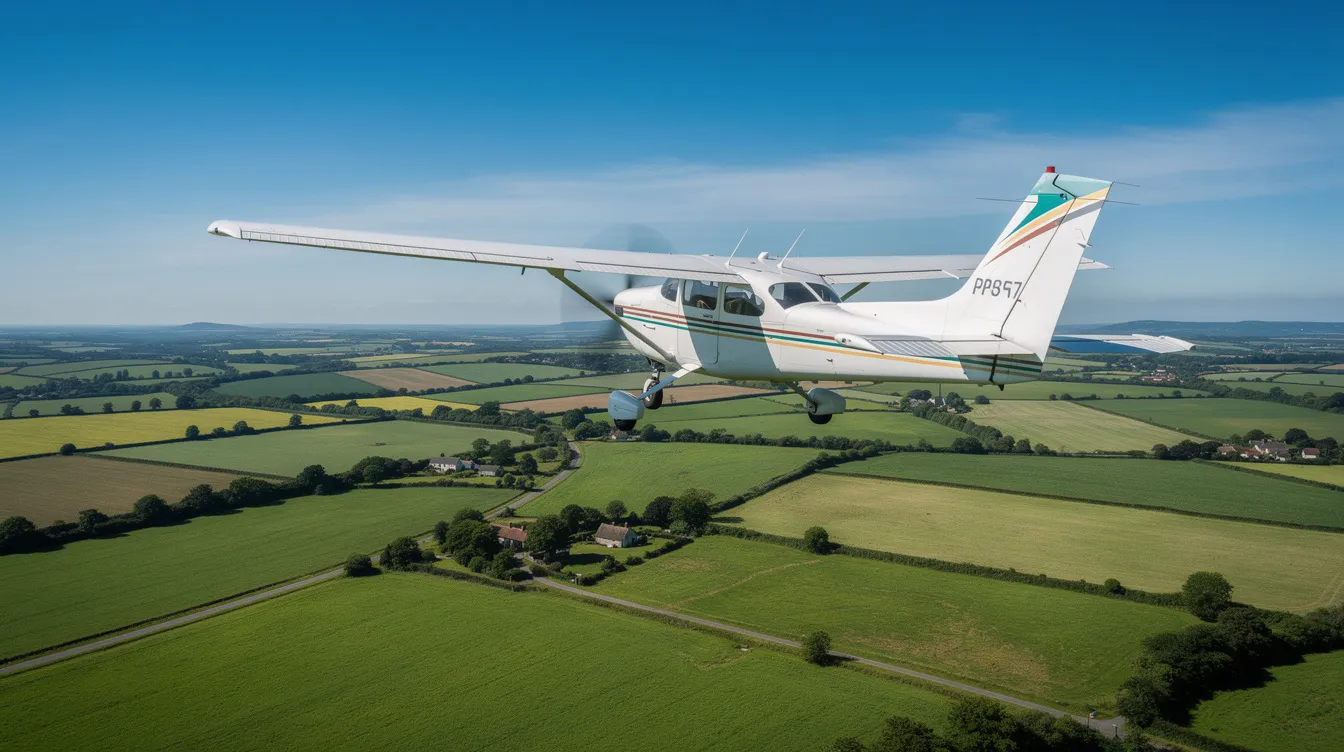
Private pilots can earn money legally, but only under specific and regulated circumstances, primarily outlined in 14 CFR 61.113. They may share flight costs with passengers, conduct business-related flights, participate in charity events, and engage in activities like towing gliders or performing demo flights for aircraft sales, among others. However, substantial income typically requires a commercial pilot license, which opens up more paid flying opportunities. While private pilots can offset costs through limited avenues, a commercial pilot certificate is essential for a stable and meaningful aviation career.
Read More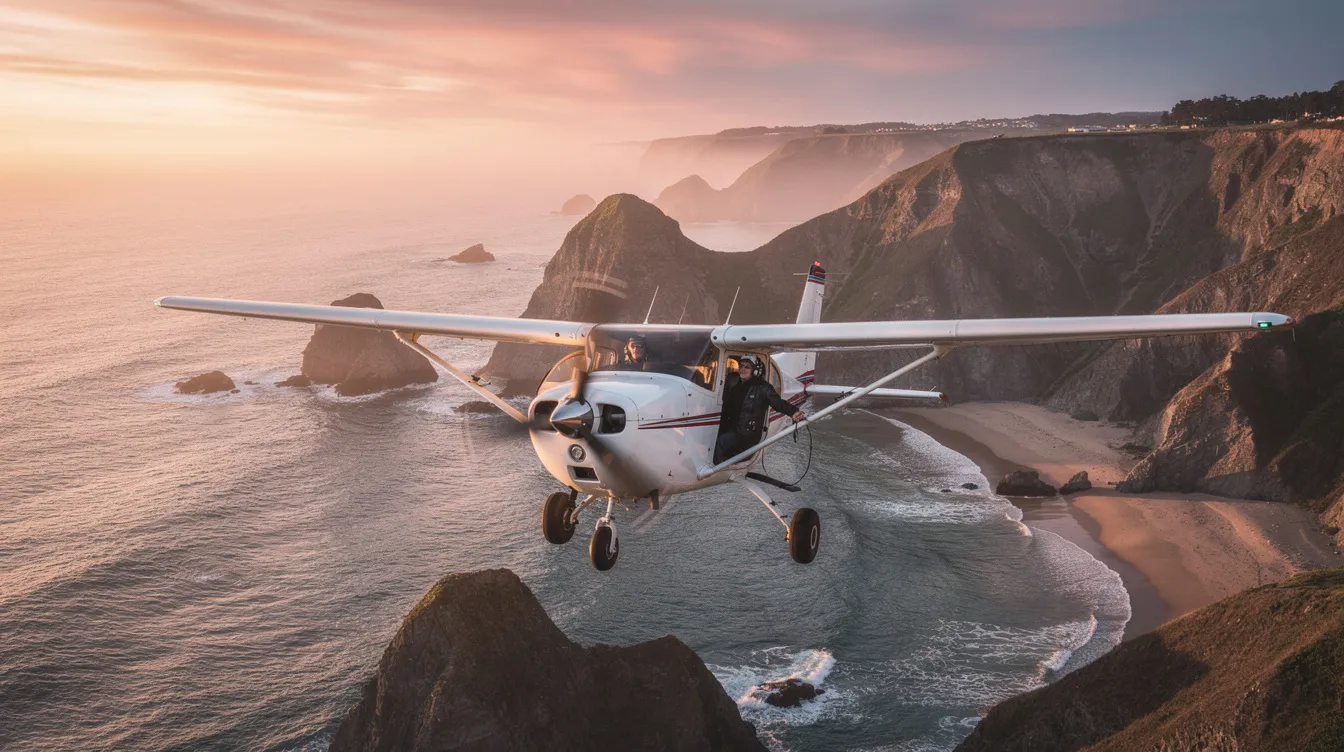
5
min read
What Can You Do with a Private Pilot License?
A Private Pilot License (PPL) allows holders to fly single-engine and some multi-engine aircraft for personal and business travel, carry passengers, and operate under Visual Flight Rules (VFR) in good weather. While pilots cannot fly for compensation, they can share operating expenses with passengers and enjoy various flying experiences, including scenic flights, cross-country trips, and volunteer missions. The PPL serves as a foundation for further aviation training, such as obtaining an instrument rating or a commercial pilot license. Additionally, many pilots complement their flying with private jet charters for longer or more complex trips, enhancing their travel flexibility.
Read MoreJoin our community and receive the latest blog updates directly in your inbox.
MEMBERSHIPS AND ASSOCIATIONS



Disclaimer: Jettly operates as a charter broker, offering access to a global digital jet charter marketplace. Jettly is not a direct air carrier and does not own or operate aircraft. All advertised flights are conducted by third-party air carriers that are fully licensed and hold the appropriate Part 135 or Part 121 certifications issued by the Federal Aviation Administration (FAA) or equivalent regulatory authorities under U.S. or foreign law. Jettly complies fully with the U.S. Department of Transportation's Part 295 and Part 298 Charter Broker regulations. Jettly does not carry additional liability insurance. Passengers are covered by aircraft operator insurance. TICO: 50023770


