


Login
Get Instant Pricing On 23,000+ Aircraft

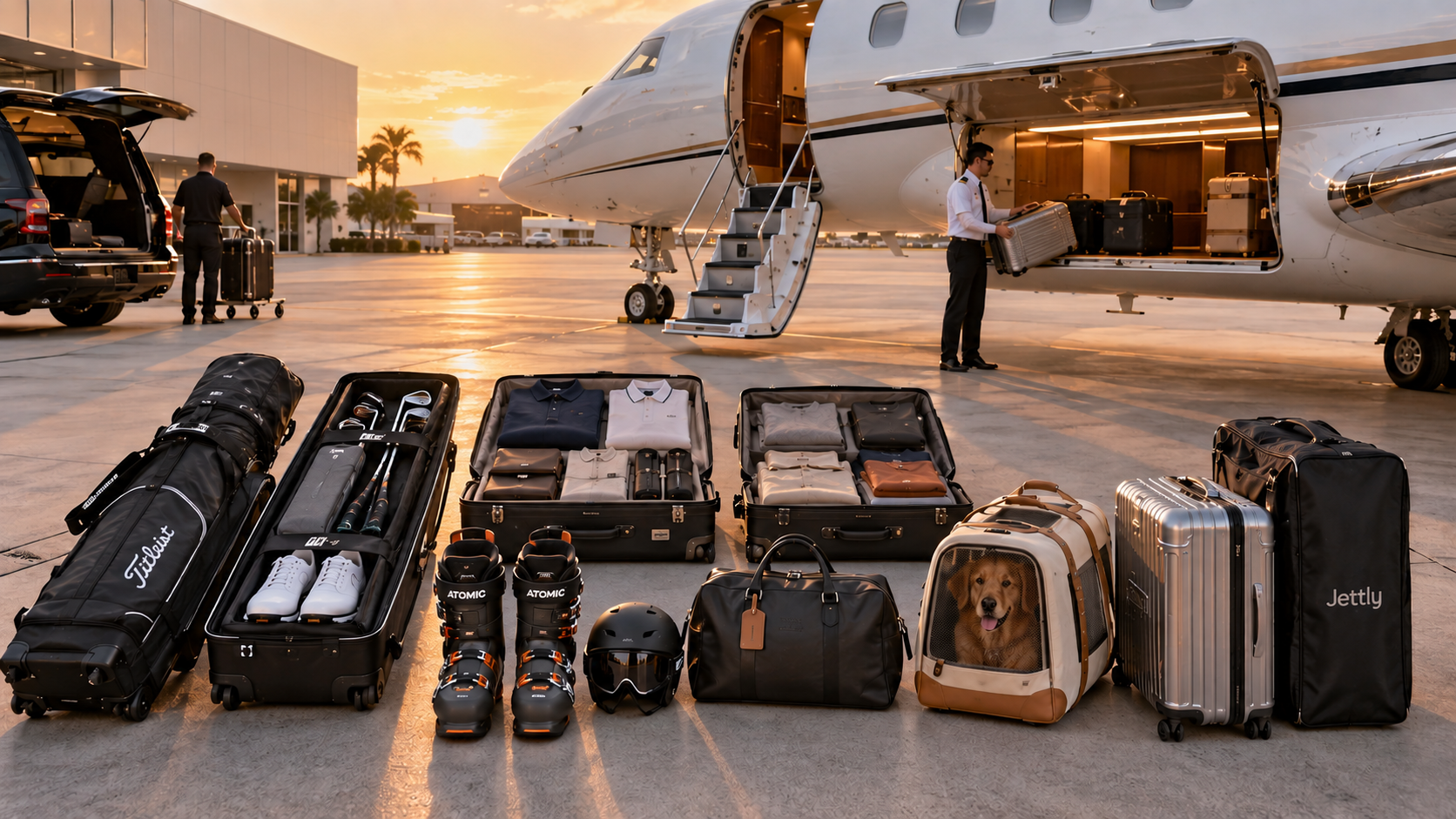
Understanding private jet baggage limits is crucial for a smooth travel experience, especially for first-time charter travelers. Unlike commercial airlines, private jet luggage policies vary by aircraft class and operator, focusing on baggage volume, weight, and fit through the baggage door. This guide provides insights into luggage allowances by aircraft class for 2026, helping travelers plan effectively.
Jeff Ryan Serevilla
Sep 25, 2026
|
5
min read


View all
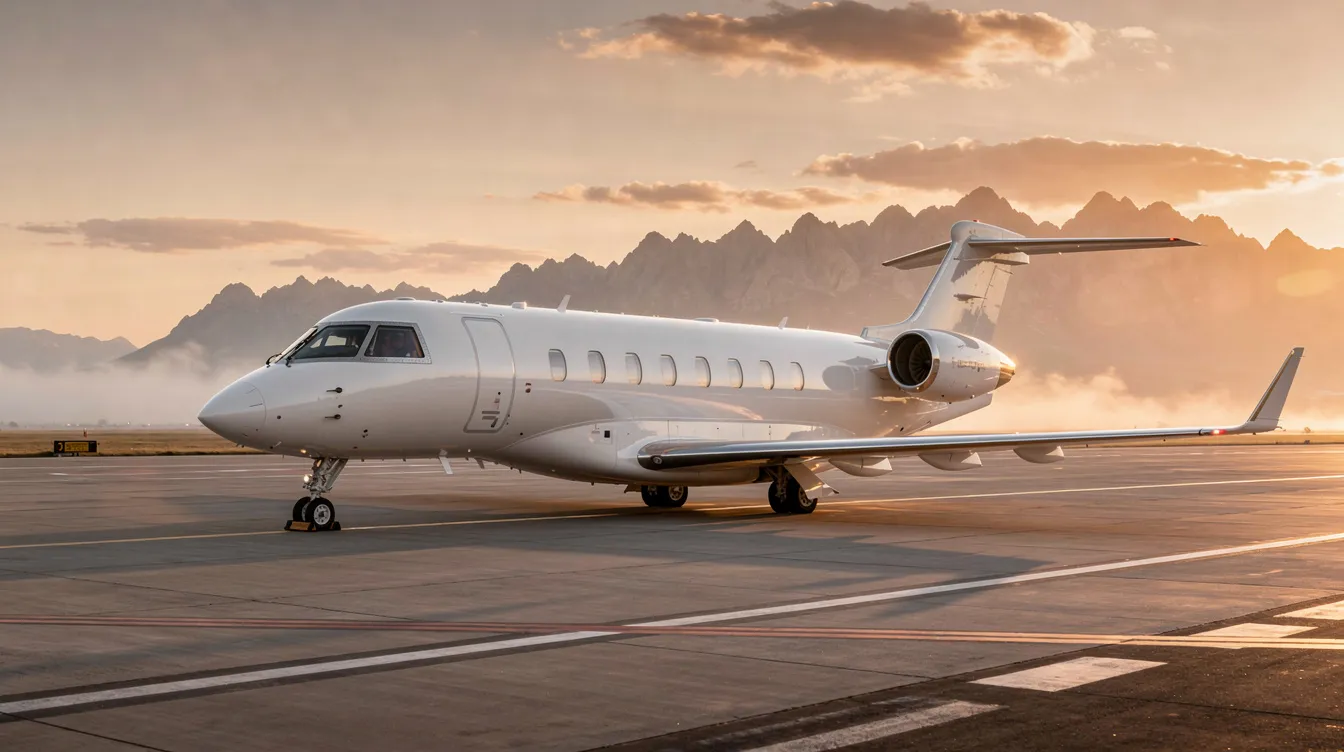
Traveling internationally by private jet offers unparalleled convenience and flexibility, allowing passengers to bypass crowded commercial airports and streamline customs processes. Jettly provides access to over 20,000 aircraft worldwide, making it easy to book tailored flights that fit individual schedules and preferences. This guide explores the unique aspects of international private flights, including costs, aircraft types, and the booking process.
Jay Franco Serevilla
Aug 5, 2026
|
5
min read
View all
Choosing the right name for a plane company is crucial for branding and operational success in the aviation industry. This guide provides insights into effective naming strategies, legal considerations, and branding applications, drawing lessons from established airlines and aircraft manufacturers. By understanding the importance of trust, clarity, and memorability, aviation entrepreneurs can create impactful names that resonate with customers and regulators alike.
Jay Franco Serevilla
Aug 5, 2026
|
5
min read
View all
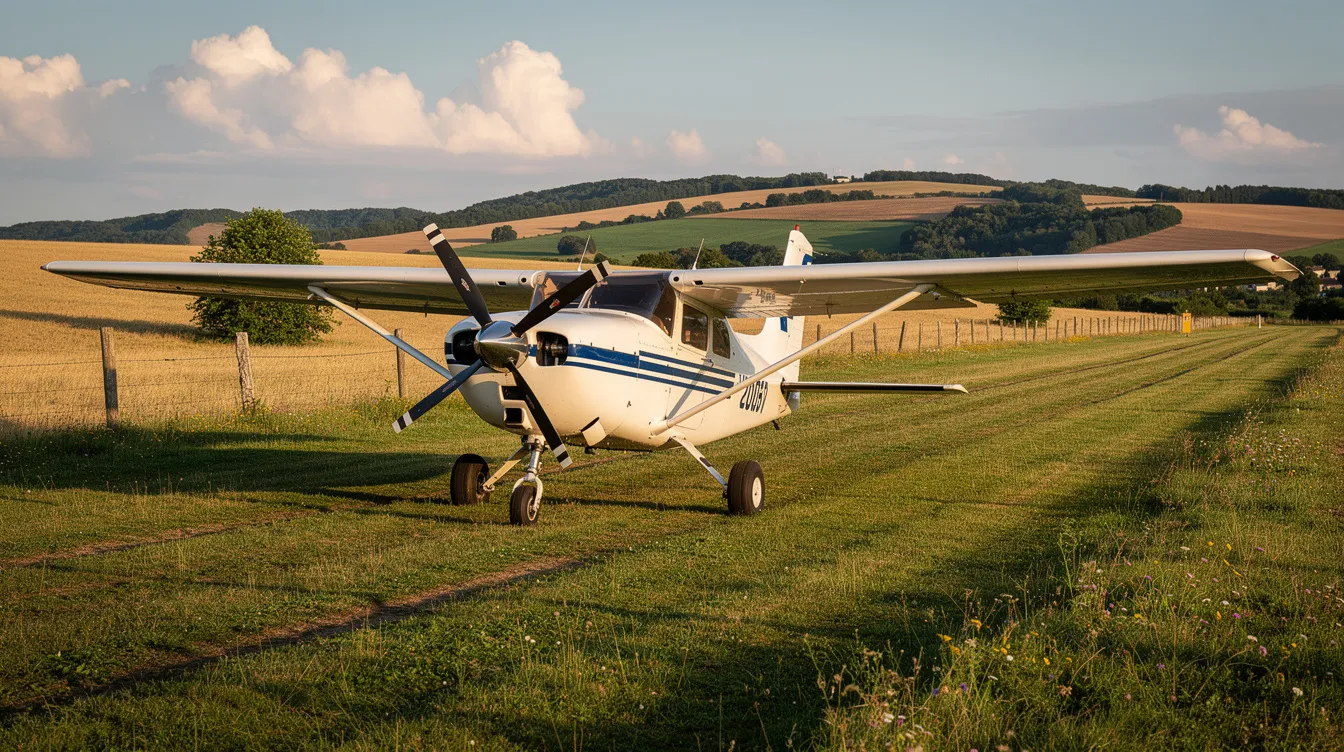
In 2026, the cheapest private planes start at around $25,000 for older piston aircraft, with turboprops costing between $300,000 and $600,000, and very light jets starting at about $1 million. This guide explores various aircraft types, their purchase prices, and ongoing costs, emphasizing that chartering through platforms like Jettly can often be more economical than ownership for infrequent flyers.
Jay Franco Serevilla
Aug 5, 2026
|
5
min read
View all
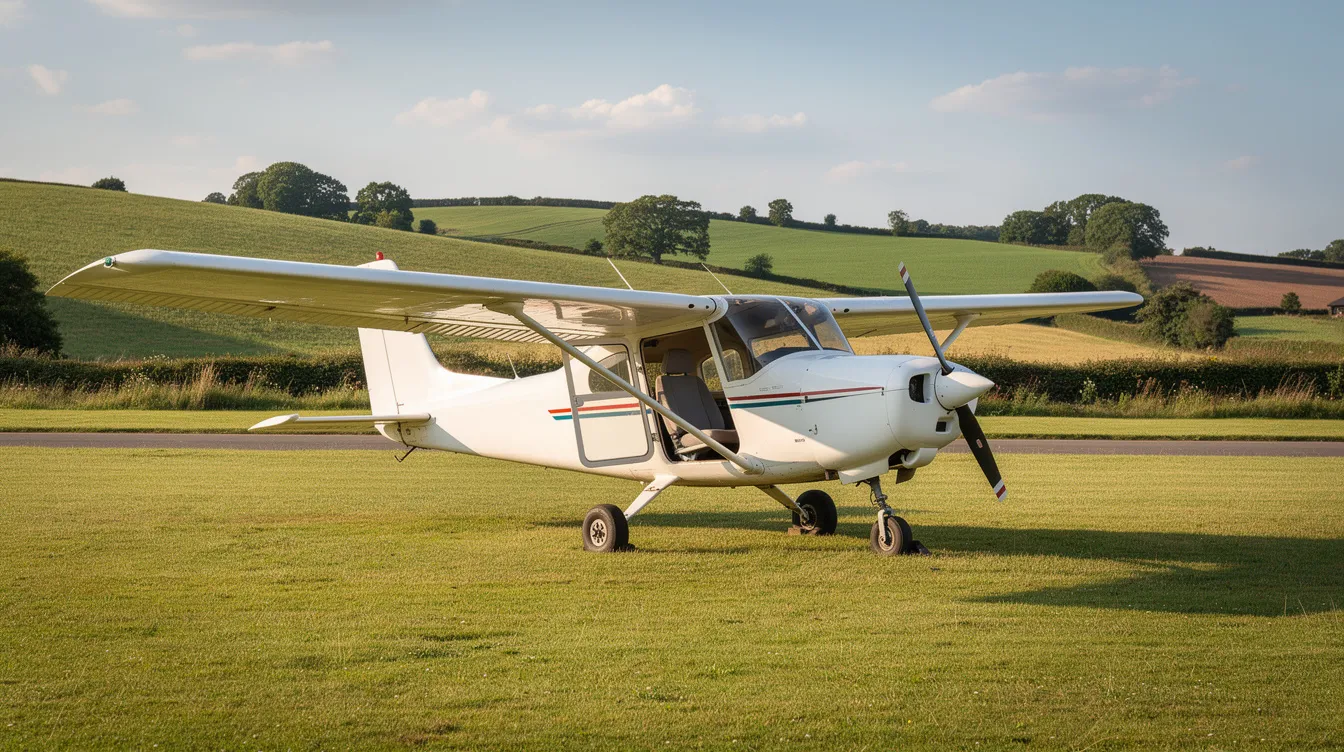
This comprehensive buyer's guide details the process of purchasing Zenith aircraft, including popular models like the STOL CH 701 and CH 750. It covers pricing trends from 2024 to 2026, key inspection points, and alternative options like chartering through Jettly. Buyers are encouraged to focus on build quality and maintenance history to ensure a sound investment.
Jay Franco Serevilla
Aug 5, 2026
|
5
min read
View all
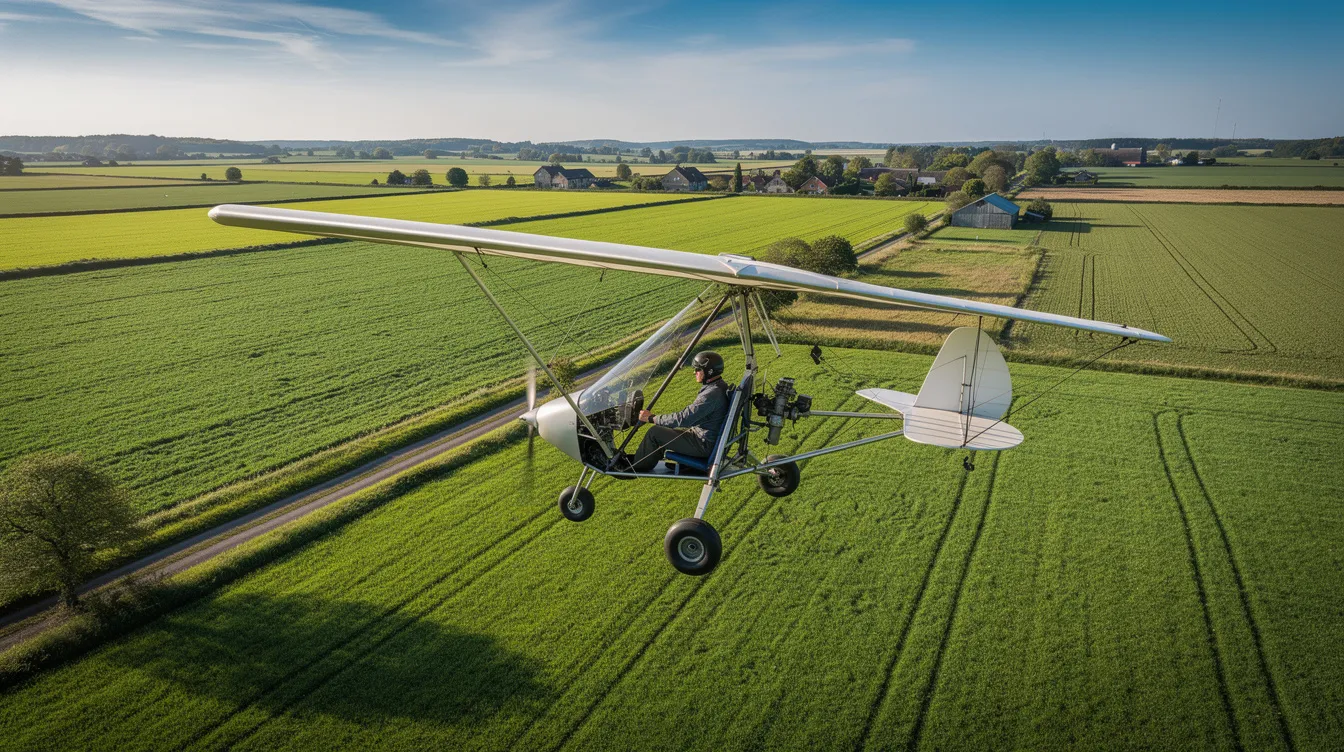
Ultralight planes are an excellent choice for aviation enthusiasts and first-time buyers in 2026, offering affordable entry into personal flying. This guide covers essential information on prices, regulations, and how Jettly complements your flying plans, ensuring you make informed decisions. Understanding the differences between ultralights, light sport aircraft, and experimental builds is crucial for navigating the market.
Jay Franco Serevilla
Aug 5, 2026
|
5
min read
View all
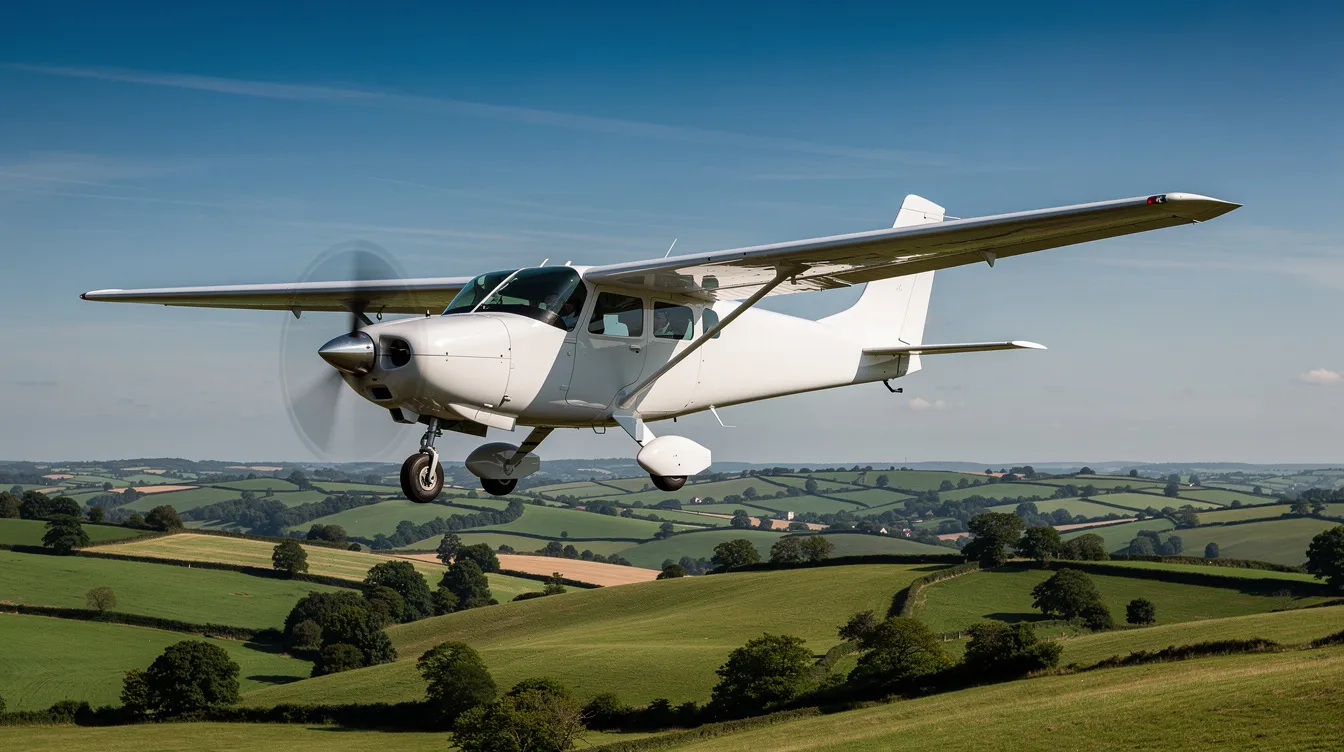
This comprehensive guide explores the market for Velocity airplanes, detailing specifications, pricing, and essential considerations for potential buyers. It also highlights charter alternatives through Jettly, offering insights into the benefits of both ownership and chartering. Whether you're a pilot or an aviation enthusiast, understanding these options is crucial for making informed decisions.
Jay Franco Serevilla
Aug 5, 2026
|
5
min read
Explore our latest articles and updates.
5
min read
Can You Take Cigarettes on an Airplane? (Commercial & Private Jet Rules)
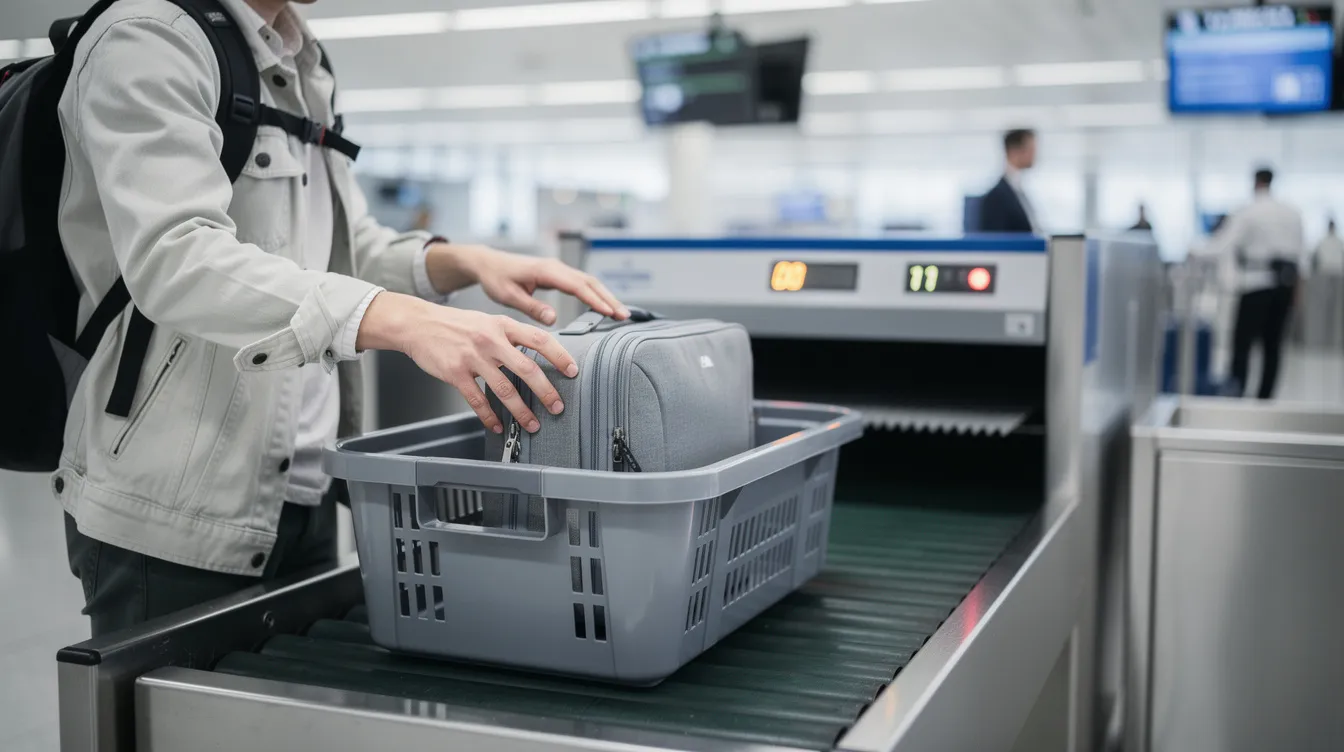
Cigarettes can be carried in both carry-on and checked luggage on most airlines, but smoking on commercial flights is strictly prohibited, with fines up to $4,000 for violations. While there are no domestic limits on the number of cigarettes for personal use in the U.S., international travel is subject to customs regulations, typically allowing around 200 cigarettes duty-free per adult, though this varies by country. Lighters, vapes, and other smoking accessories have stricter rules, often requiring them to be kept in carry-on luggage only. Private jet charters may allow smoking if permitted by the aircraft owner and operator, offering more flexibility compared to commercial flights.
Read More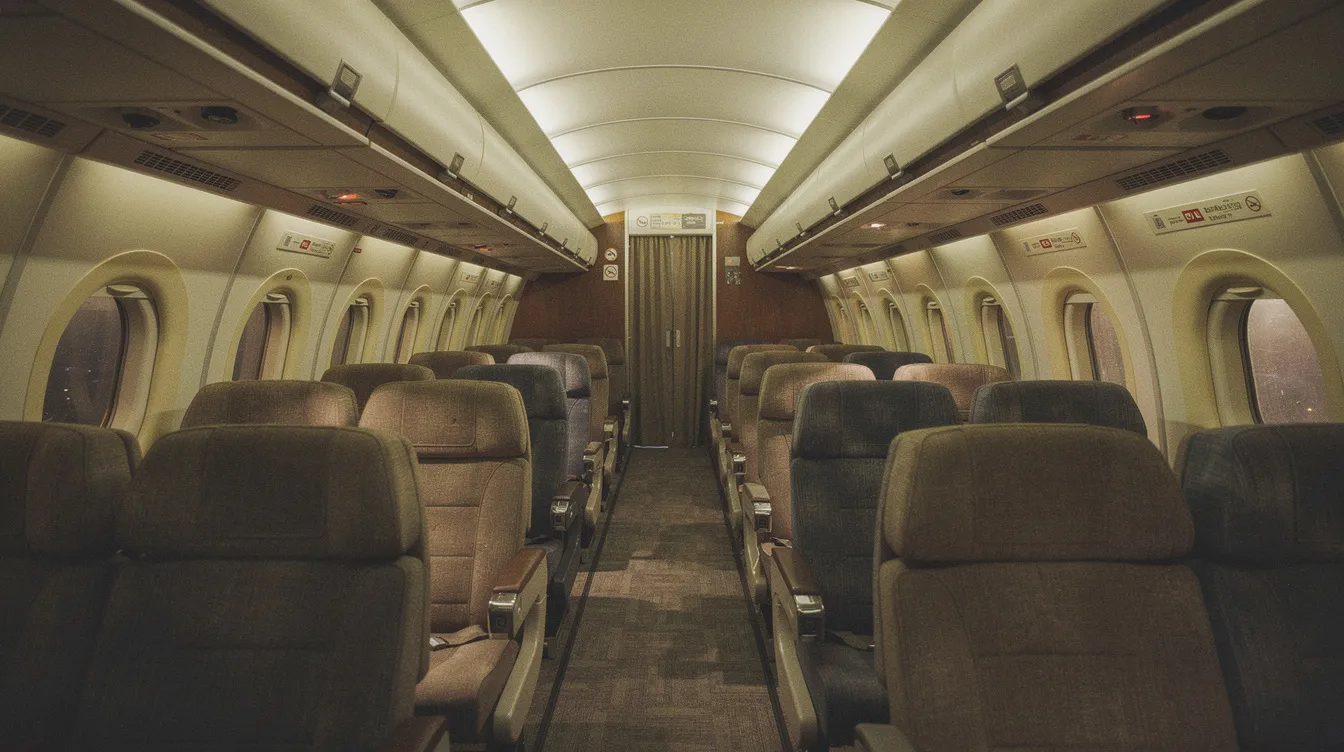
5
min read
When Was Smoking on Airplanes Banned? A Timeline for Commercial and Private Flights
Smoking on U.S. airplanes was gradually banned, starting with domestic flights under two hours in 1988 and culminating in a complete federal ban on June 4, 2000. This movement was driven by health and safety concerns, particularly regarding secondhand smoke and fire risks, despite resistance from the tobacco industry. By the early 2000s, most commercial airlines worldwide had adopted similar smoking bans, leading to a universal expectation of smoke-free flights. Today, smoking and vaping are prohibited on nearly all commercial and private flights, reflecting a commitment to passenger safety and comfort.
Read MoreJoin our community and receive the latest blog updates directly in your inbox.
MEMBERSHIPS AND ASSOCIATIONS



Disclaimer: Jettly operates as a charter broker, offering access to a global digital jet charter marketplace. Jettly is not a direct air carrier and does not own or operate aircraft. All advertised flights are conducted by third-party air carriers that are fully licensed and hold the appropriate Part 135 or Part 121 certifications issued by the Federal Aviation Administration (FAA) or equivalent regulatory authorities under U.S. or foreign law. Jettly complies fully with the U.S. Department of Transportation's Part 295 and Part 298 Charter Broker regulations. Jettly does not carry additional liability insurance. Passengers are covered by aircraft operator insurance. TICO: 50023770


