


Login
Get Instant Pricing On 23,000+ Aircraft


The Wheels Up private jet center FBO at Cincinnati/Northern Kentucky International Airport has transitioned to PremierFBO, operated by Premier Private Jets since April 2025. This guide details the changes, current services, and booking processes for private aviation travelers using this key facility.
Jeff Ryan Serevilla
Sep 22, 2026
|
5
min read



View all
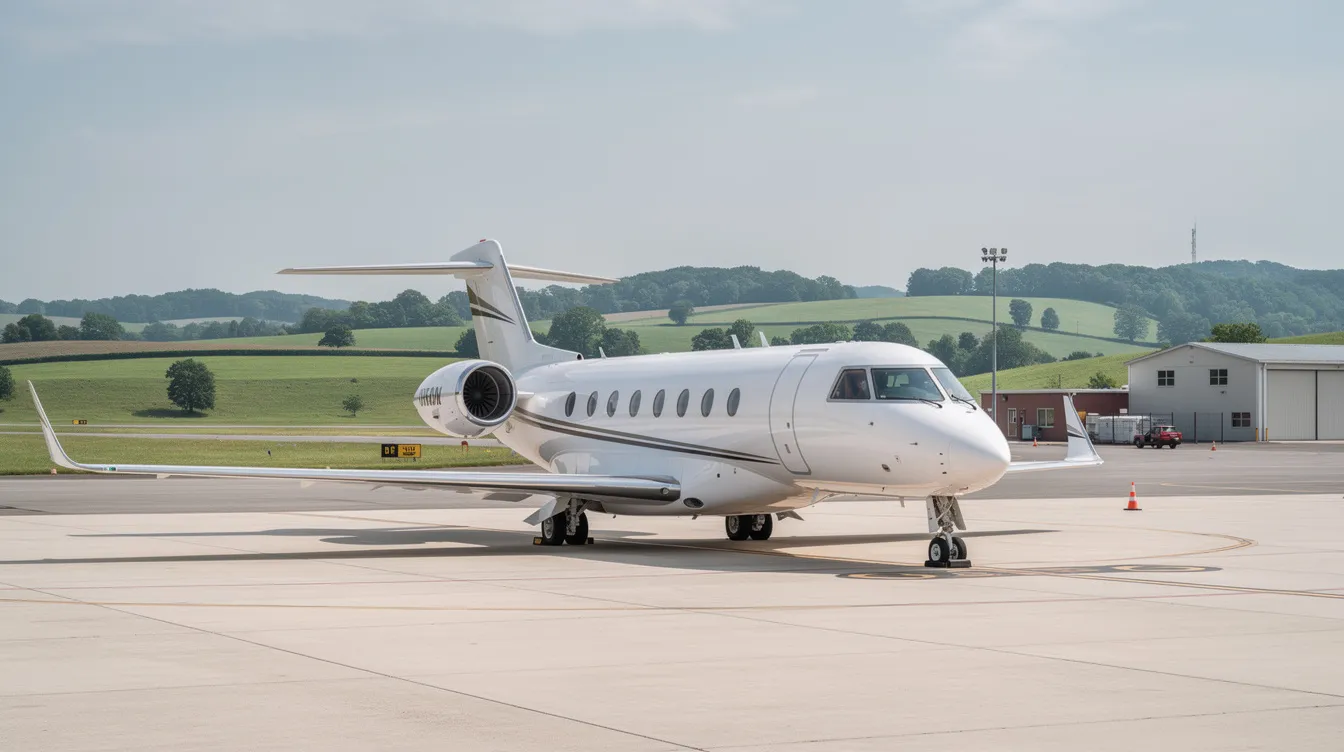
Charter plane travel in Costa Rica offers a fast and flexible alternative to lengthy ground journeys, allowing travelers to reach remote destinations quickly. Jettly connects users to a wide range of aircraft options, making it easy to book private flights tailored to individual needs. With costs ranging from $240 to $3,600, chartering a plane can be surprisingly affordable, especially for groups.
Jay Franco Serevilla
Aug 2, 2026
|
5
min read
View all
Chartering a flight has never been easier, offering travelers flexibility and privacy. This step-by-step guide covers everything from defining trip needs to booking through platforms like Jettly, ensuring a seamless private aviation experience.
Jay Franco Serevilla
Aug 2, 2026
|
5
min read
View all
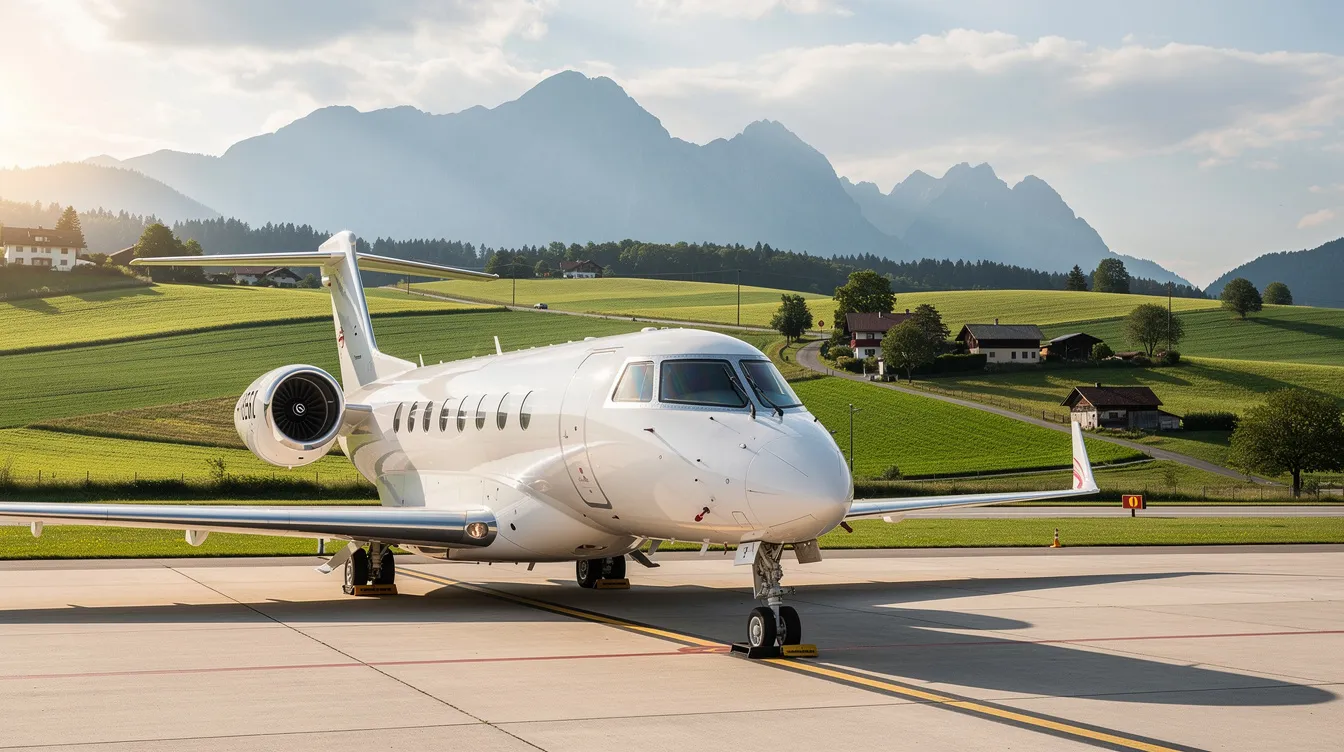
European aviation charters offer flexible, on-demand flights for business and leisure travelers, allowing exclusive use of aircraft and customizable schedules. Jettly connects clients with over 20,000 vetted charter operators across Europe and beyond, simplifying the booking process and enhancing travel convenience.
Jay Franco Serevilla
Aug 2, 2026
|
5
min read

View all
Knowing when to buy cheaper flights can save you money on both commercial and private jet travel. This guide outlines optimal booking windows, price trends, and tips for securing the best deals, ensuring you travel smarter and more affordably. From domestic to international flights, understanding pricing patterns is key to maximizing your travel budget.
Jay Franco Serevilla
Aug 2, 2026
|
5
min read

View all
The Cirrus Vision Jet boasts a maximum range of approximately 1,275 nautical miles, but typical charter flights usually operate between 600 to 900 nautical miles. This article explores the Vision Jet's range, performance, safety features, and how it compares to other private jets, helping travelers determine if it meets their charter needs. Jettly's platform utilizes this range data to match travelers with the most suitable aircraft for their missions.
Jay Franco Serevilla
Aug 2, 2026
|
5
min read

View all
The Cirrus SR22T ownership costs in 2026 range from $1.15 million to $1.4 million for new models, with operating costs between $350 and $550 per flight hour. Buyers should consider fixed costs, financing, and the potential benefits of chartering through platforms like Jettly for those flying less frequently. Understanding these financial aspects is crucial for making informed decisions about aircraft ownership versus chartering.
Jay Franco Serevilla
Aug 2, 2026
|
5
min read
Explore our latest articles and updates.

5
min read
Piper Navajo Cost Per Hour: Operating Costs, Ownership & Charter Economics
The operating costs for a privately owned Piper Navajo range from $325 to $420 per flight hour, while chartering the Navajo Chieftain costs approximately $1,127 per hour. Key factors influencing these costs include fuel consumption, maintenance, insurance, and overhead, with fuel alone accounting for 55-65% of variable costs. The aircraft's useful load and seating capacity make it a competitive option for regional charter and commercial missions. For accurate budgeting and trip planning, operators and customers can utilize platforms like Jettly for transparent pricing and cost comparisons.
Read More
5
min read
Private Jet Savannah, GA: Charter Flights via Savannah/Hilton Head International Airport
Private jet travel to Savannah, GA, offers business and leisure travelers unparalleled convenience, flexibility, and direct access to the city via Savannah/Hilton Head International Airport. Jettly provides on-demand charter services with a diverse fleet of aircraft, ensuring personalized service and transparent pricing. With fast departures and minimal wait times, private flights significantly reduce travel time compared to commercial options, making them ideal for busy executives and families alike. For seamless trip planning and to explore available flight options, visit jettly.com.
Read MoreJoin our community and receive the latest blog updates directly in your inbox.
MEMBERSHIPS AND ASSOCIATIONS



Disclaimer: Jettly operates as a charter broker, offering access to a global digital jet charter marketplace. Jettly is not a direct air carrier and does not own or operate aircraft. All advertised flights are conducted by third-party air carriers that are fully licensed and hold the appropriate Part 135 or Part 121 certifications issued by the Federal Aviation Administration (FAA) or equivalent regulatory authorities under U.S. or foreign law. Jettly complies fully with the U.S. Department of Transportation's Part 295 and Part 298 Charter Broker regulations. Jettly does not carry additional liability insurance. Passengers are covered by aircraft operator insurance. TICO: 50023770


