


Login
Get Instant Pricing On 23,000+ Aircraft

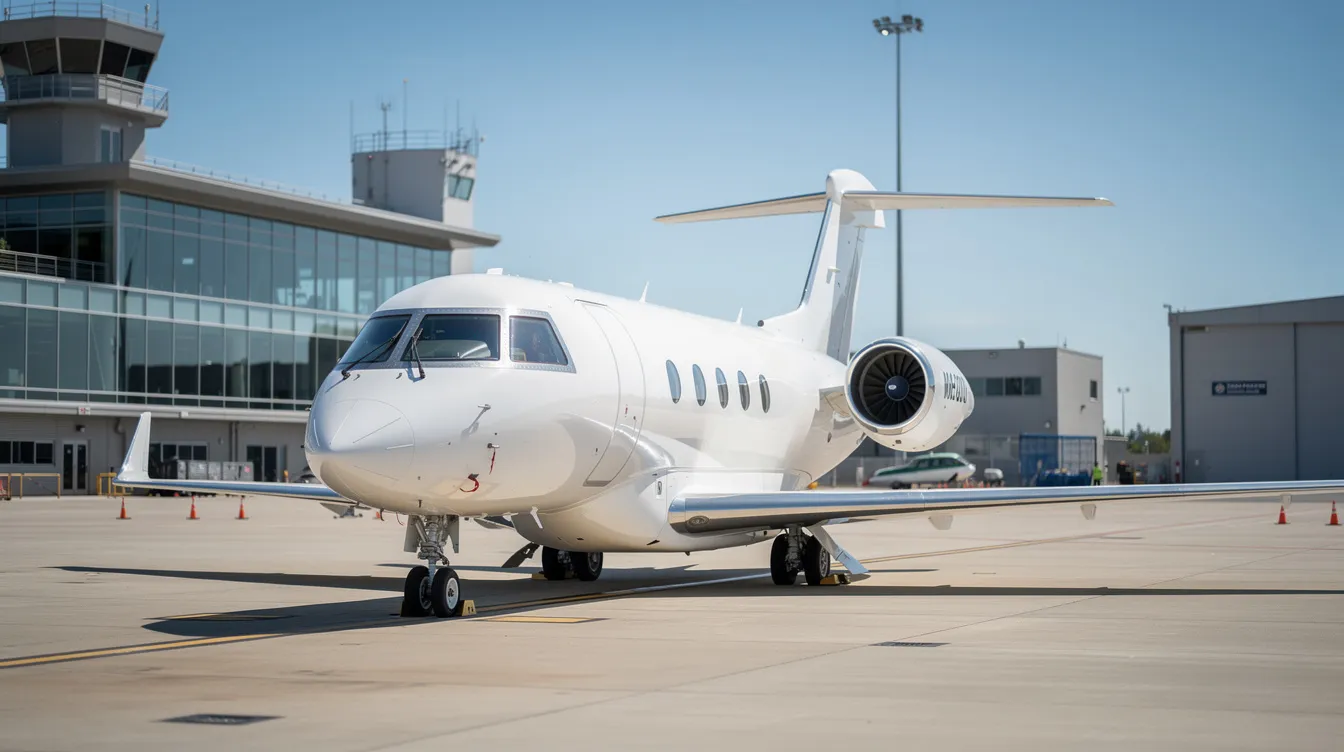
In 2026, purchasing a private jet ranges from approximately $2 million for older very light jets to over $100 million for ultra-long-range models, with annual operating costs typically between $500,000 and $2 million. Buyers must consider not only the acquisition cost but also ongoing expenses such as crew salaries, maintenance, and insurance, which can significantly impact total ownership costs. For those flying less than 200 hours annually, chartering through platforms like Jettly may be more cost-effective than ownership, while frequent flyers may benefit from full or fractional ownership. Understanding the various costs and options available is crucial for making informed decisions about private jet travel.
Jay Franco Serevilla
Jul 3, 2026
|
5
min read


View all
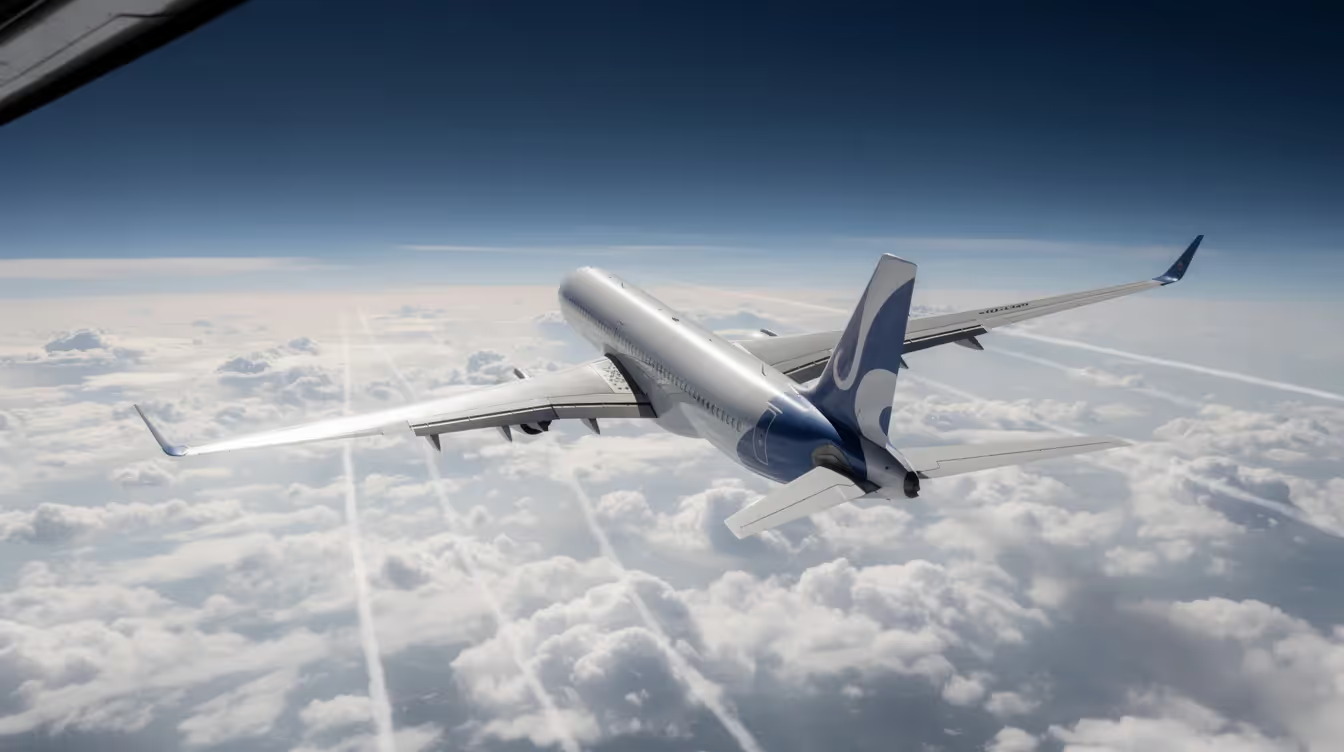
Modern jet airliners typically cruise at speeds between 550 and 600 mph (Mach 0.85 to 0.90), while private jets may operate at similar or slightly higher speeds but can save time by avoiding hub airports and delays. Factors such as aircraft design, altitude, wind conditions, and regulatory limits influence actual flight speeds. Despite advancements in technology, commercial airliner speeds have remained relatively stable due to economic and environmental considerations. Understanding these dynamics helps travelers make informed choices between commercial and private aviation options.
Jay Franco Serevilla
Apr 18, 2026
|
5
min read
View all
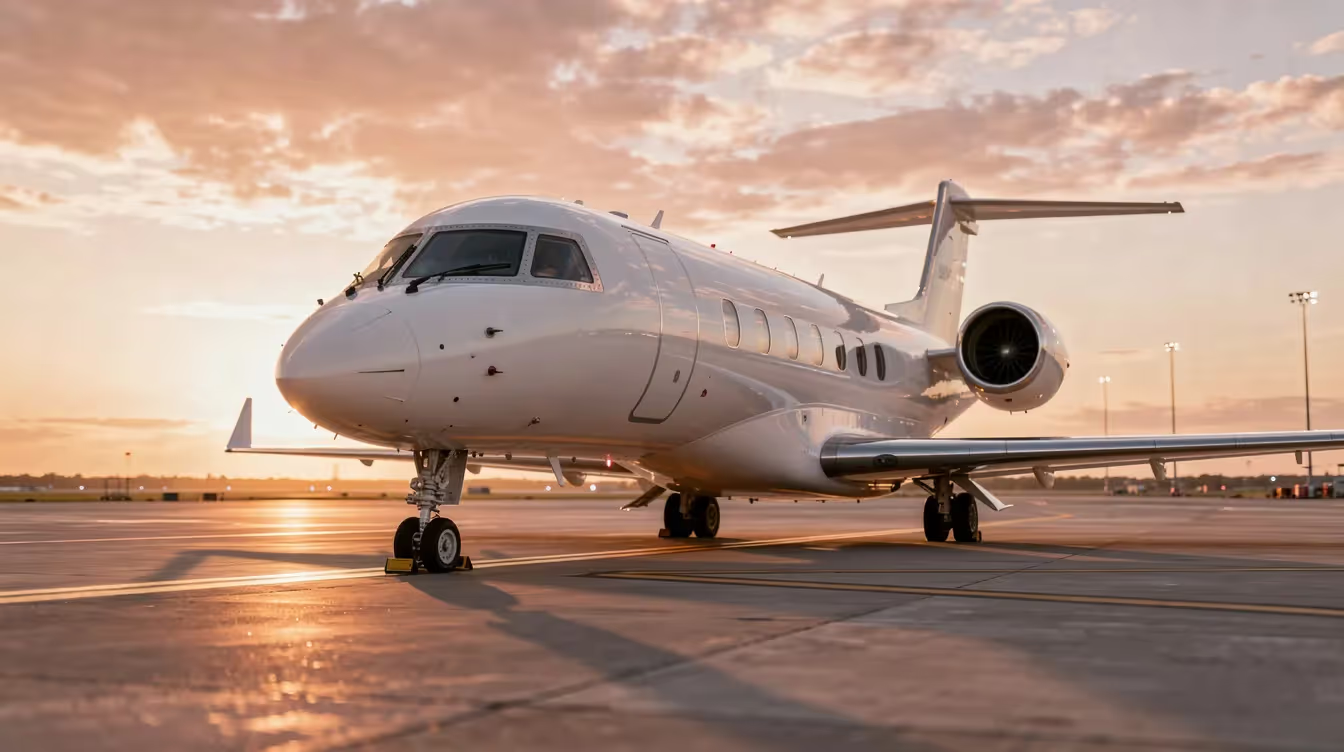
In 2026, the cost of jet aircraft varies significantly, with new private jets priced from $2 million for very light jets to over $400 million for customized VIP airliners, while charter rates range from $1,500 to $28,000 per hour based on aircraft type. For most business travelers, chartering is more economical than ownership, especially for those flying fewer than 200-300 hours annually, as ownership entails substantial fixed and variable costs. Jettly, a digital private jet charter platform, offers a transparent marketplace for on-demand bookings, allowing users to compare costs and access over 20,000 aircraft globally. Key strategies for reducing costs include choosing the right aircraft size, being flexible with travel times, and utilizing empty leg flights.
Jay Franco Serevilla
Apr 18, 2026
|
5
min read

View all
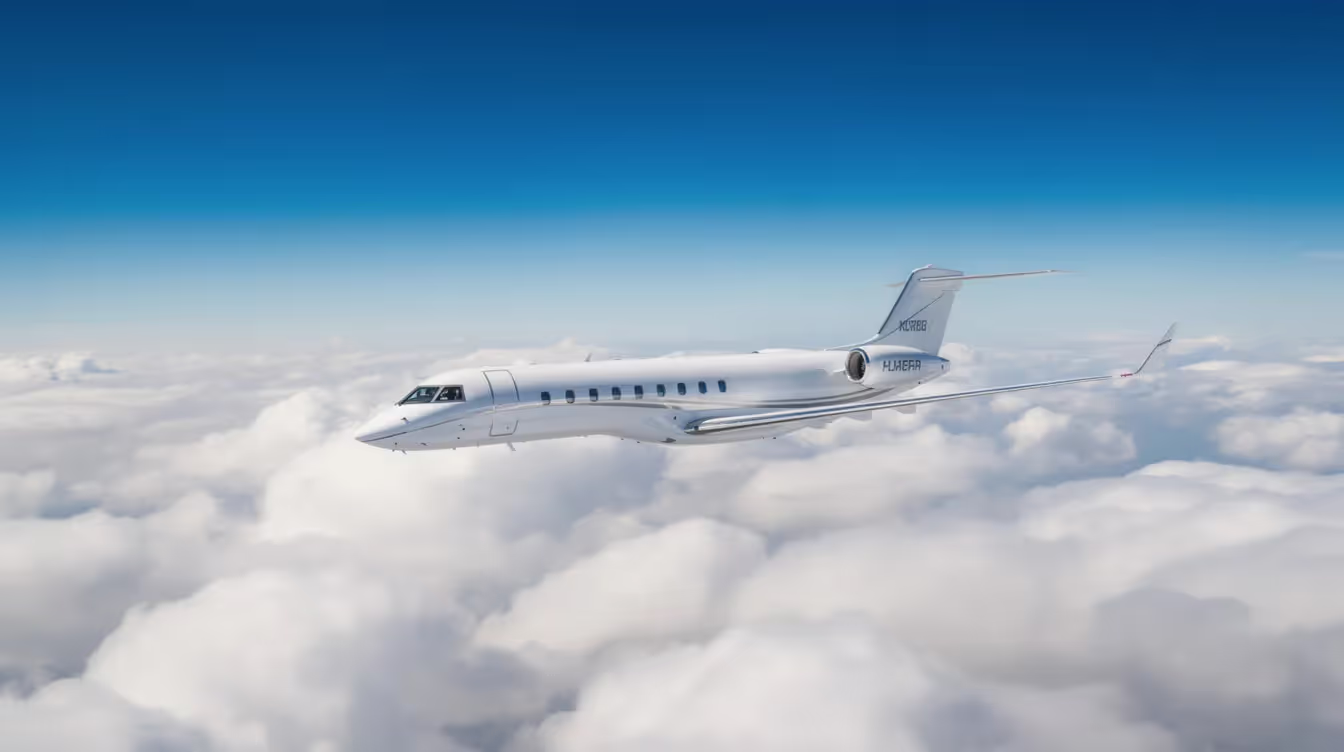
In 2025, the Bombardier Global 8000 is recognized as the fastest personal plane, achieving speeds of Mach 0.94 and a range of 8,000 nautical miles. For owner pilots, high-performance single-engine aircraft like the Mooney Acclaim Ultra offer speeds over 240 knots, while turboprops and light jets provide efficient options for business travelers, cruising between 340 and 530 knots. Jettly's digital marketplace connects clients with over 20,000 aircraft, facilitating access to various fast personal planes without the need for ownership. The choice of aircraft depends on mission profiles, budget, and airport access, with chartering often proving more cost-effective for infrequent flyers.
Jay Franco Serevilla
Apr 18, 2026
|
5
min read
View all
Jets vary significantly in speed across private, commercial, and military categories, with private and commercial jets typically cruising between 420–600 mph, while military jets can exceed Mach 2. The SR-71 Blackbird holds the record for the fastest crewed jet at 2,193 mph. Factors such as altitude, aircraft design, and operational conditions influence actual travel speeds, with private jets often providing faster overall journey times due to reduced ground time and direct routing. Platforms like Jettly enhance travel efficiency by offering access to a wide range of aircraft and optimizing logistics for private jet charters.
Jay Franco Serevilla
Apr 18, 2026
|
5
min read
View all
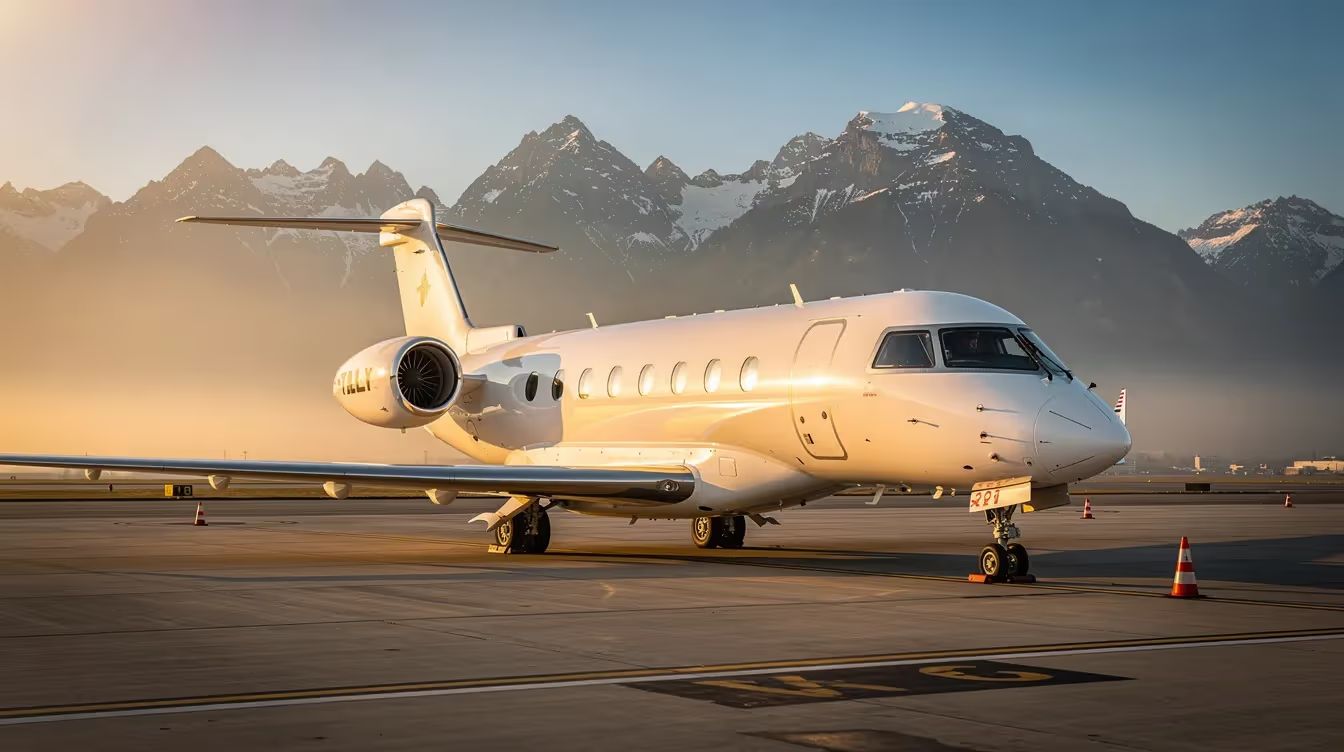
The Bombardier Challenger 604 is a heavy private jet known for its long-range capabilities and spacious cabin, accommodating up to 19 passengers, making it ideal for business and family travel. With a range of 3,700–4,000 nautical miles, it is suitable for transcontinental flights and has been a popular choice in private aviation since its introduction in 1995, with over 360 units delivered. Travelers can access this aircraft through Jettly’s charter platform, which offers flexible booking options without the need for ownership or long-term commitments. The Challenger 604 combines performance, comfort, and reliability, making it a strong contender in the large-cabin charter market.
Jay Franco Serevilla
Apr 18, 2026
|
5
min read
View all
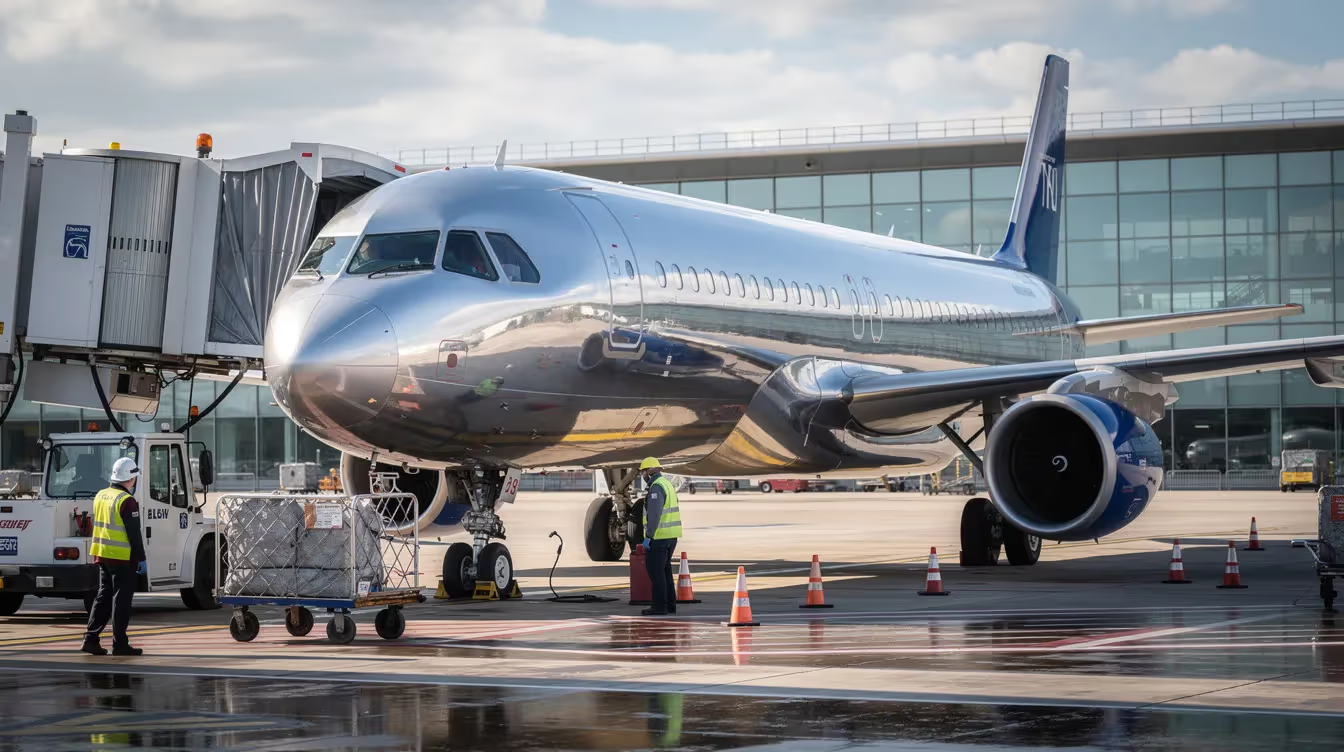
Empty planes, or flights operating with few or no passengers, are common in aviation due to regulatory requirements, aircraft repositioning, and maintenance needs. Airlines often operate these flights to retain valuable airport slots, while private jet operators create "empty legs" that can be booked at discounted rates. Although ghost flights contribute to significant CO₂ emissions, platforms like Jettly help travelers take advantage of empty legs, improving efficiency and reducing waste. Understanding the dynamics of empty flights can enhance travel experiences and offer unique opportunities for passengers.
Jay Franco Serevilla
Apr 18, 2026
|
5
min read
Explore our latest articles and updates.
5
min read
US Top Fighter Jet: How the F-22, F-35 and F-15 Define American Air Power
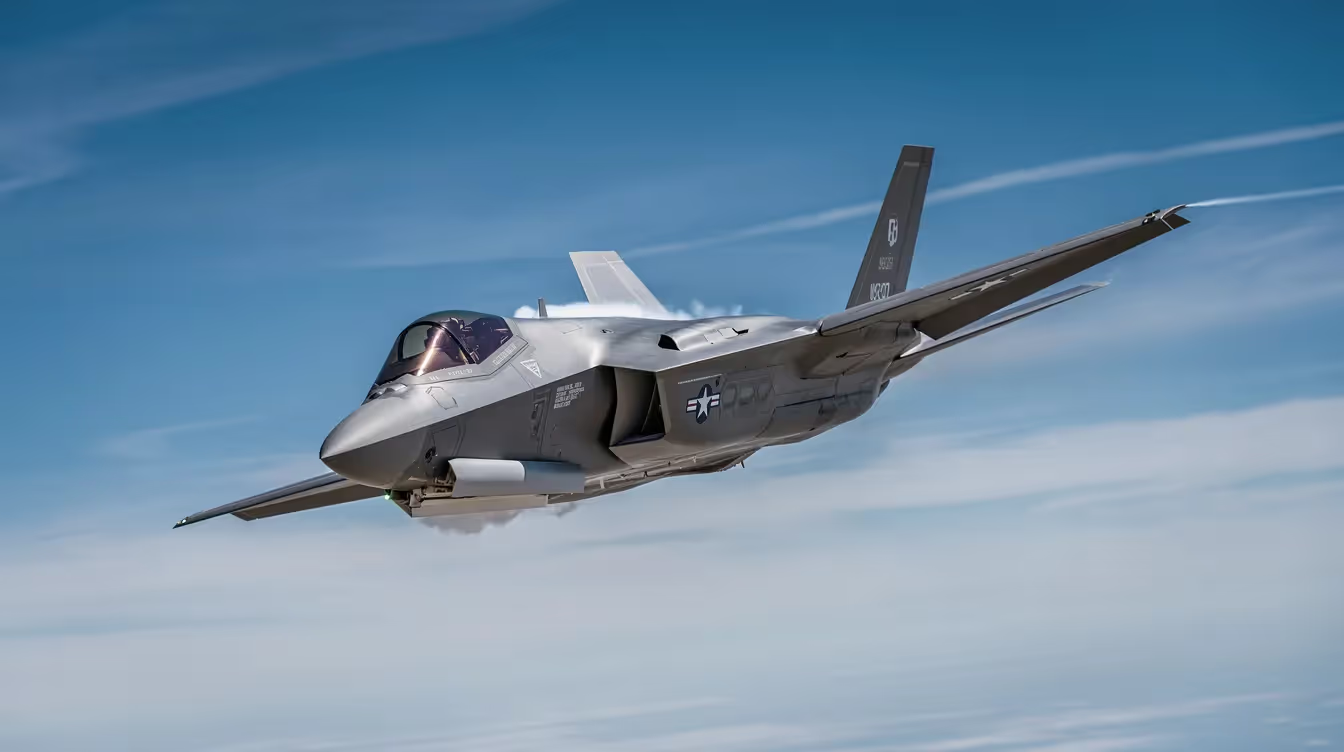
The debate over the U.S. top fighter jet centers on the F-22 Raptor, F-35 Lightning II, and F-15 Eagle, each excelling in different mission profiles. The F-22 is recognized for air superiority with unmatched stealth and agility, while the F-35 offers multirole versatility and extensive production, and the F-15 is the fastest with significant payload capacity. As the U.S. military prepares for next-generation fighters like the NGAD and F-47, these aircraft will continue to play vital roles through the 2030s. Meanwhile, private aviation platforms like Jettly leverage advancements from military technology to provide flexible and accessible travel options for civilians.
Read More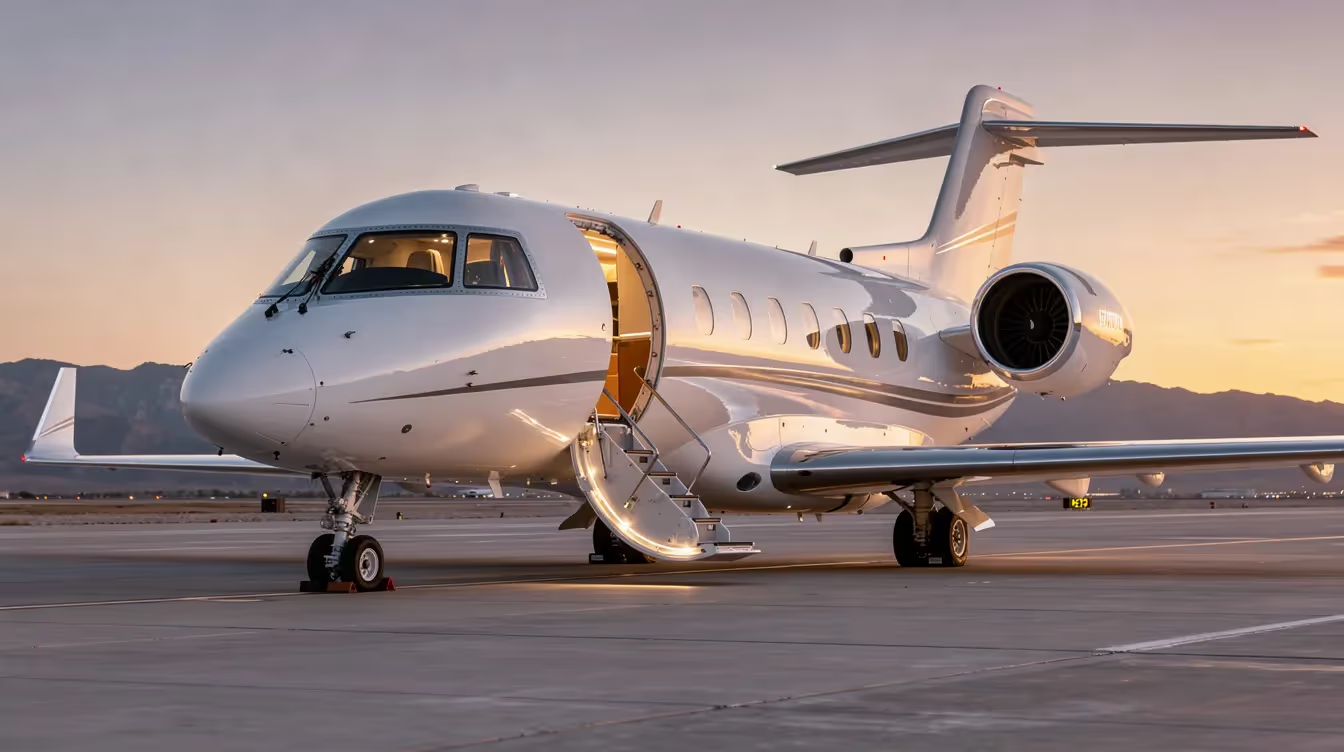
5
min read
Plane and Jet: What They Are, How They Differ, and When to Fly Each
Understanding the difference between planes and jets is crucial for travelers in private aviation, as jets are specifically powered by jet engines and designed for higher speeds and longer distances compared to propeller planes. Jets excel in long-haul travel, typically cruising at 400–600+ mph and accessing a wider range of airports, while turboprops are more efficient for short regional flights. Platforms like Jettly offer access to over 20,000 aircraft, allowing travelers to easily compare options based on their specific needs, such as distance, budget, and airport access. Ultimately, choosing the right aircraft depends on factors like trip duration, passenger count, and desired flexibility.
Read MoreJoin our community and receive the latest blog updates directly in your inbox.
MEMBERSHIPS AND ASSOCIATIONS



Disclaimer: Jettly operates as a charter broker, offering access to a global digital jet charter marketplace. Jettly is not a direct air carrier and does not own or operate aircraft. All advertised flights are conducted by third-party air carriers that are fully licensed and hold the appropriate Part 135 or Part 121 certifications issued by the Federal Aviation Administration (FAA) or equivalent regulatory authorities under U.S. or foreign law. Jettly complies fully with the U.S. Department of Transportation's Part 295 and Part 298 Charter Broker regulations. Jettly does not carry additional liability insurance. Passengers are covered by aircraft operator insurance. TICO: 50023770


