


Login
Get Instant Pricing On 23,000+ Aircraft


Booking flights at the right time can save you money, with domestic flights best booked 1 to 3 months in advance and international flights 2 to 8 months ahead. Understanding pricing dynamics and using tools like fare alerts can help you find the best deals. For those needing flexibility or last-minute travel, private jets may offer better value despite higher upfront costs.
Jeff Ryan Serevilla
Sep 26, 2026
|
5
min read


View all
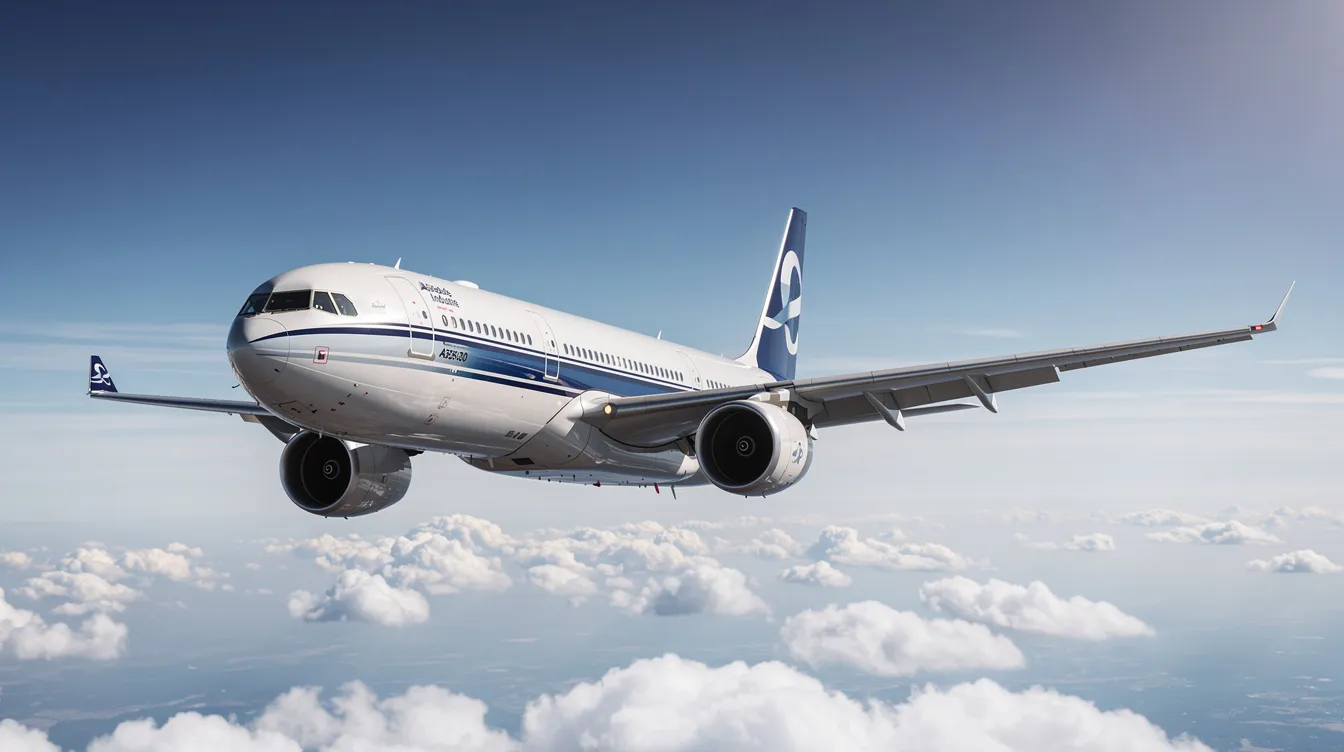
The Airbus A330-300 is a versatile twin-engine wide-body airliner, accommodating 250-300 passengers with a range of 9,000 to 11,750 km. Known for its fuel efficiency and reliability, it serves both commercial and charter markets, making it ideal for large groups and long-haul flights. This article explores its specifications, seat maps, and charter insights, providing valuable information for travelers and planners alike.
Jay Franco Serevilla
Aug 2, 2026
|
5
min read
View all
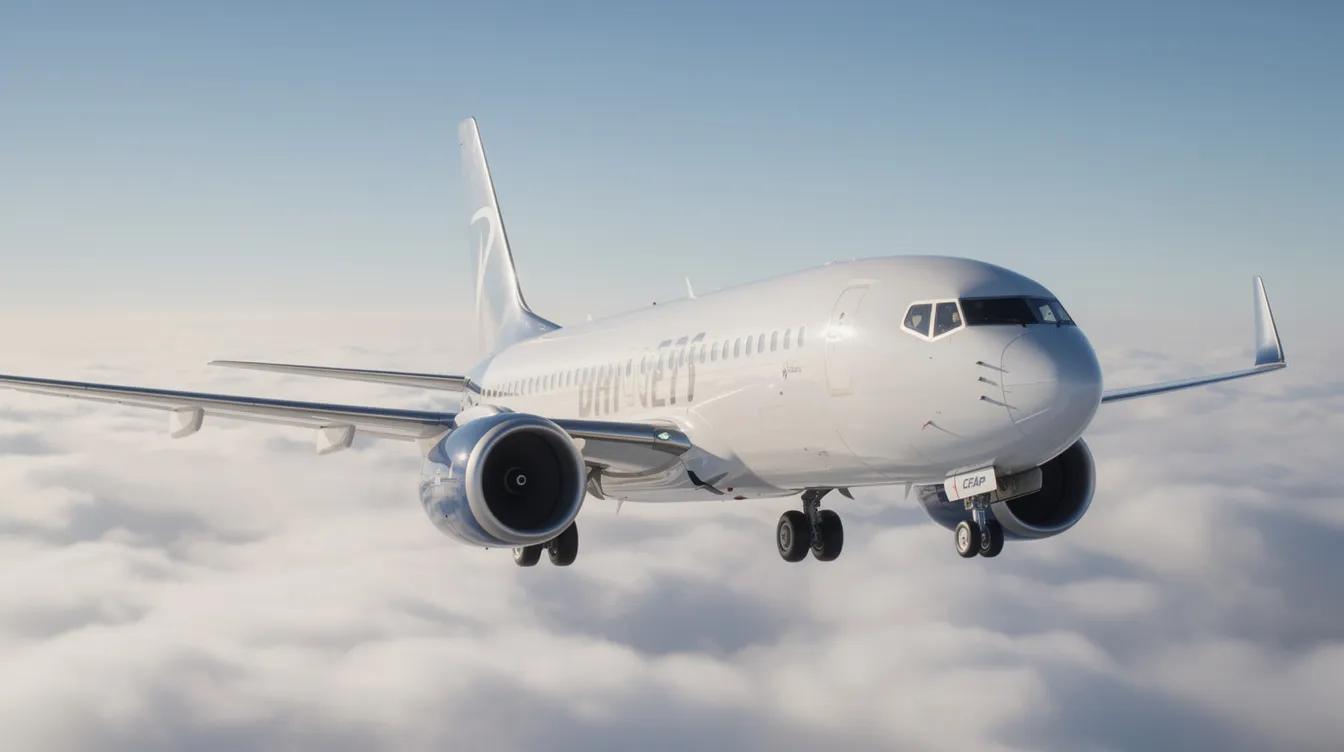
The Boeing 737 MAX 8 is a fourth-generation narrow-body airliner known for its fuel efficiency and modern design, but it also carries a troubled safety history due to two fatal crashes. This article delves into its development, safety reforms, and the implications for air travel today, especially in light of the extensive changes made post-grounding. Understanding the MAX 8 is crucial for travelers and aviation enthusiasts alike as it shapes perceptions of aircraft safety.
Jay Franco Serevilla
Aug 2, 2026
|
5
min read
View all
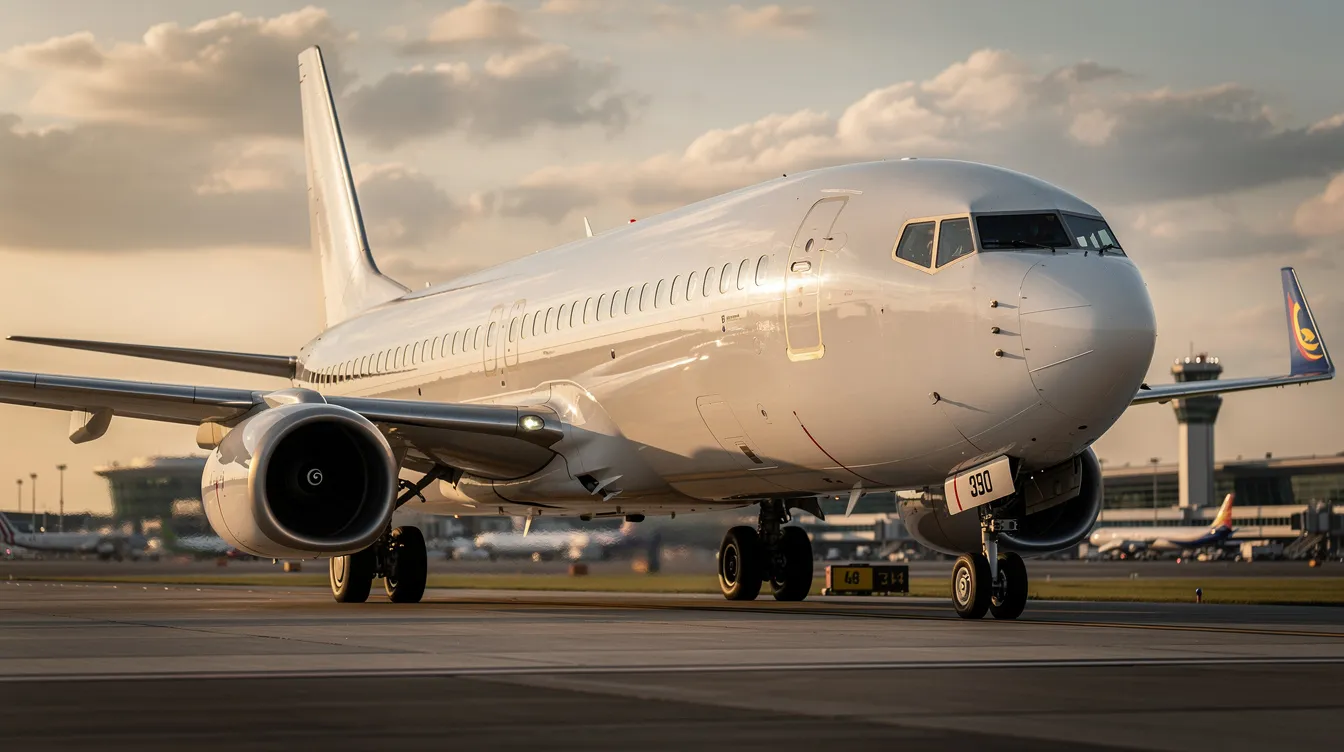
The Boeing 737-800 is a popular narrow-body aircraft known for its versatility in seating configurations, accommodating 160 to 189 passengers. This guide provides insights into the seating layout, cabin sections, and onboard amenities, helping travelers choose the best seats for comfort and convenience. Additionally, it compares commercial flying with private charter options for those seeking more personalized travel experiences.
Jay Franco Serevilla
Aug 2, 2026
|
5
min read
View all
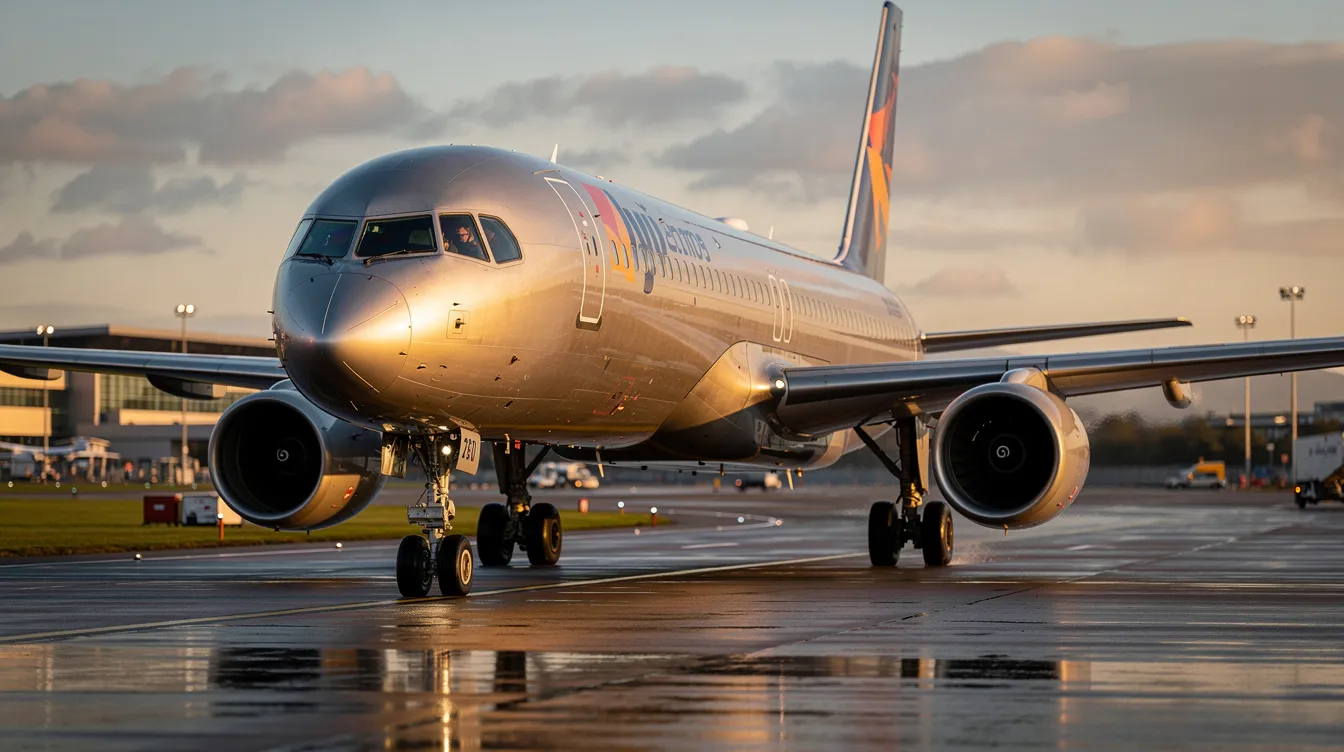
The Boeing 757 remains a relevant aircraft in 2025, with costs ranging from $1.5 million to $10 million for used models and operating expenses between $12,000 and $25,000 per hour. VIP conversions can push total investments over $80 million, making chartering a more viable option for many travelers. Jettly offers flexible access to 757-level capacity without the burdens of ownership.
Jay Franco Serevilla
Aug 2, 2026
|
5
min read
View all
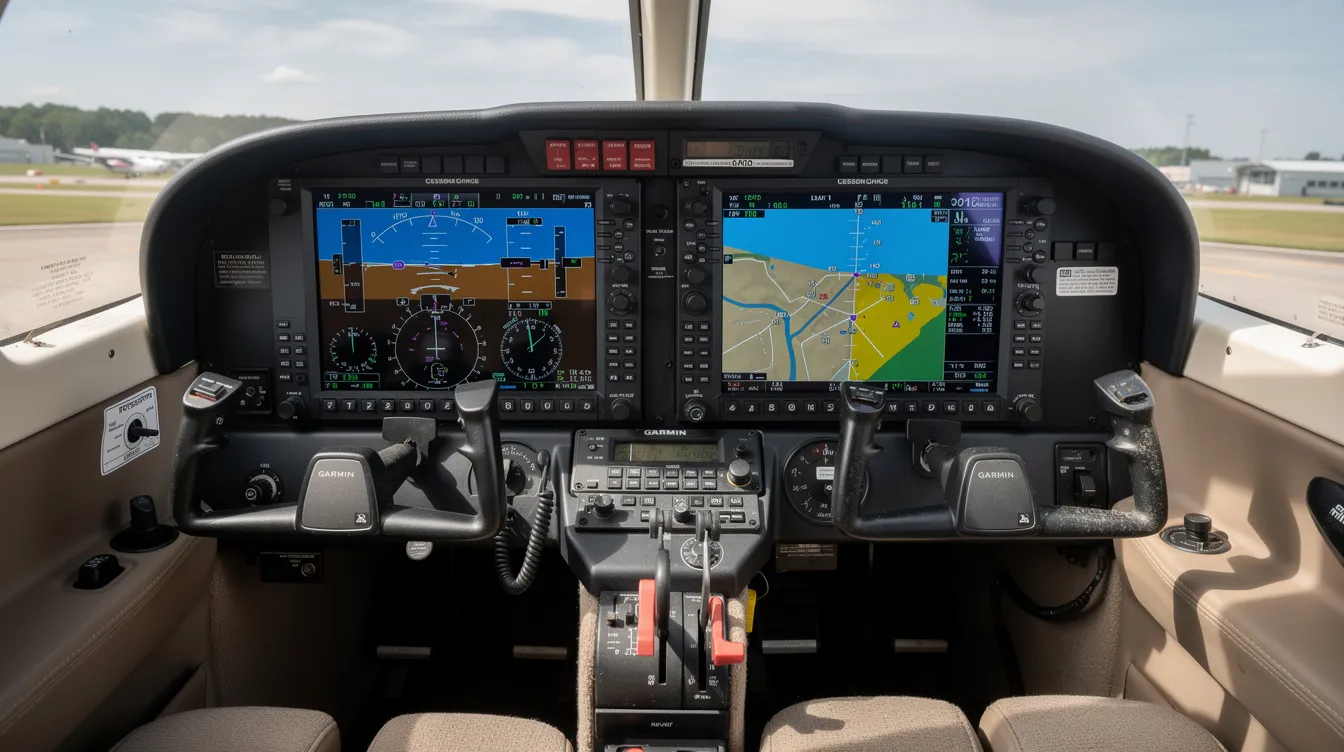
The Cessna G1000, particularly the 172S Skyhawk SP, is a popular choice for buyers seeking modern avionics and reliable performance. This guide provides insights on pricing, key features, and what to consider when purchasing or chartering. With strong demand from flight schools and private owners, understanding the market and aircraft specifics is crucial for making an informed decision.
Jay Franco Serevilla
Aug 2, 2026
|
5
min read

View all
The Cessna T-41 Mescalero, a military variant of the Cessna 172, served as a primary trainer for the U.S. Air Force and Army since 1964. Its design and performance enhancements have influenced modern private aviation, linking military training to civilian pilot development. This guide explores the T-41's specifications, operational history, and its ongoing relevance in today's aviation landscape.
Jay Franco Serevilla
Aug 2, 2026
|
5
min read
Explore our latest articles and updates.

5
min read
Size of Planes: From Commercial Giants to Private Jets
Understanding aircraft size is essential for travelers, as it influences passenger capacity, airport accessibility, comfort levels, ticket pricing, and environmental impact. This guide categorizes planes into groups such as regional jets, narrow-body, wide-body, and jumbo jets, detailing their typical capacities and operational roles. While larger commercial aircraft like the Airbus A380 and Boeing 747 are designed for high-density routes, private jets offer flexibility and comfort for smaller groups, allowing access to more airports and personalized services. Jettly's platform enables users to compare aircraft options based on size, cost, and environmental considerations, helping travelers make informed decisions for their journeys.
Read More
5
min read
Air Companies: How Major Airlines Shape Travel – And Where Private Jets Fit In
The aviation industry encompasses a wide range of operators, from major airlines like American and Delta to private jet charter services such as Jettly, each catering to different traveler needs. Major airlines focus on high-volume scheduled routes, while private charters offer flexibility and access to smaller airports, making them ideal for time-sensitive or complex itineraries. Understanding the strengths and limitations of each option allows travelers to make informed decisions based on their priorities, whether they prioritize cost, convenience, or unique destinations. As digital platforms evolve, the integration of commercial and private aviation is expected to enhance travel experiences further.
Read MoreJoin our community and receive the latest blog updates directly in your inbox.
MEMBERSHIPS AND ASSOCIATIONS



Disclaimer: Jettly operates as a charter broker, offering access to a global digital jet charter marketplace. Jettly is not a direct air carrier and does not own or operate aircraft. All advertised flights are conducted by third-party air carriers that are fully licensed and hold the appropriate Part 135 or Part 121 certifications issued by the Federal Aviation Administration (FAA) or equivalent regulatory authorities under U.S. or foreign law. Jettly complies fully with the U.S. Department of Transportation's Part 295 and Part 298 Charter Broker regulations. Jettly does not carry additional liability insurance. Passengers are covered by aircraft operator insurance. TICO: 50023770


