


Login
Get Instant Pricing On 23,000+ Aircraft

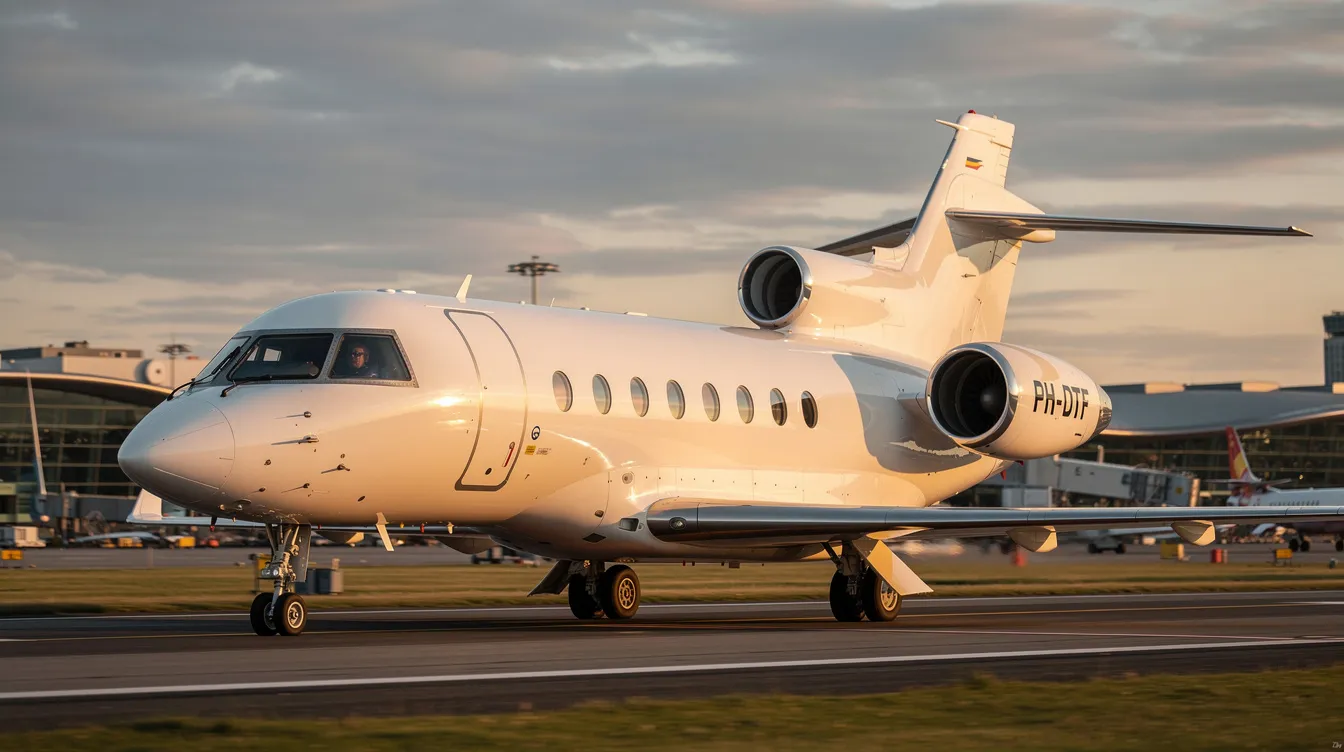
The PH-DTF is a 2008 Dassault Falcon 900EX EASy, a tri-engine business jet known for its long-range capabilities and luxury. With a flight history spanning Europe and North America, it offers travelers a comfortable and efficient option for private jet charters. This article explores its technical specifications, flight history, and how to charter similar aircraft through platforms like Jettly.
Jay Franco Serevilla
Sep 6, 2026
|
5
min read


View all
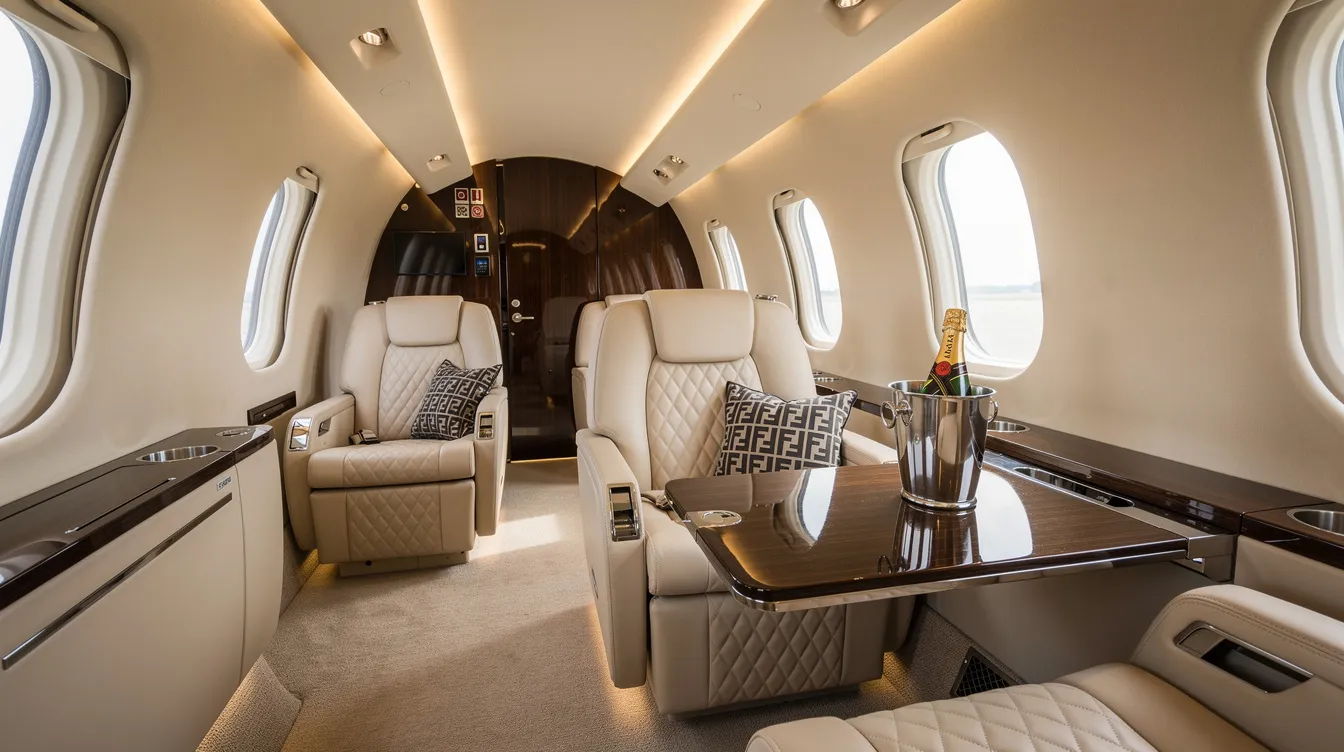
Flying on JetBlue provides travelers with a comfortable economy experience, featuring generous legroom, free Wi-Fi, and various fare options from Blue Basic to Mint. JetBlue's exclusive operations from JFK's Terminal 5 enhance convenience, while private jet charters through Jettly offer flexibility for complex itineraries. Combining both options can optimize travel plans for leisure and business travelers alike.
Jay Franco Serevilla
Jul 11, 2026
|
5
min read
View all
In 2026, the cost of luxury private jet travel varies significantly between chartering and ownership, with rental rates ranging from $2,000 to over $20,000 per hour based on aircraft type and route. Ownership costs start at around $2 million for older jets, escalating to over $75 million for new ultra-long-range models, with annual operating expenses typically 15-25% of the aircraft's value. Platforms like Jettly enhance transparency in pricing, allowing users to compare costs across 20,000+ aircraft and access discounts through empty-leg flights. For most travelers flying under 300 hours annually, chartering remains the more cost-effective option, while understanding the various fees and operational extras is crucial for accurate budgeting.
Jay Franco Serevilla
Jul 11, 2026
|
5
min read
View all
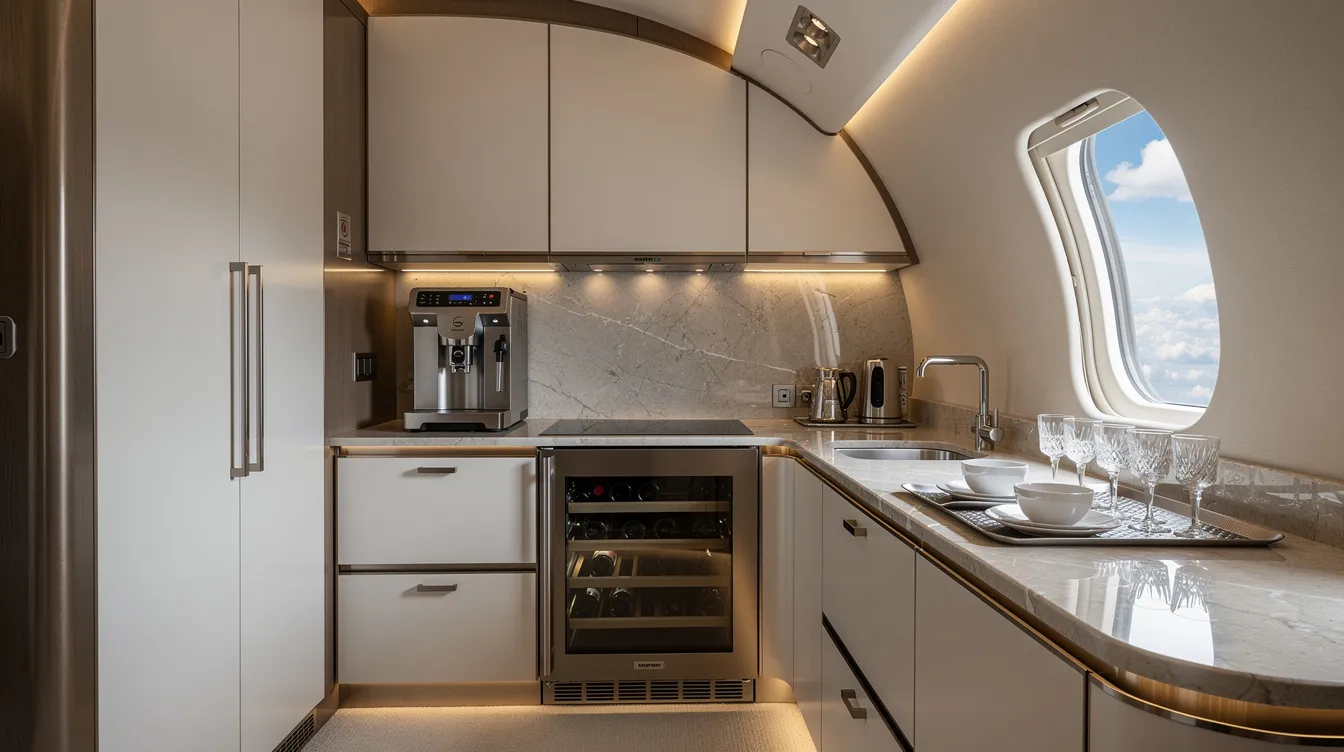
Private jet kitchens, or galleys, are designed to provide gourmet meals at high altitudes, varying significantly by aircraft size and capabilities. Unlike commercial aircraft, which serve standardized meals to large groups, private jets offer personalized dining experiences with flexible menus tailored to small passenger counts. The evolution of these kitchens has led to advanced facilities, including ovens and refrigeration, enabling multi-course meals even on shorter flights. Jettly's platform helps travelers select the right aircraft based on galley capabilities, ensuring that catering expectations align with the onboard kitchen's offerings.
Jay Franco Serevilla
Jul 11, 2026
|
5
min read

View all
Private jet parties are a rising trend for birthday celebrations, offering a unique experience that combines travel and venue into one. This guide outlines essential planning elements, including aircraft selection, budgeting, and onboard etiquette, ensuring a smooth and stylish event. Jettly, a digital private jet charter marketplace, provides access to over 20,000 aircraft, allowing for flexible scheduling and personalized experiences. Key considerations include safety regulations, guest behavior, and the importance of early planning to secure the desired aircraft and customizations.
Jay Franco Serevilla
Jul 10, 2026
|
5
min read

View all
Understanding the costs associated with midsize jets is crucial for those considering chartering, fractional ownership, or outright purchase. In 2026, purchase prices for midsize jets range from $5 million to $30 million, while charter rates average between $4,000 and $6,500 per flight hour. Annual operating expenses typically fall between $700,000 and $1.5 million, making chartering more economical for travelers flying under 200-250 hours per year. Jettly's platform offers transparent pricing and access to a wide range of aircraft, helping users make informed decisions about private aviation options.
Jay Franco Serevilla
Jul 10, 2026
|
5
min read

View all
The Benoist Airboat Model XIV, which began service on January 1, 1914, is recognized as the first commercial plane to operate sustained scheduled passenger flights, marking a pivotal moment in aviation history. This inaugural flight across Tampa Bay demonstrated the feasibility of air travel, laying the groundwork for the modern airline industry with concepts like timetables and fare collection. The evolution from early aircraft like the Benoist XIV to jet airliners, such as the de Havilland Comet and Boeing 747, reflects significant advancements in technology and passenger experience. Today, platforms like Jettly continue this legacy by offering on-demand private jet charters, enhancing flexibility and accessibility in air travel.
Jay Franco Serevilla
Jul 10, 2026
|
5
min read
Explore our latest articles and updates.

5
min read
Cessna Grand Caravan on Floats: The Ultimate Caravan Amphibian Guide
The Cessna Grand Caravan on floats is a versatile amphibious aircraft, ideal for accessing remote destinations without runways. With its powerful PT6A-140 engine and spacious cabin, it accommodates various missions, from tourism to humanitarian services. Jettly offers charter options for this aircraft, making it easy to reach waterfront locations.
Read More
5
min read
GippsAero GA8 Airvan: Specs, Use Cases, and Charter Options
The GippsAero GA8 Airvan is a versatile single-engine utility aircraft designed for rugged operations, accommodating up to 8 occupants. With a cruising speed of 140 mph and a range of 840 nautical miles, it excels in remote transport, sightseeing, and humanitarian missions. Jettly offers charter options for this aircraft, making it an ideal choice for various operational needs.
Read MoreJoin our community and receive the latest blog updates directly in your inbox.
MEMBERSHIPS AND ASSOCIATIONS



Disclaimer: Jettly operates as a charter broker, offering access to a global digital jet charter marketplace. Jettly is not a direct air carrier and does not own or operate aircraft. All advertised flights are conducted by third-party air carriers that are fully licensed and hold the appropriate Part 135 or Part 121 certifications issued by the Federal Aviation Administration (FAA) or equivalent regulatory authorities under U.S. or foreign law. Jettly complies fully with the U.S. Department of Transportation's Part 295 and Part 298 Charter Broker regulations. Jettly does not carry additional liability insurance. Passengers are covered by aircraft operator insurance. TICO: 50023770


