


Login
Get Instant Pricing On 23,000+ Aircraft

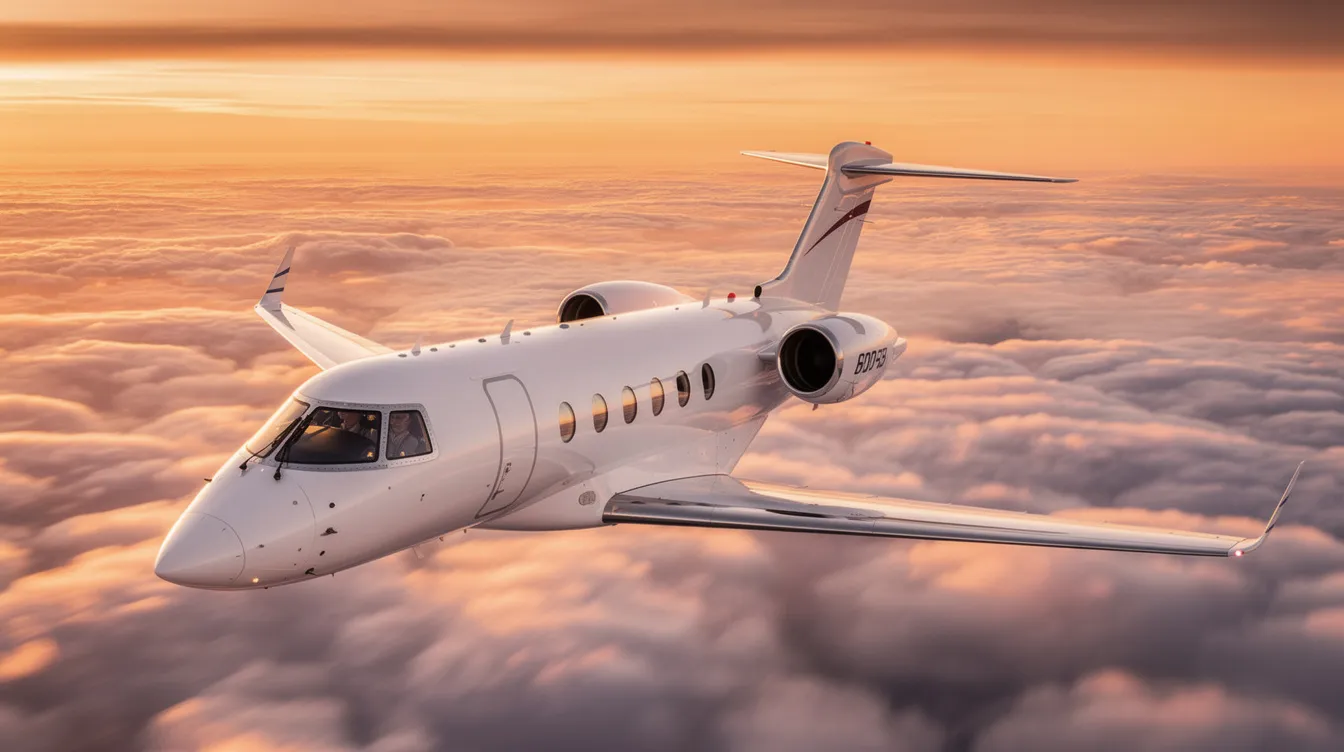
The Dassault Falcon 100 is a light-to-midsize business jet known for its speed and operational efficiency, ideal for short-to-medium-range travel. Produced from 1983 to 1989, it features a compact cabin accommodating up to six passengers and advanced avionics for its time. Despite its age, the Falcon 100 remains popular in the charter market, offering flexibility and access to smaller airports.
Jay Franco Serevilla
Sep 19, 2026
|
5
min read


View all
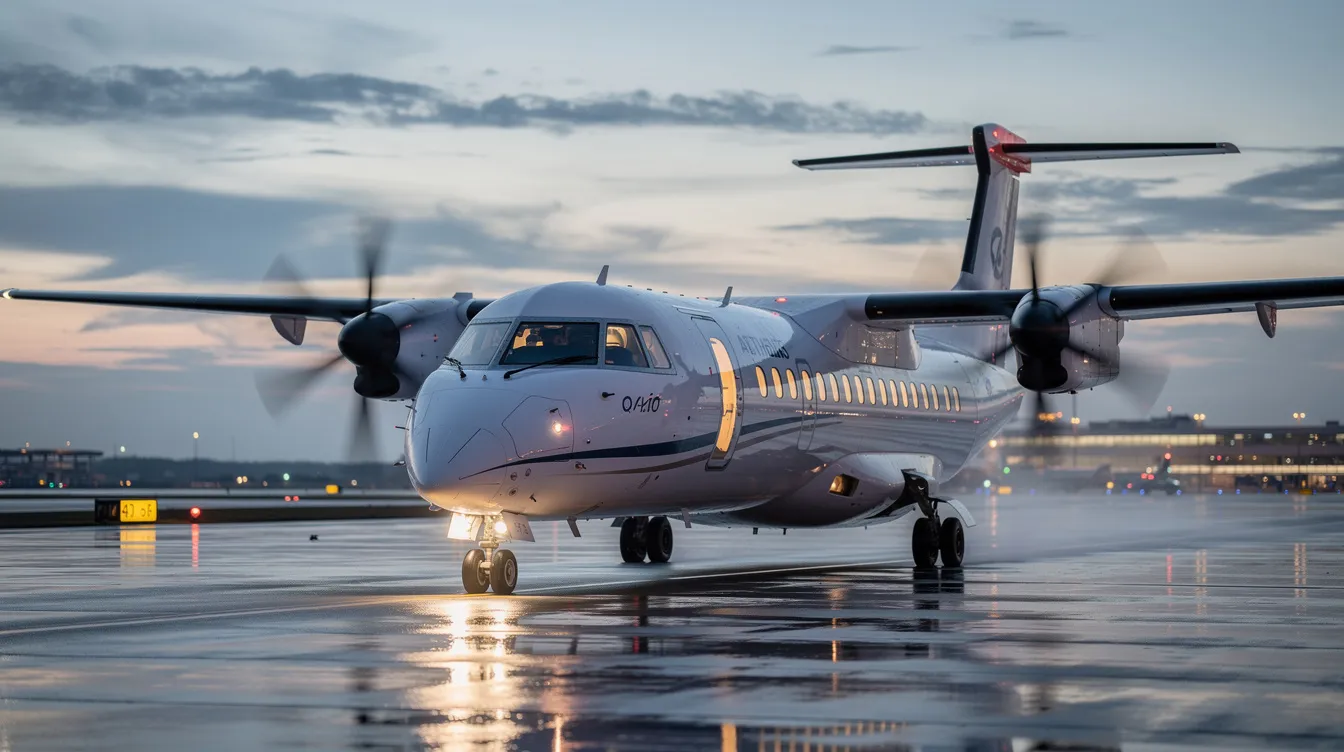
The De Havilland Dash 8 Q400 is a fast, fuel-efficient turboprop aircraft designed for regional travel, accommodating 70 to 90 passengers. Known for its operational flexibility and ability to access shorter runways, it serves both commercial airlines and private charters through platforms like Jettly. This guide covers its specifications, performance, and chartering options, making it ideal for business and leisure travelers alike.
Jay Franco Serevilla
Jul 22, 2026
|
5
min read
View all
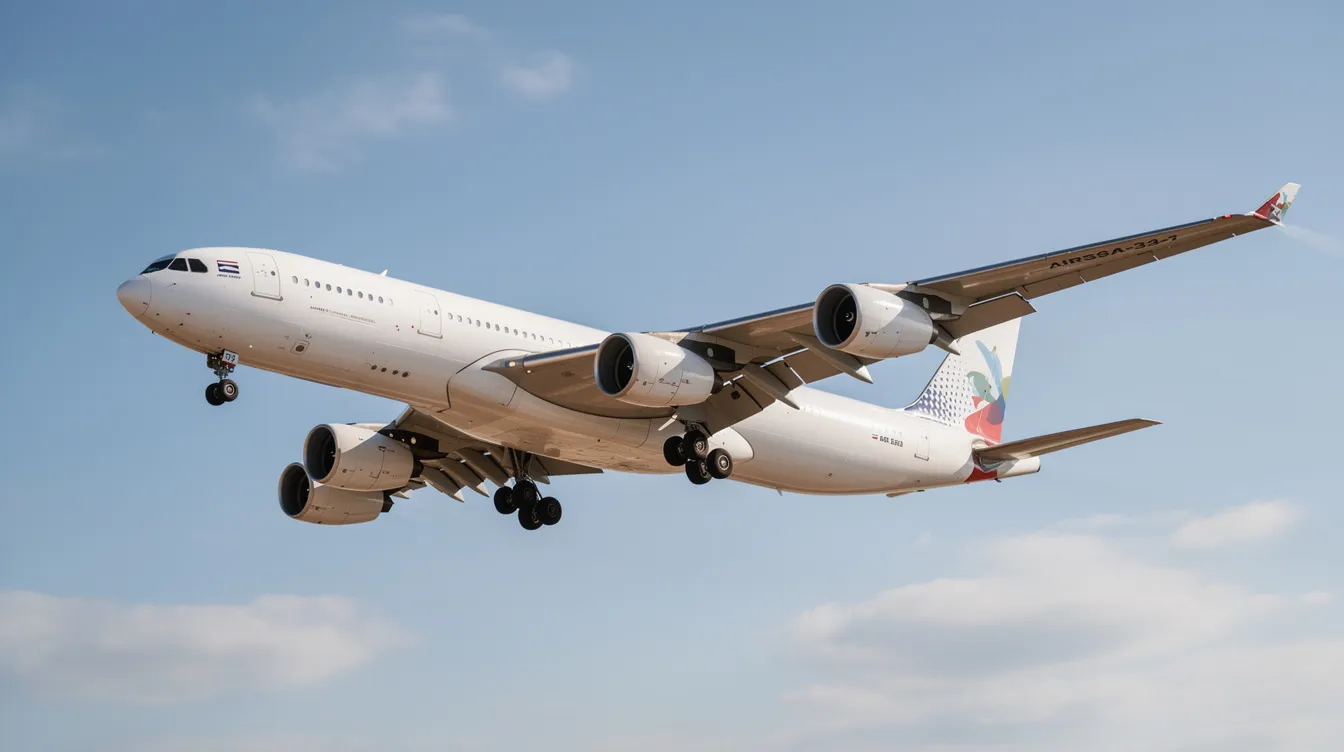
The Airbus A340-600 is a long-haul, four-engine airliner known for its high capacity and range, making it ideal for charter and VIP travel. Despite being retired by many airlines, it remains relevant in the charter market due to its spacious cabin and reliability. This article explores its specifications, operational history, and how it compares to other aircraft for private travel.
Jay Franco Serevilla
Jul 22, 2026
|
5
min read
View all
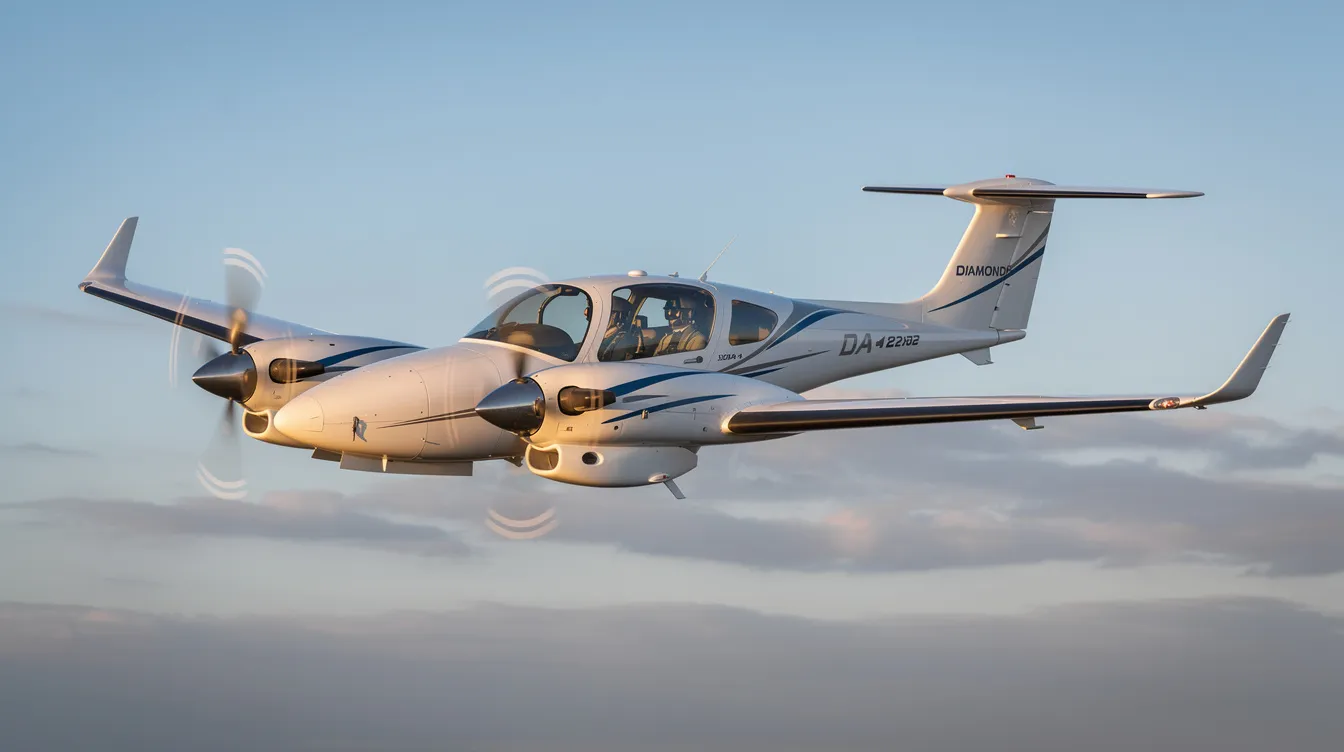
The Diamond Star DA42 is a modern twin-engine aircraft known for its efficiency, safety, and versatility in training and light mission roles. With a carbon composite airframe and advanced avionics, it offers strong performance and low operating costs, making it a popular choice among flight schools and private operators. This guide explores its specifications, variants, and relevance in private aviation.
Jay Franco Serevilla
Jul 22, 2026
|
5
min read
View all
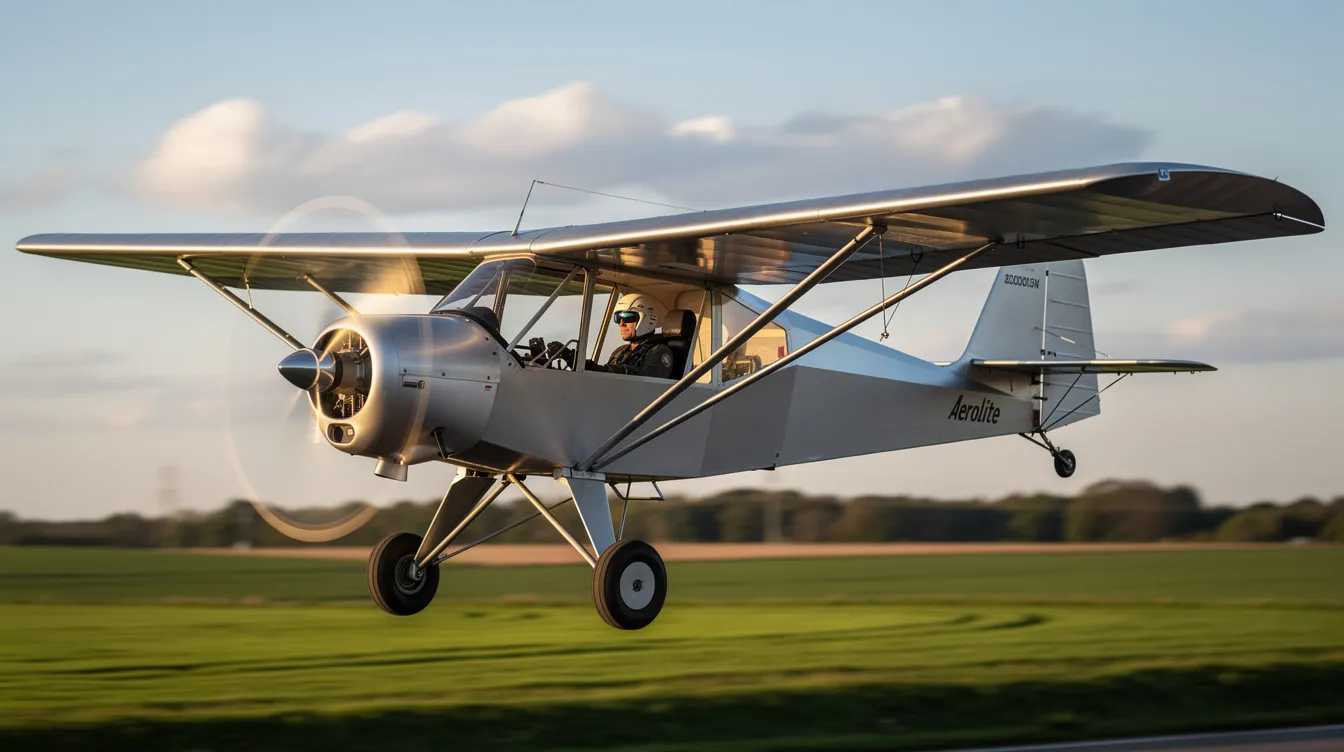
The Aerolite 103 is a popular single-seat ultralight aircraft that meets U.S. FAR Part 103 regulations, allowing operation without a pilot license. With a price range from $16,950 for a kit to over $35,000 for a fully assembled model, it offers an accessible entry point into personal aviation for hobbyists and beginner pilots. This guide covers its specifications, purchasing options, and how it fits into the broader aviation landscape.
Jay Franco Serevilla
Jul 22, 2026
|
5
min read
View all
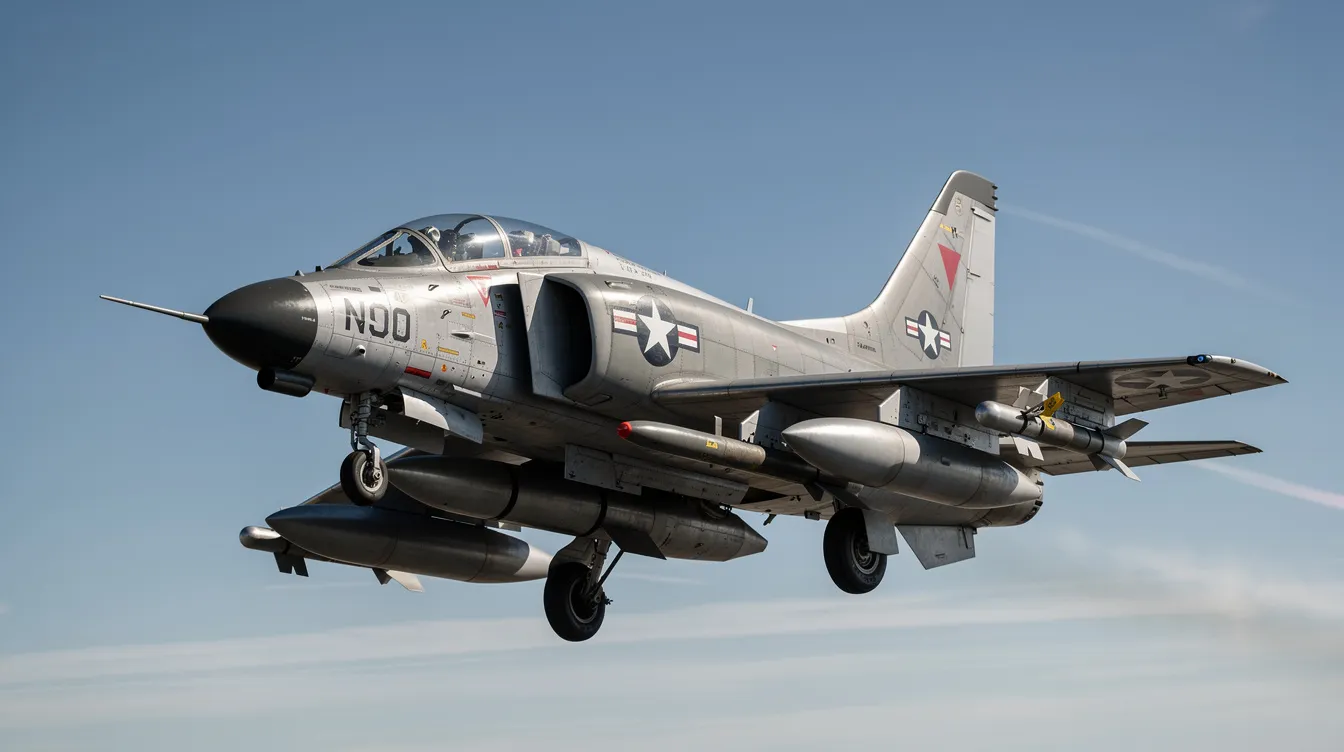
The Douglas A-4 Skyhawk is a lightweight, carrier-capable attack jet that revolutionized naval aviation with its compact design and impressive combat performance. First flown in 1954, it served extensively during the Vietnam War and influenced modern aviation principles, emphasizing efficiency and agility. Its legacy continues today, resonating in both military and private aviation sectors, including platforms like Jettly.
Jay Franco Serevilla
Jul 22, 2026
|
5
min read
View all
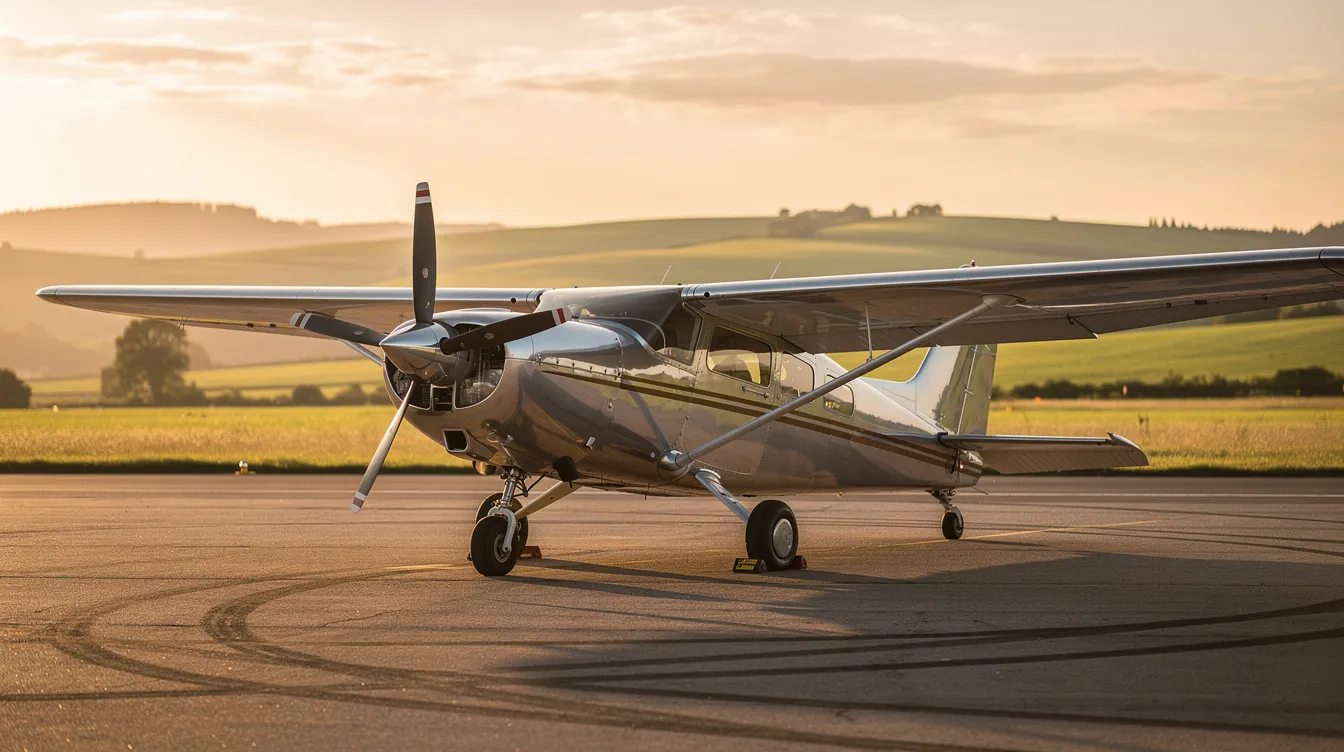
This comprehensive guide explores the costs, options, and smarter alternatives for purchasing a small plane. It highlights the financial implications of ownership versus chartering through Jettly, providing insights into pricing, ongoing costs, and the benefits of using a digital private aviation platform. Whether you're an aspiring owner or a frequent traveler, this guide helps you navigate the small aircraft market effectively.
Jay Franco Serevilla
Jul 22, 2026
|
5
min read
Explore our latest articles and updates.
5
min read
Luxury Private Jet Cost: What It Really Takes to Fly and Own in 2026
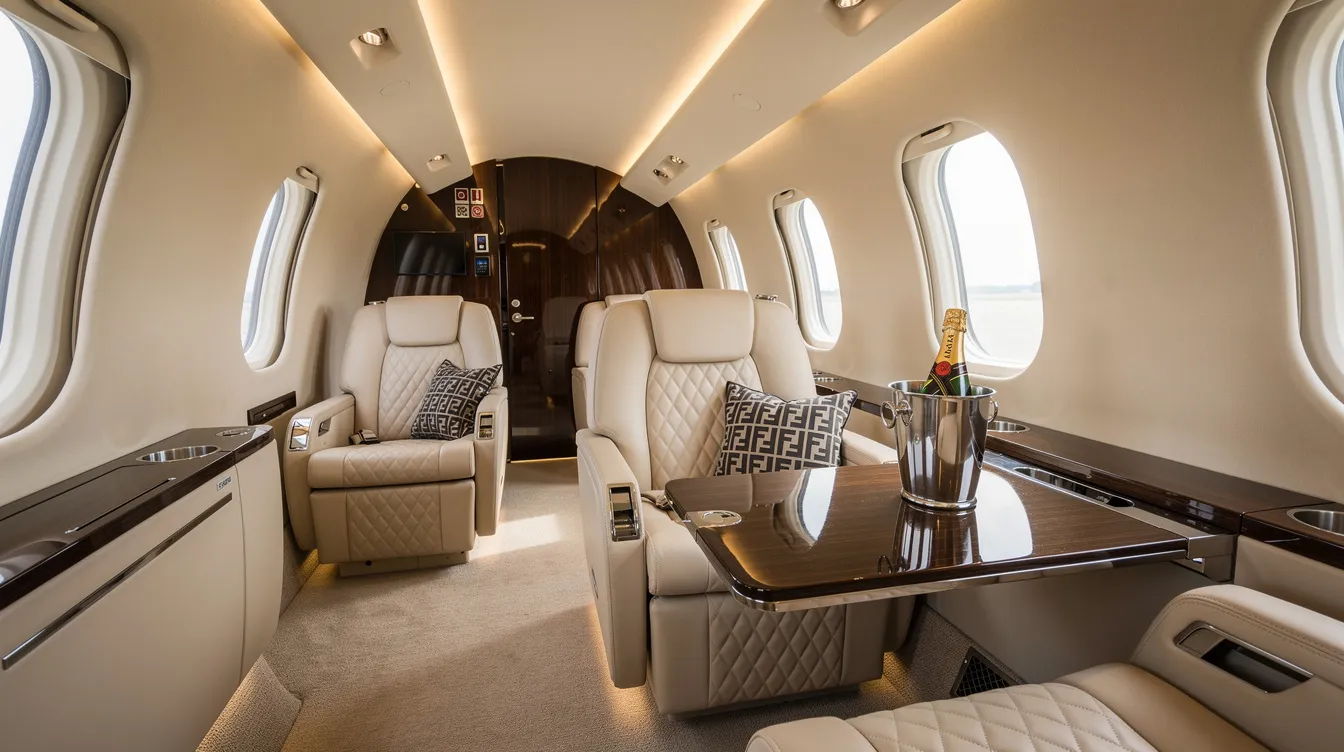
In 2026, the cost of luxury private jet travel varies significantly between chartering and ownership, with rental rates ranging from $2,000 to over $20,000 per hour based on aircraft type and route. Ownership costs start at around $2 million for older jets, escalating to over $75 million for new ultra-long-range models, with annual operating expenses typically 15-25% of the aircraft's value. Platforms like Jettly enhance transparency in pricing, allowing users to compare costs across 20,000+ aircraft and access discounts through empty-leg flights. For most travelers flying under 300 hours annually, chartering remains the more cost-effective option, while understanding the various fees and operational extras is crucial for accurate budgeting.
Read More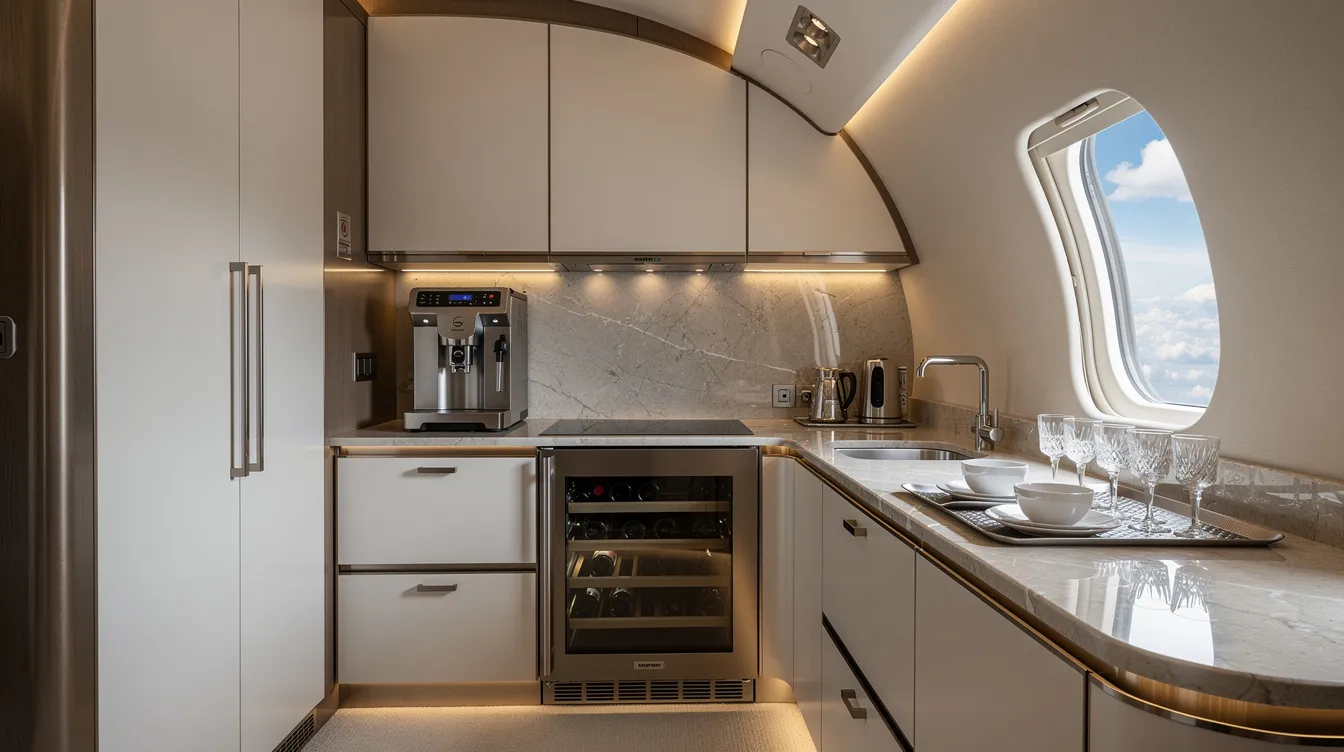
5
min read
Private Jet Kitchen: How Modern Jet Galleys Deliver Gourmet Meals at 45,000 Feet
Private jet kitchens, or galleys, are designed to provide gourmet meals at high altitudes, varying significantly by aircraft size and capabilities. Unlike commercial aircraft, which serve standardized meals to large groups, private jets offer personalized dining experiences with flexible menus tailored to small passenger counts. The evolution of these kitchens has led to advanced facilities, including ovens and refrigeration, enabling multi-course meals even on shorter flights. Jettly's platform helps travelers select the right aircraft based on galley capabilities, ensuring that catering expectations align with the onboard kitchen's offerings.
Read MoreJoin our community and receive the latest blog updates directly in your inbox.
MEMBERSHIPS AND ASSOCIATIONS



Disclaimer: Jettly operates as a charter broker, offering access to a global digital jet charter marketplace. Jettly is not a direct air carrier and does not own or operate aircraft. All advertised flights are conducted by third-party air carriers that are fully licensed and hold the appropriate Part 135 or Part 121 certifications issued by the Federal Aviation Administration (FAA) or equivalent regulatory authorities under U.S. or foreign law. Jettly complies fully with the U.S. Department of Transportation's Part 295 and Part 298 Charter Broker regulations. Jettly does not carry additional liability insurance. Passengers are covered by aircraft operator insurance. TICO: 50023770


