


Login
Get Instant Pricing On 23,000+ Aircraft

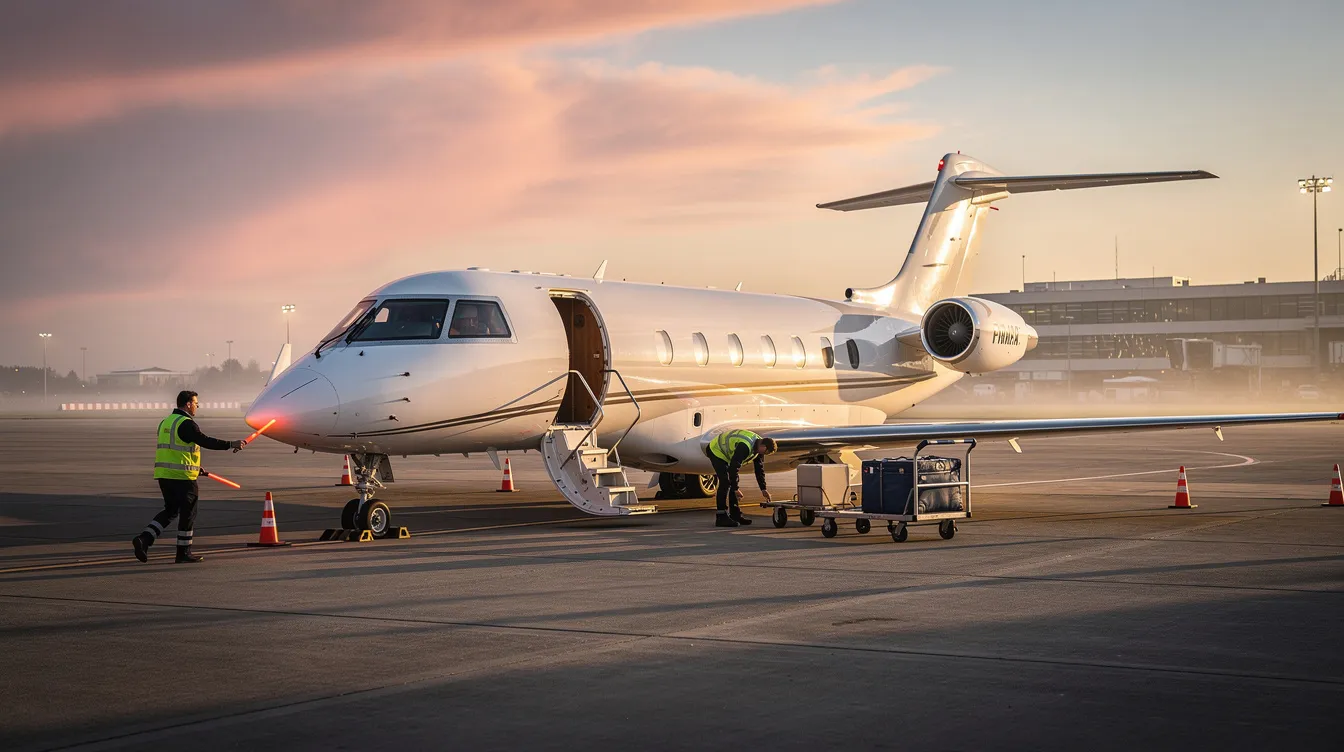
Davinci Jets is a premier private aviation company based in Charlotte, NC, offering a diverse fleet and comprehensive services including aircraft management and charter. With a focus on safety and personalized service, Davinci Jets caters to business travelers and jet owners, providing a high-touch experience that contrasts with digital charter platforms like Jettly, which offer instant booking and access to a wider range of aircraft. This guide explores Davinci Jets' offerings and how they compare to digital alternatives.
Jay Franco Serevilla
Sep 6, 2026
|
5
min read


View all
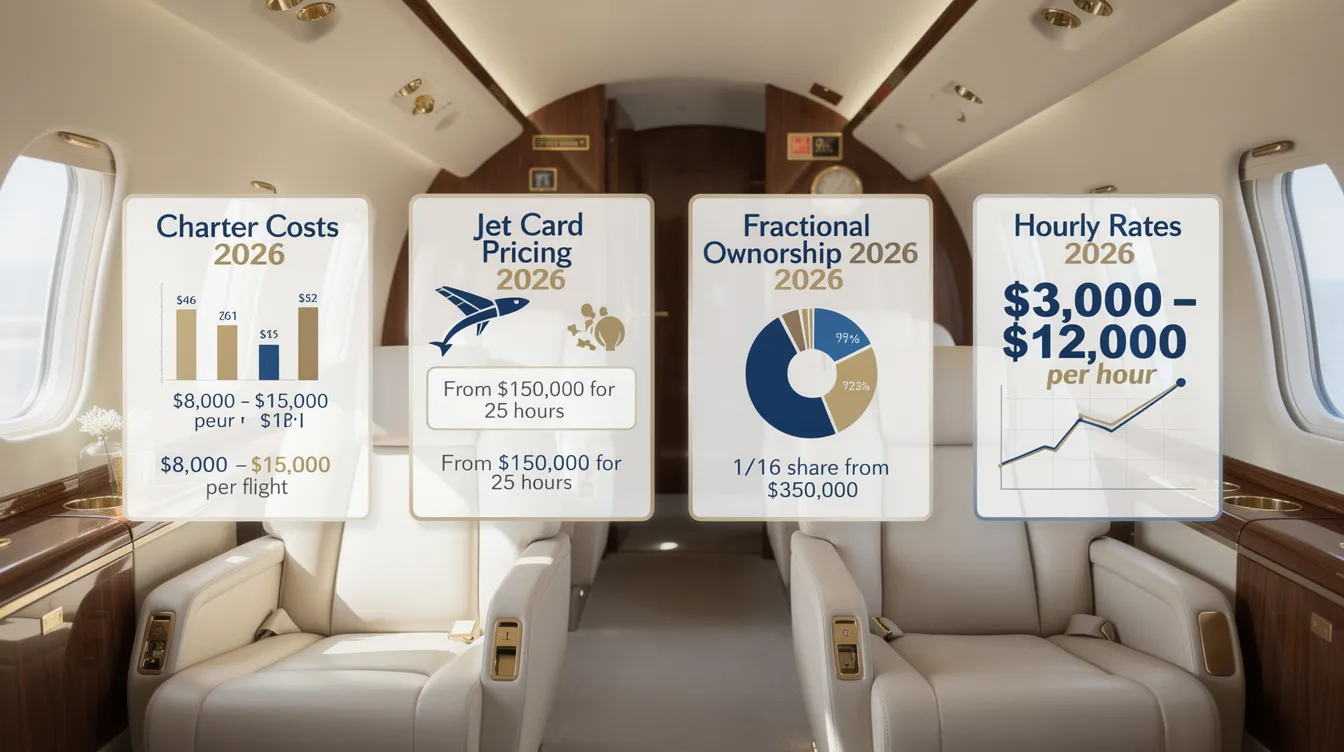
In 2026, private jet costs are categorized into fixed access fees and variable trip costs, with Jettly providing a detailed breakdown of pricing structures. On-demand charters range from $1,800 to over $15,000 per hour based on aircraft type, while Jettly's 25-hour Jet Card costs $50,000 plus a $12,997 enrollment fee, with hourly rates starting at $3,528. Fractional-style access through Jettly Cloud requires a license fee, monthly management fee, and hourly charges, with costs varying significantly based on usage patterns. To effectively compare quotes, it’s crucial to normalize costs by considering all fees, billing methods, and potential add-ons, ensuring transparency and informed decision-making.
Jay Franco Serevilla
Jul 9, 2026
|
5
min read
View all
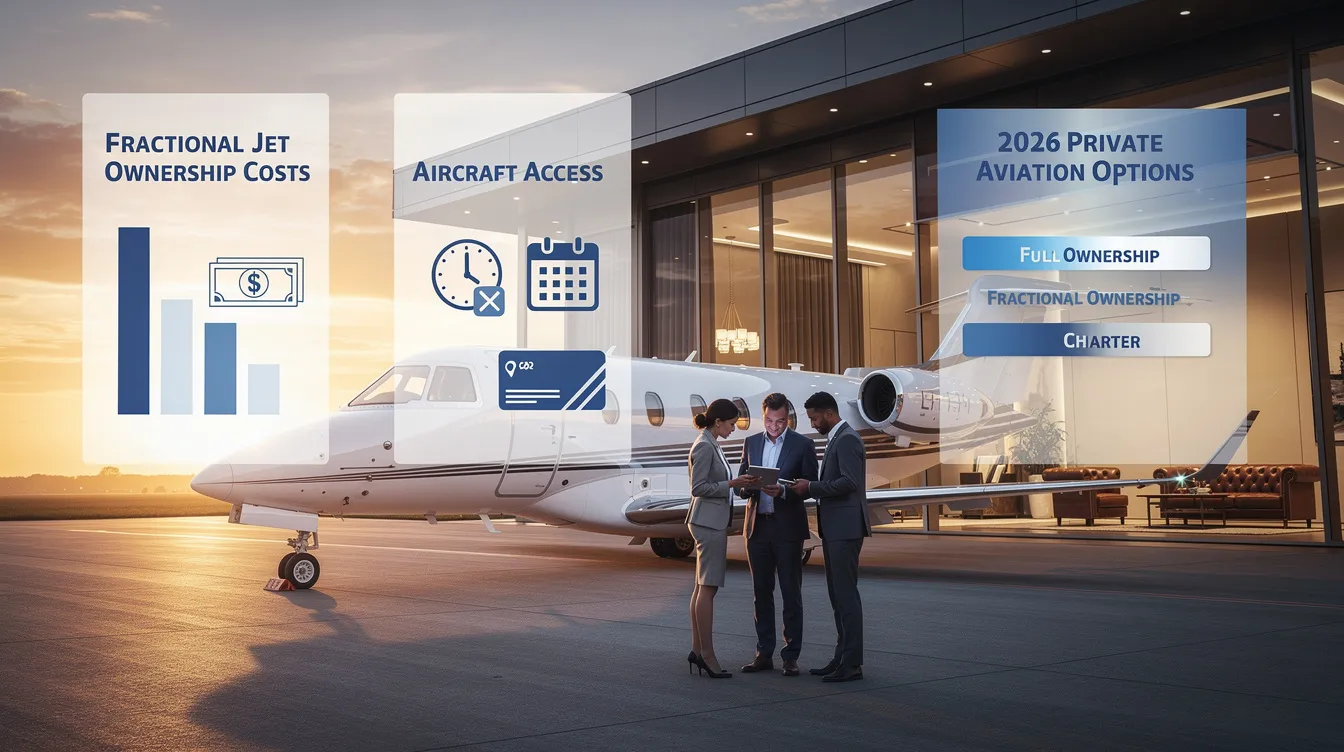
Cloud Fraction is Jettly's fractional-style access program that allows users to license access to an aircraft class for a fixed term of 36 months, without taking ownership of a specific aircraft. The program includes a one-time license fee, a monthly management fee, and a fixed hourly rate for flights, with no fuel surcharges or positioning fees. Pricing varies by aircraft class, with license fees ranging from $325,000 to $725,000, monthly fees from $12,000 to $22,000, and hourly rates from $5,250 to $8,900, all covering 50 flight hours per year. This model provides flexibility and predictability in costs, differentiating it from traditional fractional ownership by eliminating depreciation risks and allowing access to any compliant aircraft within the contracted class.
Jay Franco Serevilla
Jul 9, 2026
|
5
min read
View all
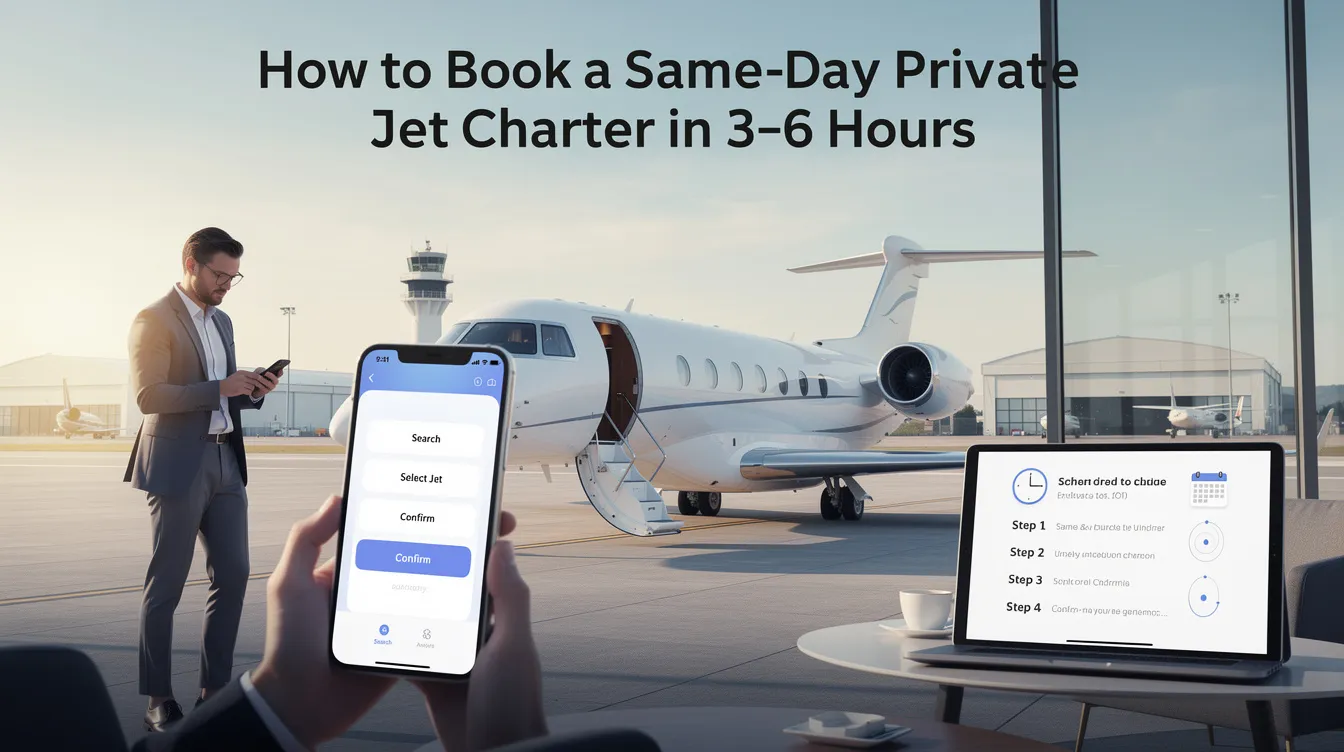
Booking a same-day private jet charter is often feasible within 3 to 6 hours if an aircraft and crew are already positioned nearby, but confirmation requires signing a charter agreement and securing payment promptly. Key factors influencing the timeline include aircraft positioning, crew availability, airport operating hours, and the speed of providing passenger details. Jettly recommends having all necessary information ready, such as passenger names, preferred airports, and a payment-ready decision maker, to expedite the process. While last-minute pricing can vary based on availability and positioning, travelers can often find significant savings through empty leg flights or flexible departure windows.
Jay Franco Serevilla
Jul 9, 2026
|
5
min read
View all
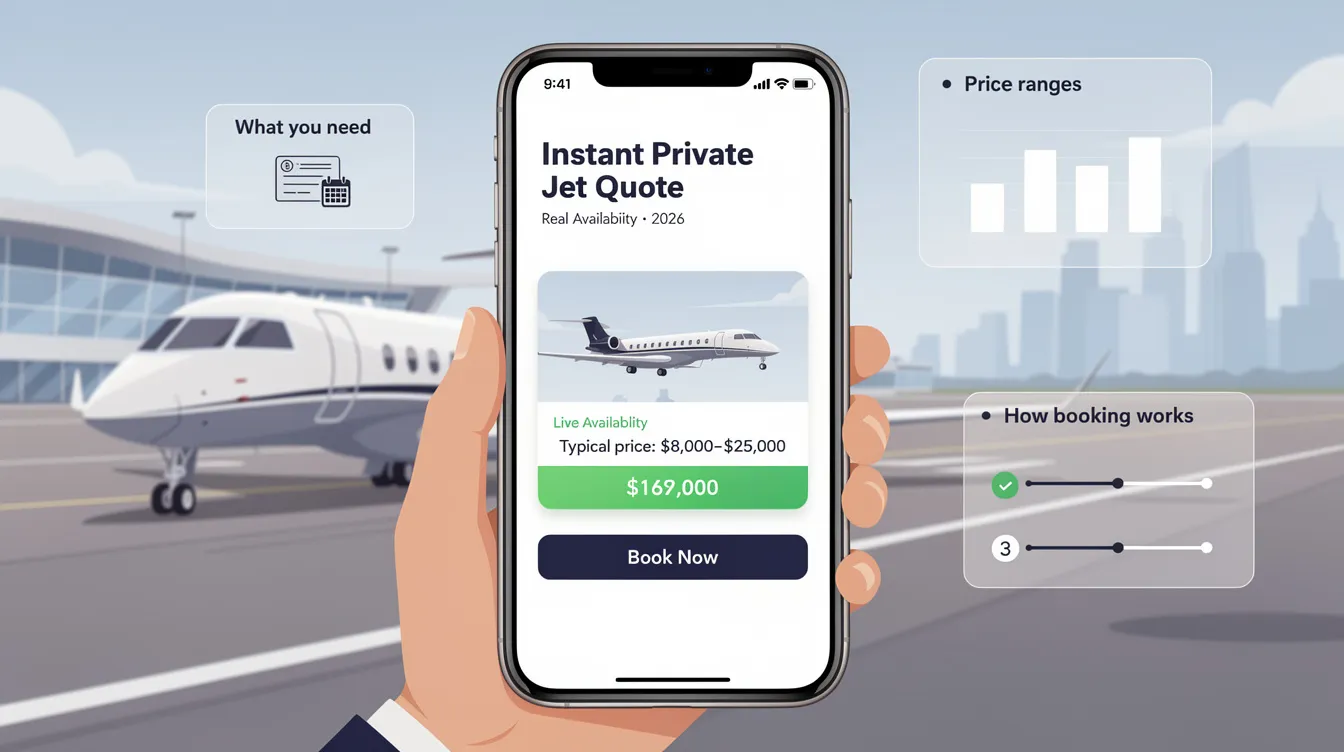
An instant private jet quote provides a quick price estimate based on specific travel details, but actual flight confirmation requires operator acceptance, a signed charter agreement, and secured payment. Pricing is dynamic and can change rapidly due to factors like aircraft positioning and crew availability, making it essential to understand the difference between an instant quote and real availability. For accurate pricing, travelers should provide detailed information including exact airports, travel dates, passenger counts, and flexibility in scheduling. Booking 24 to 72 hours in advance typically offers the best selection and pricing, while same-day trips may be possible under certain conditions.
Jay Franco Serevilla
Jul 9, 2026
|
5
min read
View all
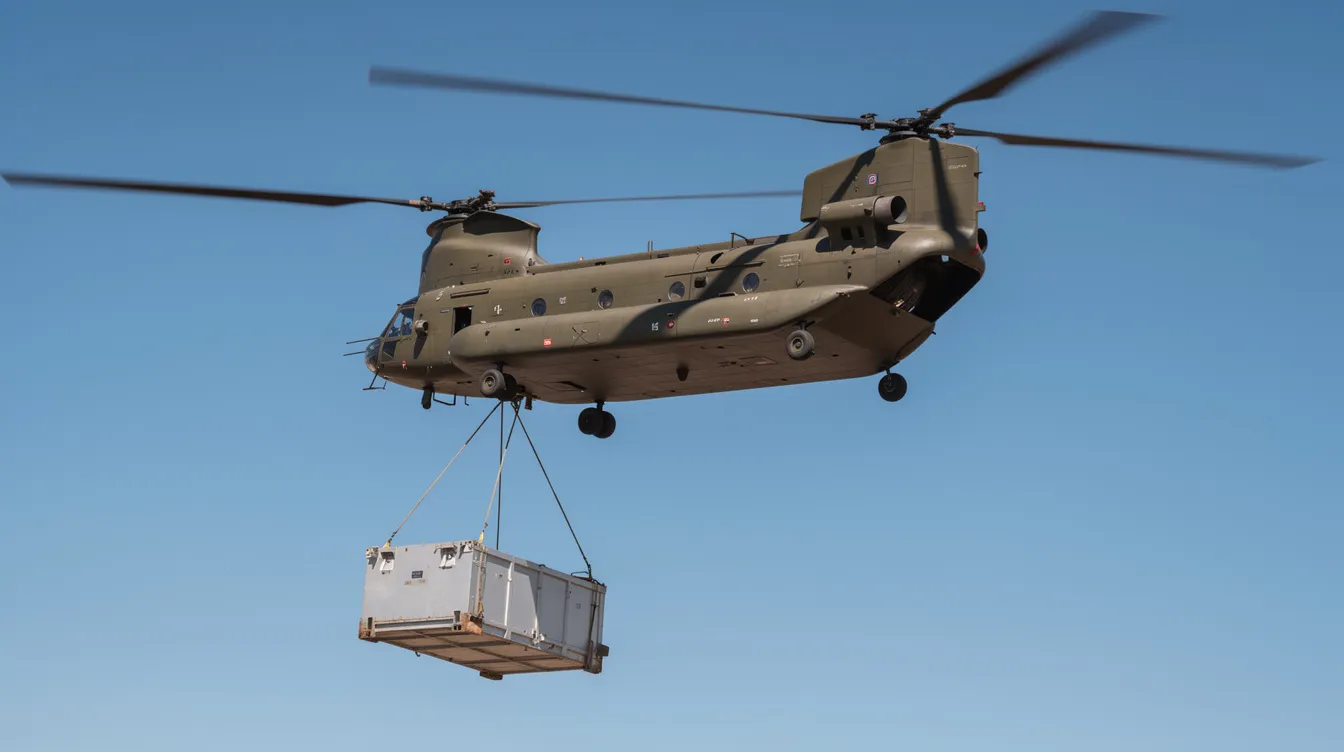
The CH-47 Chinook is a highly capable heavy-lift helicopter, with a maximum external lift capacity of approximately 26,000 pounds at sea level, which decreases in higher altitudes and temperatures. Its tandem rotor design enhances stability and efficiency, making it suitable for various missions, including military operations, disaster relief, and construction. The Chinook's versatility is further supported by its spacious cabin, triple-hook cargo system, and advanced safety features, ensuring reliable performance even in challenging conditions. While primarily used in specialized operations, understanding its capabilities helps clients assess their needs against available civilian charter options.
Jay Franco Serevilla
Jul 7, 2026
|
5
min read

View all
The 2026 Helicopter Taxi Price Guide outlines the costs associated with point-to-point private helicopter charters, which typically range from $1,200 to over $6,000 per flight hour, depending on factors like aircraft type, route, and seasonality. Key routes include Manhattan to East Hampton ($4,000-$8,000) and Los Angeles to Palm Springs ($3,500-$6,000). Pricing is influenced by operational fees, flight duration, and demand, with strategies such as booking early or flying on weekdays potentially reducing costs by 10-30%. Jettly's platform offers real-time comparisons and transparent quotes to help travelers find the best value for their helicopter charters.
Jay Franco Serevilla
Jul 7, 2026
|
5
min read
Explore our latest articles and updates.
5
min read
Luxury Airlines: The Ultimate Guide to First Class Comfort and Business Class Travel
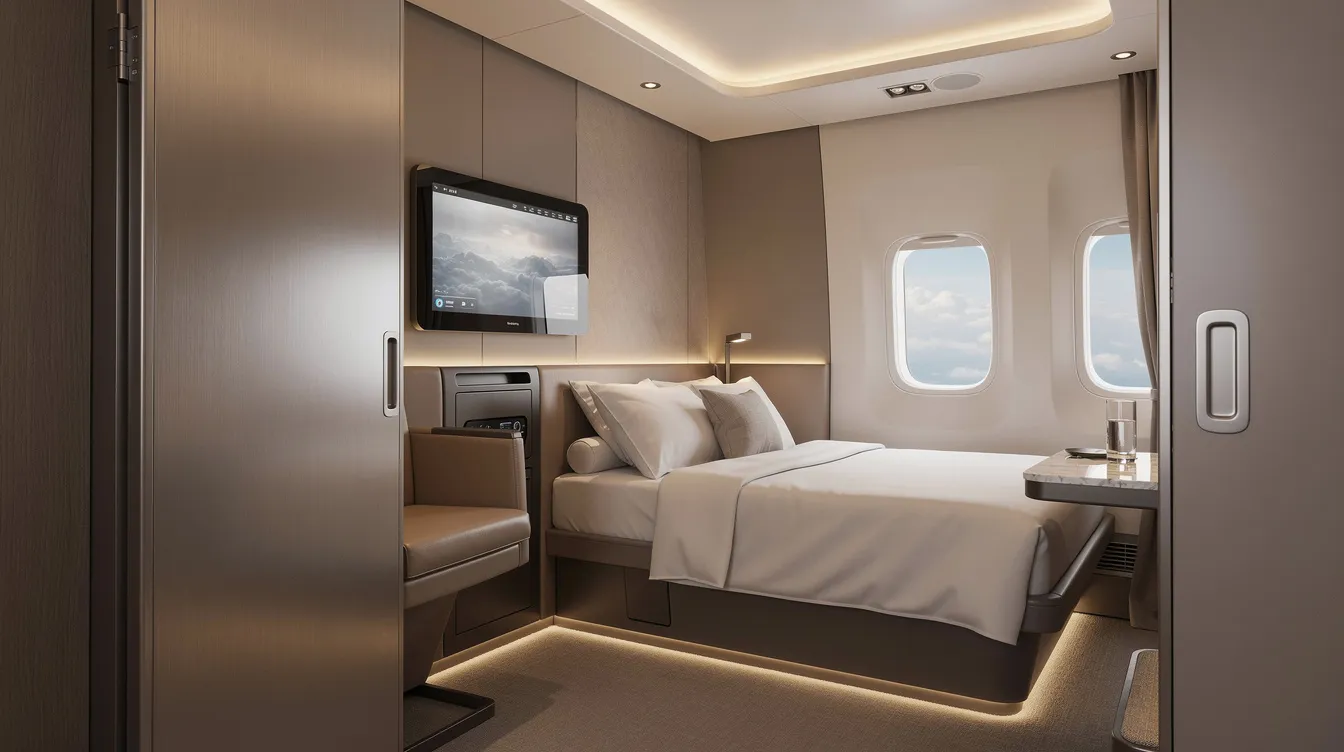
Luxury airlines have transformed air travel with private suites, gourmet dining, and exceptional service, setting a new standard for first and business class experiences. This guide explores top luxury carriers for 2025-2026, comparing their offerings and highlighting private jet alternatives like Jettly for maximum comfort and flexibility.
Read More5
min read
Luxury Airlines: The Ultimate Guide to First Class Comfort and Business Class Travel
Luxury airlines have transformed air travel with private suites, gourmet dining, and exceptional service, setting a new standard for first and business class experiences. This guide explores top luxury carriers for 2025-2026, comparing their offerings and highlighting private jet alternatives like Jettly for maximum comfort and flexibility.
Read MoreJoin our community and receive the latest blog updates directly in your inbox.
MEMBERSHIPS AND ASSOCIATIONS



Disclaimer: Jettly operates as a charter broker, offering access to a global digital jet charter marketplace. Jettly is not a direct air carrier and does not own or operate aircraft. All advertised flights are conducted by third-party air carriers that are fully licensed and hold the appropriate Part 135 or Part 121 certifications issued by the Federal Aviation Administration (FAA) or equivalent regulatory authorities under U.S. or foreign law. Jettly complies fully with the U.S. Department of Transportation's Part 295 and Part 298 Charter Broker regulations. Jettly does not carry additional liability insurance. Passengers are covered by aircraft operator insurance. TICO: 50023770


