



Login
Get Instant Pricing On 23,000+ Aircraft

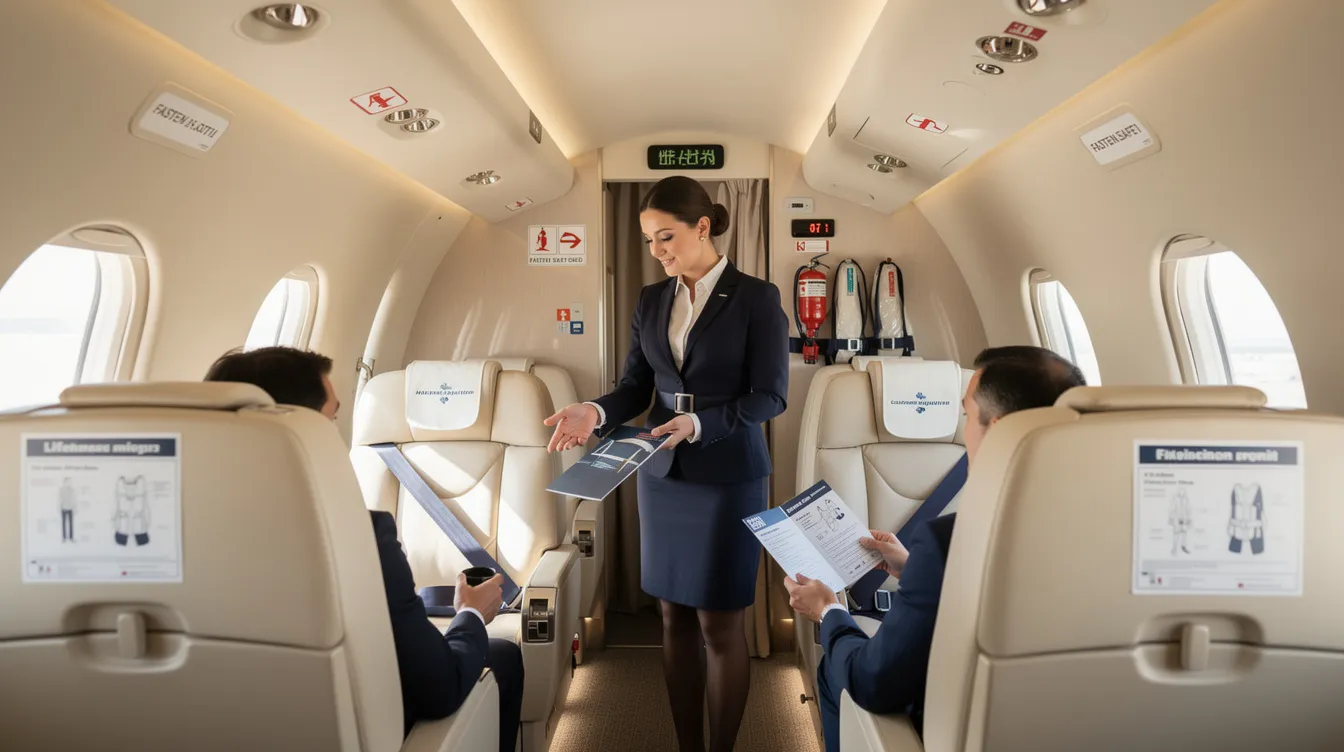
Understanding private jet safety certifications is crucial for ensuring a secure flight experience. This guide explains the differences between FAA Part 135 and Part 121, along with independent audits like ARGUS, WYVERN, and IS-BAO, highlighting the importance of verifying the operator's credentials before booking. Jettly, as a charter broker, emphasizes the need for thorough due diligence in confirming safety standards.
Jay Franco Serevilla
Nov 8, 2026
|
5
min read


View all
Jettly offers fast and flexible private jet charter services worldwide, catering to both leisure and business travelers. With access to over 20,000 aircraft and personalized service, Jettly ensures a seamless booking experience and unmatched convenience. This guide explores the benefits of air jet travel and the technical aspects of air jets in various industries.
Jay Franco Serevilla
Sep 11, 2026
|
5
min read

View all
This guide compares Wheels Up, NetJets, and Jettly, helping travelers choose the best private aviation provider based on costs, features, and flexibility. Whether you're a frequent flyer or new to private jets, understanding these options can streamline your travel experience and maximize value.
Jay Franco Serevilla
Sep 11, 2026
|
5
min read

View all
Travelers seeking NetJets ferry flights can benefit from understanding the distinction between internal tools and consumer platforms like Jettly. This guide outlines how to effectively find and book repositioning flights, emphasizing the advantages of using Jettly for accessing empty leg flights at significant savings. With flexibility in travel plans, users can capitalize on opportunities that traditional methods may overlook.
Jay Franco Serevilla
Sep 11, 2026
|
5
min read

View all
Private plane flight times are significantly shorter than commercial travel, influenced by factors like distance, aircraft type, and weather conditions. Understanding these variables is crucial for efficient scheduling and cost management, especially for corporate travelers and families. Jettly offers tools to provide accurate flight time estimates, enhancing the private flying experience.
Jeff Ryan Serevilla
Sep 8, 2026
|
5
min read

View all
This article compares the costs of light jets and heavy jets for private travel, highlighting key factors such as hourly rates, passenger capacity, and trip efficiency. Light jets are more cost-effective for shorter domestic flights with smaller groups, while heavy jets excel in long-range travel and larger passenger capacities. Understanding these differences can help travelers make informed decisions based on their specific needs and budgets.
Jeff Ryan Serevilla
Sep 8, 2026
|
5
min read

View all
Single-engine planes typically cruise between 110 and 180 knots, with high-performance models exceeding 200 knots. Factors like aircraft type, altitude, and weight significantly influence actual speeds. Understanding cruise speed is crucial for effective trip planning and can often rival commercial airliners in total travel time.
Jay Franco Serevilla
Sep 7, 2026
|
5
min read
Explore our latest articles and updates.

5
min read
Fractional Jet Ownership Cost: The Complete Pricing Breakdown
Fractional jet ownership in 2026 typically requires an upfront investment of $500,000 to over $1.5 million for a share, along with monthly management fees ranging from $8,000 to $25,000 and hourly flight costs of $4,000 to $9,000, leading to total five-year costs that can exceed $1 million. The structure includes various fees such as acquisition costs, management fees, fuel surcharges, and depreciation, making it essential for potential buyers to understand the complete financial implications. While fractional ownership offers flexibility and access to aircraft, it may not be cost-effective for those flying under 150 hours annually, where alternatives like jet cards could provide better value. A thorough analysis of all costs and usage patterns is crucial for informed decision-making in private aviation investments.
Read More
5
min read
Jet Card Tax Guide: FET, Business Deductibility & State Sales Tax
The Jet Card Tax Guide outlines key tax considerations for private jet card users, including Federal Excise Tax (FET), state sales tax, and business deductibility rules, aimed at CFOs and finance teams managing aviation budgets. FET is a 7.5% tax on domestic flights, with pricing typically quoted as either "all-in" (including FET) or "plus-FET" (added on top). Jet card flights may be tax-deductible if they meet IRS criteria for business expenses, while personal travel is generally non-deductible. The guide emphasizes the importance of understanding tax implications for effective financial planning and compliance in private aviation.
Read MoreJoin our community and receive the latest blog updates directly in your inbox.
MEMBERSHIPS AND ASSOCIATIONS



© 2026 Jettly Inc. All rights reserved.
Disclaimer: Jettly operates as a charter broker, offering access to a global digital jet charter marketplace. Jettly is not a direct air carrier and does not own or operate aircraft. All advertised flights are conducted by third-party air carriers that are fully licensed and hold the appropriate Part 135 or Part 121 certifications issued by the Federal Aviation Administration (FAA) or equivalent regulatory authorities under U.S. or foreign law. Jettly complies fully with the U.S. Department of Transportation's Part 295 and Part 298 Charter Broker regulations. Jettly does not carry additional liability insurance. Passengers are covered by aircraft operator insurance. TICO: 50023770


