


Login
Get Instant Pricing On 23,000+ Aircraft

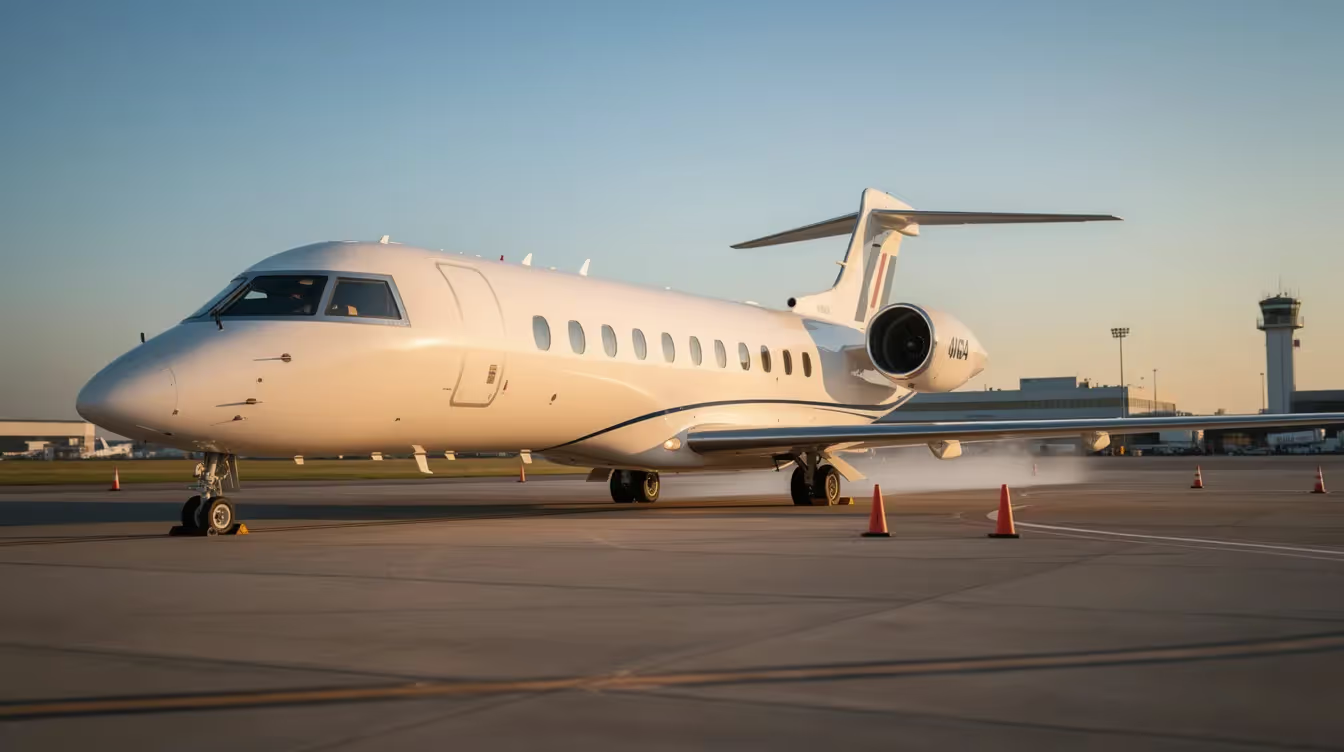
Private jet travel in India is experiencing significant growth, with annual increases of 30-50% expected through 2026-2027, driven by demand for time efficiency and flexibility. Charter prices for private jets range from approximately ₹1.6 lakh to over ₹10 lakh per hour, depending on aircraft type and route, with popular domestic routes like Delhi-Mumbai costing between ₹4-₹18 lakh one-way. Jettly, a digital charter platform, offers instant pricing and access to over 20,000 aircraft, allowing travelers to compare options and utilize strategies like empty leg flights to save costs. Understanding the various cost components, including airport fees and bespoke services, is crucial for optimizing expenses when booking private jet travel in India.
Jay Franco Serevilla
Apr 18, 2026
|
5
min read



View all
In 2025, helicopter ride prices vary significantly based on factors such as flight duration, location, and aircraft type, with shared tours costing between $150 and $600 per person and private charters ranging from $1,200 to $3,500 per hour. Key cities like New York, Los Angeles, and Miami have distinct pricing structures, with NYC tours starting around $286 and private charters often exceeding $2,500 per hour. Additional fees, such as heliport surcharges and fuel costs, can increase total expenses by 10-25%, so it's crucial to confirm what's included before booking. Platforms like Jettly facilitate price comparisons and transparent quotes, helping travelers secure the best deals for their helicopter experiences.
Jay Franco Serevilla
Jul 6, 2026
|
5
min read
View all
Modern travel agents and agencies collaborate with digital platforms like Jettly to offer comprehensive travel planning, including private jet charters. Travel agents provide personalized services, while agencies manage supplier relationships and accreditation, allowing them to secure exclusive perks for clients. Jettly acts as a specialized online travel agency for private aviation, enabling agents to access a vast network of aircraft and instant pricing. This combination of expert guidance and digital convenience empowers travelers to make informed decisions about their travel arrangements, balancing cost, timing, and comfort.
Jay Franco Serevilla
Jul 6, 2026
|
5
min read

View all
Costco Travel packages offer bundled vacations that include flights, hotels, and additional perks, providing significant savings for members. These packages are designed for families and couples seeking convenience and value, with options for customization and added benefits like waived fees and daily breakfasts. While Costco Travel is ideal for mainstream destinations and straightforward itineraries, travelers seeking flexibility and personalized experiences may find private jet charters through Jettly a better fit. Ultimately, the choice between Costco Travel and private jet options depends on individual travel priorities, budget, and desired convenience.
Jay Franco Serevilla
Jul 6, 2026
|
5
min read
View all
To find the best last-minute flight deals, focus on booking 2–3 days before departure rather than a specific weekday, as timing and flexibility are key. Midweek flights and traveling on holidays like Christmas Day can yield significant savings. For urgent business trips or group travel, consider private jet charters, which can be more cost-effective and time-efficient than last-minute commercial fares. Tools like price alerts and flexible-date calendars are essential for tracking fare drops in the final days before travel.
Jay Franco Serevilla
Jul 6, 2026
|
5
min read

View all
Timing your flight ticket purchases can significantly affect travel costs, with optimal booking windows varying for commercial and private flights. For U.S. domestic flights, the best time to book is typically 1–3 months in advance, while international flights should be booked 3–6 months ahead. Private jet charters are best booked 2–4 weeks before short-haul trips and 4–8 weeks for long-haul flights, with Jettly offering tools for transparent pricing and aircraft comparisons. Monitoring prices and flying on off-peak days can further enhance savings for both commercial and private travel.
Jay Franco Serevilla
Jul 6, 2026
|
5
min read

View all
To find cheap flights in 2026, travelers should leverage flexibility in travel dates, book 1–3 months in advance, and utilize fare comparison tools like Google Flights and Jettly. Midweek flights and off-peak travel periods often yield the best prices, with empty-leg private jet flights offering significant savings of 25–75%. Setting up price alerts and using incognito mode can help avoid dynamic pricing and secure the best deals. Overall, combining smart booking strategies with technology can make both commercial and private aviation more affordable without sacrificing safety or comfort.
Jay Franco Serevilla
Jul 6, 2026
|
5
min read
Explore our latest articles and updates.
5
min read
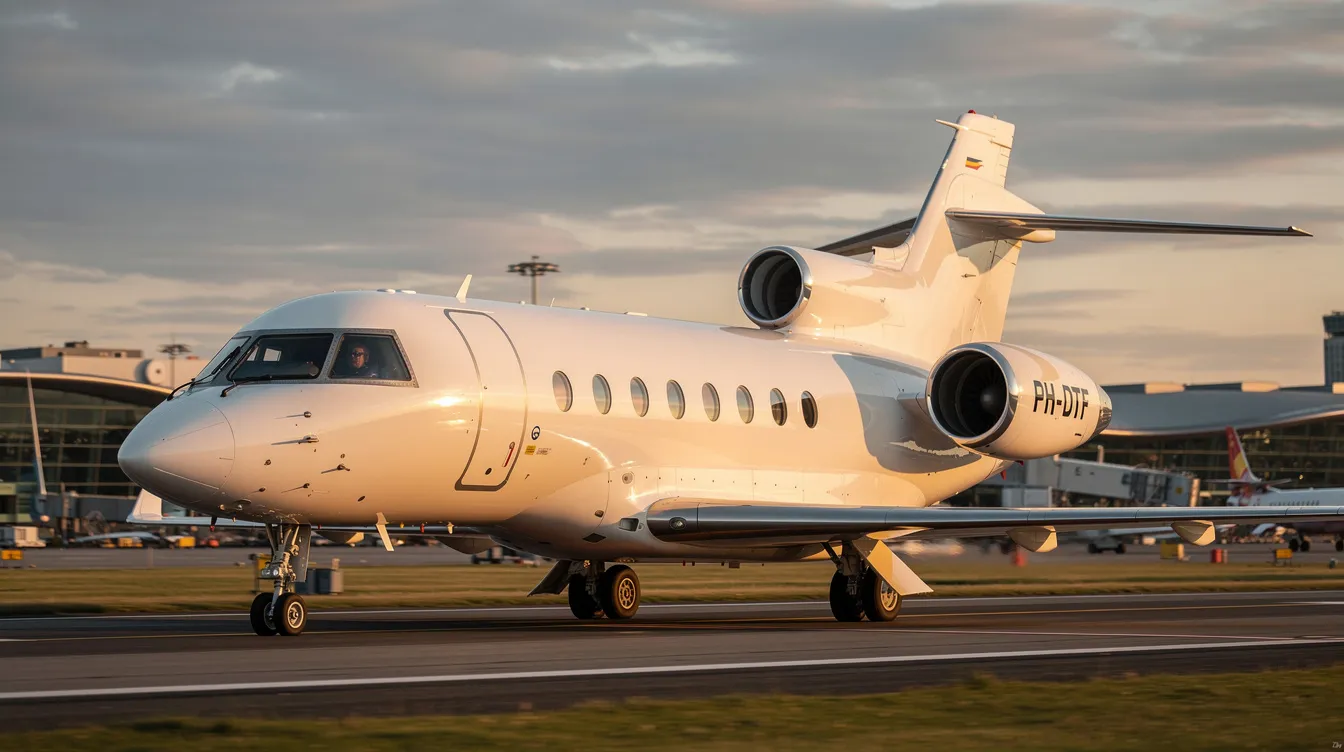
PH-DTF Dassault Falcon 900EX: Aircraft Profile, Flight History, and Charter Options
The PH-DTF is a 2008 Dassault Falcon 900EX EASy, a tri-engine business jet known for its long-range capabilities and luxury. With a flight history spanning Europe and North America, it offers travelers a comfortable and efficient option for private jet charters. This article explores its technical specifications, flight history, and how to charter similar aircraft through platforms like Jettly.
Read More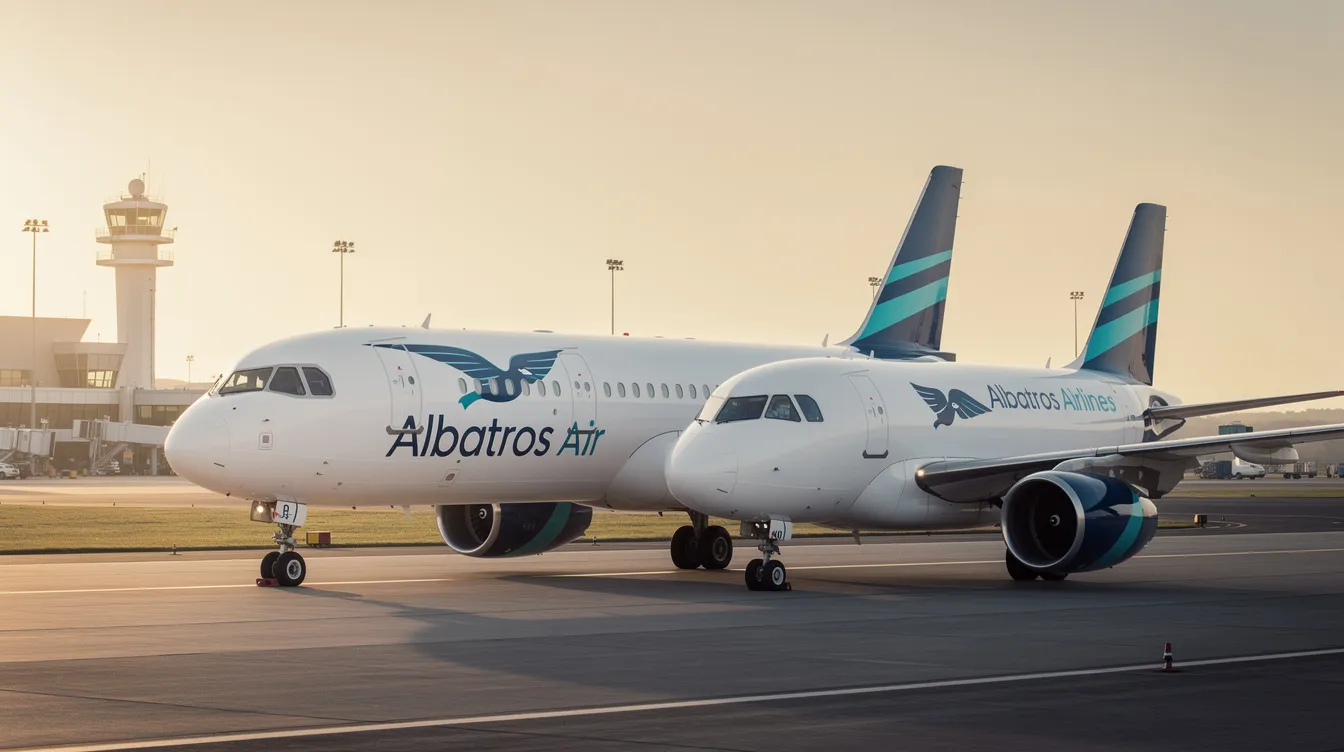
5
min read
Albatros Air & Albatros Airlines: Charter Flights, Training, and Private Travel Options
Albatros Airlines and Albatross Air are two distinct aviation companies serving different markets. Albatros Airlines operates scheduled and charter flights in Venezuela, while Albatross Air focuses on local charter services and flight training in West Virginia. For travelers seeking flexibility, digital platforms like Jettly offer access to thousands of aircraft worldwide, enhancing travel options beyond traditional airlines.
Read MoreJoin our community and receive the latest blog updates directly in your inbox.
MEMBERSHIPS AND ASSOCIATIONS



Disclaimer: Jettly operates as a charter broker, offering access to a global digital jet charter marketplace. Jettly is not a direct air carrier and does not own or operate aircraft. All advertised flights are conducted by third-party air carriers that are fully licensed and hold the appropriate Part 135 or Part 121 certifications issued by the Federal Aviation Administration (FAA) or equivalent regulatory authorities under U.S. or foreign law. Jettly complies fully with the U.S. Department of Transportation's Part 295 and Part 298 Charter Broker regulations. Jettly does not carry additional liability insurance. Passengers are covered by aircraft operator insurance. TICO: 50023770


