


Login
Get Instant Pricing On 23,000+ Aircraft

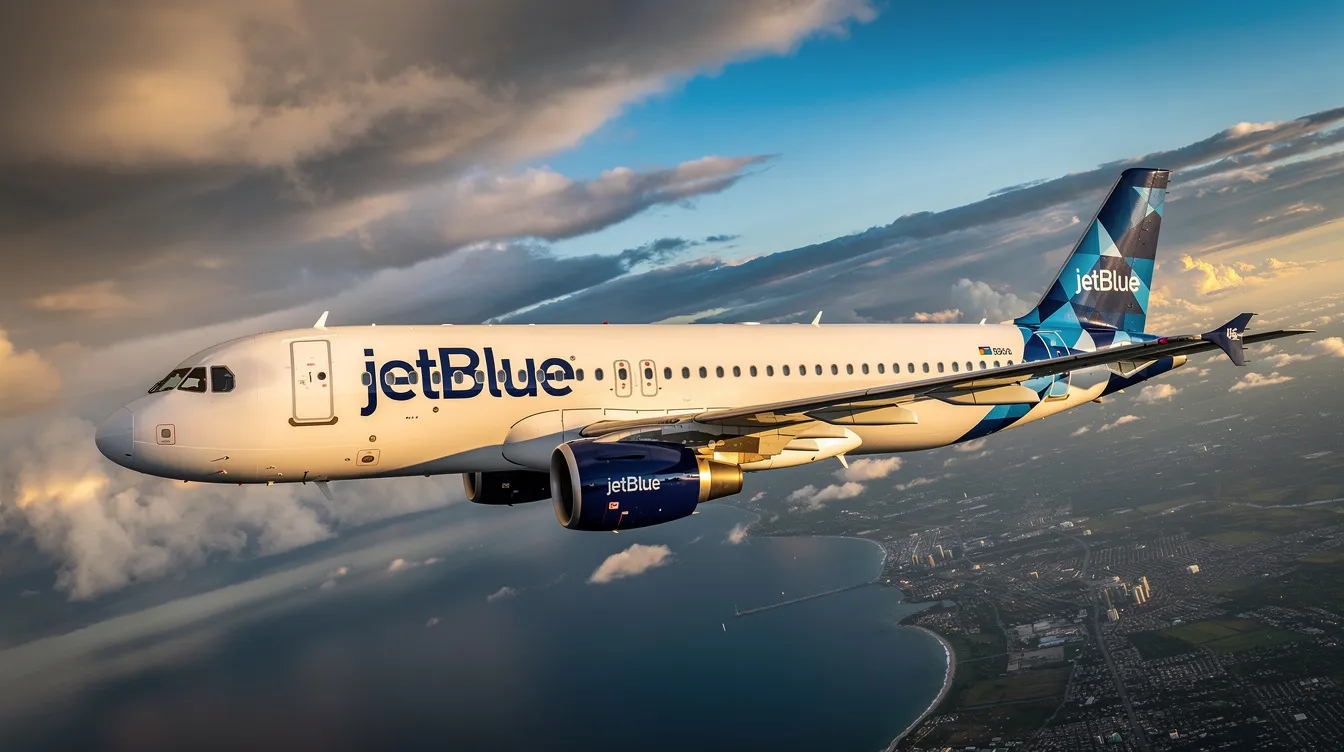
This article provides developers and travel planners with essential insights into accessing JetBlue's aviation data, including flight schedules and real-time status. It highlights the importance of integrating JetBlue's API with private charter services like Jettly to enhance travel solutions and optimize trip planning. Understanding these options allows for seamless passenger experiences and operational advantages.
Jay Franco Serevilla
Sep 13, 2026
|
5
min read


View all
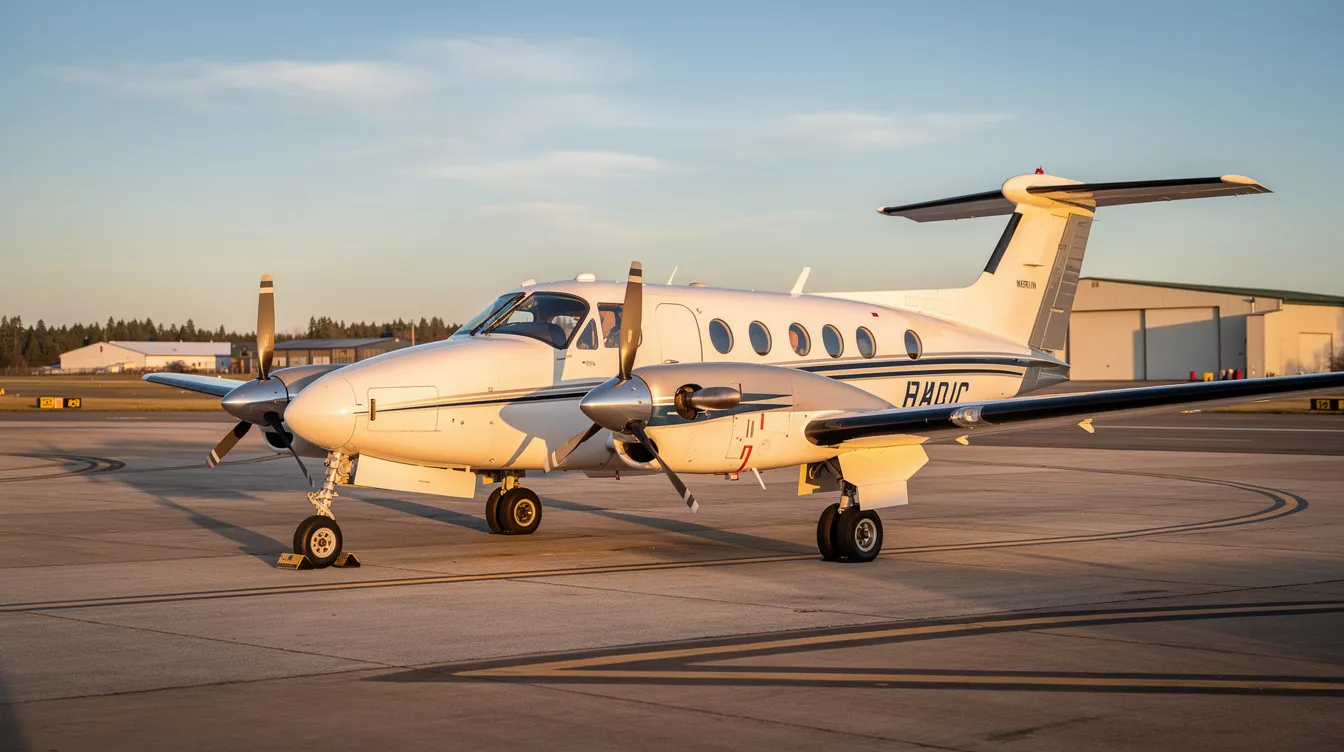
The Swearingen Merlin 3 is a versatile twin turboprop aircraft ideal for private charter travelers seeking efficiency and speed. With a pressurized cabin and the ability to operate from shorter runways, it offers a practical alternative to light jets for both business and leisure flights. Jettly provides easy access to Merlin III options with transparent pricing and a wide network of operators.
Jay Franco Serevilla
Jul 17, 2026
|
5
min read

View all
The Piper PA-46 family, including the Malibu, Mirage, and Meridian, offers a blend of performance, comfort, and efficiency for private pilots and charter operators. With spacious cabins and advanced avionics, these aircraft are ideal for regional travel, bridging the gap between piston aircraft and light jets. This guide covers their history, features, and charter options, showcasing their popularity among private flyers worldwide.
Jay Franco Serevilla
Jul 17, 2026
|
5
min read
View all
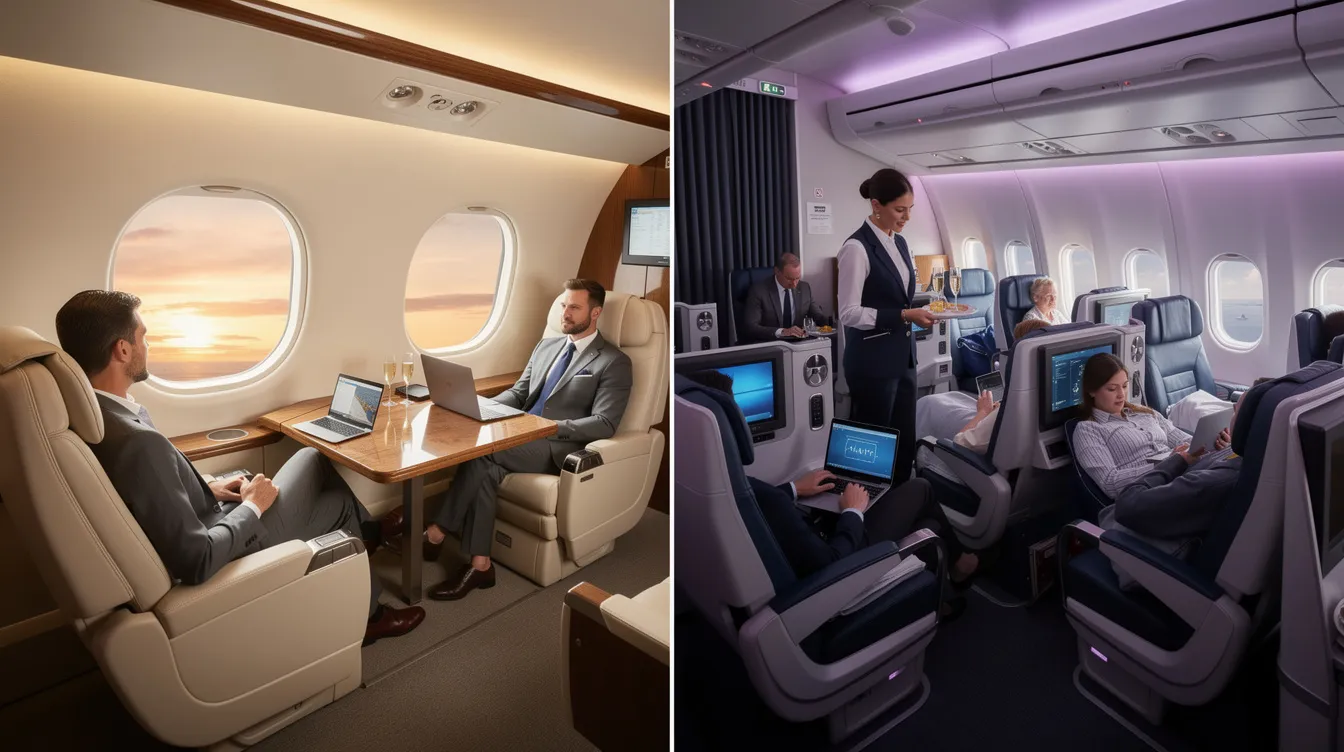
Choosing between private jet travel and business class involves weighing factors like cost, convenience, and privacy. Private jets offer tailored experiences and scheduling flexibility, while business class provides a premium option on commercial flights at a lower price. This guide helps you navigate the differences to determine the best choice for your next trip.
Jay Franco Serevilla
Jul 15, 2026
|
5
min read

View all
Flying private with Jettly transforms travel by eliminating crowded airports and long waits, allowing passengers to check in just 15-30 minutes before departure. This comprehensive guide covers everything from choosing the right aircraft to understanding pricing and packing for your journey, making private jet travel accessible and convenient for both business and leisure trips.
Jay Franco Serevilla
Jul 15, 2026
|
5
min read
View all
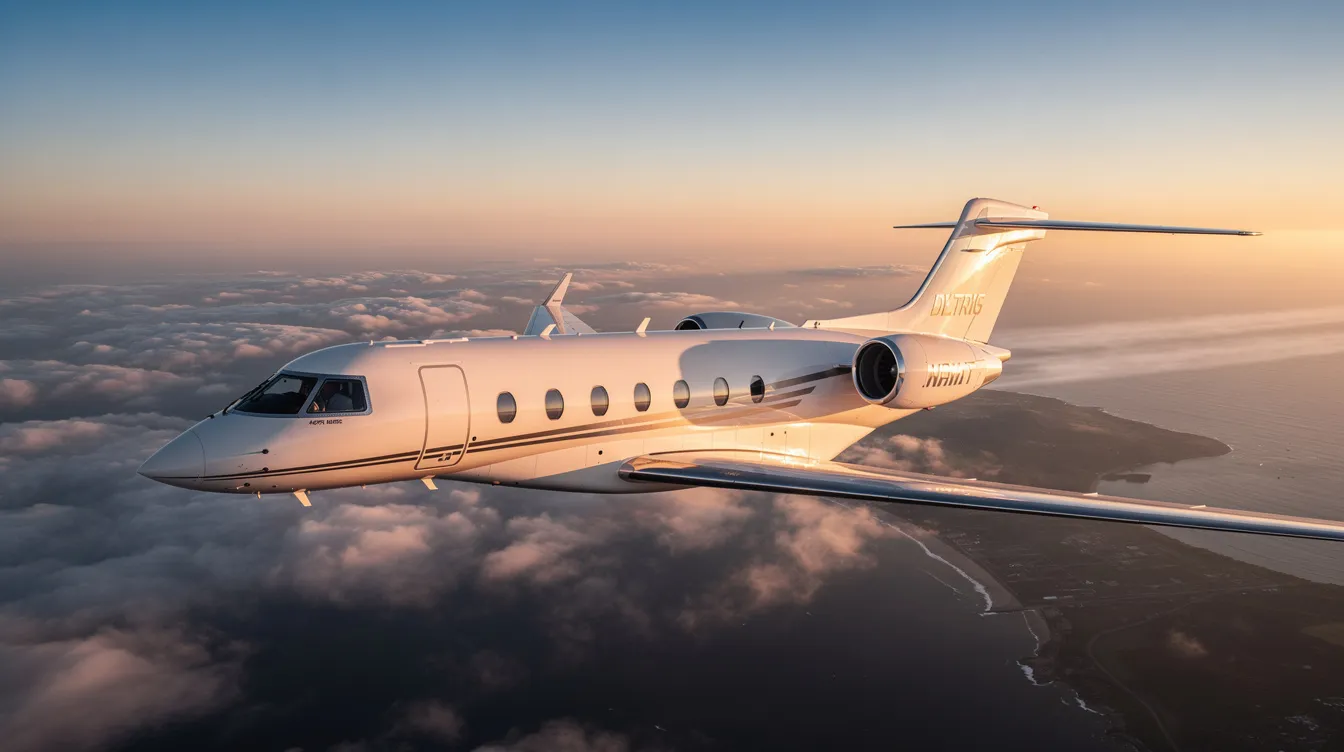
Flying in a private jet with Jettly offers a seamless and efficient travel experience, providing access to thousands of aircraft worldwide. This guide covers everything from costs and booking processes to what travelers can expect on the day of their flight, making private air travel more accessible than ever. With features like instant pricing and flexible scheduling, Jettly caters to both first-time flyers and seasoned travelers.
Jay Franco Serevilla
Jul 15, 2026
|
5
min read
View all
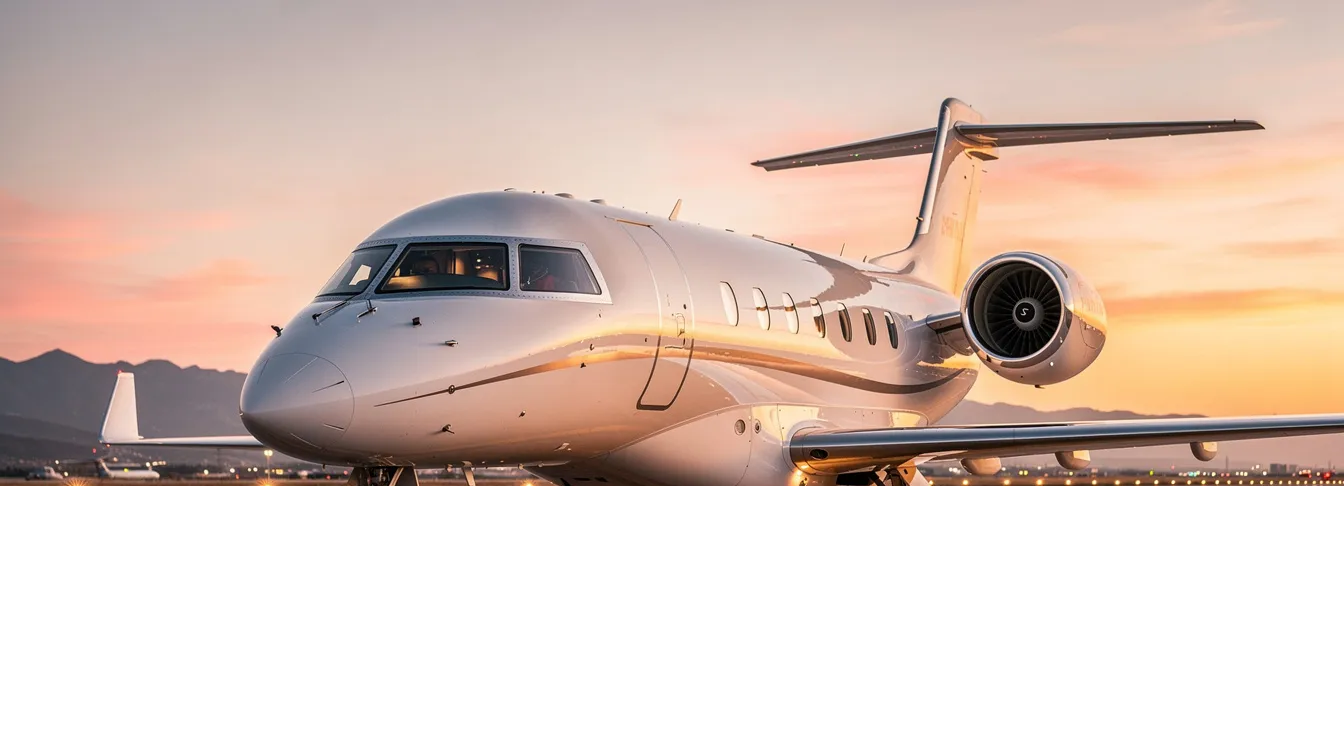
Private jet ferry flights, or repositioning flights, are essential for moving aircraft without passengers. They offer savvy travelers significant savings through empty leg opportunities, often reducing costs by 30-75%. Jettly's marketplace simplifies access to these discounted flights, providing transparent pricing and flexible options for private jet travel.
Jay Franco Serevilla
Jul 15, 2026
|
5
min read
Explore our latest articles and updates.
5
min read
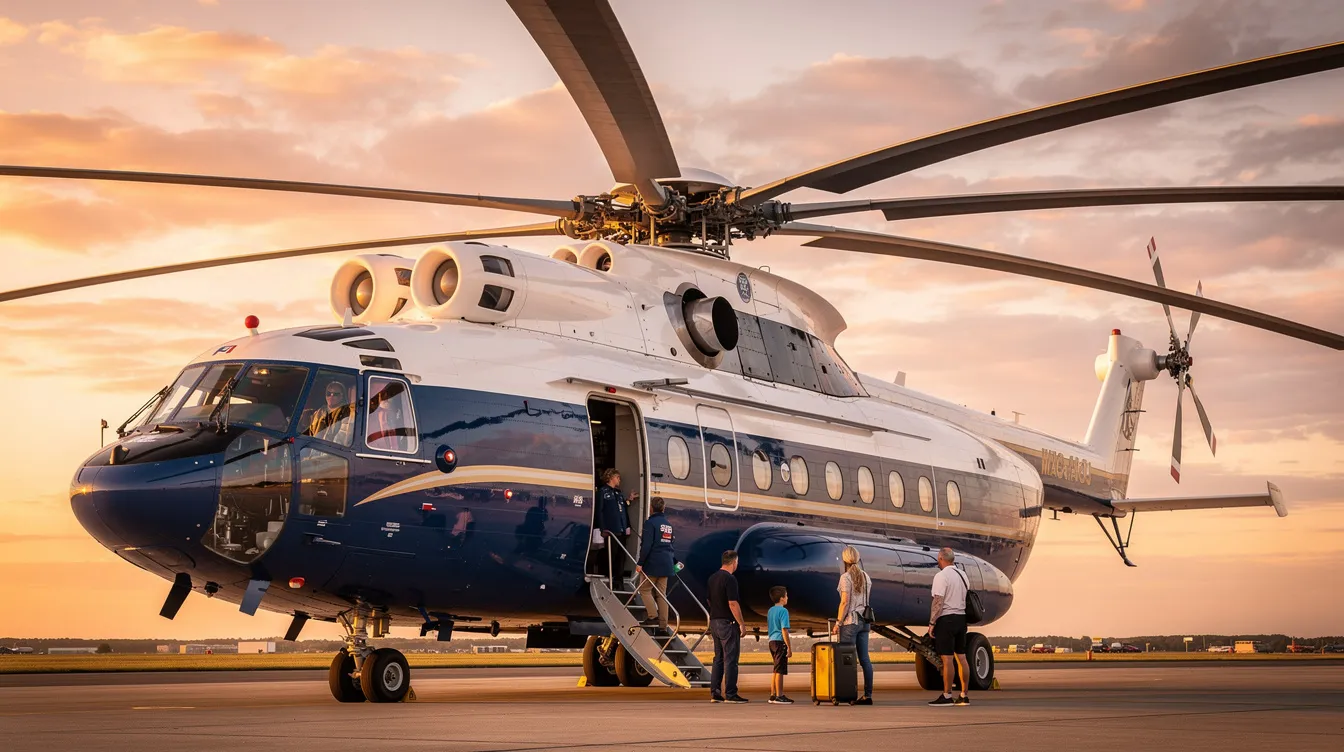
Largest Passenger Helicopter: Capacity, Capabilities, and Charter Options
The Mil Mi-26 is the largest passenger helicopter, accommodating up to 83 people, while the Sikorsky S-92 is the leading choice for civil aviation with a capacity of 19 passengers. These helicopters play vital roles in offshore transport, search and rescue, and VIP services. Charter options are available through platforms like Jettly, which facilitate access to helicopters for specialized missions.
Read More
5
min read
How Many Decibels Is a Helicopter? Helicopter Noise Levels Explained
Helicopters typically produce noise levels ranging from 83 to over 100 decibels, depending on the aircraft type and flight phase. Understanding these noise levels is crucial for passenger comfort and community impact, especially for those considering private helicopter travel. Modern advancements in helicopter design and noise-reduction technologies are helping to mitigate these sound levels.
Read MoreJoin our community and receive the latest blog updates directly in your inbox.
MEMBERSHIPS AND ASSOCIATIONS



Disclaimer: Jettly operates as a charter broker, offering access to a global digital jet charter marketplace. Jettly is not a direct air carrier and does not own or operate aircraft. All advertised flights are conducted by third-party air carriers that are fully licensed and hold the appropriate Part 135 or Part 121 certifications issued by the Federal Aviation Administration (FAA) or equivalent regulatory authorities under U.S. or foreign law. Jettly complies fully with the U.S. Department of Transportation's Part 295 and Part 298 Charter Broker regulations. Jettly does not carry additional liability insurance. Passengers are covered by aircraft operator insurance. TICO: 50023770


