


Login
Get Instant Pricing On 23,000+ Aircraft

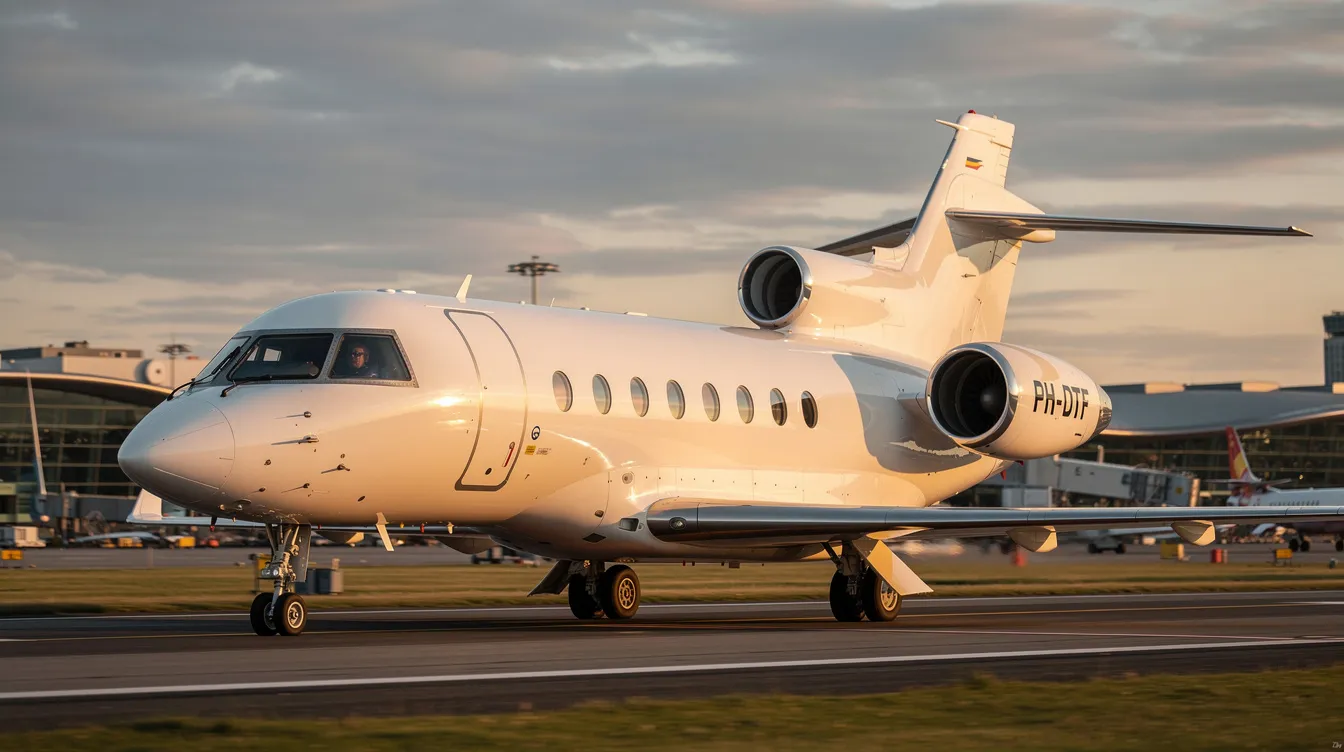
The PH-DTF is a 2008 Dassault Falcon 900EX EASy, a tri-engine business jet known for its long-range capabilities and luxury. With a flight history spanning Europe and North America, it offers travelers a comfortable and efficient option for private jet charters. This article explores its technical specifications, flight history, and how to charter similar aircraft through platforms like Jettly.
Jay Franco Serevilla
Sep 6, 2026
|
5
min read



View all
In 2026, purchasing a private jet ranges from approximately $2 million for older very light jets to over $100 million for ultra-long-range models, with annual operating costs typically between $500,000 and $2 million. Buyers must consider not only the acquisition cost but also ongoing expenses such as crew salaries, maintenance, and insurance, which can significantly impact total ownership costs. For those flying less than 200 hours annually, chartering through platforms like Jettly may be more cost-effective than ownership, while frequent flyers may benefit from full or fractional ownership. Understanding the various costs and options available is crucial for making informed decisions about private jet travel.
Jay Franco Serevilla
Jul 3, 2026
|
5
min read
View all
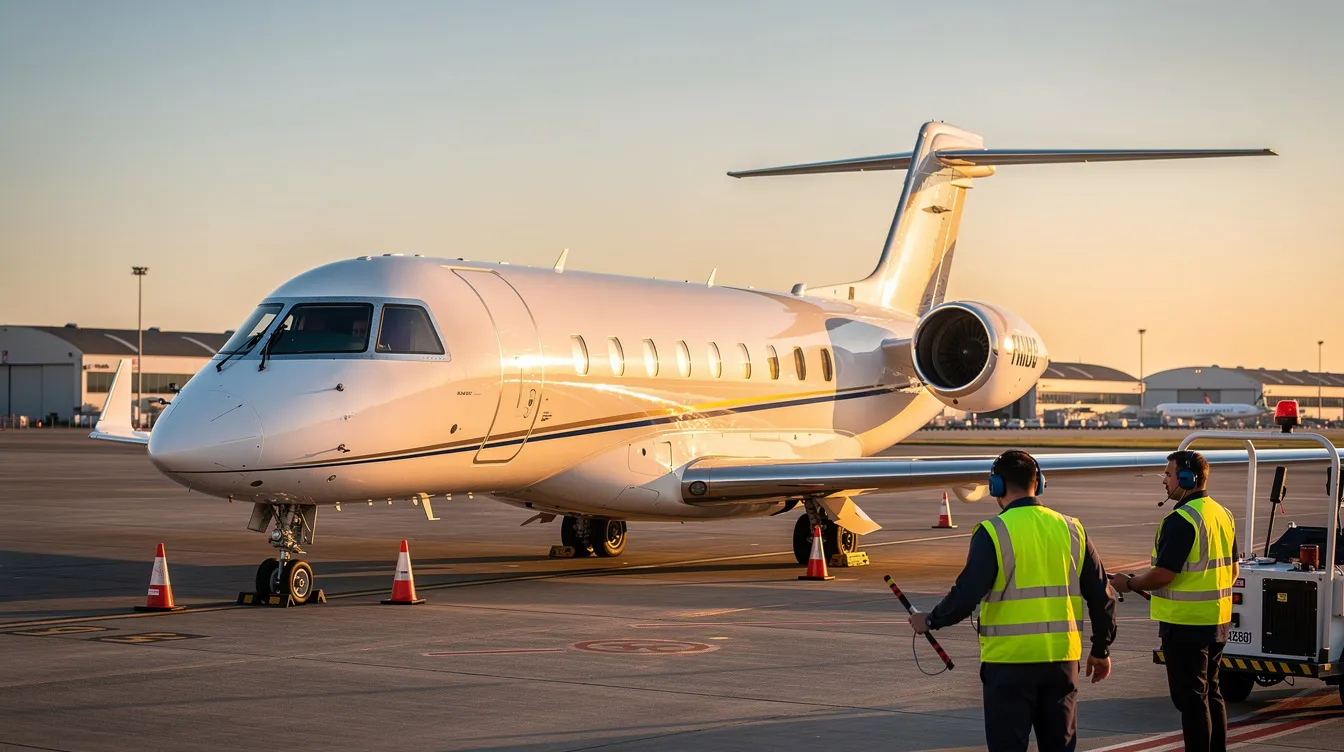
NetJets boasts a long-standing safety record, operating over 792 aircraft without a passenger fatality for more than five decades until a recent incident in June 2026. The company emphasizes safety through rigorous training, a structured Safety Management System, and certifications like ARGUS Platinum and IS-BAO Stage III, alongside a culture that encourages reporting safety concerns. However, recent disputes with the NetJets Association of Shared Aircraft Pilots have raised questions about maintenance documentation and fatigue management, highlighting the importance of maintaining a transparent safety culture. Travelers can also consider alternatives like Jettly, which connects clients with vetted operators that meet similar safety standards while offering flexibility and cost transparency.
Jay Franco Serevilla
Jul 3, 2026
|
5
min read

View all
Executive Jet Management (EJM) and NetJets provide comprehensive management and operational support for privately owned aircraft, focusing on services like crew hiring, maintenance, and regulatory compliance, while also offering fractional ownership options. EJM operates over 230 aircraft globally and conducts more than 41,500 flights annually, allowing owners to offset costs by chartering their jets when not in use. In contrast, Jettly offers a flexible on-demand charter service with access to over 20,000 aircraft worldwide, catering to travelers who prefer not to commit to ownership. The choice between these options depends on flight frequency, budget, and specific travel needs, with Jettly often being more cost-effective for those flying fewer than 150 hours per year.
Jay Franco Serevilla
Jul 3, 2026
|
5
min read

View all
Flexjet and NetJets are the two leading companies in fractional jet ownership, each catering to different customer profiles with distinct fleet sizes, service styles, and costs. NetJets operates a larger fleet of over 800 aircraft, offering a standardized experience ideal for corporate clients, while Flexjet focuses on a boutique approach with around 300 aircraft, emphasizing personalized service and customization. For occasional flyers or those with variable schedules, on-demand charter services like Jettly provide a flexible alternative with no long-term commitments or upfront capital, allowing users to pay per trip and choose from a vast inventory of over 20,000 aircraft. Ultimately, the choice between fractional ownership and on-demand charter hinges on flying frequency, budget, and the need for flexibility.
Jay Franco Serevilla
Jul 3, 2026
|
5
min read

View all
NetJets offers competitive pilot compensation, with first officers earning between $129,000 and $210,000 and captains making $250,000 to over $400,000 depending on experience and schedule. The company emphasizes quality of life through flexible rotation schedules, extensive home base options, and strong benefits, including a 401(k) with a 64% employer match and fully paid health insurance. NetJets is seen as a long-term career destination rather than a stepping stone, attracting pilots with its unique flying missions and financial stability backed by Berkshire Hathaway. Overall, the compensation and benefits package positions NetJets pilots favorably within the private aviation market, enhancing safety and service quality for travelers.
Jay Franco Serevilla
Jul 3, 2026
|
5
min read
View all
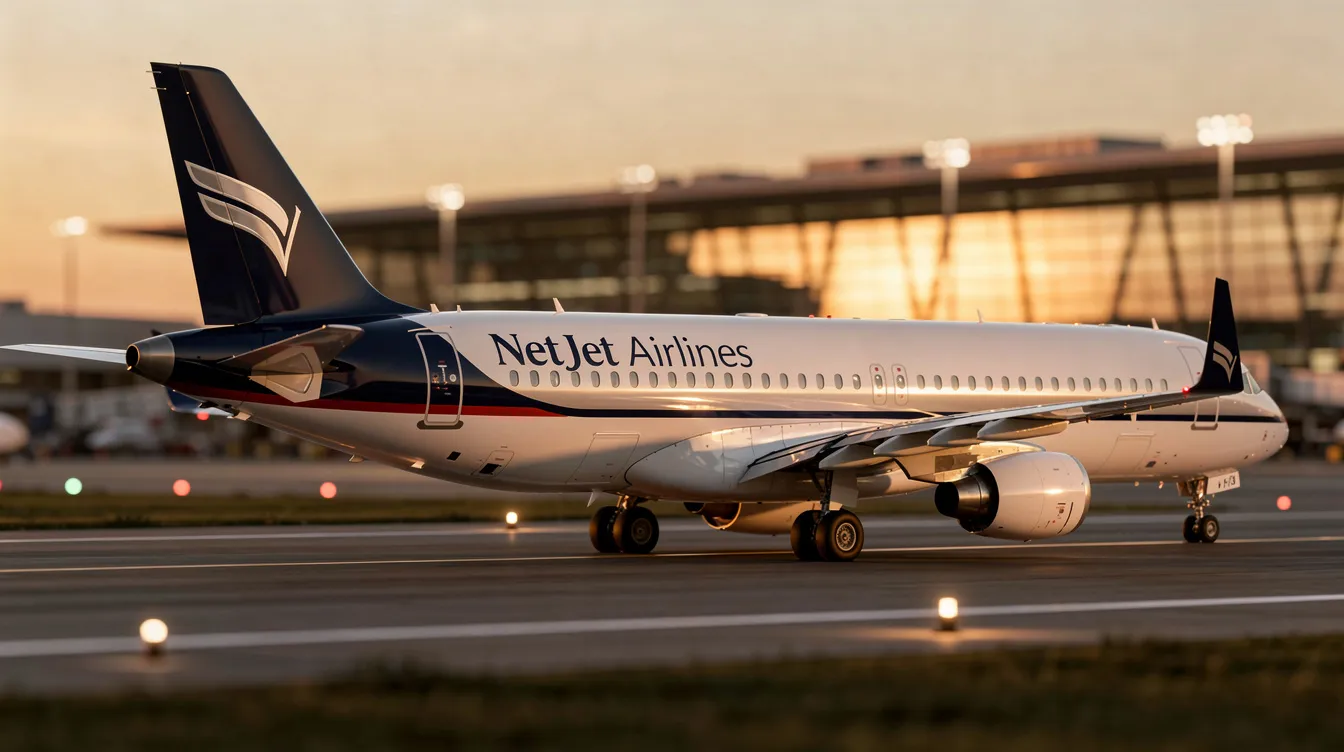
NetJets is a leading private aviation operator, not a commercial airline, offering fractional ownership, leasing, and jet card programs with a fleet of over 800 private jets. It caters primarily to frequent flyers and corporate executives, providing guaranteed access and reliability, while platforms like Jettly focus on on-demand charter services with flexible booking and no long-term commitments. NetJets' structured programs are ideal for those flying 100+ hours annually, whereas Jettly appeals to occasional travelers seeking instant quotes and broader aircraft options. Ultimately, the choice between NetJets and Jettly depends on individual travel patterns, budget, and desired flexibility.
Jay Franco Serevilla
Jul 3, 2026
|
5
min read
Explore our latest articles and updates.

5
min read
Two-Seat Ultralight for Sale in 2026: Buyer's Guide, Prices, and Alternatives
Navigating the market for two-seat ultralights in 2026 can be complex, as many advertised models are actually light sport or experimental aircraft. Prices range from $12,000 for used models to over $150,000 for new ones, making it essential for buyers to understand the classifications and specifications. This guide offers insights into pricing, regulatory requirements, and key considerations for prospective buyers.
Read More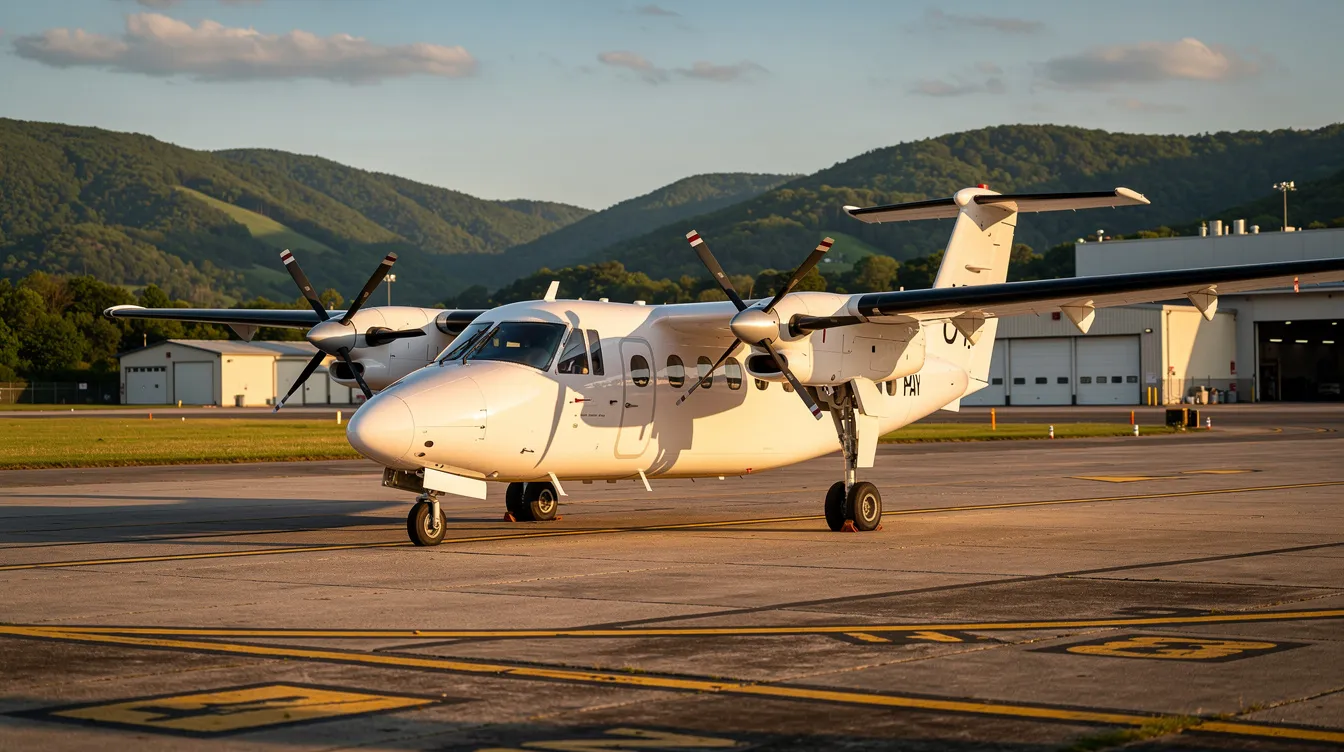
5
min read
ATR 42-500: Regional Turboprop Guide for Private Charter and Group Travel
The ATR 42-500 is a high-performance regional turboprop airliner designed for short-haul routes, accommodating 42 to 48 passengers. It offers a practical solution for private charters, balancing efficiency and operating costs while accessing airports that many jets cannot reach. This guide explores its specifications, cabin experience, and how to book through Jettly.
Read MoreJoin our community and receive the latest blog updates directly in your inbox.
MEMBERSHIPS AND ASSOCIATIONS



Disclaimer: Jettly operates as a charter broker, offering access to a global digital jet charter marketplace. Jettly is not a direct air carrier and does not own or operate aircraft. All advertised flights are conducted by third-party air carriers that are fully licensed and hold the appropriate Part 135 or Part 121 certifications issued by the Federal Aviation Administration (FAA) or equivalent regulatory authorities under U.S. or foreign law. Jettly complies fully with the U.S. Department of Transportation's Part 295 and Part 298 Charter Broker regulations. Jettly does not carry additional liability insurance. Passengers are covered by aircraft operator insurance. TICO: 50023770


