


Login
Get Instant Pricing On 23,000+ Aircraft


In 2026, the cost of jet aircraft varies significantly, with new private jets priced from $2 million for very light jets to over $400 million for customized VIP airliners, while charter rates range from $1,500 to $28,000 per hour based on aircraft type. For most business travelers, chartering is more economical than ownership, especially for those flying fewer than 200-300 hours annually, as ownership entails substantial fixed and variable costs. Jettly, a digital private jet charter platform, offers a transparent marketplace for on-demand bookings, allowing users to compare costs and access over 20,000 aircraft globally. Key strategies for reducing costs include choosing the right aircraft size, being flexible with travel times, and utilizing empty leg flights.
Jay Franco Serevilla
Apr 18, 2026
|
5
min read



View all
Clayton J. Lloyd International Airport (AXA) is Anguilla's primary air gateway, facilitating both regional and direct flights, including new services from North American cities. The airport has undergone recent upgrades, enhancing its terminal and operational capacity to accommodate growing traffic. Travelers can choose between direct flights or connections through nearby hubs like St Maarten (SXM) and San Juan (SJU), with private charters offering flexible, time-saving options. Understanding the airport code AXA is crucial for seamless travel planning to this Caribbean destination.
Jay Franco Serevilla
Jul 6, 2026
|
5
min read

View all
Edwards Air Force Base, located in California's Mojave Desert, lacks a commercial terminal, necessitating visitors to use nearby civilian airports for access. Key options include Hollywood Burbank Airport, Los Angeles International Airport, and regional airports like Mojave Air and Space Port, which are significantly closer and more efficient for private charters. Utilizing private jet services, such as Jettly, can drastically reduce travel time, allowing direct flights into these regional airports and minimizing ground transfer times. This approach is particularly beneficial for defense contractors and business travelers, ensuring timely arrivals for critical meetings and operations at the base.
Jay Franco Serevilla
Jul 6, 2026
|
5
min read

View all
Jacksonville Executive at Craig Airport (CRG) and Jacksonville International Airport (JAX) are the primary private airports in Jacksonville, FL, catering to different aviation needs. CRG is ideal for domestic flights and business aviation, while JAX accommodates larger jets and international routes. Jettly, a digital private jet charter platform, connects users to over 20,000 aircraft, offering flexible travel options and cost comparisons. The guide emphasizes the benefits of private aviation, including time savings, privacy, and convenience, making it suitable for business travelers and families alike.
Jay Franco Serevilla
Jul 6, 2026
|
5
min read

View all
Louisiana Regional Airport (KREG) in Gonzales, LA, serves as a convenient general aviation hub for private, corporate, and charter flights along the Baton Rouge–New Orleans corridor, offering a less congested alternative to major airports. With a 5,003 ft runway suitable for turboprops and light to midsize jets, KREG allows for quicker turnarounds and flexible access, making it ideal for business and leisure travelers. Jettly's platform facilitates easy booking of on-demand private jet charters, providing transparent pricing and a wide selection of aircraft. Overall, KREG enhances the travel experience by minimizing wait times and congestion, making it a practical choice for regional travel.
Jay Franco Serevilla
Jul 6, 2026
|
5
min read

View all
Travelers heading to Ocean Isle Beach, NC, can choose from several nearby airports based on their flight preferences. The closest major commercial airport is Myrtle Beach International Airport (MYR), approximately 32 miles away, while Wilmington International Airport (ILM) is about 40 miles north. For private flights, Odell Williamson Municipal Airport (60J) is just 1.3 miles from the beach, offering quick access for private aircraft. Understanding the options and logistics of each airport can streamline travel planning and enhance the overall experience.
Jay Franco Serevilla
Jul 6, 2026
|
5
min read

View all
Finding the best time to book flights involves understanding optimal booking windows rather than relying on a specific day. For domestic flights, booking 1 to 3 months in advance is ideal, while international flights should be booked 2 to 8 months ahead. Midweek departures tend to be cheaper, and major holidays require earlier bookings. Private jet charters operate under different pricing logic, allowing for last-minute bookings and opportunities for savings through empty leg flights.
Jay Franco Serevilla
Jul 6, 2026
|
5
min read
Explore our latest articles and updates.
5
min read
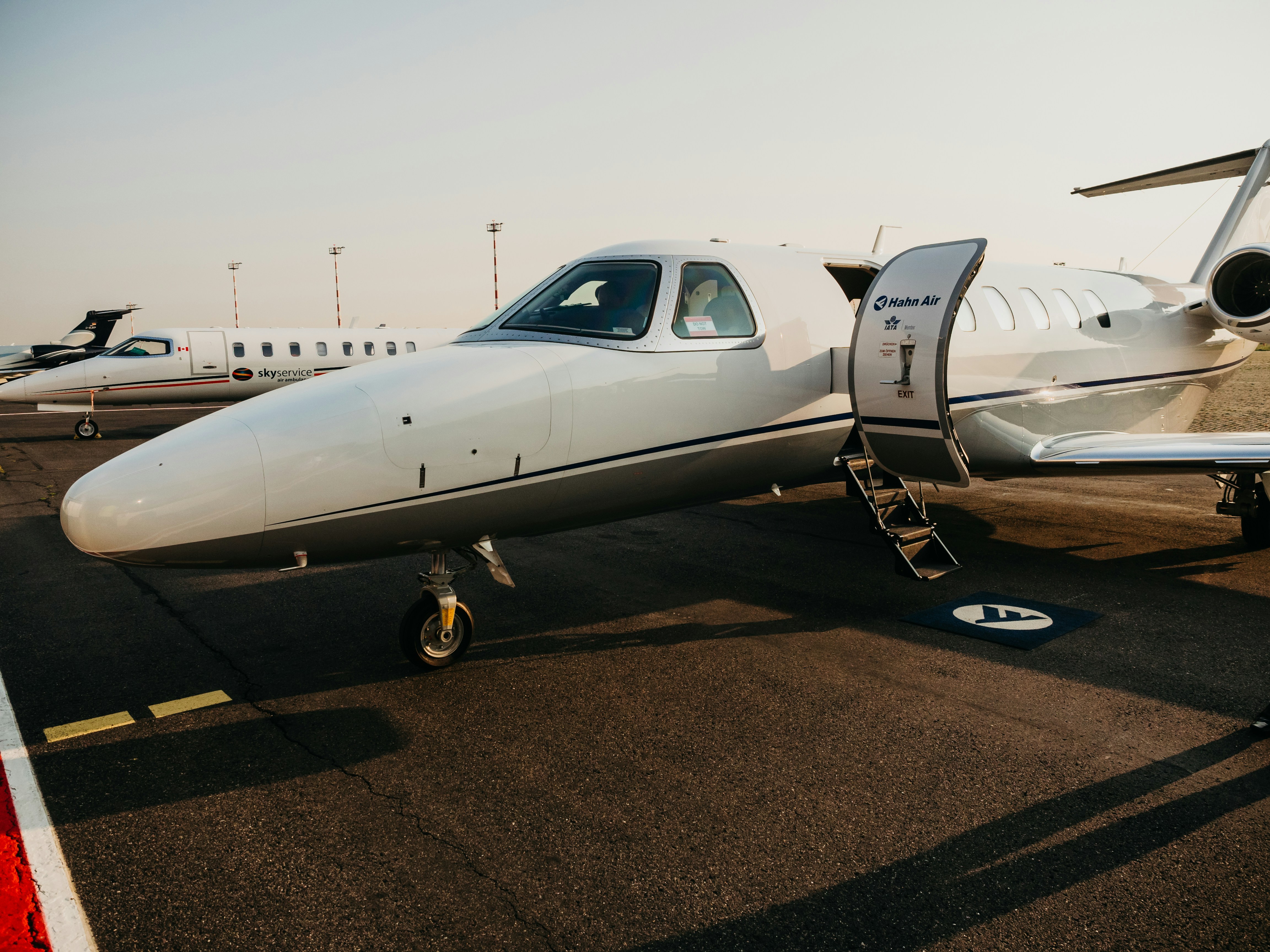
Private Jet Cost Comparison: Light Jets vs. Heavy Jets
This article compares the costs of light jets and heavy jets for private travel, highlighting key factors such as hourly rates, passenger capacity, and trip efficiency. Light jets are more cost-effective for shorter domestic flights with smaller groups, while heavy jets excel in long-range travel and larger passenger capacities. Understanding these differences can help travelers make informed decisions based on their specific needs and budgets.
Read More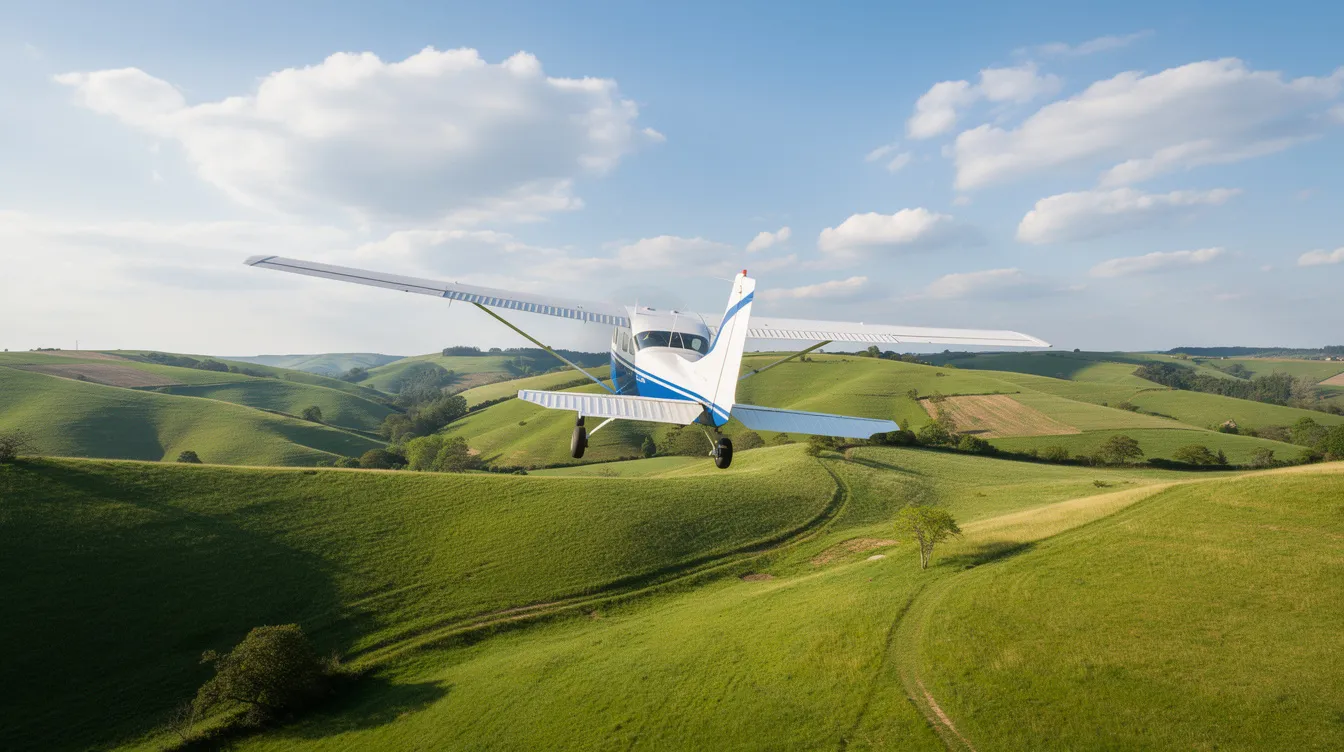
5
min read
How Fast Does a Single-Engine Plane Fly? (Real Speeds, Examples, and When Faster Makes Sense)
Single-engine planes typically cruise between 110 and 180 knots, with high-performance models exceeding 200 knots. Factors like aircraft type, altitude, and weight significantly influence actual speeds. Understanding cruise speed is crucial for effective trip planning and can often rival commercial airliners in total travel time.
Read MoreJoin our community and receive the latest blog updates directly in your inbox.
MEMBERSHIPS AND ASSOCIATIONS



Disclaimer: Jettly operates as a charter broker, offering access to a global digital jet charter marketplace. Jettly is not a direct air carrier and does not own or operate aircraft. All advertised flights are conducted by third-party air carriers that are fully licensed and hold the appropriate Part 135 or Part 121 certifications issued by the Federal Aviation Administration (FAA) or equivalent regulatory authorities under U.S. or foreign law. Jettly complies fully with the U.S. Department of Transportation's Part 295 and Part 298 Charter Broker regulations. Jettly does not carry additional liability insurance. Passengers are covered by aircraft operator insurance. TICO: 50023770


