


Login
Get Instant Pricing On 23,000+ Aircraft

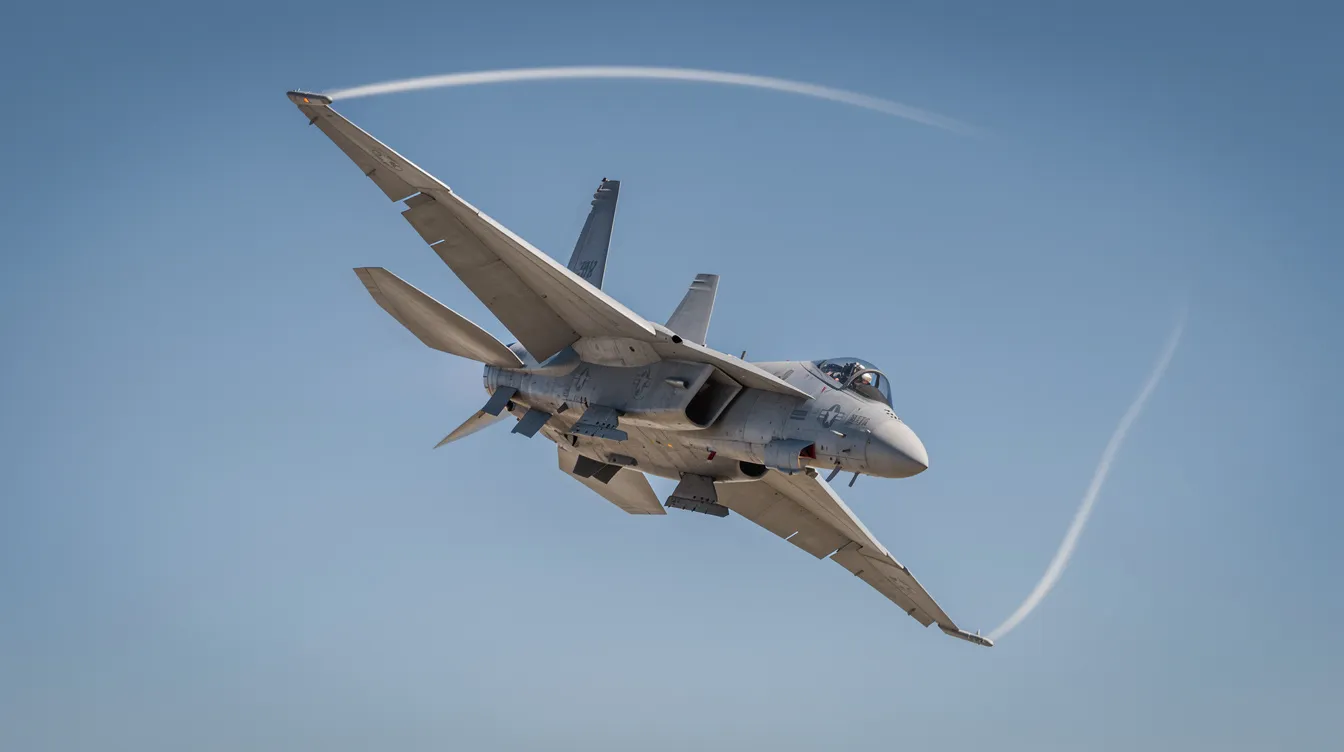
A light fighter is a small, agile combat aircraft designed for air-to-air combat and light attack missions, offering advantages in maneuverability and cost-effectiveness compared to larger multirole fighters. The concept has evolved since the 1960s, significantly influencing air combat doctrine and leading to the development of notable aircraft like the F-16 and F/A-18. Modern light fighters integrate advanced technologies such as digital engineering and open-architecture avionics, making them adaptable for various missions while maintaining lower operational costs. This design philosophy parallels trends in civilian aviation, where similar trade-offs in performance and cost are considered when selecting aircraft for private travel.
Jay Franco Serevilla
Jul 7, 2026
|
5
min read


View all
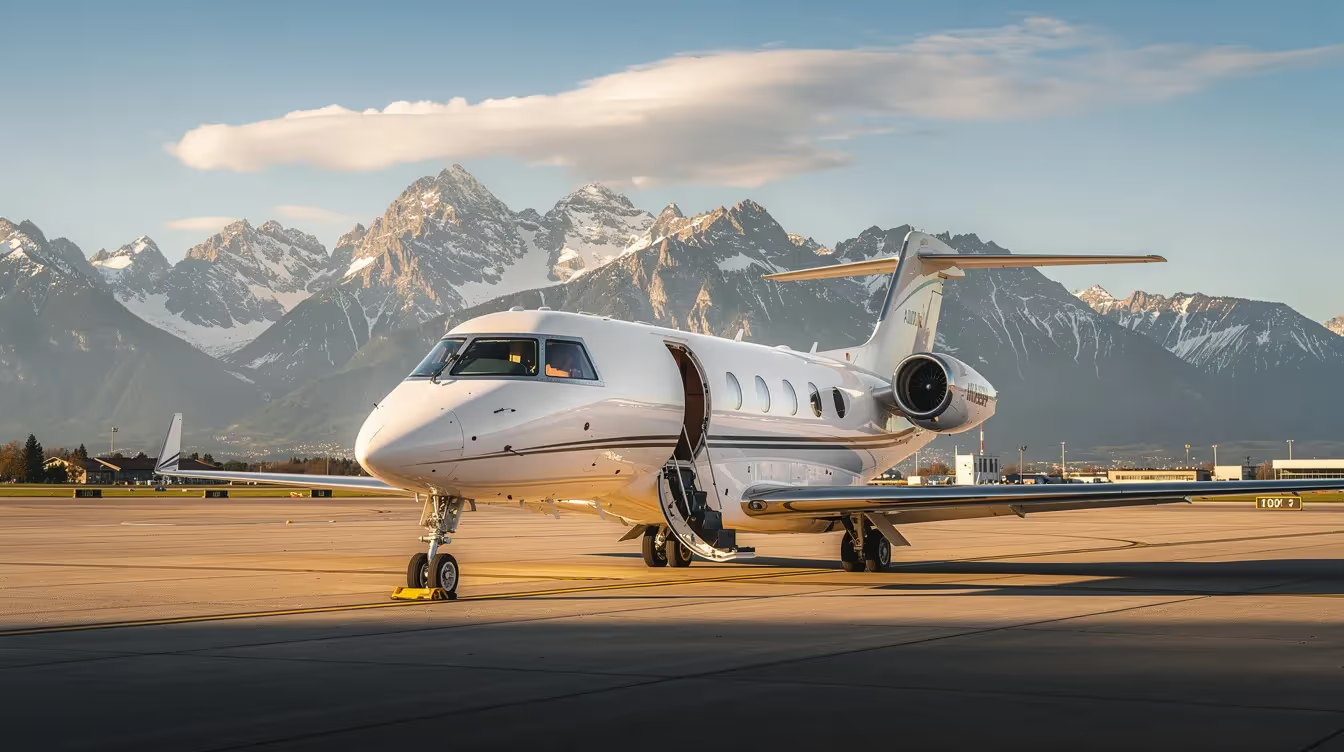
Demand for luxury private jets has increased significantly since 2020, driven by health-conscious travelers seeking privacy and executives prioritizing time efficiency. Prices for jets range from $2.4 million for smaller models to over $400 million for fully customized aircraft, with ownership typically making sense for those flying 200-400+ hours annually. Many buyers are now considering charter options through platforms like Jettly, which offer access to a wide range of jets without the capital investment of ownership. Key considerations for potential buyers include aircraft type, operating costs, and the benefits of chartering versus owning.
Jay Franco Serevilla
Apr 11, 2026
|
5
min read

View all
In 2026, potential buyers of private jets must weigh the costs of ownership against chartering options, with ownership typically making financial sense only for those flying over 200-250 hours annually. The purchase price for jets ranges from approximately $2M for older light jets to over $75M for new large-cabin models, with annual operating costs potentially exceeding $1M. For many travelers, especially those flying less frequently, using a charter service like Jettly is often more economical and flexible, allowing access to a wide range of aircraft without the long-term financial commitments of ownership. This guide aims to help executives and frequent travelers make informed decisions by understanding the true costs and benefits associated with both purchasing and chartering private jets.
Jay Franco Serevilla
Apr 11, 2026
|
5
min read

View all
The 2026 private jet market offers a range of options for buyers, from light jets priced between $3M–$12M to large-cabin jets exceeding $40M. While full ownership may be beneficial for those flying over 200-250 hours annually, many individuals and businesses find on-demand charter services, like Jettly, to be more cost-effective for lower flight hours. Buyers should consider both acquisition and ongoing operational costs, which can range from $500,000 to over $1 million annually, and work with accredited brokers to navigate the complexities of the purchase process. Ultimately, evaluating personal travel needs and comparing ownership versus charter options will guide prospective buyers in making informed decisions.
Jay Franco Serevilla
Apr 11, 2026
|
5
min read

View all
Private travel, particularly through platforms like Jettly, provides a flexible and convenient alternative to commercial flying, allowing travelers to bypass crowded terminals and rigid schedules. With access to over 20,000 aircraft globally, Jettly offers on-demand private jet charters that prioritize time savings, privacy, and personalized comfort, making it a strategic choice for both business and leisure travelers. The booking process is streamlined, enabling quick comparisons of aircraft options and instant pricing without long-term commitments. Overall, private travel enhances the travel experience by offering tailored itineraries and exclusive services that cater to individual preferences.
Jay Franco Serevilla
Apr 11, 2026
|
5
min read
View all
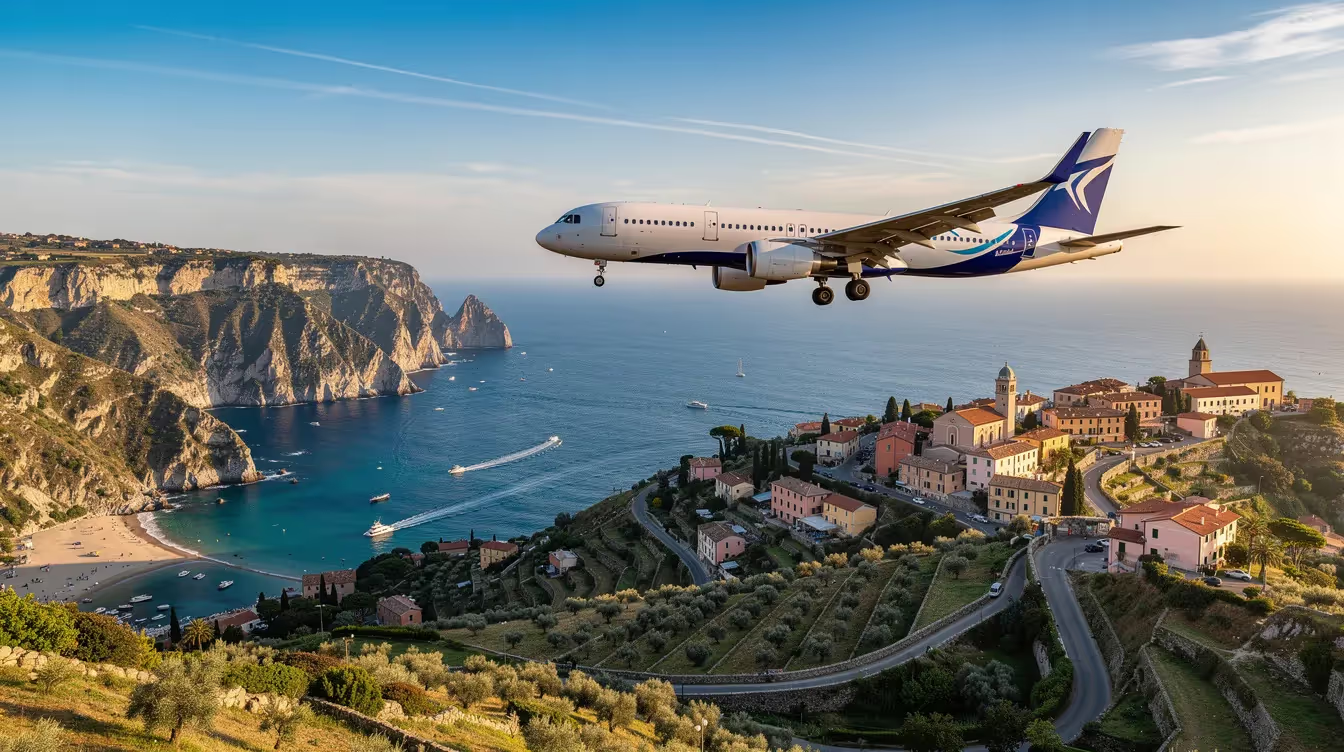
To find the cheapest flights to Italy in 2026, travelers should consider off-peak travel periods (January-March, November), flexible dates, and strategic routing through European hubs like Dublin or Lisbon. Utilizing tools like Google Flights and Skyscanner can help identify round-trip fares under $400 from major U.S. cities, while budget airlines offer affordable intra-European flights. For families or groups, private jet charters through platforms like Jettly can become cost-effective, especially when leveraging empty-leg flights, potentially rivaling business-class fares. Overall, balancing ticket prices with total trip costs, including convenience and flexibility, is key to optimizing travel expenses.
Jay Franco Serevilla
Apr 11, 2026
|
5
min read

View all
Intercontinental private jets, such as those offered by Jettly, facilitate nonstop travel on long-haul routes, significantly enhancing convenience for executives and families. Jettly's platform connects users to a global network of over 20,000 aircraft, allowing for easy comparison and booking without long-term commitments. These ultra-long-range jets typically cover distances of 5,500 to 8,000 nautical miles, with costs ranging from $5,000 to $50,000 per flight hour, making them a flexible alternative to ownership. With modern amenities designed for comfort and productivity, intercontinental private jets provide a superior travel experience compared to commercial options, saving time and ensuring privacy.
Jay Franco Serevilla
Apr 11, 2026
|
5
min read
Explore our latest articles and updates.

5
min read
Private Jet Terminal: How FBOs Transform the Private Aviation Experience
Private jet terminals, or Fixed Base Operators (FBOs), enhance the private aviation experience by providing exclusive, efficient services that allow travelers to bypass the long waits and crowded spaces of commercial airports. Operated by companies like Jet Aviation and Signature Aviation, these terminals enable passengers to arrive just 15 to 30 minutes before departure, offering seamless transitions from vehicle to aircraft. Jettly utilizes a global network of over 5,000 FBOs to streamline the entire journey, including check-in, security, and customs clearance, while ensuring personalized service tailored to individual needs. Key factors for selecting an FBO include location, runway length, operating hours, and available ground services, all of which contribute to a more efficient and luxurious travel experience.
Read More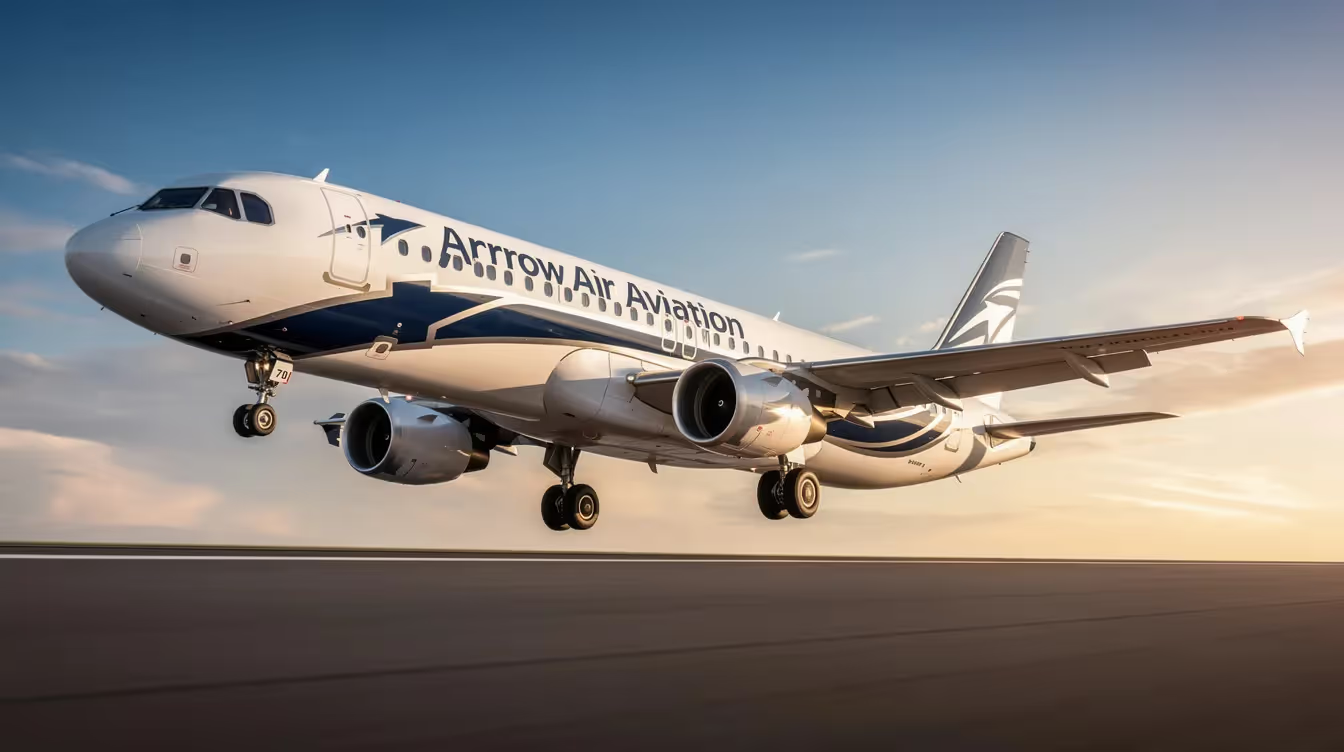
5
min read
Arrow Air: History, Flight 1285, and Its Legacy in Aviation Safety
Arrow Air Flight 1285 crashed on December 12, 1985, shortly after takeoff from Gander, Newfoundland, resulting in the deaths of all 256 people on board, making it Canada's deadliest aviation disaster. The investigation revealed that ice contamination on the wings and an underestimation of the aircraft's weight contributed to the crash, leading to significant changes in aviation safety protocols in Canada. The controversy surrounding the investigation, including a dissenting minority report that proposed alternative theories, ultimately led to the dissolution of the Canadian Aviation Safety Board and the establishment of the Transportation Safety Board of Canada. Today, lessons from this tragedy continue to shape modern aviation practices, emphasizing rigorous safety standards, data-driven flight planning, and transparency in operations, as exemplified by platforms like Jettly.
Read MoreJoin our community and receive the latest blog updates directly in your inbox.
MEMBERSHIPS AND ASSOCIATIONS



Disclaimer: Jettly operates as a charter broker, offering access to a global digital jet charter marketplace. Jettly is not a direct air carrier and does not own or operate aircraft. All advertised flights are conducted by third-party air carriers that are fully licensed and hold the appropriate Part 135 or Part 121 certifications issued by the Federal Aviation Administration (FAA) or equivalent regulatory authorities under U.S. or foreign law. Jettly complies fully with the U.S. Department of Transportation's Part 295 and Part 298 Charter Broker regulations. Jettly does not carry additional liability insurance. Passengers are covered by aircraft operator insurance. TICO: 50023770


