


Login
Get Instant Pricing On 23,000+ Aircraft

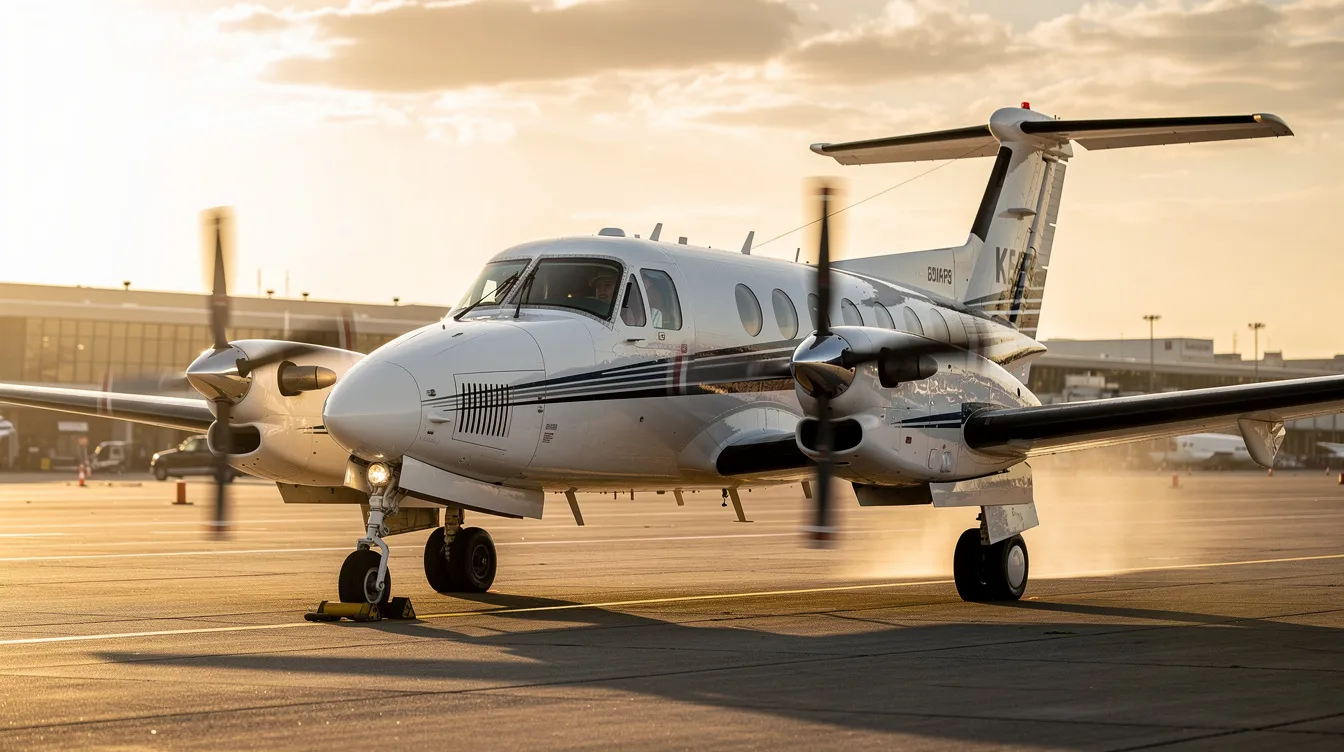
Understanding the fuel burn of the King Air 200 is vital for charter planning and ownership evaluation. With typical consumption ranging from 100 to 115 gallons per hour, this turboprop offers an efficient alternative for regional flights under 1,000 nautical miles. Jettly provides instant pricing that reflects real-world fuel costs, making it easier for travelers to compare charter options.
Jay Franco Serevilla
Sep 6, 2026
|
5
min read



View all
Delta Airlines operates a vast network, serving over 300 destinations across six continents, making it a strong choice for travelers seeking scheduled flights. However, for time-sensitive business travelers and families desiring more control over their travel plans, private jet charter services like Jettly offer direct routes, flexible departure times, and access to smaller airports. Jettly's on-demand model allows for quicker travel with minimal pre-departure time, contrasting with Delta's hub-and-spoke system that often involves layovers. Ultimately, the choice between Delta and Jettly depends on individual travel needs, including schedule flexibility, destination accessibility, and the importance of privacy and convenience.
Jay Franco Serevilla
Jul 1, 2026
|
5
min read

View all
Paradigm jet management represents a shift in private aviation, where traditional firms manage aircraft operations while digital platforms like Jettly offer on-demand charter access without ownership. Jettly connects travelers to a global network of over 20,000 aircraft, providing instant pricing and booking flexibility, making it ideal for those who fly less frequently. This model contrasts with traditional ownership, which involves significant upfront costs and ongoing management fees, making on-demand charter more cost-effective for many users. As the private jet charter market continues to grow, Jettly's approach enhances accessibility and efficiency in private aviation.
Jay Franco Serevilla
Jul 1, 2026
|
5
min read
View all
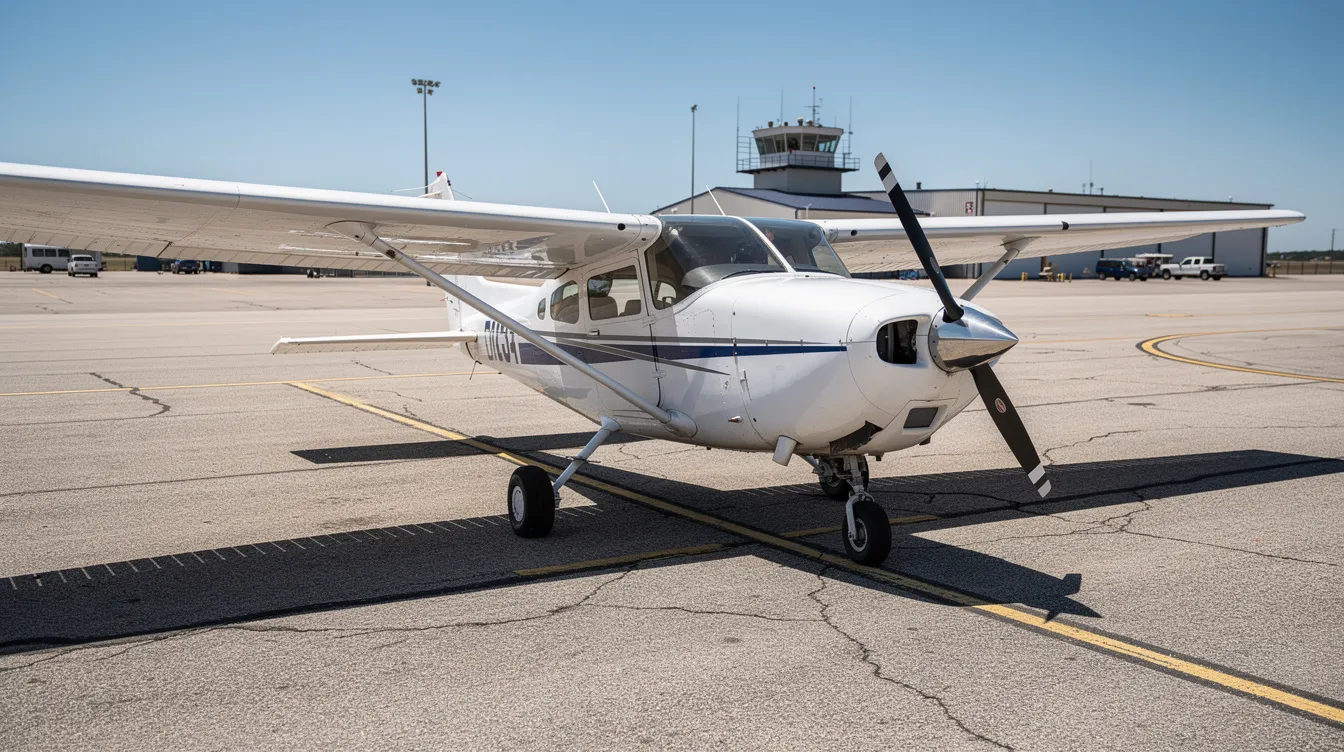
Owning an aircraft in 2026 involves significant costs beyond the initial purchase price, including ongoing expenses such as hangar fees, insurance, fuel, and maintenance, which can total 15-25% of the aircraft's value annually. Fixed costs are incurred regardless of usage, while variable costs depend on flight hours, making ownership financially viable primarily for those flying over 200-250 hours per year for turboprops and jets, and 100-150 hours for piston aircraft. For those flying less frequently, chartering through platforms like Jettly often proves more economical, eliminating fixed ownership costs and offering access to a wide range of aircraft. A thorough understanding of all cost layers—acquisition, fixed, variable, and long-term expenses—is essential for prospective buyers to make informed decisions about aircraft ownership versus charter options.
Jay Franco Serevilla
Jul 1, 2026
|
5
min read
View all
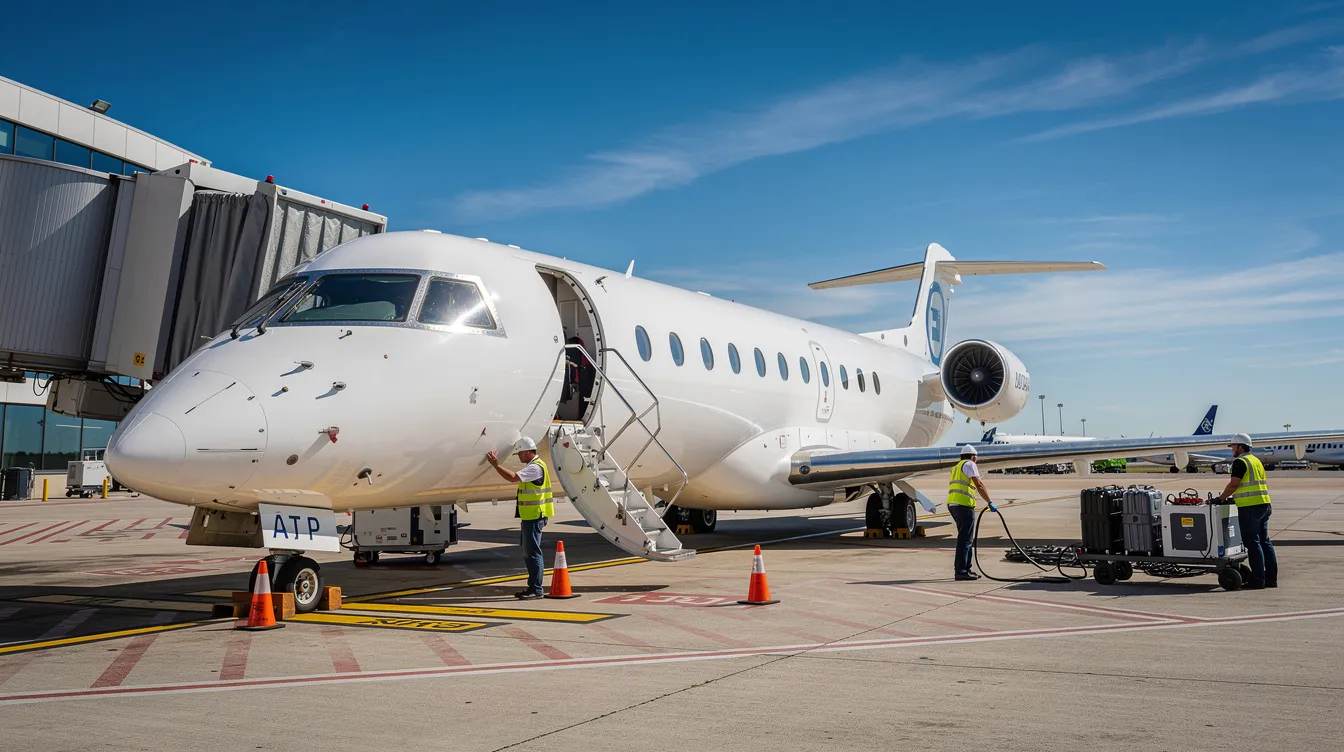
The Bombardier CRJ 200 features a compact cabin with 50 economy seats arranged in a 2-2 layout, primarily used for short regional flights. The best seats for legroom are typically in row 8 (the emergency exit row), while row 1 offers limited space due to a bulkhead. Most CRJ 200s lack modern amenities such as Wi-Fi and in-seat power, making it essential for travelers to plan accordingly. For those seeking more comfort and space, private jet charter options through platforms like Jettly provide a more spacious alternative with enhanced amenities.
Jay Franco Serevilla
Jul 1, 2026
|
5
min read
View all
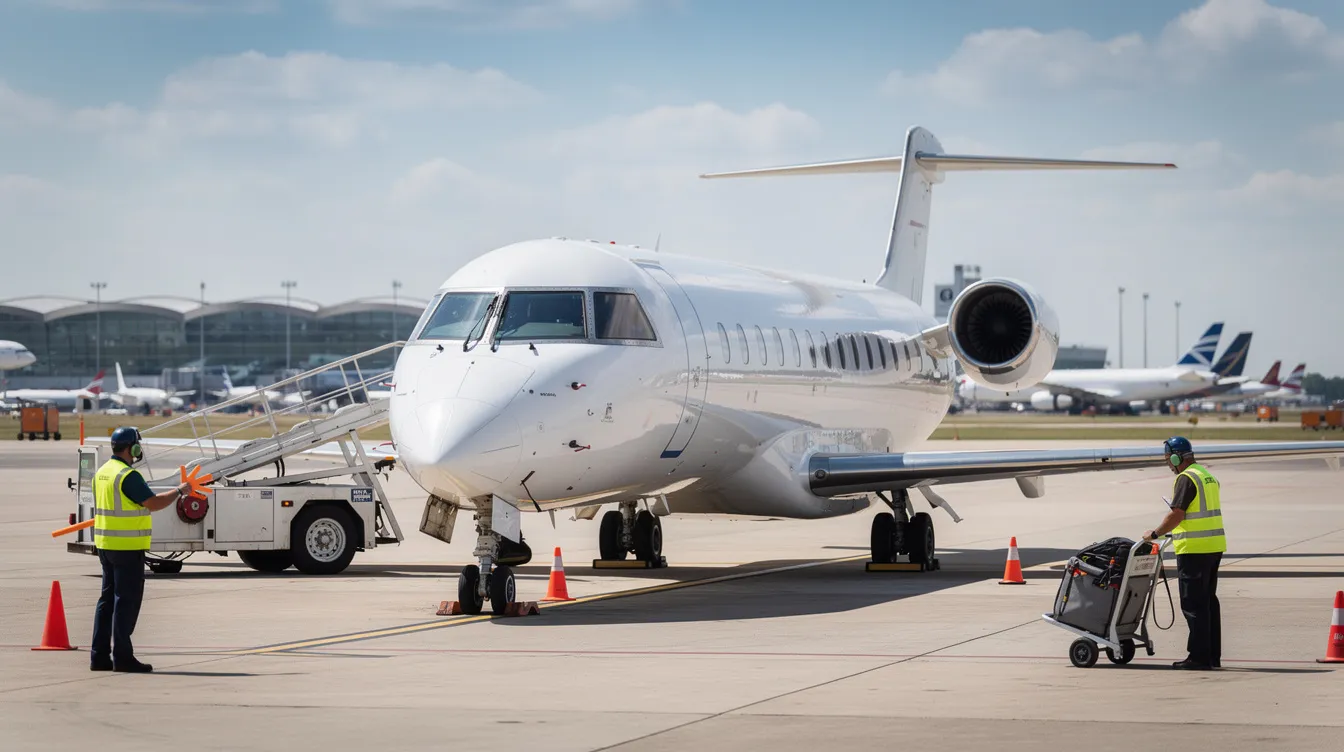
The Bombardier CRJ 200's price varies significantly based on configuration, with used regional airliners typically costing between $1.5 million and $4 million, while VIP conversions can range from $8 million to $18 million. Charter rates also fluctuate, starting at approximately $8,000 to $12,000 per hour for standard configurations and reaching $15,000 to $20,000 or more for VIP layouts. This aircraft is particularly cost-effective for groups of 14 to 30 passengers, offering lower per-seat costs compared to smaller private jets. Platforms like Jettly facilitate instant pricing comparisons for CRJ 200 charters, making it easier for clients to evaluate options based on their travel needs.
Jay Franco Serevilla
Jul 1, 2026
|
5
min read

View all
CRJ can refer to either the Canadair Regional Jet in aviation or the Cash Receipt Journal in accounting. The Canadair Regional Jet, manufactured by Bombardier, is a family of regional airliners used primarily for connecting smaller cities to major hubs, with models like the CRJ100, CRJ200, CRJ700, and CRJ900 accommodating 50 to over 100 passengers. In accounting, the Cash Receipt Journal is a tool for tracking incoming cash transactions, commonly taught in bookkeeping courses. This guide emphasizes the aviation definition due to its relevance in private jet charter and group travel, highlighting the CRJ's role in corporate shuttles and group charters.
Jay Franco Serevilla
Jul 1, 2026
|
5
min read
Explore our latest articles and updates.

5
min read
What Is a Cessna? A Complete Guide for Private and Training Flights
Cessna is a renowned brand in general aviation, known for its reliable and versatile aircraft used in training, private flying, and charter services. This guide explores Cessna's history, popular models, and their roles in aviation, helping you choose the right aircraft for your needs. Whether you're a student pilot or a charter traveler, understanding Cessna can enhance your flying experience.
Read More
5
min read
What Days Are Best to Book Flights (and Fly) in 2026?
In 2026, Sundays are the best days to book flights, while Tuesdays, Wednesdays, and Saturdays are ideal for flying to save on domestic fares. Booking 1 to 3 months in advance for domestic flights and 3 to 6 months for international trips can lead to significant savings. Understanding these patterns can help travelers maximize their budget and enjoy more flexible travel options.
Read MoreJoin our community and receive the latest blog updates directly in your inbox.
MEMBERSHIPS AND ASSOCIATIONS



Disclaimer: Jettly operates as a charter broker, offering access to a global digital jet charter marketplace. Jettly is not a direct air carrier and does not own or operate aircraft. All advertised flights are conducted by third-party air carriers that are fully licensed and hold the appropriate Part 135 or Part 121 certifications issued by the Federal Aviation Administration (FAA) or equivalent regulatory authorities under U.S. or foreign law. Jettly complies fully with the U.S. Department of Transportation's Part 295 and Part 298 Charter Broker regulations. Jettly does not carry additional liability insurance. Passengers are covered by aircraft operator insurance. TICO: 50023770


