



Login
Get Instant Pricing On 23,000+ Aircraft

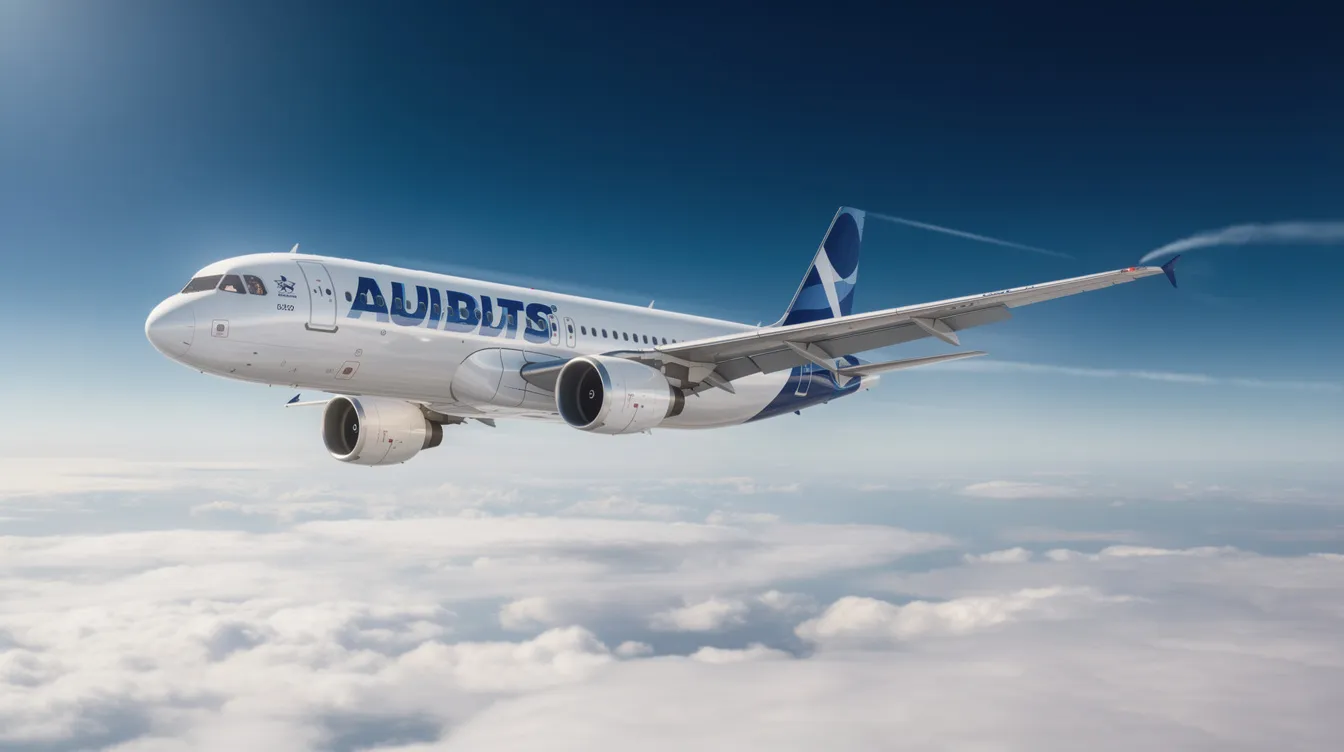
The Airbus A320 typically cruises at Mach 0.78 to 0.80, translating to about 450-470 knots true airspeed. Understanding its cruise speed is essential for flight planning, fuel efficiency, and passenger comfort. Factors like aircraft weight, altitude, and atmospheric conditions influence these speeds, making them crucial for both airlines and travelers.
Jay Franco Serevilla
Jul 19, 2026
|
5
min read


View all
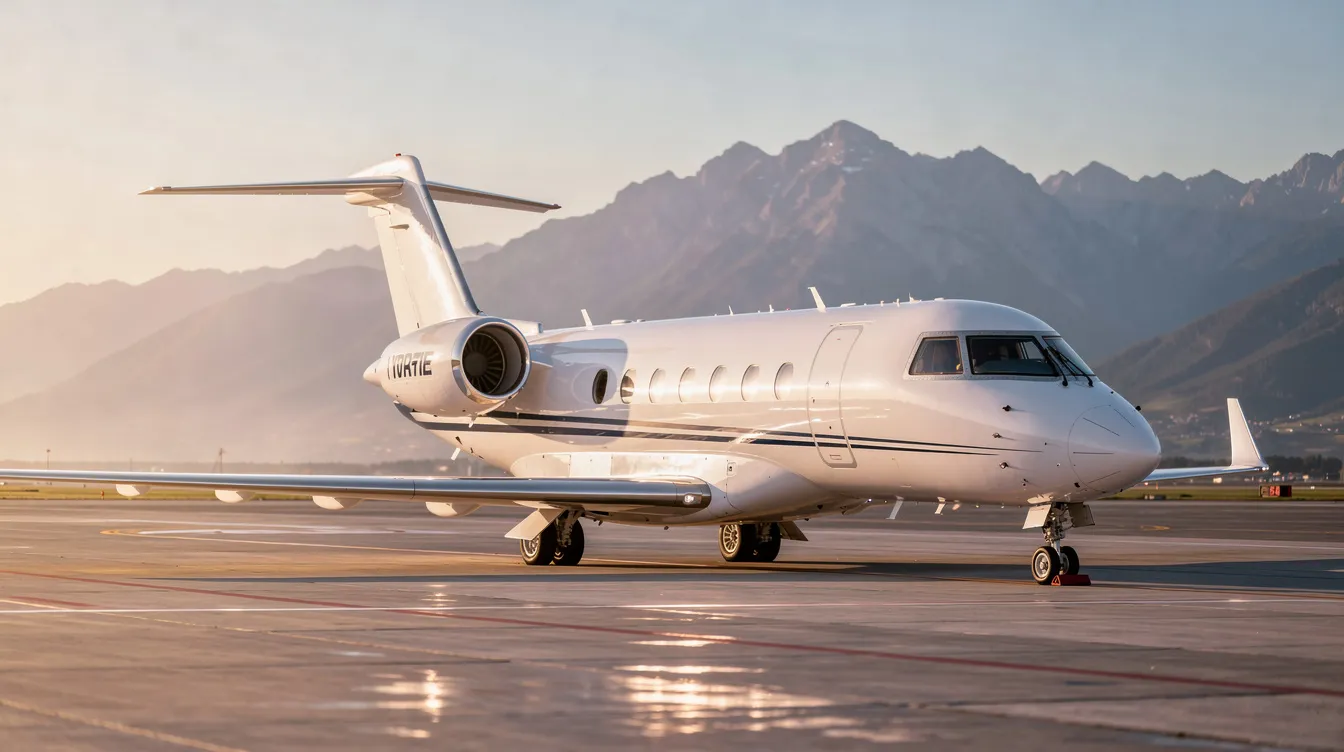
A 10-seater private jet typically costs between $18 million and $35 million for new models, while pre-owned options range from $7 million to over $25 million. Annual operating costs can exceed $1 million, making chartering a viable alternative for those flying less frequently. This guide provides a comprehensive breakdown of costs and considerations for potential buyers and charterers alike.
Jay Franco Serevilla
Nov 11, 2026
|
5
min read
View all
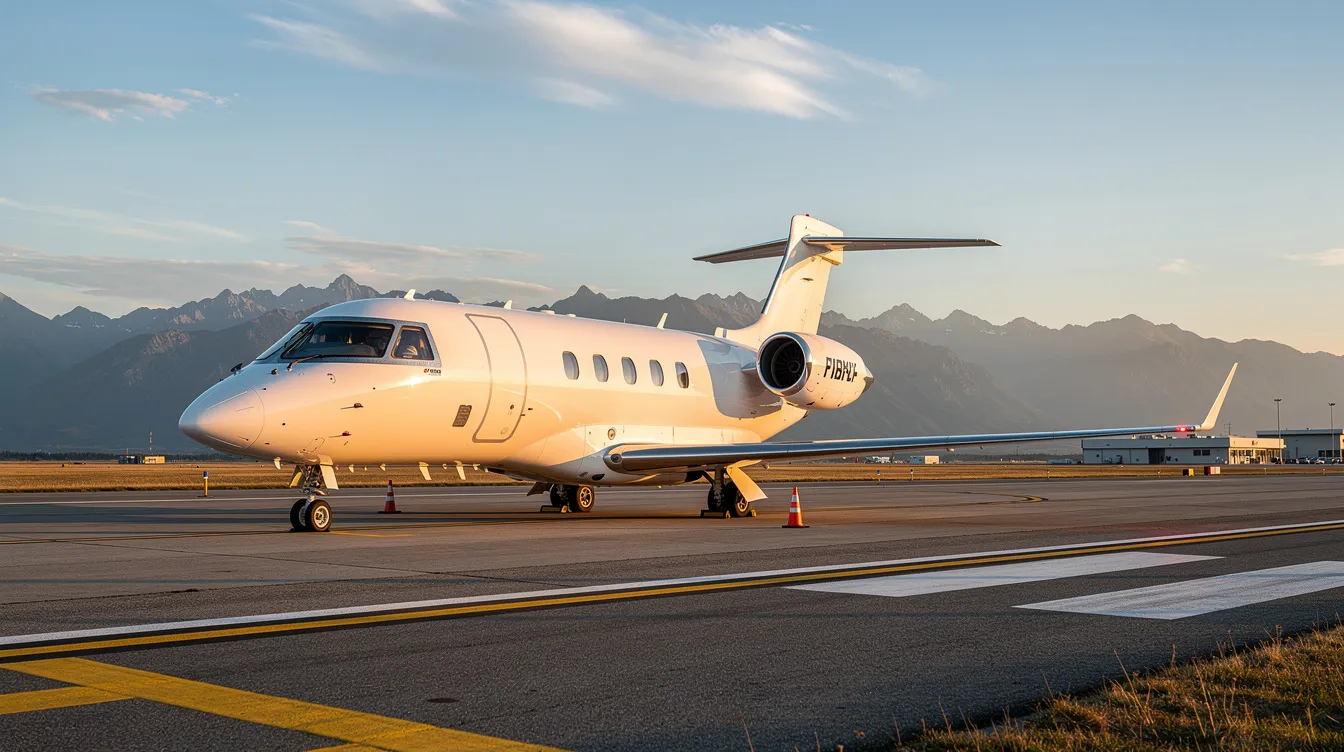
Chartering a jet on a budget is achievable through strategies like booking empty leg flights, utilizing shared charters, and being flexible with dates and airports. By understanding the cost drivers and leveraging digital platforms like Jettly, travelers can significantly reduce their private aviation expenses without compromising safety. This guide outlines practical tips for affordable private jet travel.
Jay Franco Serevilla
Nov 11, 2026
|
5
min read

View all
The FAA's recent decision to end single-pilot exemptions for certain Cessna Citation CE 500 series jets will significantly impact pilots and charter customers. Effective September 29, 2026, these aircraft will require a two-pilot crew, affecting operational costs and availability in the charter market. Understanding these changes is essential for compliance and planning in private jet operations.
Jay Franco Serevilla
Nov 11, 2026
|
5
min read

View all
Traveling from Charlottesville, VA to Virginia Beach offers various options including driving, bus, train, and private jet charter. Each mode has its pros and cons, with driving being the fastest and most flexible, while buses and trains provide budget-friendly alternatives. This guide helps you choose the best travel method based on your schedule, budget, and preferences.
Jay Franco Serevilla
Nov 11, 2026
|
5
min read
View all
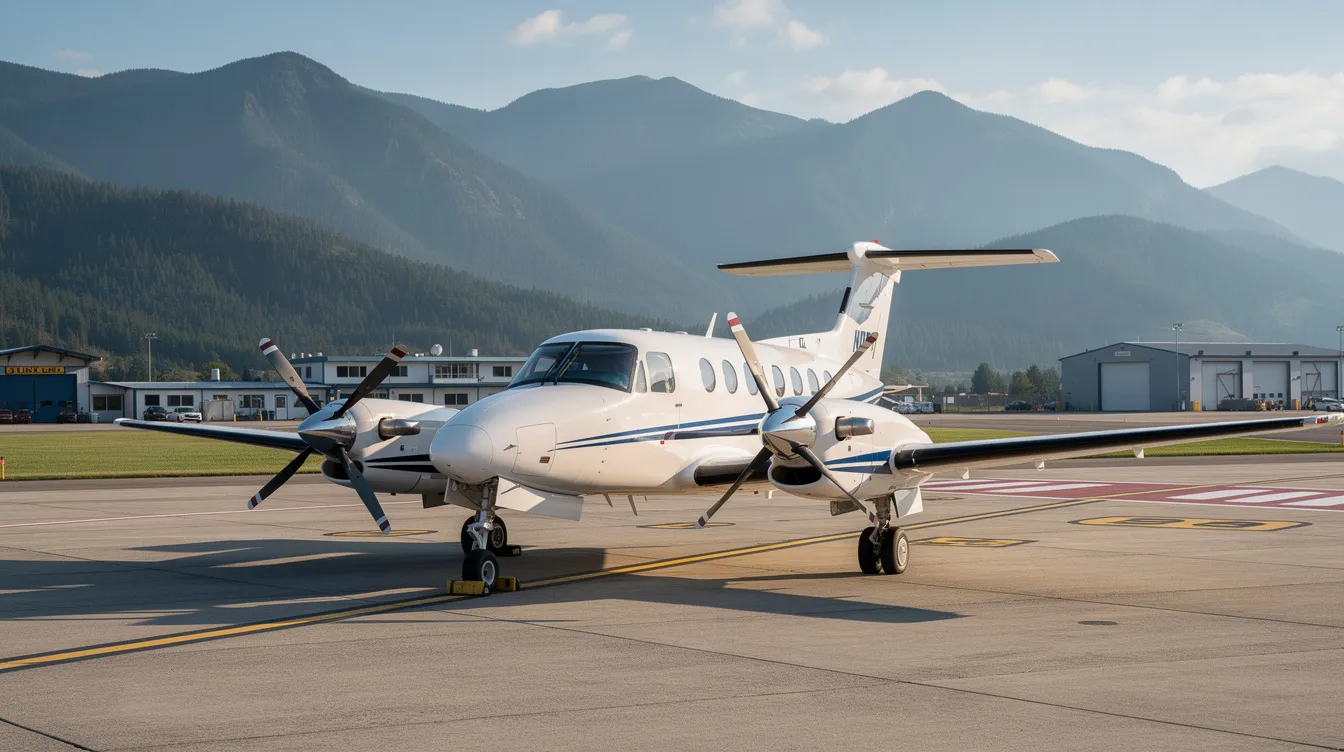
The King Air C90GTi remains a popular choice for buyers seeking a reliable twin-engine turboprop, with prices ranging from $2.2M to $3.55M. This guide provides insights into current market conditions, ownership costs, and the advantages of chartering through Jettly for those flying less frequently. With limited availability, prospective buyers should act quickly and consider all factors before making a purchase.
Jay Franco Serevilla
Nov 10, 2026
|
5
min read
View all
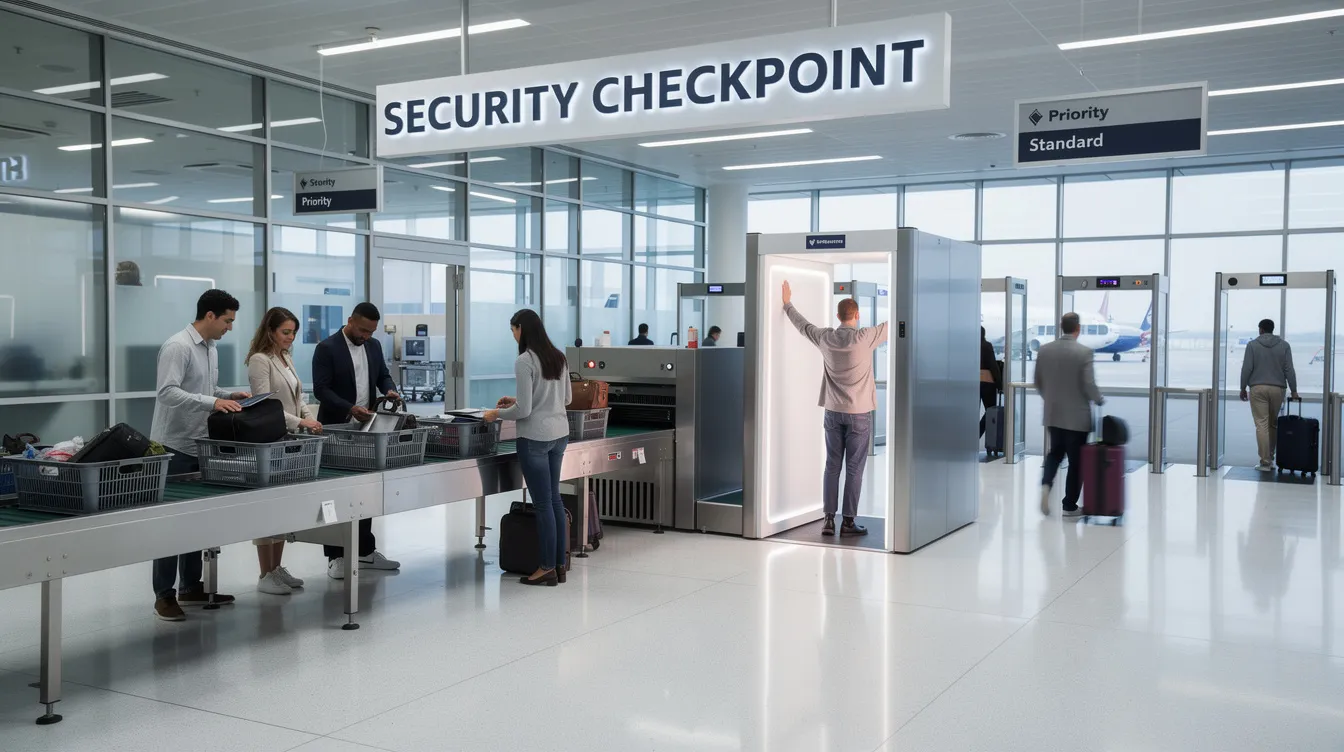
The TSA does not conduct full background checks on standard passengers but relies on watchlist matching and physical screening for security. This guide explains the TSA's processes, including how private jet travel differs in terms of security and background checks. Understanding these distinctions is crucial for both commercial and private flyers.
Jay Franco Serevilla
Nov 9, 2026
|
5
min read
Explore our latest articles and updates.

5
min read
How Far Is Arizona from Las Vegas by Plane? (Private & Commercial Flight Guide)
The flight distance from Arizona to Las Vegas is approximately 255 miles, with an average flight time of about one hour, making it a popular short-haul route for both commercial and private aviation. Key airports include Harry Reid International Airport (LAS) in Las Vegas and Phoenix Sky Harbor International Airport (PHX) in Arizona, with various options for travelers depending on their final destination. Private jet charters can significantly reduce total travel time to 2-3 hours compared to 4-5 hours for commercial flights, offering greater flexibility and convenience. Jettly provides a platform for booking private flights, allowing users to compare options and optimize their travel plans.
Read More
5
min read
Delta: What It Means in Aviation, Finance, and Geography
The term "delta" has significant implications in aviation, finance, geography, and science, encompassing Delta Air Lines, options trading metrics, river deltas, and the Greek letter Δ representing change. Delta Air Lines, a major U.S. carrier founded in 1925, contrasts with private jet charter services like Jettly, which offer flexible, on-demand travel options. In finance, delta measures the sensitivity of an option's price to changes in the underlying asset, while geographic deltas drive aviation demand due to their proximity to major cities and industries. Understanding these distinctions helps travelers and investors make informed decisions regarding air travel and financial strategies.
Read MoreJoin our community and receive the latest blog updates directly in your inbox.
MEMBERSHIPS AND ASSOCIATIONS



© 2026 Jettly Inc. All rights reserved.
Disclaimer: Jettly operates as a charter broker, offering access to a global digital jet charter marketplace. Jettly is not a direct air carrier and does not own or operate aircraft. All advertised flights are conducted by third-party air carriers that are fully licensed and hold the appropriate Part 135 or Part 121 certifications issued by the Federal Aviation Administration (FAA) or equivalent regulatory authorities under U.S. or foreign law. Jettly complies fully with the U.S. Department of Transportation's Part 295 and Part 298 Charter Broker regulations. Jettly does not carry additional liability insurance. Passengers are covered by aircraft operator insurance. TICO: 50023770


