


Login
Get Instant Pricing On 23,000+ Aircraft

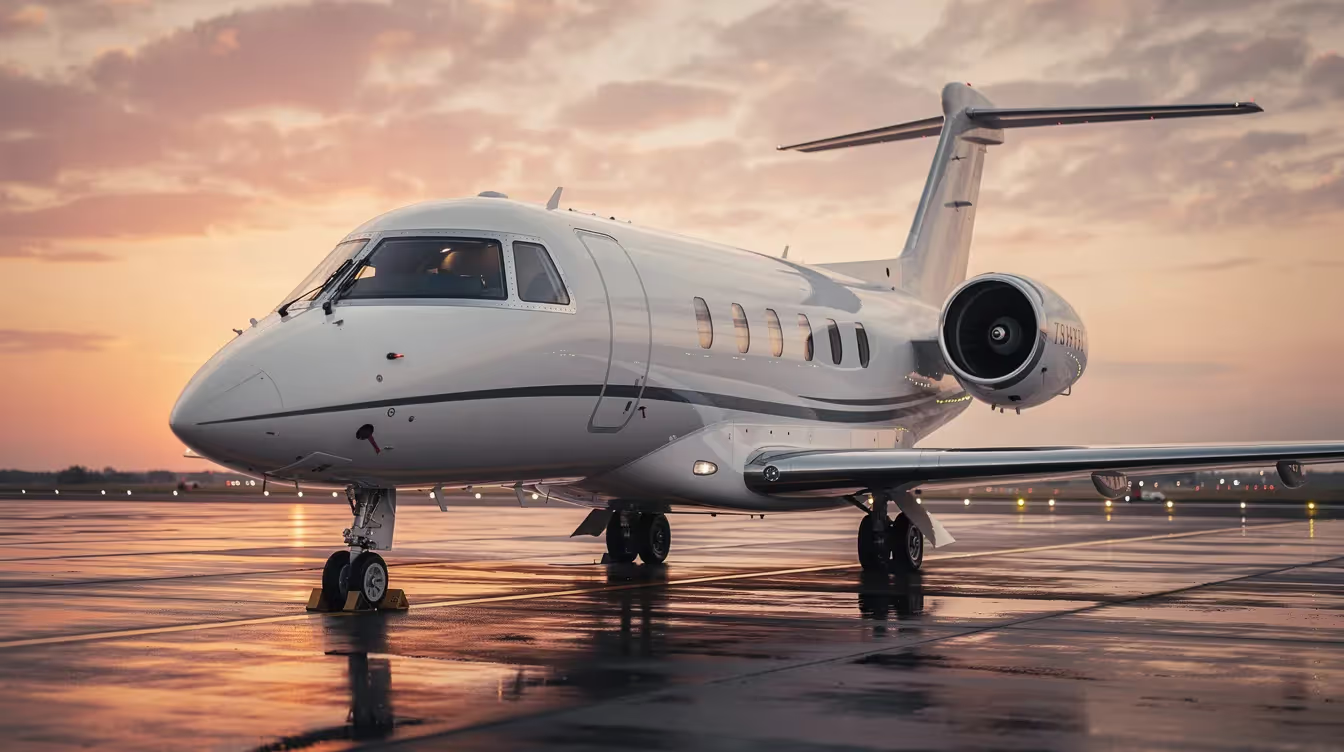
The cost of obtaining a helicopter pilot license in the U.S. ranges from approximately $25,000 to $35,000 for a Private Helicopter Pilot License (PPL-H) and can exceed $100,000 for a full commercial certification, depending on factors like flight hours, helicopter type, and geographic location. Key expenses include flight training, ground school, exams, and aircraft rental fees, with the Robinson R22 being a more affordable training option compared to the R44. While pursuing a helicopter license can lead to rewarding career opportunities, travelers seeking occasional private flights may find chartering options, such as those offered by Jettly, to be more cost-effective than investing in training. Overall, budgeting for training should include not only tuition but also additional costs like gear, insurance, and ongoing proficiency checks.
Jay Franco Serevilla
May 3, 2026
|
5
min read


View all
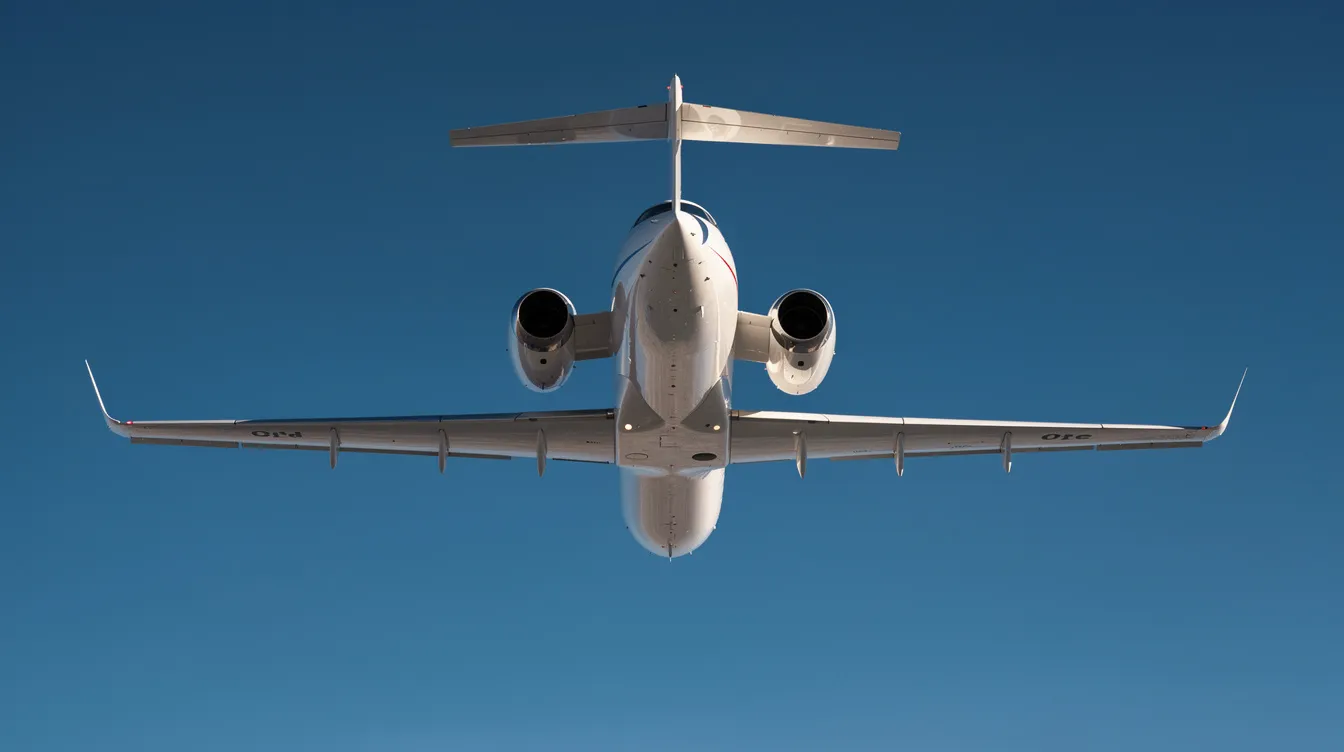
The C-21 plane, a military variant of the Learjet 35A, has been a reliable light transport aircraft for the USAF since 1984, serving various missions including passenger airlift and aeromedical evacuation. With impressive speed and range, it continues to play a vital role in military logistics, while civilians can access similar performance through private jet charters like the Learjet 35A.
Jeff Ryan Serevilla
Sep 20, 2026
|
5
min read

View all
Private jets increasingly offer WiFi, becoming essential for both business and leisure travelers. Connectivity options vary by aircraft type, age, and installed technology, impacting performance and costs. Understanding these factors helps travelers choose the right jet for their connectivity needs.
Jeff Ryan Serevilla
Sep 20, 2026
|
5
min read

View all
In 2026, flying private can be more affordable than expected, with various options available for different budgets. This guide explores pricing by aircraft size, route, and trip type, helping travelers find the best value for private jet travel. Discover how to navigate the charter market and access cost-effective private aviation solutions.
Jeff Ryan Serevilla
Sep 20, 2026
|
5
min read
View all
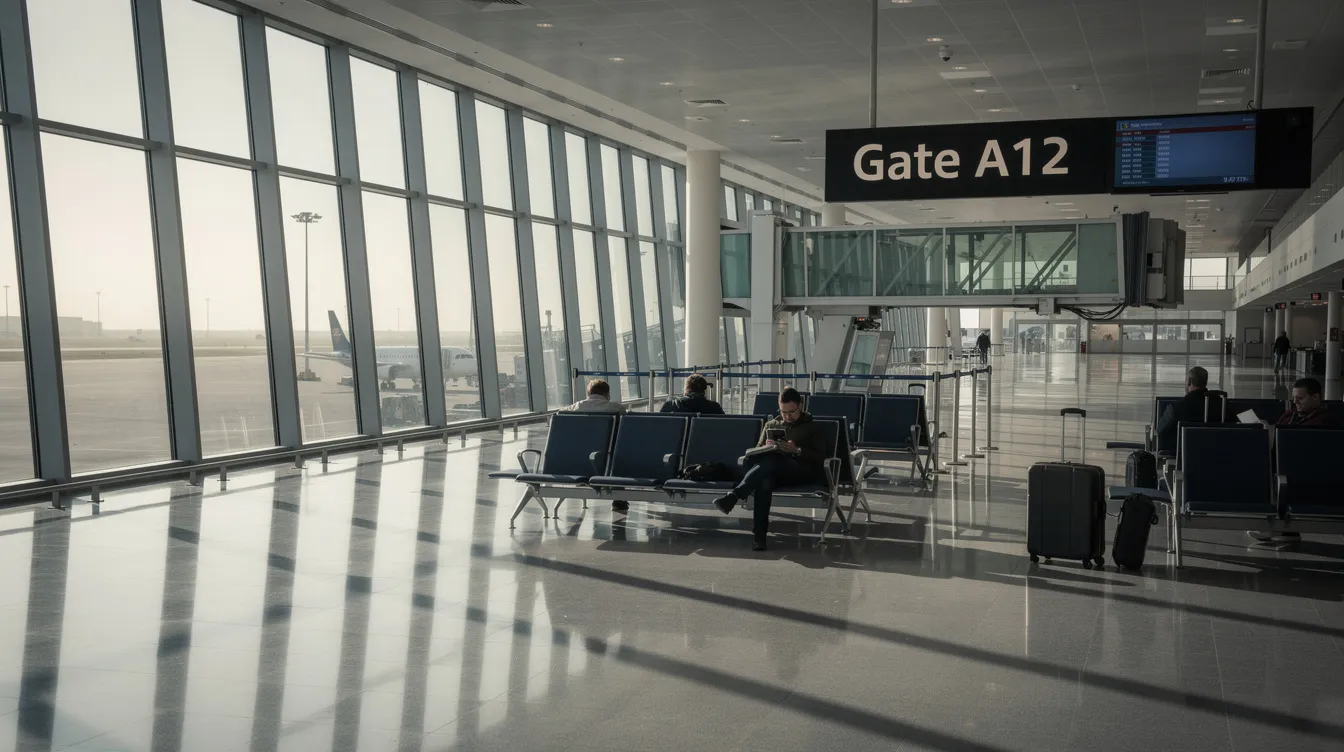
Flight prices generally decrease after Thanksgiving, especially for leisure routes, as demand drops. This guide details when to find the best deals and how to navigate the holiday pricing landscape for both commercial and private travel.
Jeff Ryan Serevilla
Sep 20, 2026
|
5
min read
View all
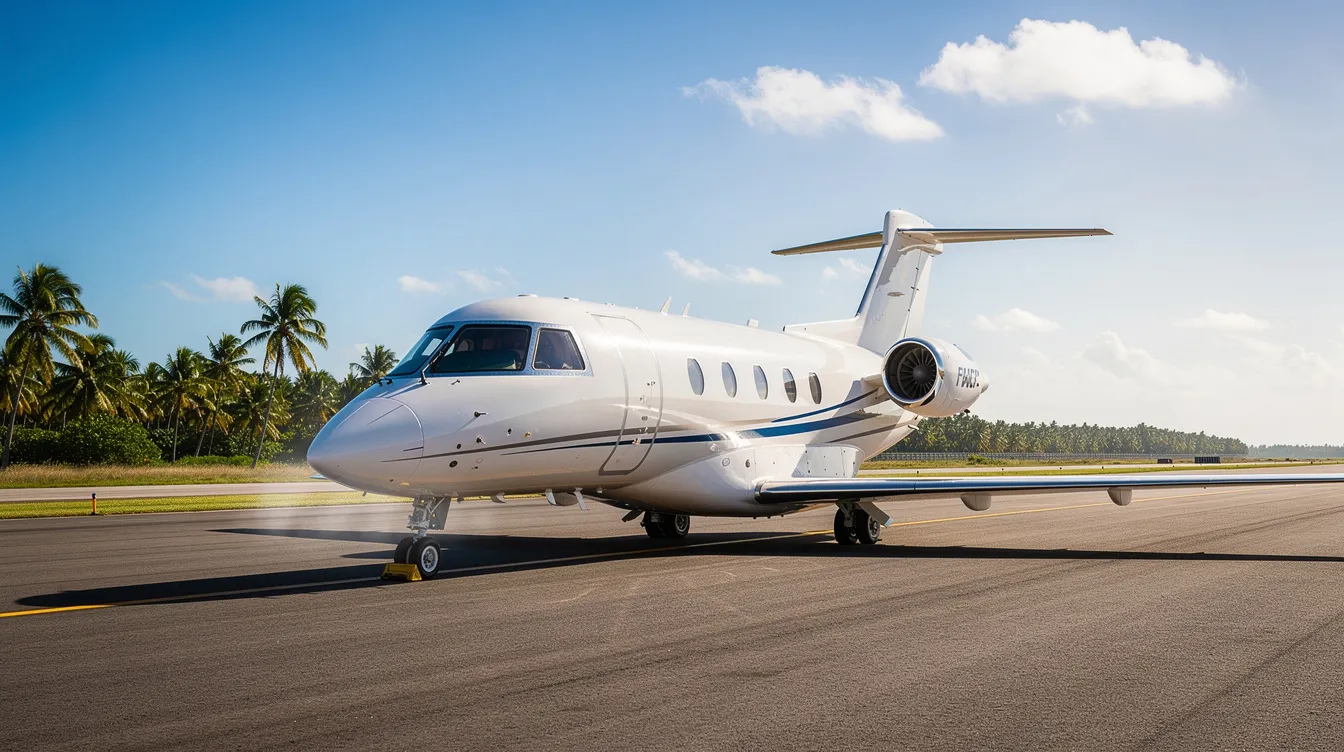
This comprehensive guide explores private jet travel to the Dominican Republic, detailing the benefits, booking process, and key airports. Whether for leisure or business, flying private offers flexibility, comfort, and access to multiple destinations, making it an ideal choice for travelers seeking efficiency and luxury.
Jeff Ryan Serevilla
Sep 20, 2026
|
5
min read

View all
Private Low Fares reviews reveal significant risks for travelers seeking cheap flight deals. Many customers report issues such as missing tickets, unexpected fees, and poor customer service. It's crucial to verify the credibility of booking sites and consider safer alternatives like Jettly for private jet travel.
Jeff Ryan Serevilla
Sep 20, 2026
|
5
min read
Explore our latest articles and updates.

5
min read
Private Jet Terminal: How FBOs Transform the Private Aviation Experience
Private jet terminals, or Fixed Base Operators (FBOs), enhance the private aviation experience by providing exclusive, efficient services that allow travelers to bypass the long waits and crowded spaces of commercial airports. Operated by companies like Jet Aviation and Signature Aviation, these terminals enable passengers to arrive just 15 to 30 minutes before departure, offering seamless transitions from vehicle to aircraft. Jettly utilizes a global network of over 5,000 FBOs to streamline the entire journey, including check-in, security, and customs clearance, while ensuring personalized service tailored to individual needs. Key factors for selecting an FBO include location, runway length, operating hours, and available ground services, all of which contribute to a more efficient and luxurious travel experience.
Read More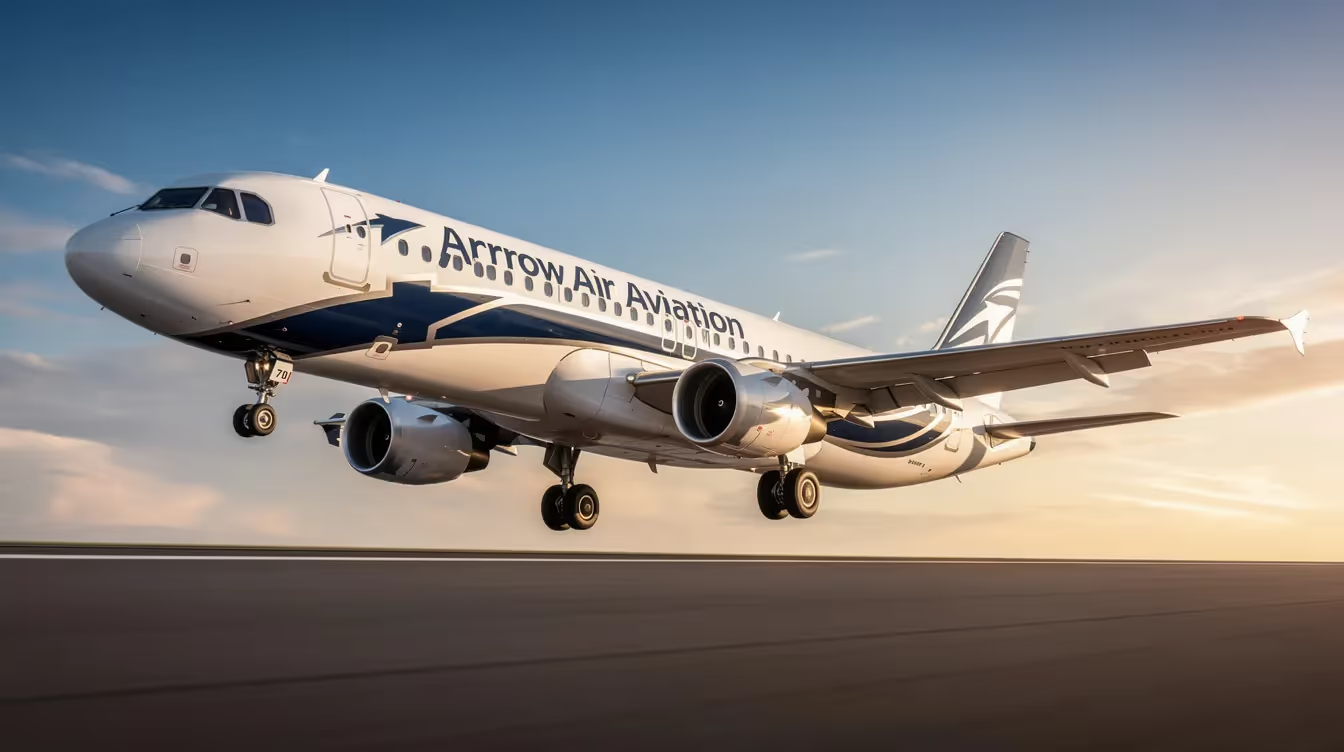
5
min read
Arrow Air: History, Flight 1285, and Its Legacy in Aviation Safety
Arrow Air Flight 1285 crashed on December 12, 1985, shortly after takeoff from Gander, Newfoundland, resulting in the deaths of all 256 people on board, making it Canada's deadliest aviation disaster. The investigation revealed that ice contamination on the wings and an underestimation of the aircraft's weight contributed to the crash, leading to significant changes in aviation safety protocols in Canada. The controversy surrounding the investigation, including a dissenting minority report that proposed alternative theories, ultimately led to the dissolution of the Canadian Aviation Safety Board and the establishment of the Transportation Safety Board of Canada. Today, lessons from this tragedy continue to shape modern aviation practices, emphasizing rigorous safety standards, data-driven flight planning, and transparency in operations, as exemplified by platforms like Jettly.
Read MoreJoin our community and receive the latest blog updates directly in your inbox.
MEMBERSHIPS AND ASSOCIATIONS



Disclaimer: Jettly operates as a charter broker, offering access to a global digital jet charter marketplace. Jettly is not a direct air carrier and does not own or operate aircraft. All advertised flights are conducted by third-party air carriers that are fully licensed and hold the appropriate Part 135 or Part 121 certifications issued by the Federal Aviation Administration (FAA) or equivalent regulatory authorities under U.S. or foreign law. Jettly complies fully with the U.S. Department of Transportation's Part 295 and Part 298 Charter Broker regulations. Jettly does not carry additional liability insurance. Passengers are covered by aircraft operator insurance. TICO: 50023770


