


Login
Get Instant Pricing On 23,000+ Aircraft


Private jet flight attendant roles blend aviation safety with luxury hospitality, offering higher earning potential and global travel opportunities compared to commercial airlines. Candidates typically need 2-4 years of experience in commercial aviation or luxury hospitality, along with advanced safety training. The job involves personalized service for VIP clients, with responsibilities ranging from safety briefings to gourmet meal service, and compensation can range from $65,000 to $120,000 annually, plus additional benefits. As demand for private aviation grows, networking and targeted job searches are essential for securing these competitive positions.
Jay Franco Serevilla
May 6, 2026
|
5
min read



View all
Flying private in 2026 is more accessible and efficient than ever before. This comprehensive guide covers everything from booking your first charter flight to understanding pricing and aircraft types, making private aviation a practical choice for both business and leisure travelers. Discover how to navigate the world of private jets and make informed decisions for your travel needs.
Jay Franco Serevilla
Sep 21, 2026
|
5
min read

View all
The private jet industry features various manufacturers, each with unique aircraft designed for specific missions. This guide provides insights into key brands, jet categories, and practical tips for selecting the right aircraft for your travel needs. Understanding these factors can enhance your private flying experience, whether for business or leisure.
Jeff Ryan Serevilla
Sep 21, 2026
|
5
min read

View all
The Bell 407 Jet Ranger is a versatile single-engine helicopter known for its comfort, performance, and modern features. Ideal for private travelers and executives, it offers a spacious cabin for up to six passengers and excels in various missions, from city transfers to sightseeing tours. This guide provides insights into its specifications, variants, and real-world applications, helping you determine if the Bell 407 is the right choice for your next charter flight.
Jeff Ryan Serevilla
Sep 21, 2026
|
5
min read
View all
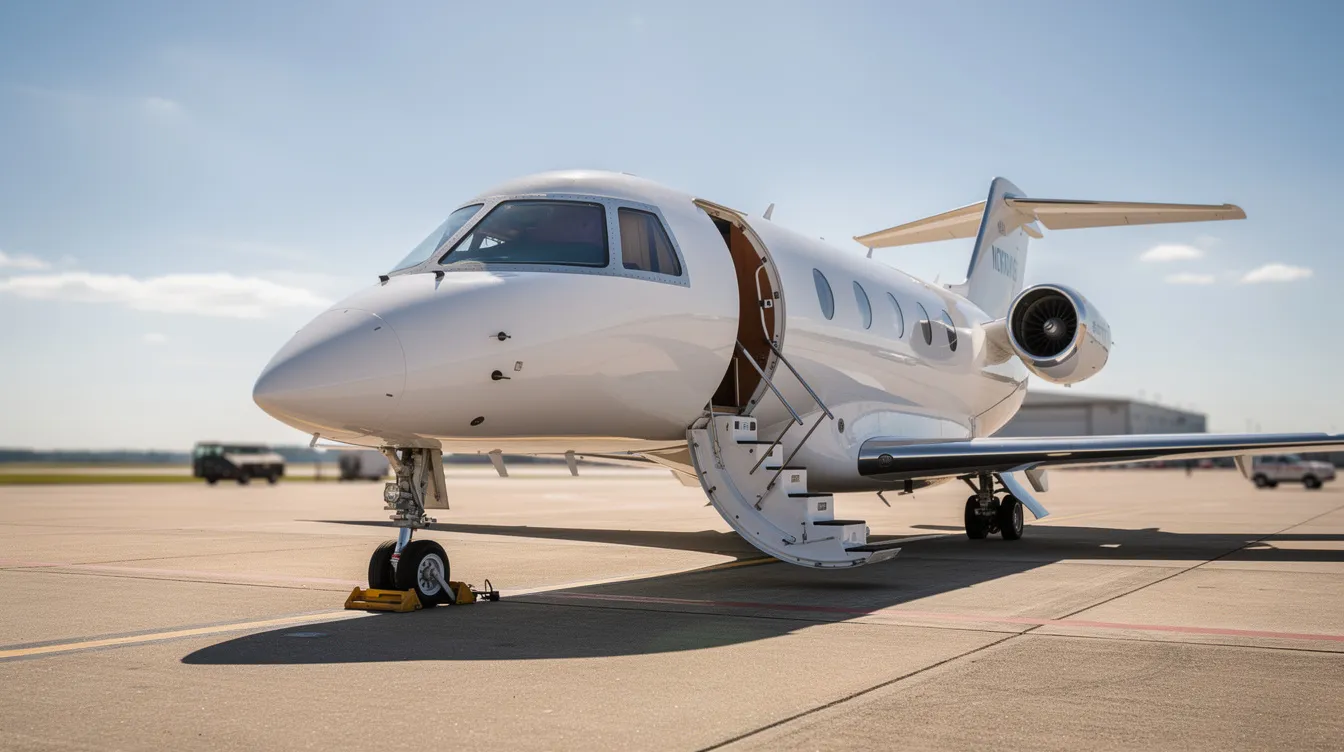
Boarding a private jet for the first time can be a seamless experience with Jettly. This step-by-step guide outlines the simplified boarding process, from arriving at the FBO to taking off, highlighting the efficiency and personalized service that private aviation offers compared to commercial flights.
Jeff Ryan Serevilla
Sep 20, 2026
|
5
min read

View all
Building an airplane hangar can cost between $25 and $600+ per square foot, influenced by size, materials, and location. This guide outlines key cost factors, including hangar size, structure type, and necessary utilities, helping aircraft owners budget effectively for their hangar construction.
Jeff Ryan Serevilla
Sep 20, 2026
|
5
min read

View all
This comprehensive guide details private flight costs in 2026, highlighting factors that influence pricing for various travelers. From hourly rates to hidden fees, it provides insights into budgeting for private jet travel, making it easier to compare quotes and understand total expenses.
Jeff Ryan Serevilla
Sep 20, 2026
|
5
min read
Explore our latest articles and updates.

5
min read
How Long To Fly: A Practical Guide To Estimating Flight Time
Estimating flight times is crucial for effective travel planning, impacting schedules and overall trip convenience. This guide outlines how to calculate flight durations based on distance, aircraft type, and external factors like weather and air traffic, emphasizing the use of flight time calculators for accuracy. Jettly's platform provides tailored insights for private jet travelers, helping them optimize their journeys by reducing ground delays and offering flexible routing options. Understanding these elements allows travelers to make informed decisions about aircraft selection and scheduling, enhancing their overall travel experience.
Read More
5
min read
Is Fractional Jet Ownership Worth It? The Complete Decision Guide
Fractional jet ownership can be a worthwhile investment for high-frequency flyers who travel over 100 hours annually and have a capital commitment of $400,000 or more. It allows owners to share the costs and benefits of private jet travel, providing guaranteed access to a consistent aircraft type and tailored service. However, it is not suitable for those flying less than 50-75 hours per year or with unpredictable travel patterns, as alternatives like jet cards or charter services may offer better flexibility and cost efficiency. Ultimately, understanding your travel habits and financial situation is crucial in determining if fractional ownership aligns with your needs.
Read MoreJoin our community and receive the latest blog updates directly in your inbox.
MEMBERSHIPS AND ASSOCIATIONS



Disclaimer: Jettly operates as a charter broker, offering access to a global digital jet charter marketplace. Jettly is not a direct air carrier and does not own or operate aircraft. All advertised flights are conducted by third-party air carriers that are fully licensed and hold the appropriate Part 135 or Part 121 certifications issued by the Federal Aviation Administration (FAA) or equivalent regulatory authorities under U.S. or foreign law. Jettly complies fully with the U.S. Department of Transportation's Part 295 and Part 298 Charter Broker regulations. Jettly does not carry additional liability insurance. Passengers are covered by aircraft operator insurance. TICO: 50023770


