


Login
Get Instant Pricing On 23,000+ Aircraft

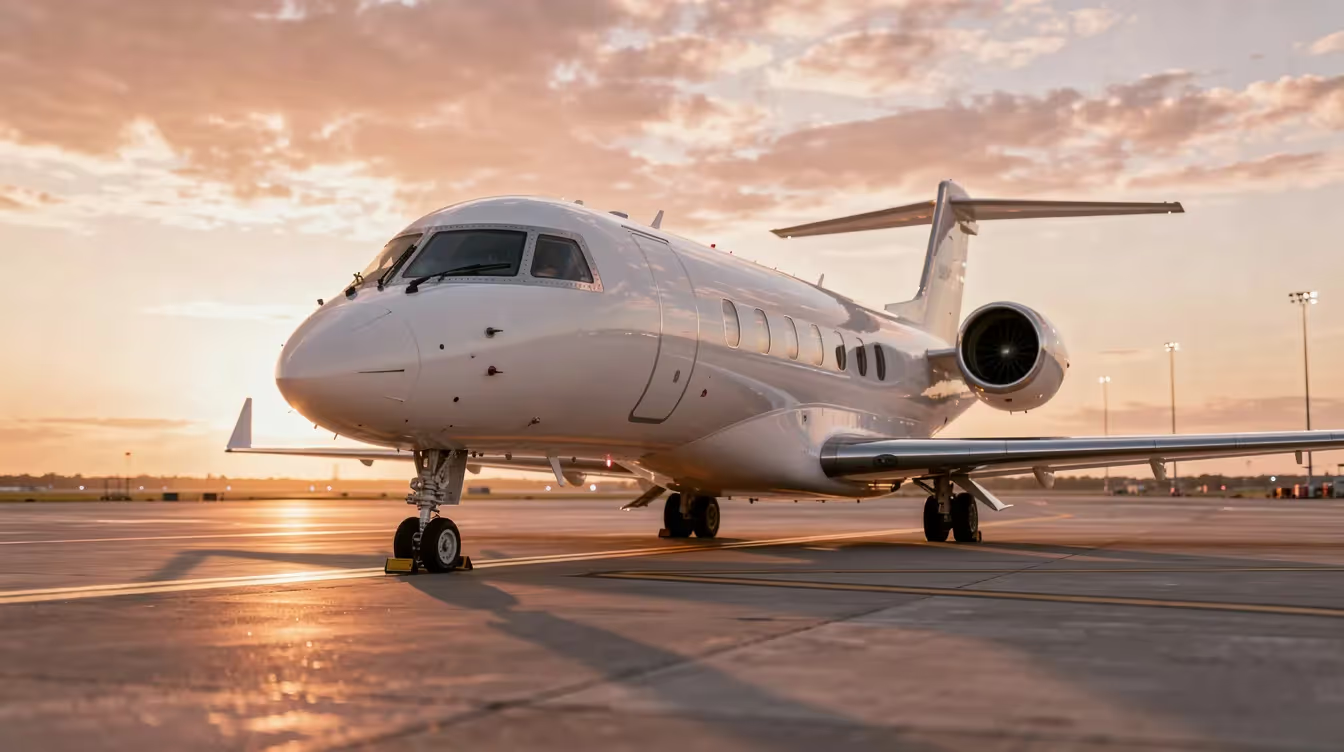
In 2026, the cost of jet aircraft varies significantly, with new private jets priced from $2 million for very light jets to over $400 million for customized VIP airliners, while charter rates range from $1,500 to $28,000 per hour based on aircraft type. For most business travelers, chartering is more economical than ownership, especially for those flying fewer than 200-300 hours annually, as ownership entails substantial fixed and variable costs. Jettly, a digital private jet charter platform, offers a transparent marketplace for on-demand bookings, allowing users to compare costs and access over 20,000 aircraft globally. Key strategies for reducing costs include choosing the right aircraft size, being flexible with travel times, and utilizing empty leg flights.
Jay Franco Serevilla
Apr 18, 2026
|
5
min read


View all
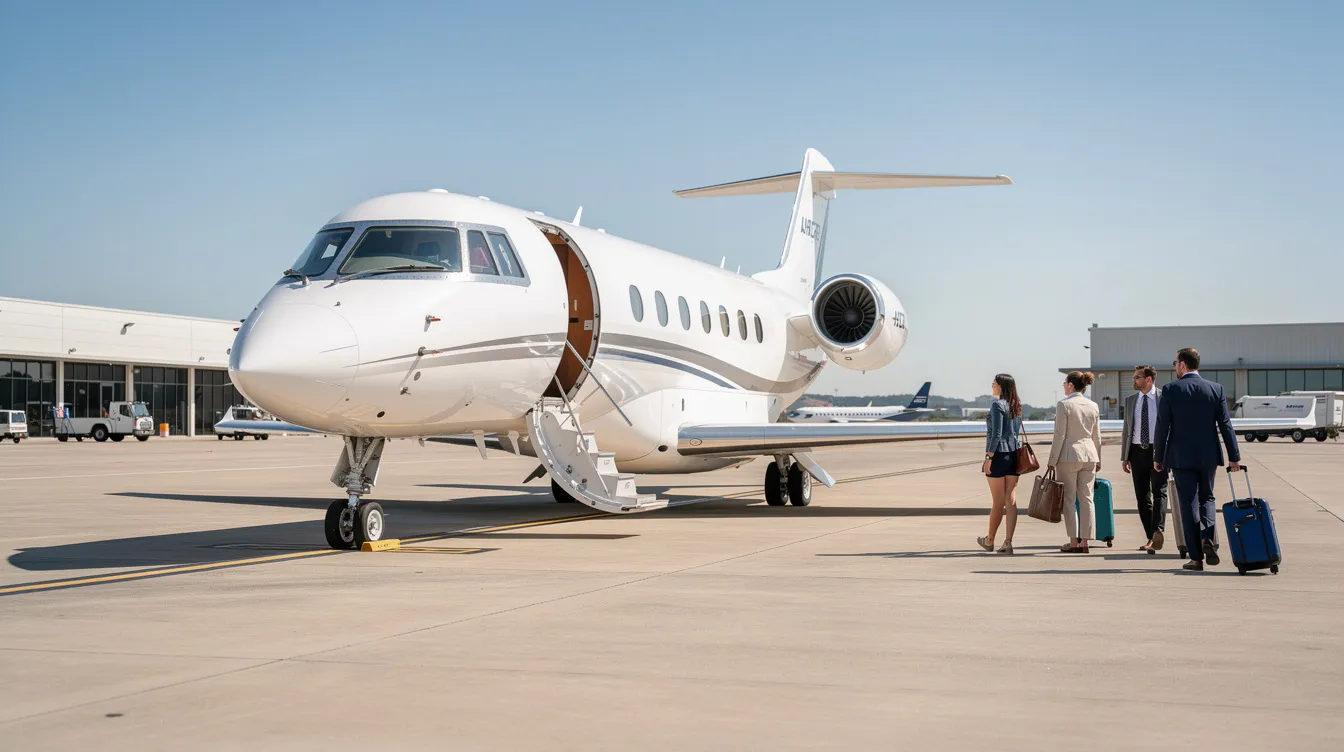
Private plane flight times are significantly shorter than commercial travel, influenced by factors like distance, aircraft type, and weather conditions. Understanding these variables is crucial for efficient scheduling and cost management, especially for corporate travelers and families. Jettly offers tools to provide accurate flight time estimates, enhancing the private flying experience.
Jeff Ryan Serevilla
Sep 8, 2026
|
5
min read
View all
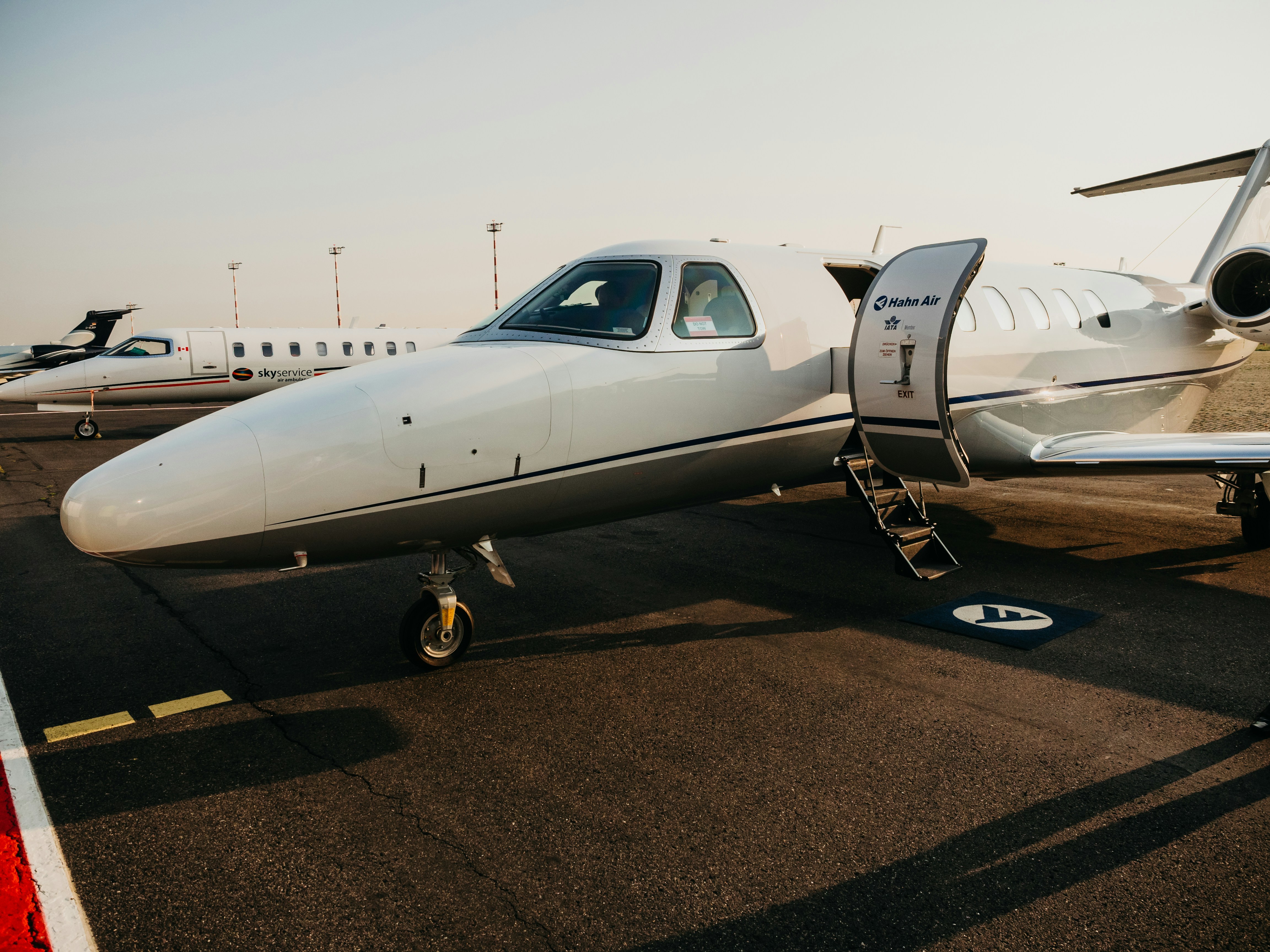
This article compares the costs of light jets and heavy jets for private travel, highlighting key factors such as hourly rates, passenger capacity, and trip efficiency. Light jets are more cost-effective for shorter domestic flights with smaller groups, while heavy jets excel in long-range travel and larger passenger capacities. Understanding these differences can help travelers make informed decisions based on their specific needs and budgets.
Jeff Ryan Serevilla
Sep 8, 2026
|
5
min read
View all
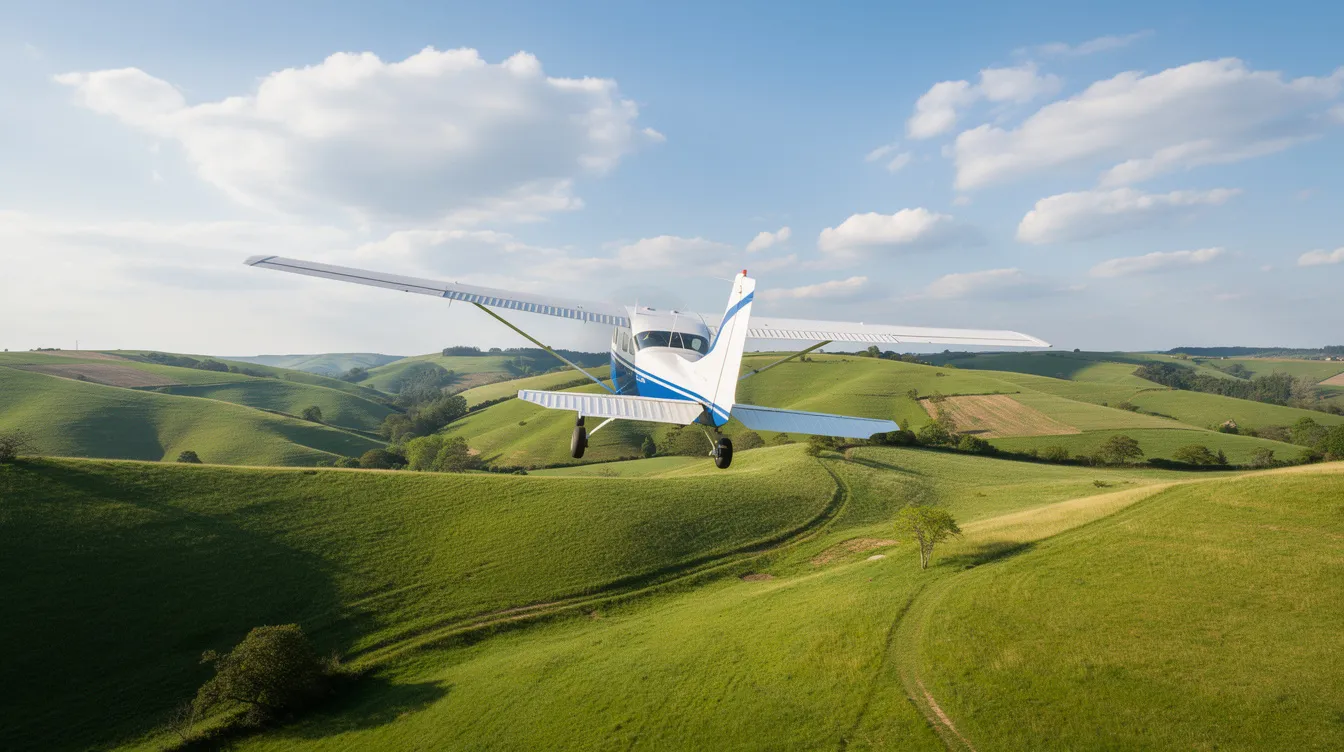
Single-engine planes typically cruise between 110 and 180 knots, with high-performance models exceeding 200 knots. Factors like aircraft type, altitude, and weight significantly influence actual speeds. Understanding cruise speed is crucial for effective trip planning and can often rival commercial airliners in total travel time.
Jay Franco Serevilla
Sep 7, 2026
|
5
min read
View all
Single-engine planes typically cruise between 110 and 180 knots, with high-performance models exceeding 200 knots. Factors like aircraft type, altitude, and weight significantly influence actual speeds. Understanding cruise speed is crucial for effective trip planning and can often rival commercial airliners in total travel time.
Jay Franco Serevilla
Sep 7, 2026
|
5
min read
View all
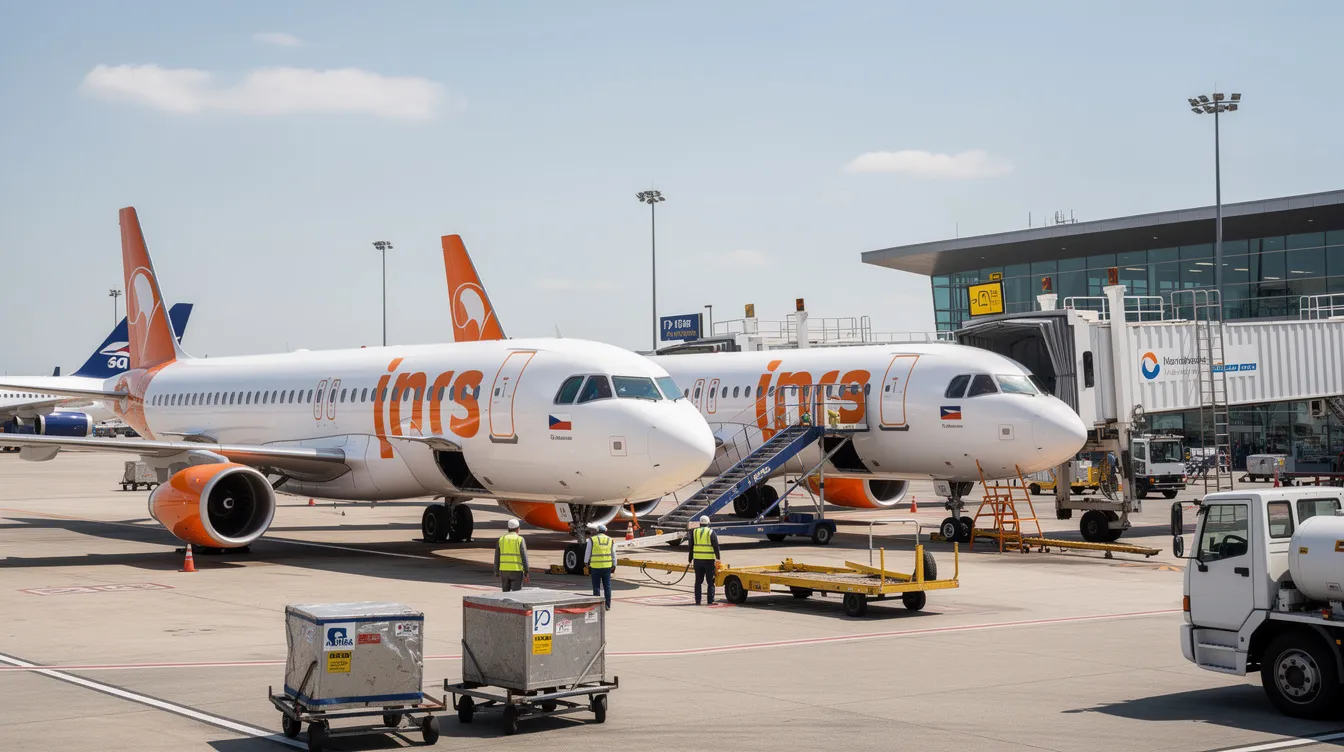
This article compares Southwest Airlines' Boeing 737-800 and MAX 8, focusing on passenger experience, comfort, and features. While both aircraft offer similar seating and service, the MAX 8 boasts quieter engines, modern interiors, and consistent USB charging. For travelers seeking privacy and flexibility, private jet charter options through Jettly present a compelling alternative to commercial flights.
Jay Franco Serevilla
Sep 7, 2026
|
5
min read
View all
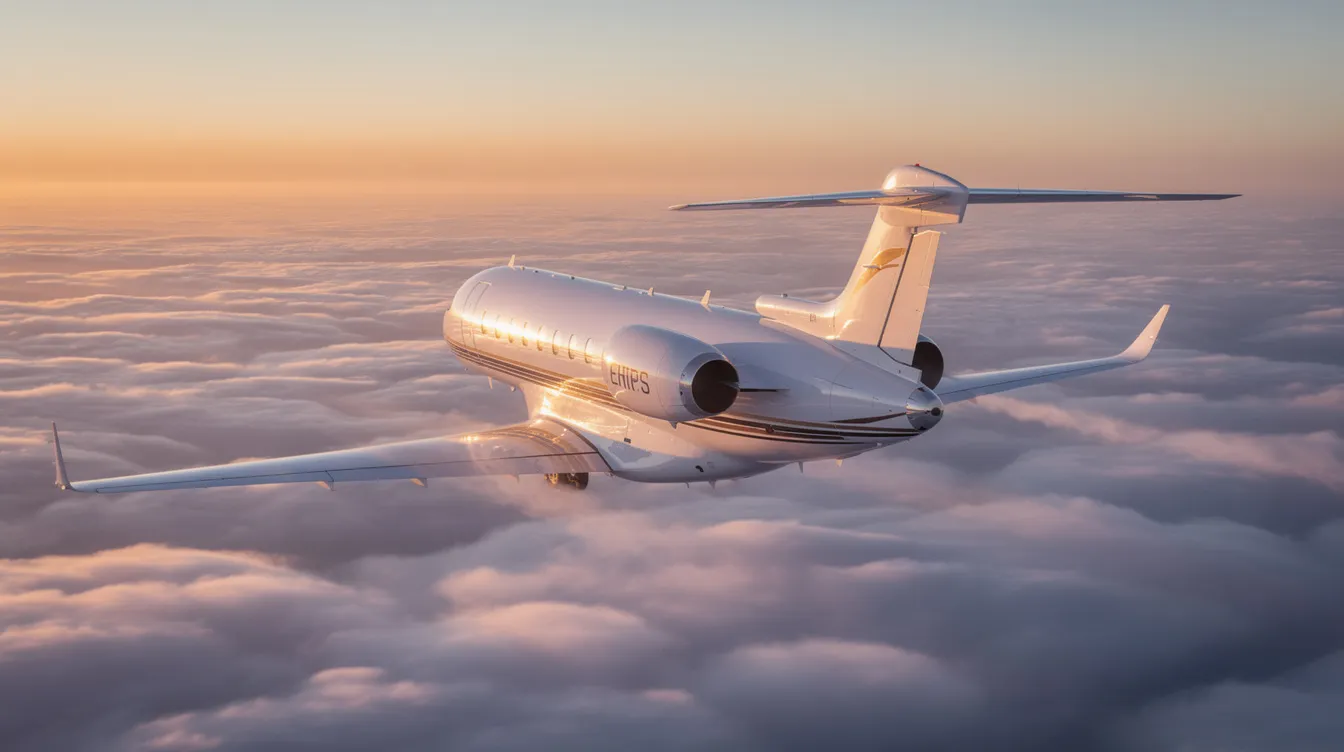
Estimating flight length accurately is crucial for effective travel planning, whether for private jets or commercial flights. Factors such as distance, aircraft type, and wind conditions can significantly impact flight duration. This guide provides insights into estimating flight times and highlights the advantages of private jet travel through platforms like Jettly.
Jay Franco Serevilla
Sep 7, 2026
|
5
min read
Explore our latest articles and updates.
5
min read
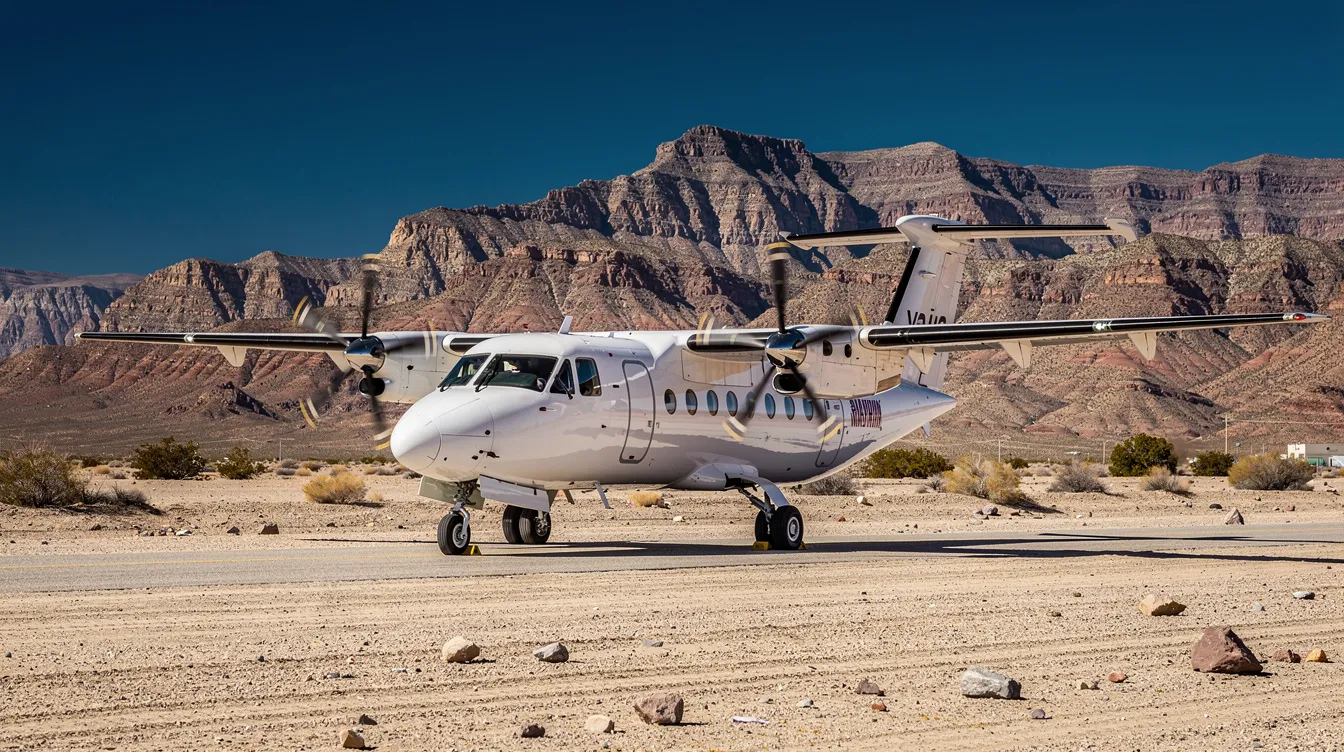
Steelman Aviation in Las Vegas: Fleet, Services, and How to Charter via Jettly
Steelman Aviation, operating as AirSmart, specializes in private charter flights using a fleet of Pilatus aircraft from North Las Vegas. With a focus on regional travel across the Western USA and Mexico, they offer tailored solutions for leisure and corporate trips. Travelers can easily access their services through Jettly's digital marketplace, ensuring transparent pricing and a variety of aircraft options.
Read More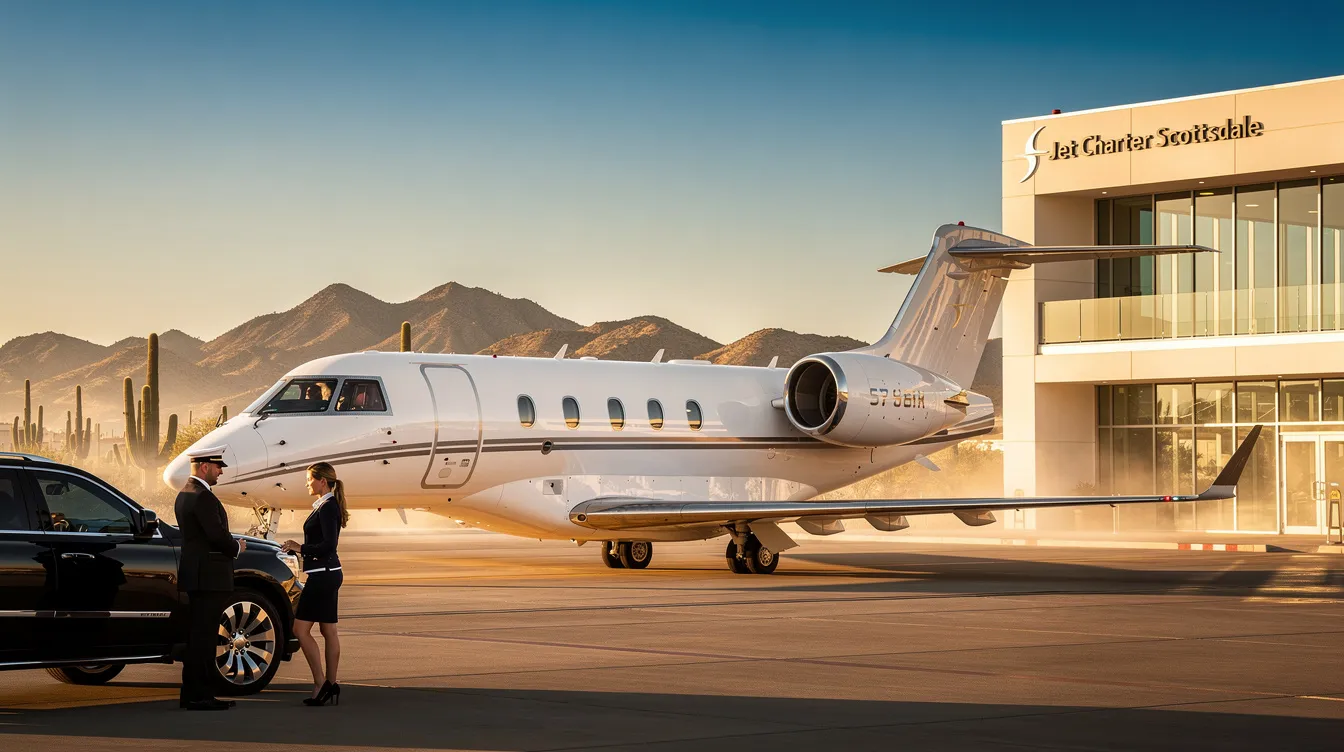
5
min read
Jet Charter Scottsdale: Private Jet Charter to and from Scottsdale, AZ
Jet charter services in Scottsdale, AZ, offer travelers unparalleled convenience and flexibility for both business and leisure. With access to over 20,000 aircraft, Jettly provides instant pricing and tailored options for private flights to key markets. Enjoy quick terminal access and personalized in-flight services while saving valuable time compared to commercial flights.
Read MoreJoin our community and receive the latest blog updates directly in your inbox.
MEMBERSHIPS AND ASSOCIATIONS



Disclaimer: Jettly operates as a charter broker, offering access to a global digital jet charter marketplace. Jettly is not a direct air carrier and does not own or operate aircraft. All advertised flights are conducted by third-party air carriers that are fully licensed and hold the appropriate Part 135 or Part 121 certifications issued by the Federal Aviation Administration (FAA) or equivalent regulatory authorities under U.S. or foreign law. Jettly complies fully with the U.S. Department of Transportation's Part 295 and Part 298 Charter Broker regulations. Jettly does not carry additional liability insurance. Passengers are covered by aircraft operator insurance. TICO: 50023770


