


Login
Get Instant Pricing On 23,000+ Aircraft


Understanding the difference between planes and jets is crucial for travelers in private aviation, as jets are specifically powered by jet engines and designed for higher speeds and longer distances compared to propeller planes. Jets excel in long-haul travel, typically cruising at 400–600+ mph and accessing a wider range of airports, while turboprops are more efficient for short regional flights. Platforms like Jettly offer access to over 20,000 aircraft, allowing travelers to easily compare options based on their specific needs, such as distance, budget, and airport access. Ultimately, choosing the right aircraft depends on factors like trip duration, passenger count, and desired flexibility.
Jay Franco Serevilla
May 6, 2026
|
5
min read



View all
A transatlantic flight is any air journey that crosses the Atlantic Ocean, connecting continents like North America and Europe. This guide explores the history, modern routes, and private jet options for transatlantic travel, highlighting the evolution from early flights to today's efficient services. Jettly offers insights into planning and booking private transatlantic flights, ensuring flexibility and comfort for travelers.
Jeff Ryan Serevilla
Sep 22, 2026
|
5
min read

View all
Flying by private jet to Greece offers travelers direct access to both the mainland and islands, significantly reducing travel time compared to commercial flights. With over 40 airports available, private jets provide flexibility, privacy, and customized in-flight experiences. Jettly's platform simplifies the booking process, offering instant pricing and access to a wide range of aircraft.
Jeff Ryan Serevilla
Sep 22, 2026
|
5
min read
View all
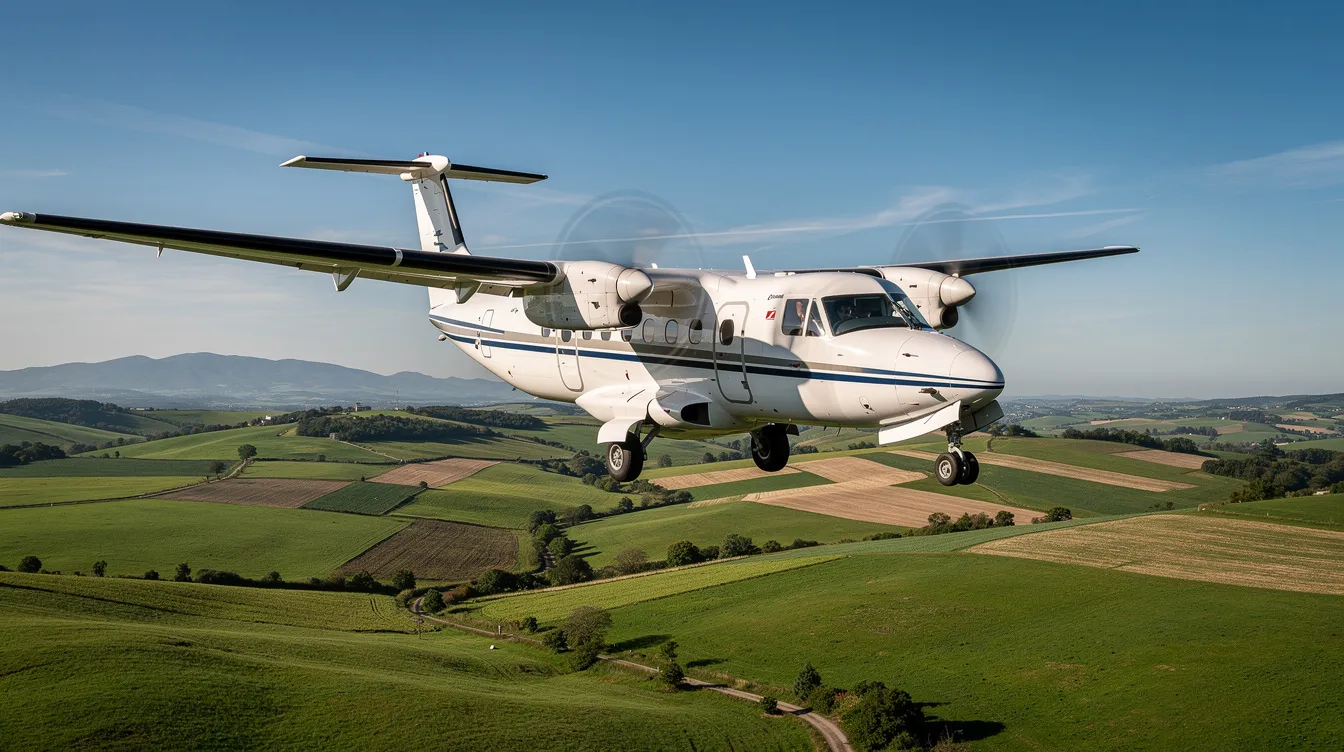
Propeller planes are increasingly relevant in modern private aviation, offering cost-effective solutions for regional and remote flights. They excel in accessing short and unpaved runways, making them ideal for connecting communities that jets cannot reach. This guide explores the advantages of propeller aircraft, their operational mechanics, and how they compare to jets.
Jeff Ryan Serevilla
Sep 22, 2026
|
5
min read

View all
This comprehensive guide explores the insurance costs for Cessna 172 owners in 2026, detailing typical premiums and factors that influence rates. With costs ranging from $150 to $1,400 annually for private pilots, the guide also offers practical tips for managing expenses while ensuring adequate coverage.
Jeff Ryan Serevilla
Sep 22, 2026
|
5
min read

View all
The Cirrus Vision Jet boasts a maximum cruise speed of 311 knots, making it a competitive choice for regional travel. This guide explores its performance, safety features, and how charter users can leverage its capabilities through platforms like Jettly. Understanding cruise speed is essential for effective trip planning and maximizing the jet experience.
Jeff Ryan Serevilla
Sep 22, 2026
|
5
min read

View all
In 2026, pilot training costs in the U.S. range from $4,500 for a basic sport pilot certificate to over $130,000 for comprehensive career-track programs. Understanding these costs is crucial for aspiring pilots and career changers to budget effectively and avoid unexpected expenses. This guide breaks down the various training milestones and associated costs, helping you plan your aviation journey with confidence.
Jeff Ryan Serevilla
Sep 22, 2026
|
5
min read
Explore our latest articles and updates.

5
min read
Jet Card Tax Guide: FET, Business Deductibility & State Sales Tax
The Jet Card Tax Guide outlines key tax considerations for private jet card users, including Federal Excise Tax (FET), state sales tax, and business deductibility rules, aimed at CFOs and finance teams managing aviation budgets. FET is a 7.5% tax on domestic flights, with pricing typically quoted as either "all-in" (including FET) or "plus-FET" (added on top). Jet card flights may be tax-deductible if they meet IRS criteria for business expenses, while personal travel is generally non-deductible. The guide emphasizes the importance of understanding tax implications for effective financial planning and compliance in private aviation.
Read More
5
min read
Jettly vs Competitors: Jet Card Provider Comparison Hub
This guide compares leading jet card providers—NetJets, Flexjet, Sentient, Wheels Up, XO, VistaJet, and Jettly—helping private flyers and business travelers choose the best option based on their needs. Key models include owned fleets for consistency (NetJets, Flexjet), broker-based cards for flexibility (Sentient, Magellan), and marketplace models for transparency and adaptability (Jettly, XO). Factors to consider include fleet size, guaranteed availability, pricing structures, and service areas, with costs typically ranging from $125,000 to over $325,000 for a 25-hour commitment. Ultimately, the right provider depends on individual travel patterns, preferences for aircraft consistency, and the desired level of flexibility.
Read MoreJoin our community and receive the latest blog updates directly in your inbox.
MEMBERSHIPS AND ASSOCIATIONS



Disclaimer: Jettly operates as a charter broker, offering access to a global digital jet charter marketplace. Jettly is not a direct air carrier and does not own or operate aircraft. All advertised flights are conducted by third-party air carriers that are fully licensed and hold the appropriate Part 135 or Part 121 certifications issued by the Federal Aviation Administration (FAA) or equivalent regulatory authorities under U.S. or foreign law. Jettly complies fully with the U.S. Department of Transportation's Part 295 and Part 298 Charter Broker regulations. Jettly does not carry additional liability insurance. Passengers are covered by aircraft operator insurance. TICO: 50023770


