


Login
Get Instant Pricing On 23,000+ Aircraft


On-demand private flights offer a cost-effective and flexible alternative to fractional jet ownership, allowing you to pay only for the flight hours you use. Ideal for individuals who need between 50 and 500 flight hours per year, this service eliminates upfront costs and long-term commitments. While planning and flexibility can be more challenging, a reliable broker can ensure dependable alternatives. Trust Jettly to simplify your transition and enhance your private flying experience.

Justin Crabbe
May 6, 2025
|
5 minutes
min read



View all
Private jet parties are a rising trend for birthday celebrations, offering a unique experience that combines travel and venue into one. This guide outlines essential planning elements, including aircraft selection, budgeting, and onboard etiquette, ensuring a smooth and stylish event. Jettly, a digital private jet charter marketplace, provides access to over 20,000 aircraft, allowing for flexible scheduling and personalized experiences. Key considerations include safety regulations, guest behavior, and the importance of early planning to secure the desired aircraft and customizations.
Jay Franco Serevilla
Jul 10, 2026
|
5
min read

View all
Understanding the costs associated with midsize jets is crucial for those considering chartering, fractional ownership, or outright purchase. In 2026, purchase prices for midsize jets range from $5 million to $30 million, while charter rates average between $4,000 and $6,500 per flight hour. Annual operating expenses typically fall between $700,000 and $1.5 million, making chartering more economical for travelers flying under 200-250 hours per year. Jettly's platform offers transparent pricing and access to a wide range of aircraft, helping users make informed decisions about private aviation options.
Jay Franco Serevilla
Jul 10, 2026
|
5
min read

View all
The Benoist Airboat Model XIV, which began service on January 1, 1914, is recognized as the first commercial plane to operate sustained scheduled passenger flights, marking a pivotal moment in aviation history. This inaugural flight across Tampa Bay demonstrated the feasibility of air travel, laying the groundwork for the modern airline industry with concepts like timetables and fare collection. The evolution from early aircraft like the Benoist XIV to jet airliners, such as the de Havilland Comet and Boeing 747, reflects significant advancements in technology and passenger experience. Today, platforms like Jettly continue this legacy by offering on-demand private jet charters, enhancing flexibility and accessibility in air travel.
Jay Franco Serevilla
Jul 10, 2026
|
5
min read
View all
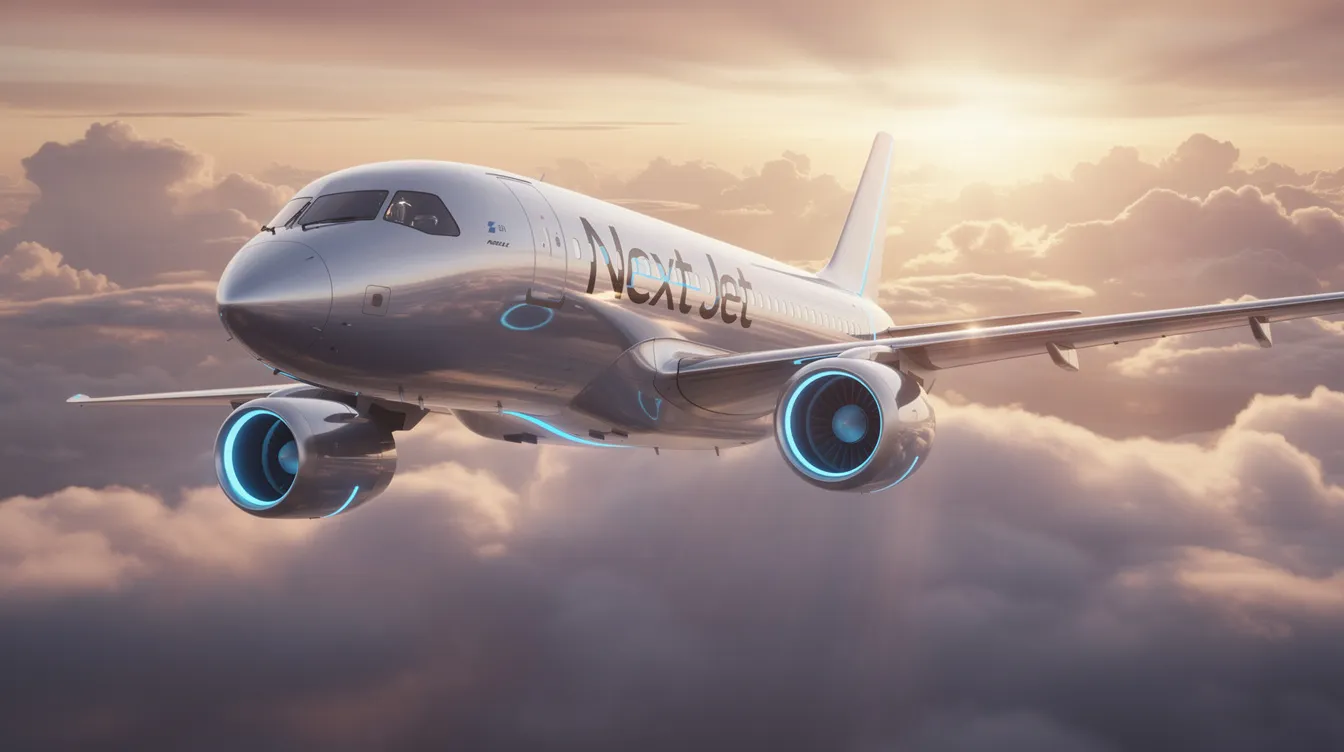
In 2026, NetJets offers private jet services with entry costs starting at approximately $200,000 for a 25-hour light jet card, escalating to over $500,000 for ultra-long-range jets, excluding additional fees like federal excise tax and fuel surcharges. The pricing structure includes upfront costs, ongoing monthly management fees, and variable per-flight charges, making it more suitable for frequent flyers (75+ hours per year) who value guaranteed availability and consistency. For travelers flying less frequently or with irregular schedules, on-demand charter services like Jettly provide a more cost-effective and flexible alternative, eliminating high upfront commitments and monthly fees. Ultimately, the choice between NetJets and on-demand charter hinges on individual flying patterns and cost considerations.
Jay Franco Serevilla
Jul 10, 2026
|
5
min read

View all
The Setai private jet service, offered through Jettly, caters to luxury travelers seeking a seamless and exclusive travel experience to Miami Beach. This service allows guests to bypass crowded airports, enjoy personalized service, and arrive conveniently close to The Setai hotel. Jettly provides access to over 20,000 aircraft, enabling travelers to choose the right jet based on their needs, with options ranging from light jets to ultra-long-range aircraft. The platform simplifies the booking process, offering instant pricing and flexible itineraries, ensuring a luxurious journey from start to finish.
Jay Franco Serevilla
Jul 10, 2026
|
5
min read

View all
National helicopter services in the U.S. encompass a wide range of operations, including media coverage, offshore transport, air ambulance, and private charter, offering significant time advantages for short-distance travel. Jettly serves as a digital marketplace that connects travelers with vetted, certified helicopter operators, providing instant pricing and on-demand booking for national flights. The platform simplifies the process of accessing helicopter services, allowing users to bypass ground traffic and reach destinations quickly and efficiently. With a focus on safety and compliance with FAA regulations, Jettly ensures that travelers can book flights with confidence, making helicopter charter an increasingly relevant option for both business and leisure travel.
Jay Franco Serevilla
Jul 10, 2026
|
5
min read
Explore our latest articles and updates.

5
min read
Embraer Phenom 300E: Light Jet Guide for Private Charter with Jettly
The Embraer Phenom 300E is a leading light jet in the private charter market, celebrated for its speed, comfort, and advanced technology, making it ideal for both business and leisure travel. With a range of up to 2,010 nautical miles and a cruising speed of 464 knots, it efficiently serves regional and transcontinental routes while accommodating 6–8 passengers in a spacious cabin. Jettly offers a streamlined booking process for the Phenom 300E, providing instant access to pricing and aircraft options without the long-term commitments of ownership. Overall, the Phenom 300E combines performance and luxury, making it a top choice for travelers seeking flexible private aviation solutions.
Read More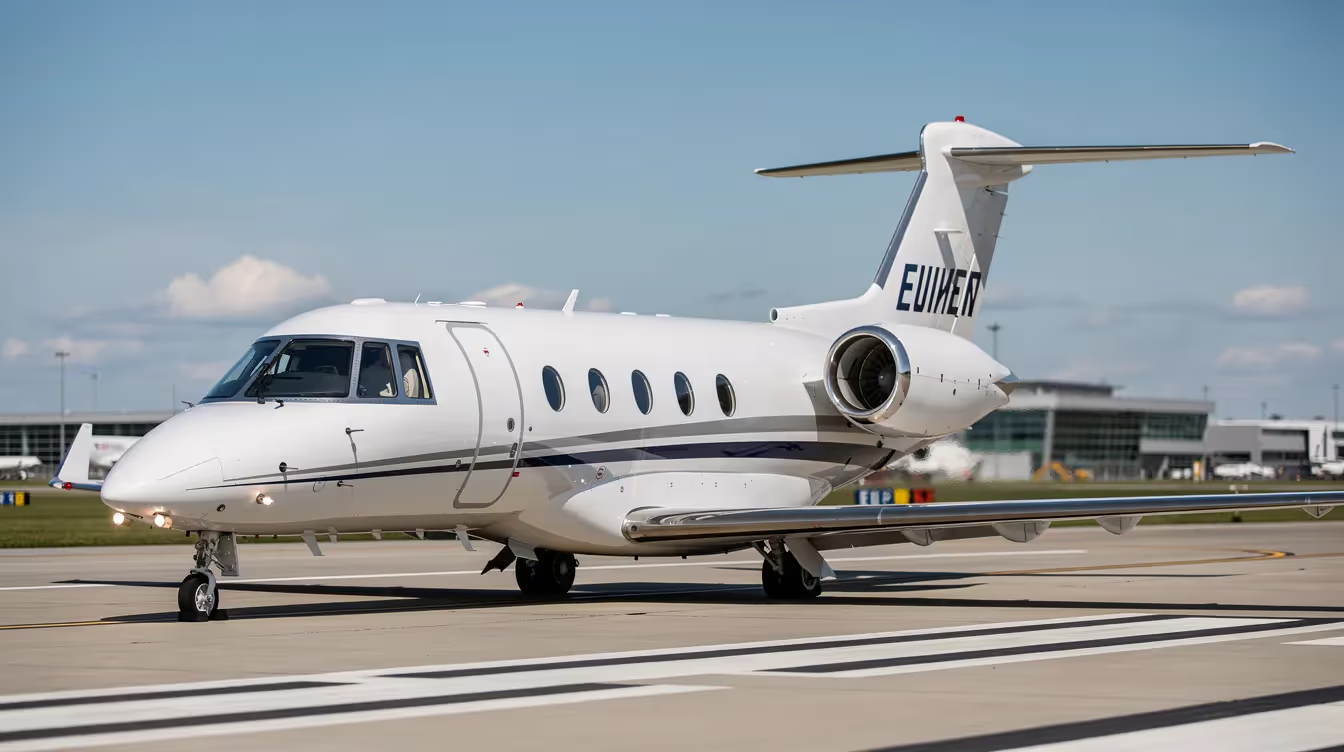
5
min read
Cessna 560 Citation V: Guide to the Classic Mid-Size Cessna Citation Jet
The Cessna 560 Citation V is a well-regarded light-to-midsize business jet, known for its speed, comfort, and operational efficiency, making it ideal for short- to mid-range flights. With a spacious cabin accommodating up to eight passengers and strong short-field performance, it remains a popular choice among business and leisure travelers, often booked through platforms like Jettly. The Citation V family includes later variants such as the Citation Ultra and Encore, which offer enhanced features and performance. Overall, the Citation V is celebrated for its reliability, competitive charter rates, and ability to access smaller airports, making it a favored option in private aviation.
Read MoreJoin our community and receive the latest blog updates directly in your inbox.
MEMBERSHIPS AND ASSOCIATIONS



Disclaimer: Jettly operates as a charter broker, offering access to a global digital jet charter marketplace. Jettly is not a direct air carrier and does not own or operate aircraft. All advertised flights are conducted by third-party air carriers that are fully licensed and hold the appropriate Part 135 or Part 121 certifications issued by the Federal Aviation Administration (FAA) or equivalent regulatory authorities under U.S. or foreign law. Jettly complies fully with the U.S. Department of Transportation's Part 295 and Part 298 Charter Broker regulations. Jettly does not carry additional liability insurance. Passengers are covered by aircraft operator insurance. TICO: 50023770


