



Login
Get Instant Pricing On 23,000+ Aircraft

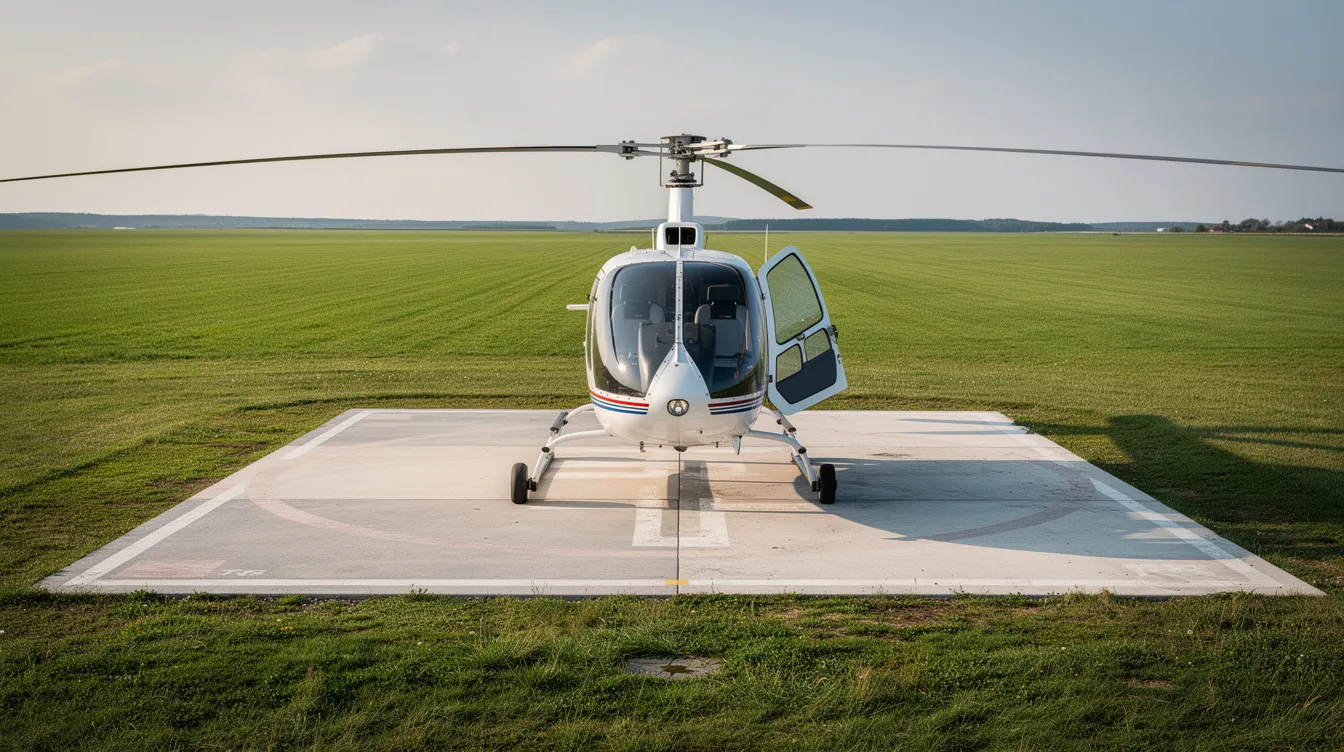
The Robinson R22 is a compact, two-seat light helicopter widely recognized for its role in pilot training since its production began in 1979, with over 4,800 units delivered by 2019. It features a 124-hp Lycoming O-320 engine, a maximum takeoff weight of 1,370 lbs, and is known for its low operating costs and mechanical simplicity, making it ideal for flight schools and utility work. While the R22 is not suitable for luxury charter due to its basic design and limited capacity, it serves as a foundational training aircraft for many pilots who later transition to turbine helicopters and private jets. Overall, the R22's affordability and performance have solidified its place in aviation, particularly for aspiring pilots.
Jay Franco Serevilla
Jul 7, 2026
|
5
min read


View all
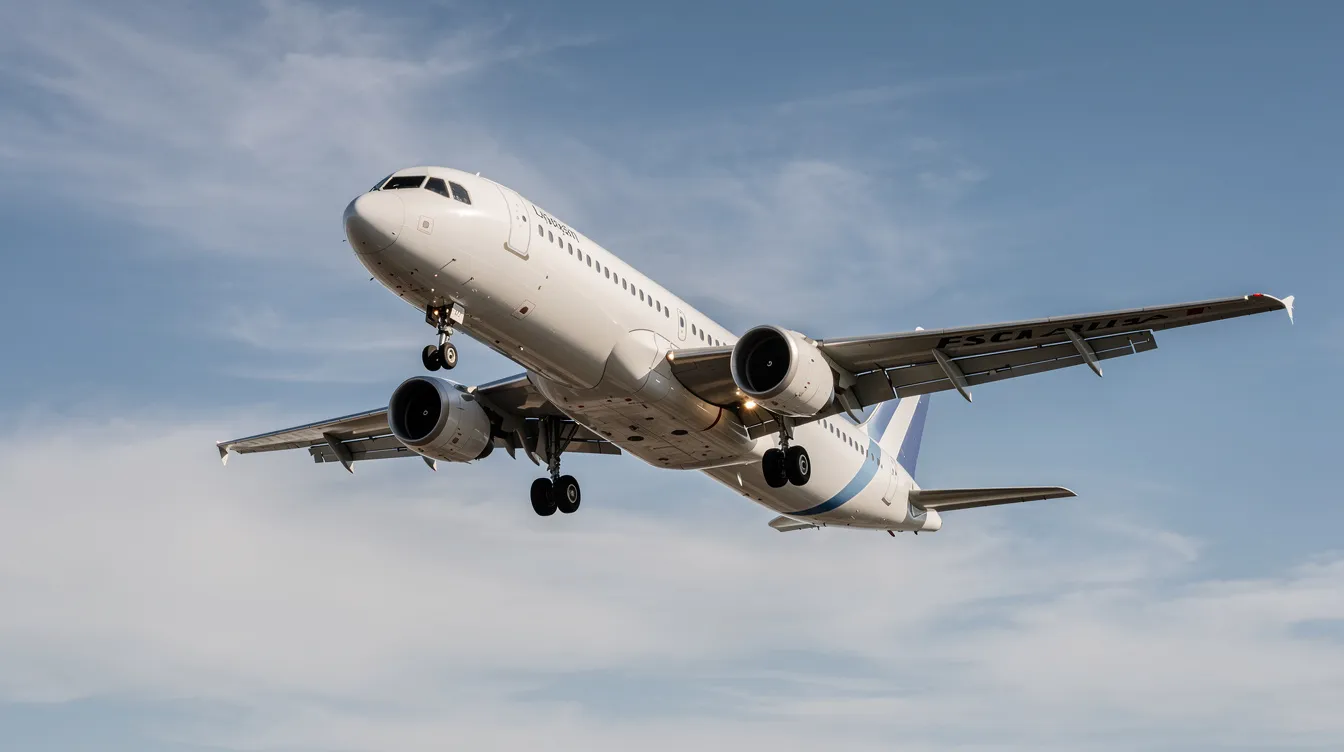
Most plane crashes occur during critical flight phases, particularly during takeoff, approach, and landing, which account for over 60% of accidents. Understanding these patterns can help travelers make informed decisions about flight safety and choose operators that prioritize safety standards.
Jay Franco Serevilla
Nov 8, 2026
|
5
min read
View all
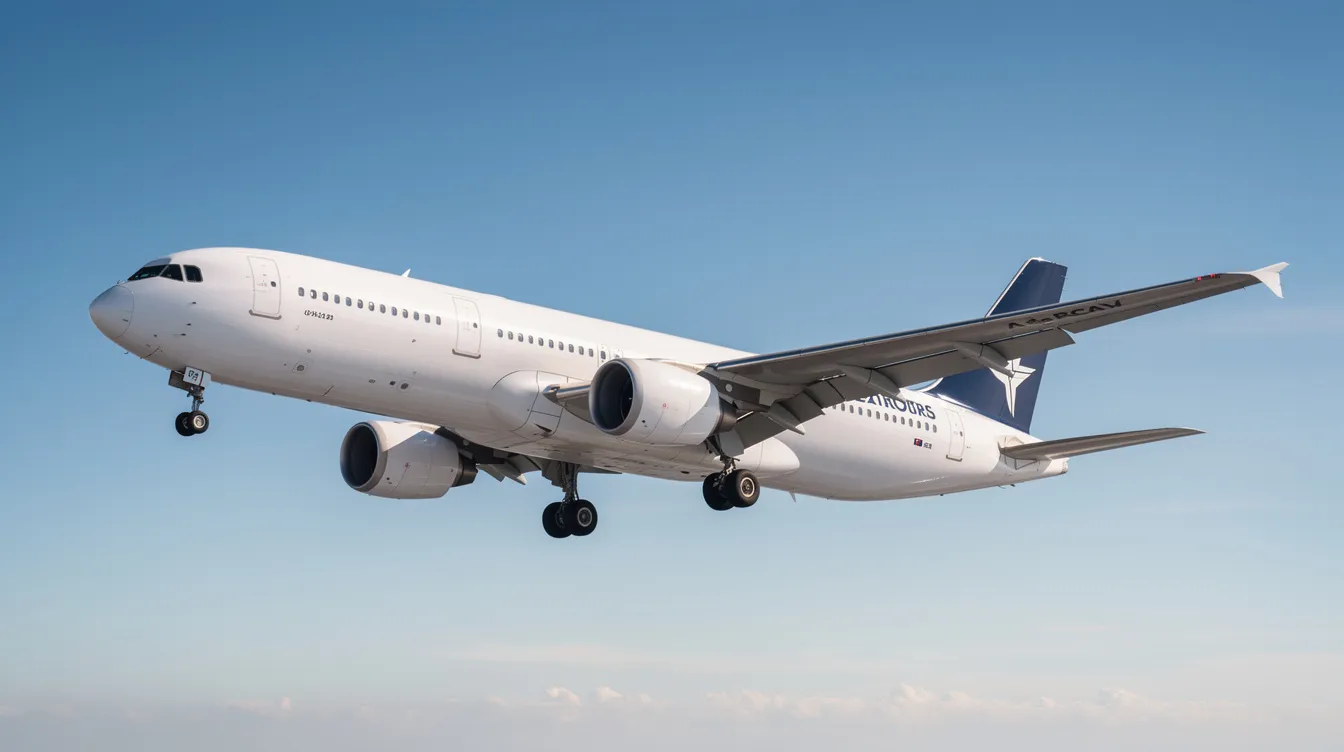
The last major plane crash occurred on June 12, 2025, when Air India Flight AI171, a Boeing 787-8, crashed shortly after takeoff from Ahmedabad, resulting in 241 fatalities. This incident highlights ongoing concerns about aviation safety, despite the rarity of such disasters in the context of millions of flights each year. This article explores recent aviation accidents, their implications, and the importance of understanding risk in air travel.
Jay Franco Serevilla
Nov 8, 2026
|
5
min read
View all
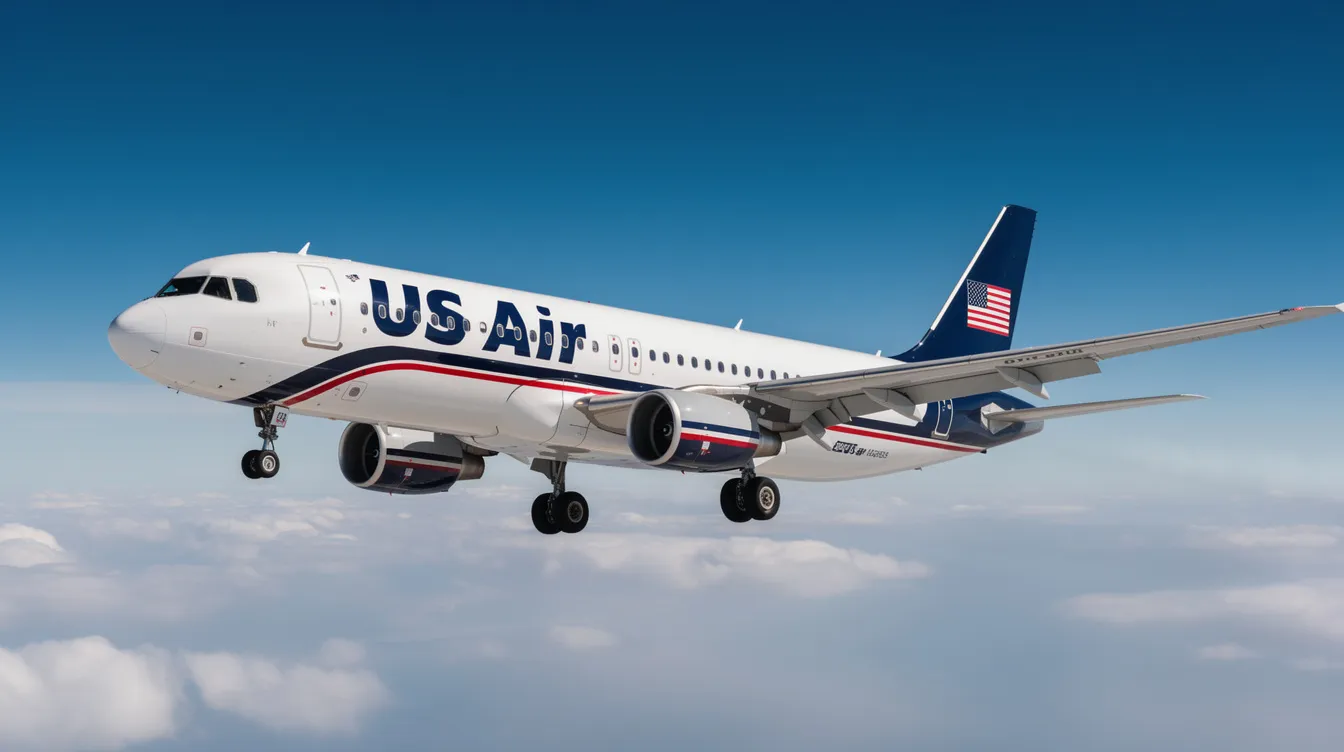
The history of US air disasters highlights both tragedy and the evolution of aviation safety. Major incidents have led to significant regulatory reforms, improving maintenance practices, pilot training, and aircraft design. This article explores key disasters, their causes, and the lessons learned that have shaped modern aviation safety standards.
Jay Franco Serevilla
Nov 8, 2026
|
5
min read

View all
Understanding what happens during a plane crash can alleviate fears about flying. While the odds of experiencing a crash are extremely low, knowing the causes, survival strategies, and the importance of passenger actions can enhance safety. This article provides insights into aviation safety, the factors contributing to crashes, and what passengers can do to prepare.
Jay Franco Serevilla
Nov 6, 2026
|
5
min read

View all
Airbus crashes, though rare, have significant implications for aviation safety. This article reviews major incidents since 2000, highlighting key findings and lessons learned that have shaped safety reforms in the industry. Understanding these events helps travelers make informed choices about air travel and charter services.
Jay Franco Serevilla
Nov 6, 2026
|
5
min read
View all
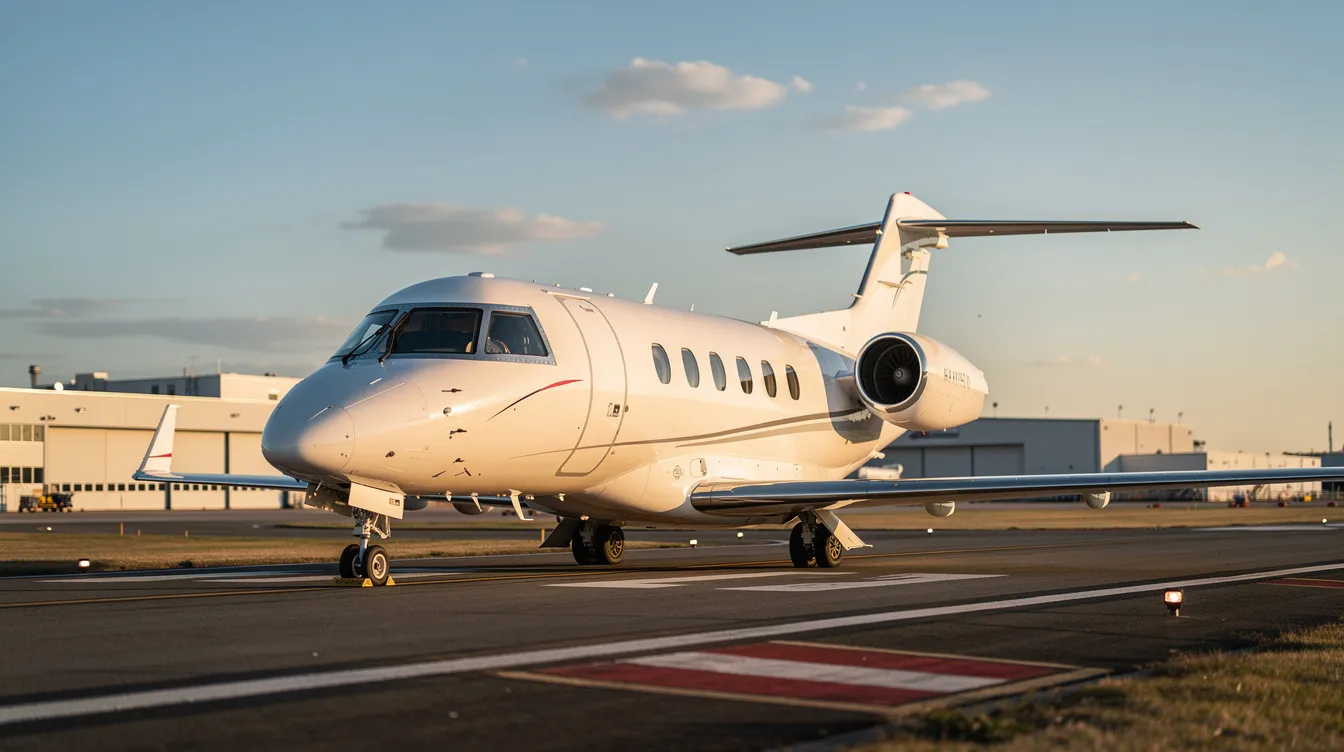
On November 1, 2026, a Learjet 60 tragically crashed near Greenacres, Florida, resulting in the deaths of all nine individuals on board. The victims included a tech entrepreneur, his family, and two pilots, highlighting the critical importance of aviation safety and regulations. Investigators are currently examining various factors, including weather conditions and aircraft maintenance, to determine the cause of the crash.
Jay Franco Serevilla
Nov 6, 2026
|
5
min read
Explore our latest articles and updates.
5
min read
Private Jet Cost for Sale: What Buyers Need to Know in 2026
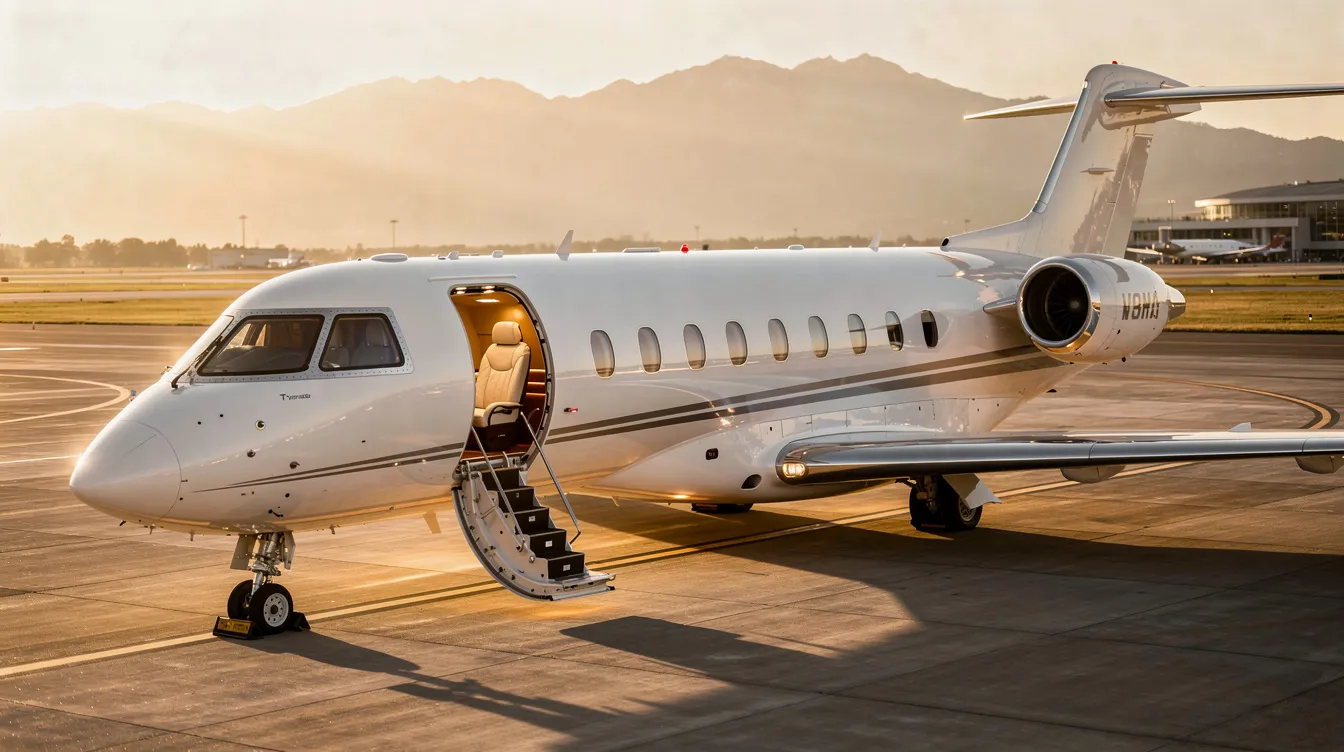
In 2026, understanding the costs associated with private jet ownership is essential for potential buyers. This guide outlines acquisition prices, ongoing expenses, and the benefits of chartering through platforms like Jettly. With costs ranging from hundreds of thousands to over $100 million, buyers must consider both initial investments and substantial annual expenses.
Read More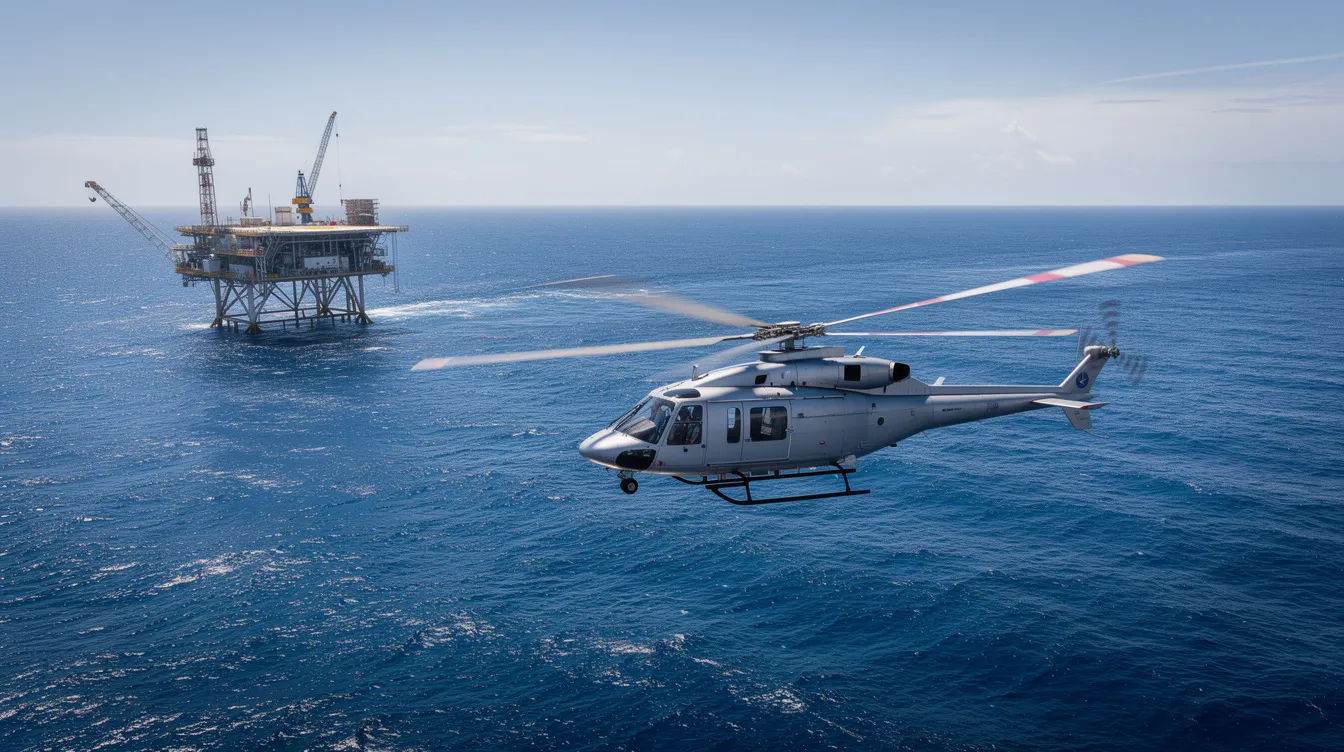
5
min read
How Long Can a Helicopter Stay in the Air? (Endurance, Range & Real-World Examples)
Helicopters typically stay airborne for 2 to 6 hours, depending on their class and mission profile. Factors like fuel capacity, payload, and weather conditions significantly influence their endurance and range. Understanding these aspects is crucial for effective flight planning and operational efficiency.
Read MoreJoin our community and receive the latest blog updates directly in your inbox.
MEMBERSHIPS AND ASSOCIATIONS



© 2026 Jettly Inc. All rights reserved.
Disclaimer: Jettly operates as a charter broker, offering access to a global digital jet charter marketplace. Jettly is not a direct air carrier and does not own or operate aircraft. All advertised flights are conducted by third-party air carriers that are fully licensed and hold the appropriate Part 135 or Part 121 certifications issued by the Federal Aviation Administration (FAA) or equivalent regulatory authorities under U.S. or foreign law. Jettly complies fully with the U.S. Department of Transportation's Part 295 and Part 298 Charter Broker regulations. Jettly does not carry additional liability insurance. Passengers are covered by aircraft operator insurance. TICO: 50023770


