


Login
Get Instant Pricing On 23,000+ Aircraft


San Juan's two main airports, Luis Muñoz Marín International Airport (SJU) and Fernando Luis Ribas Dominicci Airport (SIG), cater to different travel needs, with SJU serving as the primary international gateway and handling 90% of Puerto Rico's air traffic, while SIG focuses on regional flights and private charters. SJU offers extensive commercial and private jet services, featuring multiple terminals and a robust infrastructure, whereas SIG provides quicker access to downtown San Juan and is ideal for short hops to nearby islands. Jettly facilitates private jet bookings to both airports, allowing travelers to compare options based on their itinerary and aircraft requirements. Understanding the distinct advantages of each airport can help travelers optimize their travel plans in and around Puerto Rico.
Jay Franco Serevilla
May 4, 2026
|
5
min read



View all
The term 'cap jet' encompasses both private jet charter services and salary cap discussions in sports, particularly the New York Jets. This article explores how travelers can navigate private jet options while managing budgets, highlighting platforms like Jettly that enhance travel flexibility. It also touches on the industrial applications of cap jets in various fields.
Jay Franco Serevilla
Sep 24, 2026
|
5
min read

View all
Jet management encompasses two distinct areas: private aviation and the music industry. In aviation, it refers to the comprehensive oversight of aircraft operations, while in music, it involves managing artist careers. Platforms like Jettly bridge these worlds by offering accessible private jet charter services, catering to the unique needs of both frequent travelers and touring musicians.
Jay Franco Serevilla
Sep 23, 2026
|
5
min read

View all
Jet Inc. is a family-owned bulk commodity transportation company based in Bolivia, North Carolina, serving the Southeast U.S. since 2007. Specializing in dry bulk and non-hazardous liquid transport, Jet Inc. prioritizes dependable service, safety, and efficient communication to meet the needs of industrial, agricultural, and commercial shippers.
Jay Franco Serevilla
Sep 23, 2026
|
5
min read

View all
Kitplanes have become a popular and accessible option for aircraft ownership in 2026, with over 33,000 homebuilt experimental aircraft now licensed. This guide provides insights into the costs, building process, and travel alternatives, helping aviation enthusiasts make informed decisions about kitplane ownership and when to consider private jet charter services like Jettly.
Jay Franco Serevilla
Sep 23, 2026
|
5
min read
View all
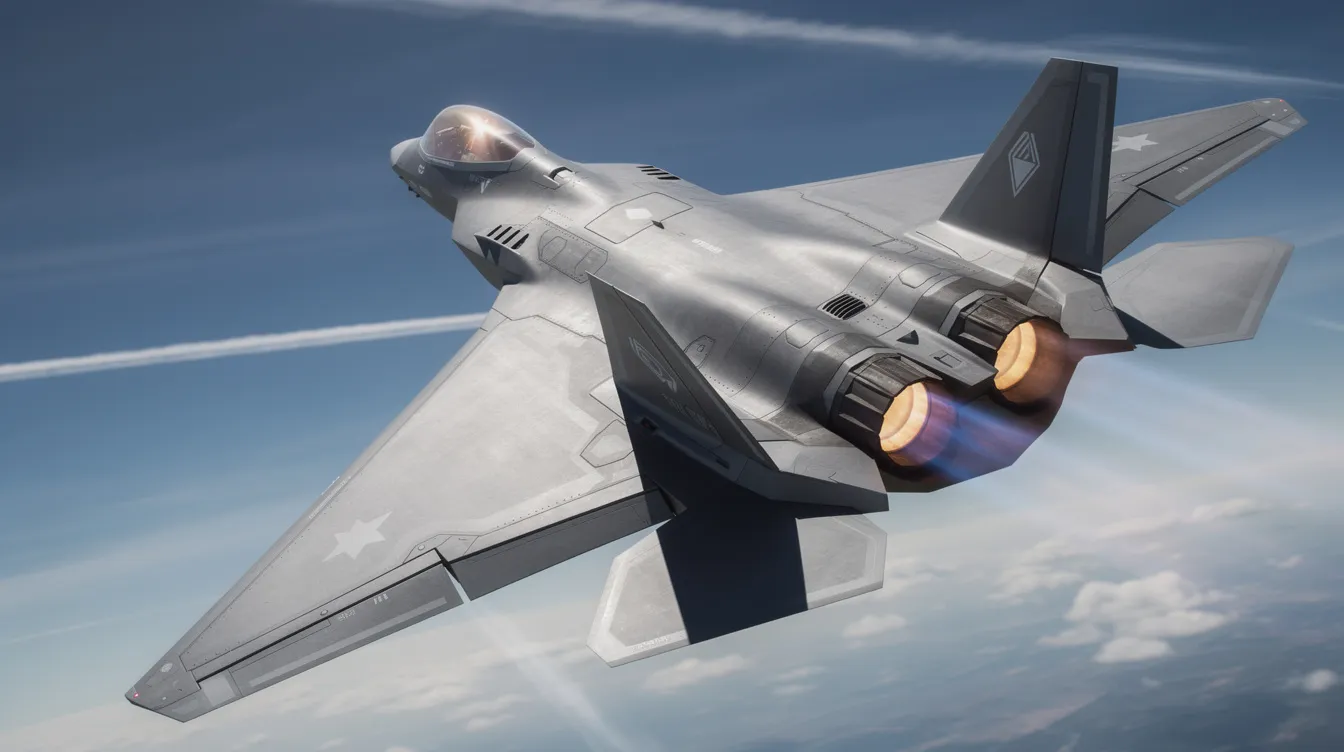
The F-35 Lightning II is recognized as the most advanced fighter jet in 2026, combining cutting-edge stealth technology, sensor fusion, and network-centric warfare capabilities. Its operational maturity and global deployment make it central to modern air combat and international security strategies.
Jay Franco Serevilla
Sep 23, 2026
|
5
min read

View all
Budget airlines have transformed air travel by offering low base fares, but hidden fees can quickly inflate the final cost. This guide explores how these airlines operate, the best options for travelers, and when private charters may provide better value. Understanding the true costs associated with budget airlines is crucial for making informed travel decisions.
Jay Franco Serevilla
Sep 23, 2026
|
5
min read
Explore our latest articles and updates.

5
min read
How Fractional Jet Ownership Works: The Complete Guide
Fractional jet ownership allows individuals or companies to purchase a share of a specific aircraft, typically ranging from 1/16 to 1/2, granting them a proportional number of flight hours annually and access to equivalent aircraft when their own is unavailable. This model provides the benefits of private jet travel, including professional management and operational ease, while reducing the financial burden compared to full ownership. Owners can expect to fly between 50 to 400 hours per year, depending on their share size, and the management company handles all operational aspects under FAA regulations. While fractional ownership requires a significant initial investment and ongoing fees, it offers equity and flexibility, making it suitable for frequent flyers, whereas those flying less may prefer alternatives like jet cards or charter services.
Read More
5
min read
Fractional Jet Ownership Cost: The Complete Pricing Breakdown
Fractional jet ownership in 2026 typically requires an upfront investment of $500,000 to over $1.5 million for a share, along with monthly management fees ranging from $8,000 to $25,000 and hourly flight costs of $4,000 to $9,000, leading to total five-year costs that can exceed $1 million. The structure includes various fees such as acquisition costs, management fees, fuel surcharges, and depreciation, making it essential for potential buyers to understand the complete financial implications. While fractional ownership offers flexibility and access to aircraft, it may not be cost-effective for those flying under 150 hours annually, where alternatives like jet cards could provide better value. A thorough analysis of all costs and usage patterns is crucial for informed decision-making in private aviation investments.
Read MoreJoin our community and receive the latest blog updates directly in your inbox.
MEMBERSHIPS AND ASSOCIATIONS



Disclaimer: Jettly operates as a charter broker, offering access to a global digital jet charter marketplace. Jettly is not a direct air carrier and does not own or operate aircraft. All advertised flights are conducted by third-party air carriers that are fully licensed and hold the appropriate Part 135 or Part 121 certifications issued by the Federal Aviation Administration (FAA) or equivalent regulatory authorities under U.S. or foreign law. Jettly complies fully with the U.S. Department of Transportation's Part 295 and Part 298 Charter Broker regulations. Jettly does not carry additional liability insurance. Passengers are covered by aircraft operator insurance. TICO: 50023770


