



Login
Get Instant Pricing On 23,000+ Aircraft


The Piper Aerostar is a high-performance piston twin-engine aircraft known for its impressive speed, with cruise speeds ranging from 220 to 285 knots depending on the model. Designed by Ted Smith in the 1960s, it set multiple speed records and remains a respected option for fast cross-country flights, although its demanding handling characteristics require skilled piloting. While the Aerostar excels in speed, modern travelers often prefer chartering turboprops or jets that offer greater cabin comfort and operational simplicity, as these aircraft can match or exceed the Aerostar's performance. Understanding the Aerostar's capabilities provides valuable context for evaluating private aviation options today.
Jay Franco Serevilla
Jul 3, 2026
|
5
min read



View all
Most plane crashes occur during critical flight phases, particularly during takeoff, approach, and landing, which account for over 60% of accidents. Understanding these patterns can help travelers make informed decisions about flight safety and choose operators that prioritize safety standards.
Jay Franco Serevilla
Nov 8, 2026
|
5
min read

View all
The last major plane crash occurred on June 12, 2025, when Air India Flight AI171, a Boeing 787-8, crashed shortly after takeoff from Ahmedabad, resulting in 241 fatalities. This incident highlights ongoing concerns about aviation safety, despite the rarity of such disasters in the context of millions of flights each year. This article explores recent aviation accidents, their implications, and the importance of understanding risk in air travel.
Jay Franco Serevilla
Nov 8, 2026
|
5
min read

View all
The history of US air disasters highlights both tragedy and the evolution of aviation safety. Major incidents have led to significant regulatory reforms, improving maintenance practices, pilot training, and aircraft design. This article explores key disasters, their causes, and the lessons learned that have shaped modern aviation safety standards.
Jay Franco Serevilla
Nov 8, 2026
|
5
min read

View all
Understanding what happens during a plane crash can alleviate fears about flying. While the odds of experiencing a crash are extremely low, knowing the causes, survival strategies, and the importance of passenger actions can enhance safety. This article provides insights into aviation safety, the factors contributing to crashes, and what passengers can do to prepare.
Jay Franco Serevilla
Nov 6, 2026
|
5
min read

View all
Airbus crashes, though rare, have significant implications for aviation safety. This article reviews major incidents since 2000, highlighting key findings and lessons learned that have shaped safety reforms in the industry. Understanding these events helps travelers make informed choices about air travel and charter services.
Jay Franco Serevilla
Nov 6, 2026
|
5
min read

View all
On November 1, 2026, a Learjet 60 tragically crashed near Greenacres, Florida, resulting in the deaths of all nine individuals on board. The victims included a tech entrepreneur, his family, and two pilots, highlighting the critical importance of aviation safety and regulations. Investigators are currently examining various factors, including weather conditions and aircraft maintenance, to determine the cause of the crash.
Jay Franco Serevilla
Nov 6, 2026
|
5
min read
Explore our latest articles and updates.

5
min read
Are Airline Tickets Cheaper on Tuesdays? (And What Actually Lowers Your Fare)
The belief that airline tickets are cheaper on Tuesdays is largely a myth in 2026, as prices are now set dynamically based on various factors. Booking windows, travel days, and demand patterns play a more significant role in determining airfare than the specific day of the week. Travelers should focus on flexible booking strategies and timing rather than chasing specific days for the best deals.
Read More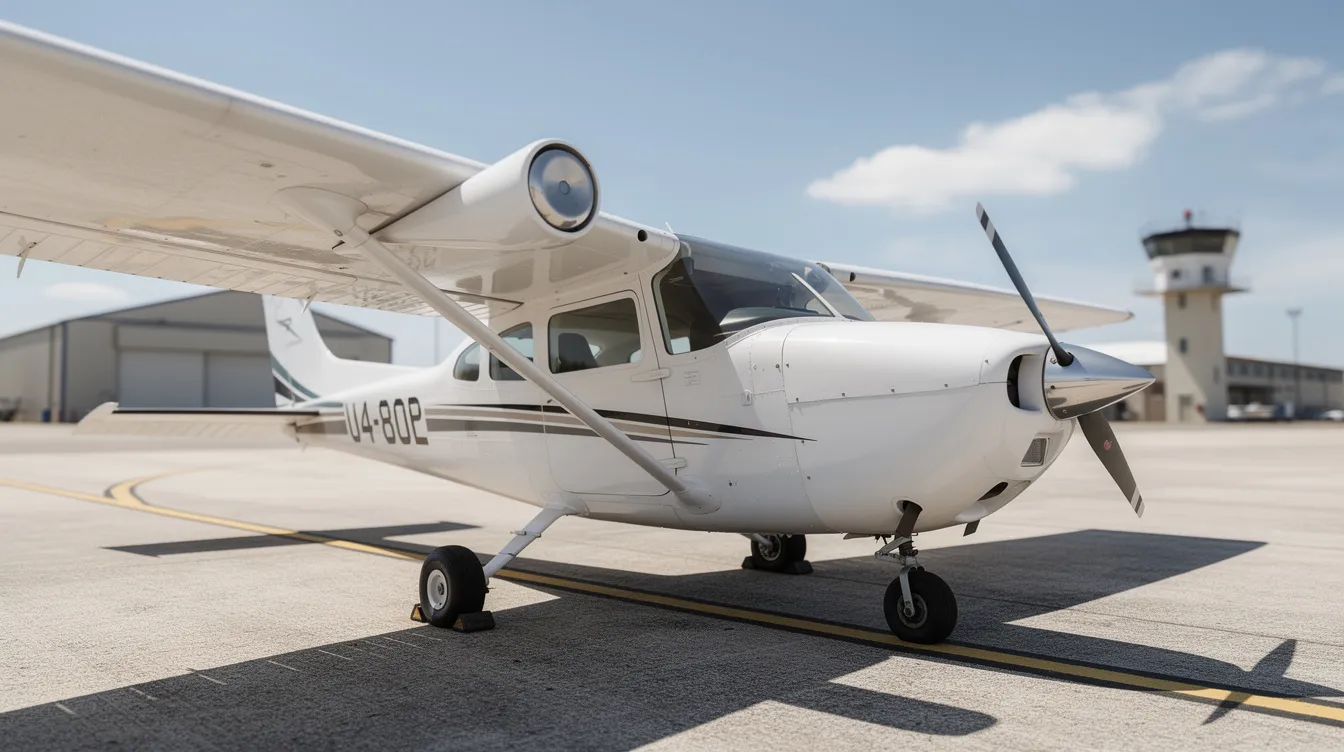
5
min read
Fuel for Cessna 172: Capacity, Consumption, and Safe Fuel Management
Understanding fuel management in the Cessna 172 is crucial for safe flying. This guide covers fuel capacity, consumption, and best practices for effective fuel planning, essential for both student pilots and experienced aviators. Proper fuel management habits learned in the 172 apply directly to larger aircraft operations.
Read MoreJoin our community and receive the latest blog updates directly in your inbox.
MEMBERSHIPS AND ASSOCIATIONS



© 2026 Jettly Inc. All rights reserved.
Disclaimer: Jettly operates as a charter broker, offering access to a global digital jet charter marketplace. Jettly is not a direct air carrier and does not own or operate aircraft. All advertised flights are conducted by third-party air carriers that are fully licensed and hold the appropriate Part 135 or Part 121 certifications issued by the Federal Aviation Administration (FAA) or equivalent regulatory authorities under U.S. or foreign law. Jettly complies fully with the U.S. Department of Transportation's Part 295 and Part 298 Charter Broker regulations. Jettly does not carry additional liability insurance. Passengers are covered by aircraft operator insurance. TICO: 50023770


