


Login
Get Instant Pricing On 23,000+ Aircraft

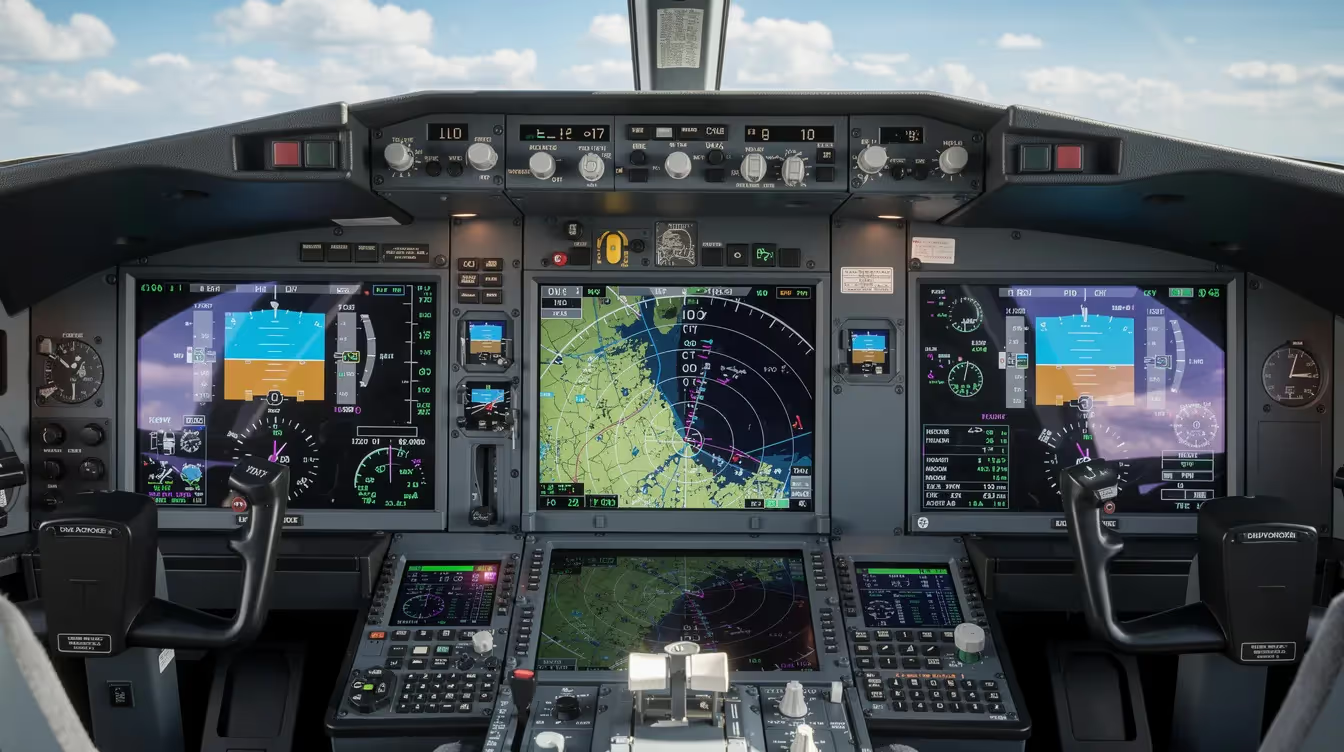
In 2026, the demand for private aviation remains high, influencing both the purchase prices of small aircraft and charter rates. Ownership of a small plane can cost between $30,000 and over $500,000 initially, with annual operating costs reaching $16,000 to $30,000, making chartering via platforms like Jettly more cost-effective for those flying fewer than 100 hours a year. Charter rates start at approximately $300 per hour for piston aircraft and can exceed $4,000 for light jets, with options like empty leg flights offering significant savings. For occasional travelers, chartering provides flexibility and eliminates the fixed costs associated with ownership, making it a more appealing choice for many.
Jay Franco Serevilla
Apr 18, 2026
|
5
min read



View all
The market for very light jets (VLJs) is rapidly expanding, offering a cost-effective entry into business aviation. This guide explores the benefits of ownership versus chartering, highlighting the efficiency and flexibility of VLJs for business and leisure travel. With options like Jettly, travelers can access these jets without the burdens of ownership, making private aviation more accessible than ever.
Jeff Ryan Serevilla
Sep 20, 2026
|
5
min read
View all
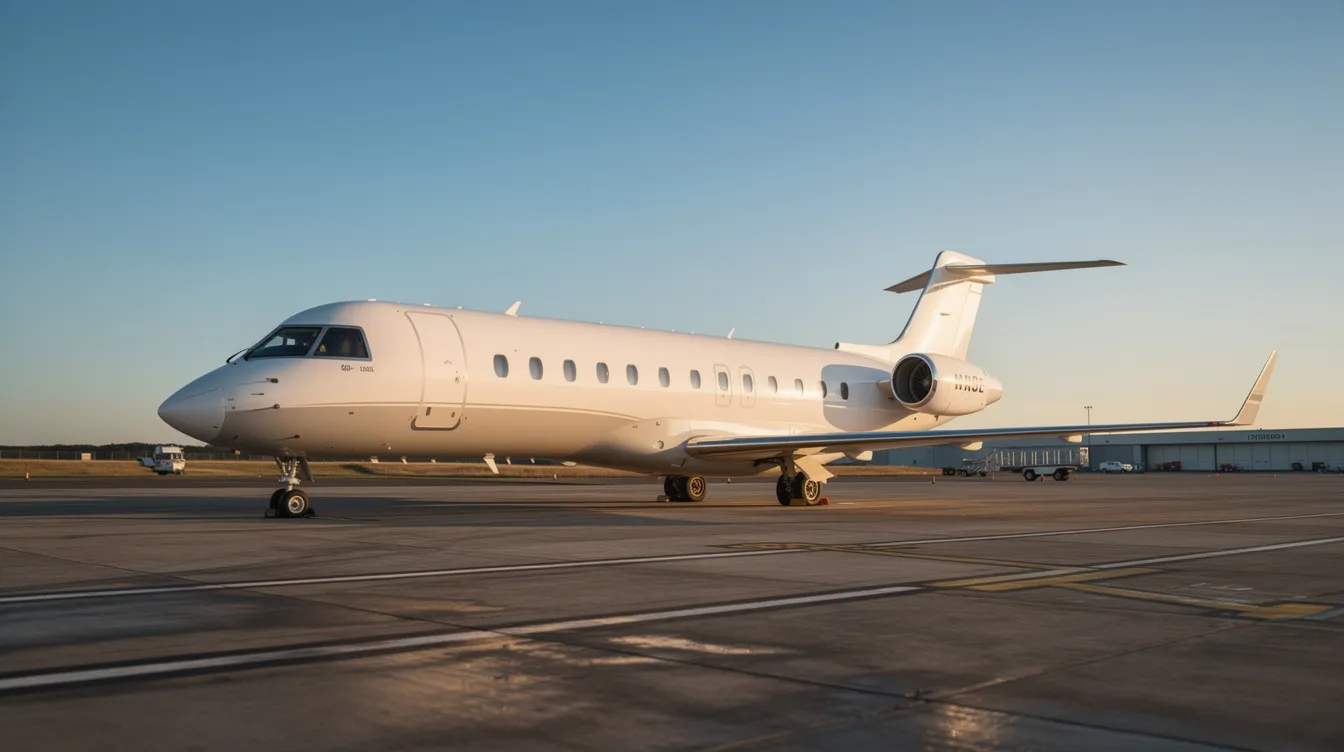
The Gulfstream G700 is a premier ultra-long-range private jet with a list price ranging from $75 million to $81 million, often exceeding $90 million due to customization and demand. For high-net-worth individuals and corporations, understanding the ownership costs versus chartering options through Jettly is crucial for making informed decisions about private aviation.
Jeff Ryan Serevilla
Sep 20, 2026
|
5
min read
View all
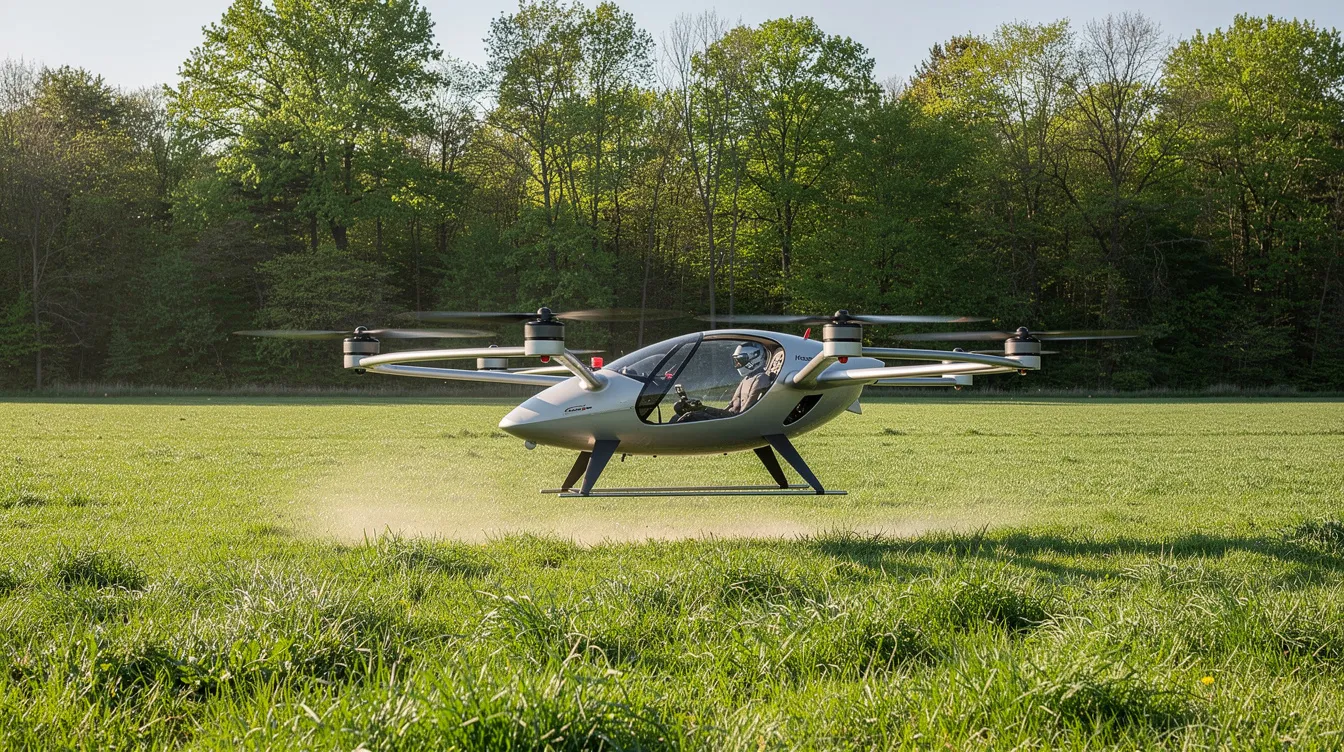
VTOL personal aircraft, or eVTOLs, are revolutionizing air mobility by providing vertical takeoff and landing capabilities without the need for runways. These electric aircraft bridge the gap between ground transportation and private jet travel, offering a new category of personal aviation for short hops. As technology matures, eVTOLs are expected to integrate seamlessly with private jet operations, enhancing travel efficiency.
Jeff Ryan Serevilla
Sep 20, 2026
|
5
min read
View all
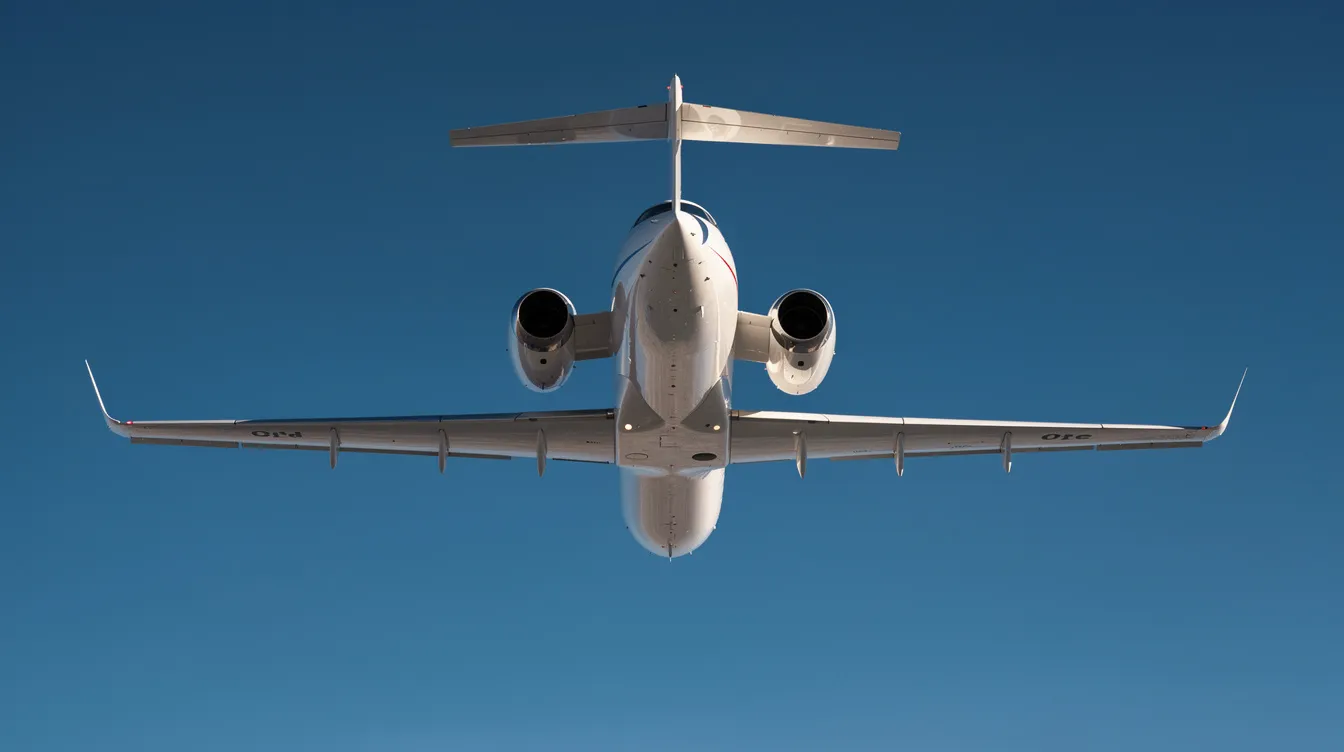
The C-21 plane, a military variant of the Learjet 35A, has been a reliable light transport aircraft for the USAF since 1984, serving various missions including passenger airlift and aeromedical evacuation. With impressive speed and range, it continues to play a vital role in military logistics, while civilians can access similar performance through private jet charters like the Learjet 35A.
Jeff Ryan Serevilla
Sep 20, 2026
|
5
min read

View all
Private jets increasingly offer WiFi, becoming essential for both business and leisure travelers. Connectivity options vary by aircraft type, age, and installed technology, impacting performance and costs. Understanding these factors helps travelers choose the right jet for their connectivity needs.
Jeff Ryan Serevilla
Sep 20, 2026
|
5
min read
View all
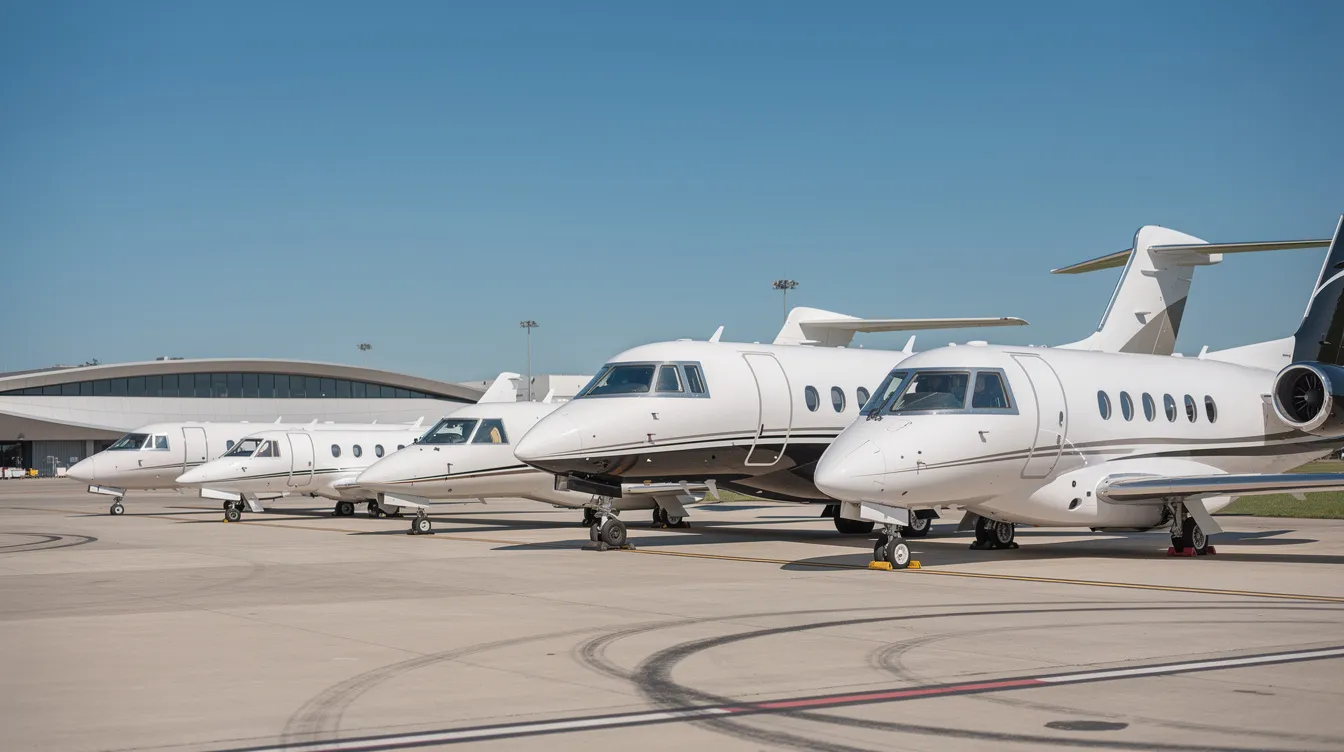
In 2026, flying private can be more affordable than expected, with various options available for different budgets. This guide explores pricing by aircraft size, route, and trip type, helping travelers find the best value for private jet travel. Discover how to navigate the charter market and access cost-effective private aviation solutions.
Jeff Ryan Serevilla
Sep 20, 2026
|
5
min read
Explore our latest articles and updates.
5
min read
Salary of a Co-Pilot in 2026: What First Officers Really Earn
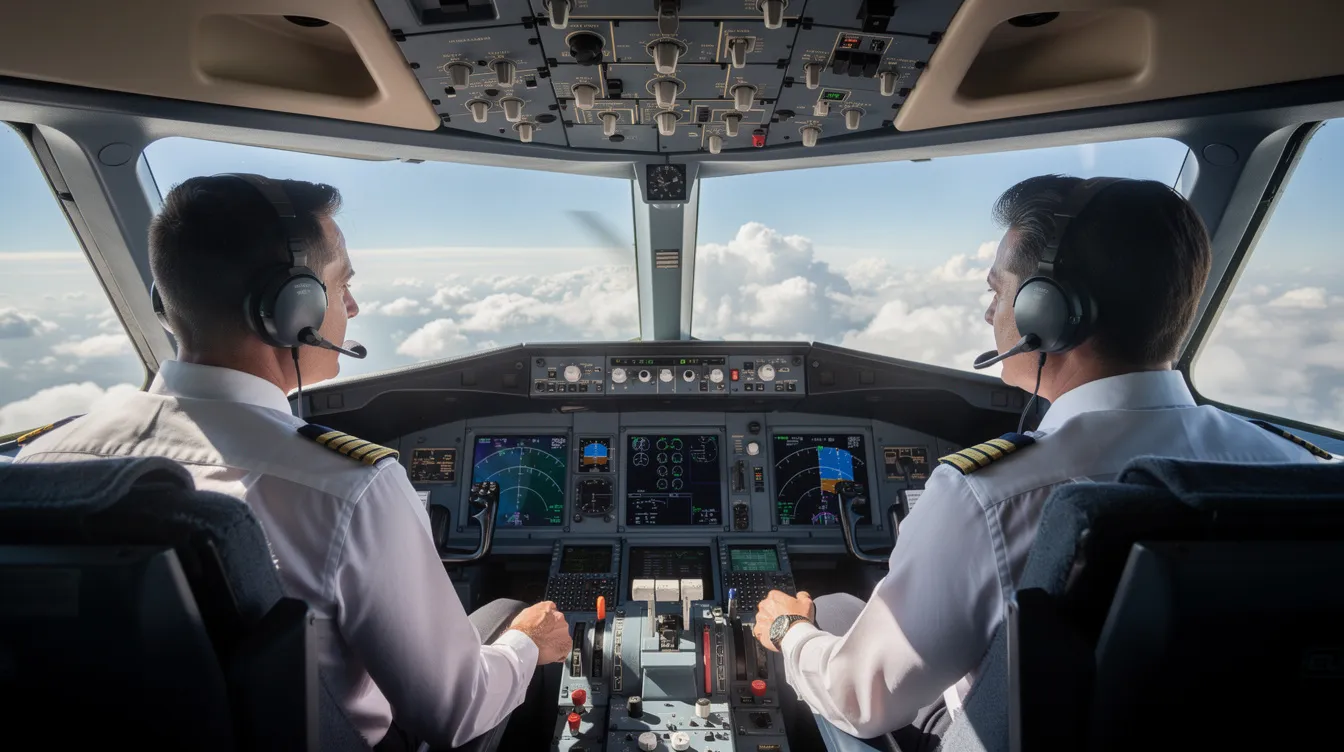
In 2026, co-pilot salaries vary significantly based on airline type, experience, and aircraft, with first-year regional co-pilots earning between $70,000 and $90,000, while those at major airlines can make $100,000 to $155,000, and experienced pilots on widebody aircraft can exceed $200,000. The average salary for co-pilots in the U.S. is approximately $130,916, with potential total compensation reaching up to $450,000 for senior captains. Factors influencing pay include seniority, aircraft type, and airline contracts, with cargo airlines and private jet charters often offering higher compensation. The demand for pilots is expected to remain strong through the 2030s, making co-pilot careers financially rewarding and stable.
Read More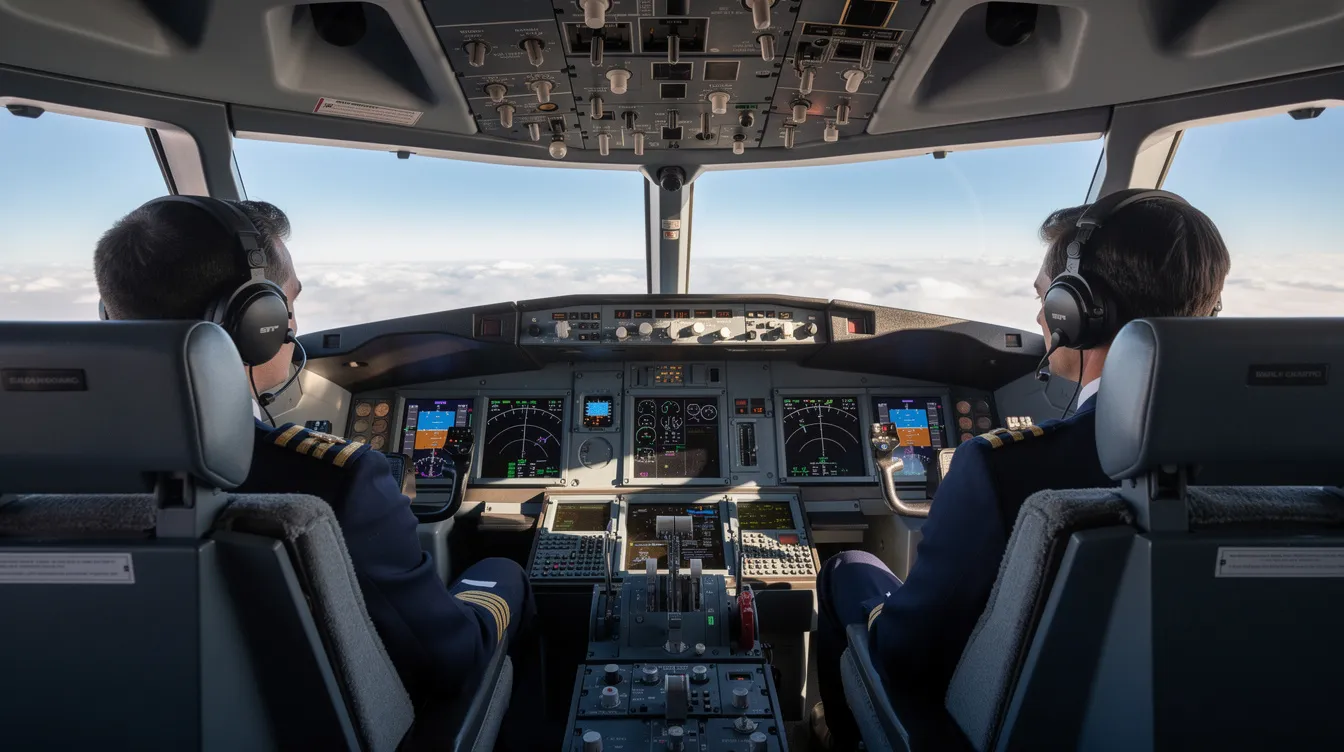
5
min read
How Much Does a Pilot Make in 2026? (Airline & Commercial Pilot Salary Guide)
In 2026, airline and commercial pilots are expected to earn significantly higher salaries, with average earnings for airline pilots exceeding $200,000 and experienced pilots at major carriers potentially earning between $300,000 and $450,000 or more. The median annual wage for airline pilots is projected at approximately $226,600, while commercial pilots earn around $122,670. Factors influencing pilot salaries include employer type, aircraft size, rank, and geographic location, with major airlines offering the best compensation packages. Despite high training costs, the strong demand for pilots and rising salaries make pursuing a career in aviation financially attractive.
Read MoreJoin our community and receive the latest blog updates directly in your inbox.
MEMBERSHIPS AND ASSOCIATIONS



Disclaimer: Jettly operates as a charter broker, offering access to a global digital jet charter marketplace. Jettly is not a direct air carrier and does not own or operate aircraft. All advertised flights are conducted by third-party air carriers that are fully licensed and hold the appropriate Part 135 or Part 121 certifications issued by the Federal Aviation Administration (FAA) or equivalent regulatory authorities under U.S. or foreign law. Jettly complies fully with the U.S. Department of Transportation's Part 295 and Part 298 Charter Broker regulations. Jettly does not carry additional liability insurance. Passengers are covered by aircraft operator insurance. TICO: 50023770


