


Login
Get Instant Pricing On 23,000+ Aircraft

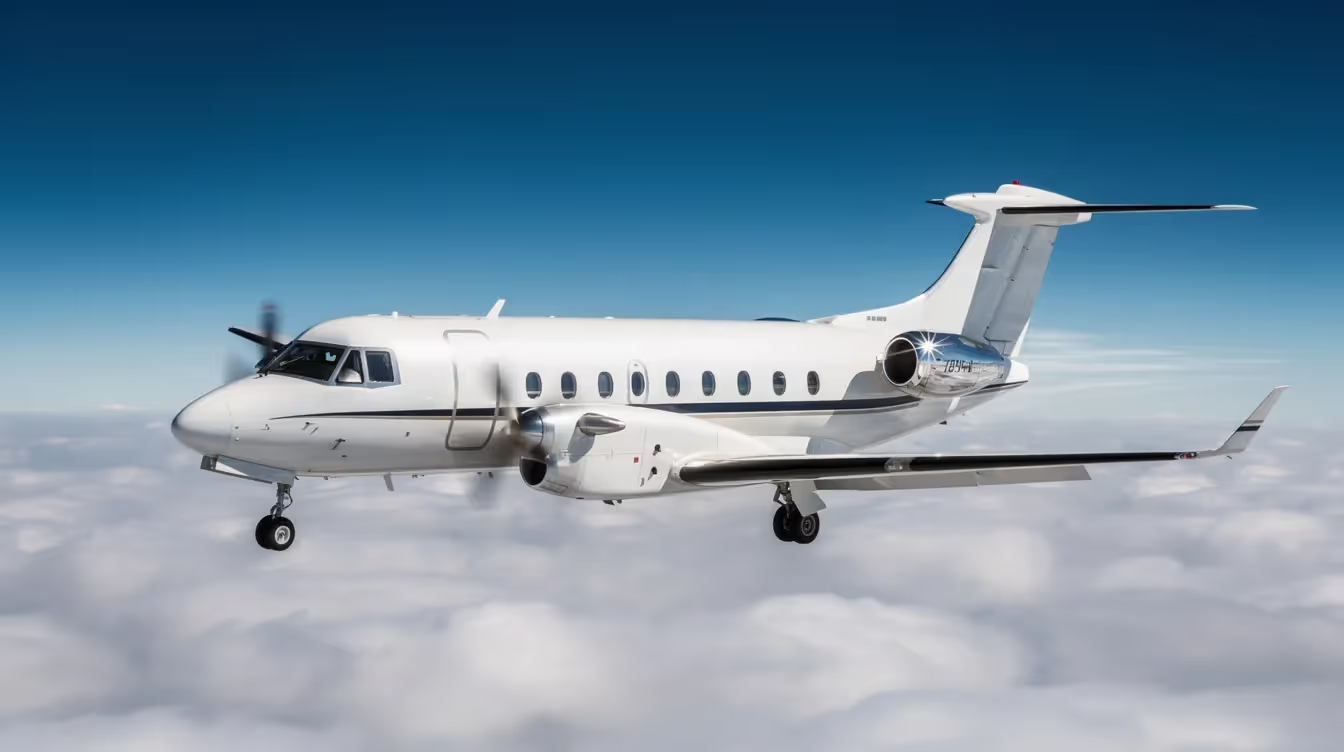
The Falcon 20, first flown in 1963, was Dassault Aviation's inaugural business jet, establishing a legacy that influenced modern private aviation. With a seating capacity of 8-10 passengers and a range exceeding 2,000 kilometers, it served various roles, including corporate transport and cargo operations, notably with FedEx. Although production ended in 1988, some upgraded models remain in service, though newer jets typically offer better fuel efficiency and modern amenities. Jettly provides a digital marketplace for private jet charters, helping travelers compare options and find suitable aircraft for their needs.
Jay Franco Serevilla
Apr 18, 2026
|
5
min read



View all
Cleveland Jet Charter offers travelers the flexibility and convenience of private flights to and from Cleveland, Ohio. With access to over 20,000 aircraft globally, Jettly simplifies the booking process, allowing clients to choose their departure times and aircraft without long-term commitments. Ideal for business or leisure travel, private jet charters provide enhanced privacy and productivity.
Jeff Ryan Serevilla
Sep 22, 2026
|
5
min read

View all
A transatlantic flight is any air journey that crosses the Atlantic Ocean, connecting continents like North America and Europe. This guide explores the history, modern routes, and private jet options for transatlantic travel, highlighting the evolution from early flights to today's efficient services. Jettly offers insights into planning and booking private transatlantic flights, ensuring flexibility and comfort for travelers.
Jeff Ryan Serevilla
Sep 22, 2026
|
5
min read

View all
Flying by private jet to Greece offers travelers direct access to both the mainland and islands, significantly reducing travel time compared to commercial flights. With over 40 airports available, private jets provide flexibility, privacy, and customized in-flight experiences. Jettly's platform simplifies the booking process, offering instant pricing and access to a wide range of aircraft.
Jeff Ryan Serevilla
Sep 22, 2026
|
5
min read
View all
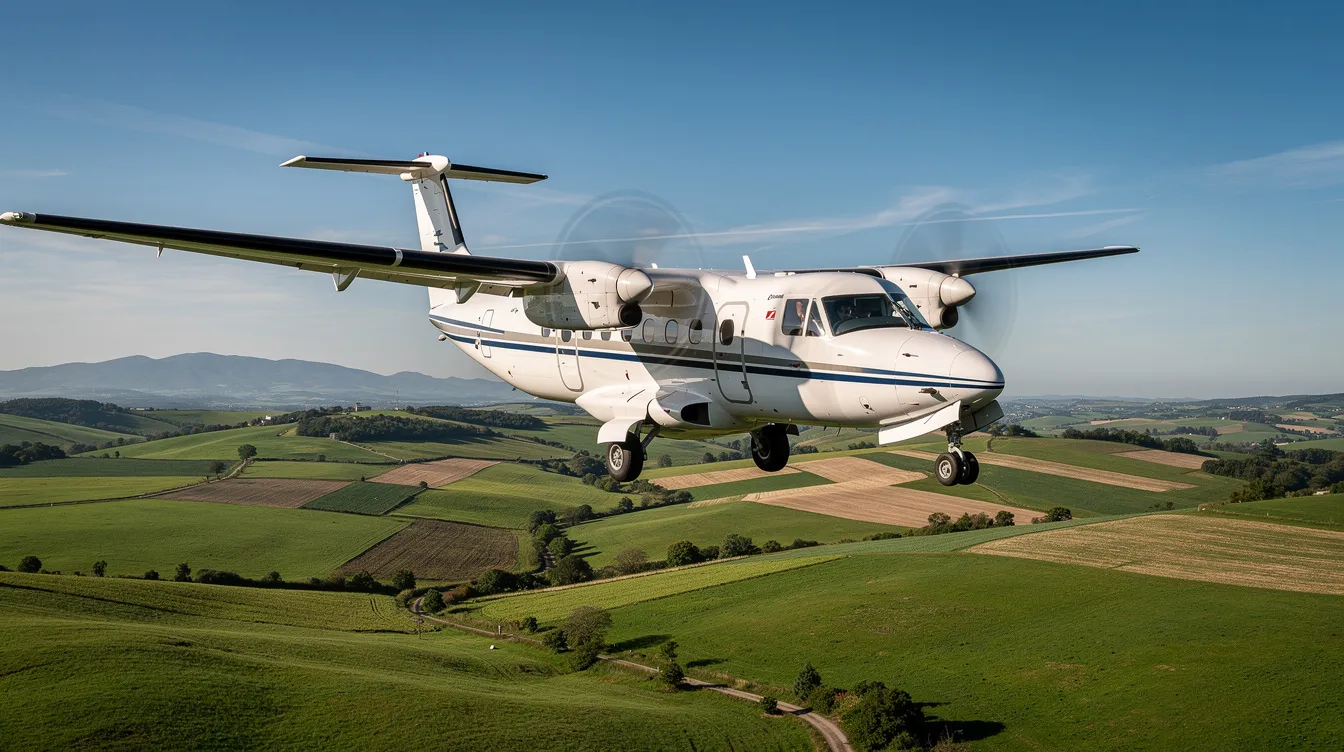
Propeller planes are increasingly relevant in modern private aviation, offering cost-effective solutions for regional and remote flights. They excel in accessing short and unpaved runways, making them ideal for connecting communities that jets cannot reach. This guide explores the advantages of propeller aircraft, their operational mechanics, and how they compare to jets.
Jeff Ryan Serevilla
Sep 22, 2026
|
5
min read
View all
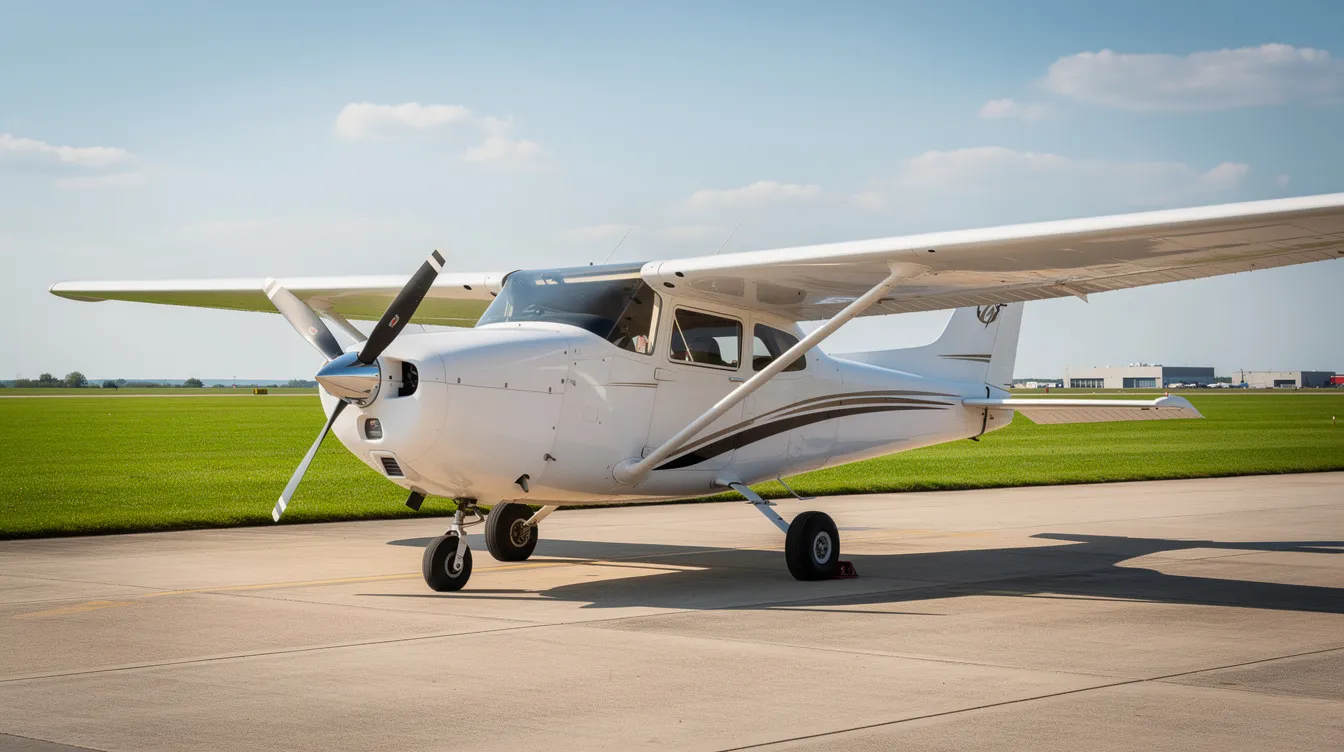
This comprehensive guide explores the insurance costs for Cessna 172 owners in 2026, detailing typical premiums and factors that influence rates. With costs ranging from $150 to $1,400 annually for private pilots, the guide also offers practical tips for managing expenses while ensuring adequate coverage.
Jeff Ryan Serevilla
Sep 22, 2026
|
5
min read

View all
The Cirrus Vision Jet boasts a maximum cruise speed of 311 knots, making it a competitive choice for regional travel. This guide explores its performance, safety features, and how charter users can leverage its capabilities through platforms like Jettly. Understanding cruise speed is essential for effective trip planning and maximizing the jet experience.
Jeff Ryan Serevilla
Sep 22, 2026
|
5
min read
Explore our latest articles and updates.
5
min read
Charter Broker: How Private Jet Charter Services Work in Modern Private Aviation
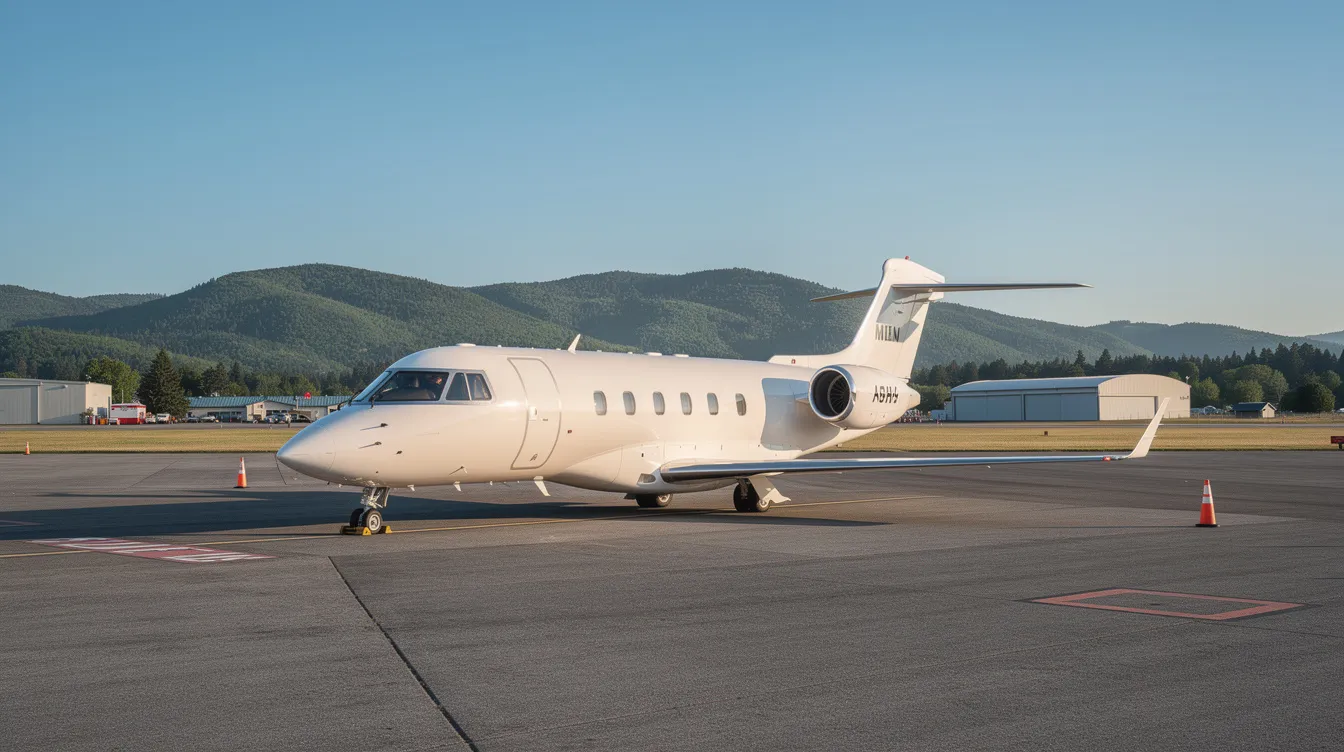
Charter brokers serve as intermediaries between travelers and private jet operators, simplifying the booking process and providing access to a wide range of aircraft. Jettly, a digital charter broker marketplace, offers instant pricing and access to over 20,000 aircraft globally, ensuring clients find the best options without long-term commitments. By leveraging technology, Jettly enhances the private aviation experience with transparent pricing and 24/7 support.
Read More
5
min read
Turboprop Charter Prices: What You'll Really Pay Per Hour and Per Trip
Turboprop charter prices in North America and Europe range from $1,200 to $3,000 per hour, making them a cost-effective choice for regional flights. Premium models can reach up to $5,000 per hour during peak demand. Jettly's platform offers transparent pricing and instant comparisons across various aircraft options.
Read MoreJoin our community and receive the latest blog updates directly in your inbox.
MEMBERSHIPS AND ASSOCIATIONS



Disclaimer: Jettly operates as a charter broker, offering access to a global digital jet charter marketplace. Jettly is not a direct air carrier and does not own or operate aircraft. All advertised flights are conducted by third-party air carriers that are fully licensed and hold the appropriate Part 135 or Part 121 certifications issued by the Federal Aviation Administration (FAA) or equivalent regulatory authorities under U.S. or foreign law. Jettly complies fully with the U.S. Department of Transportation's Part 295 and Part 298 Charter Broker regulations. Jettly does not carry additional liability insurance. Passengers are covered by aircraft operator insurance. TICO: 50023770


