


Login
Get Instant Pricing On 23,000+ Aircraft


Chartering a private jet to Asia provides direct access to key business hubs and luxury destinations, with Jettly offering a network of over 23,000 aircraft worldwide. Intra-Asia flights typically range from USD 8,000–15,000 for shorter routes, while long-haul flights from North America or Europe can cost between USD 120,000–250,000+. Jettly's platform allows for quick bookings, transparent pricing, and customized itineraries, making it ideal for both corporate and leisure travel. Key destinations include Tokyo, Singapore, Hong Kong, and Bali, with the added benefit of avoiding lengthy commercial flight connections.
Jay Franco Serevilla
Mar 31, 2026
|
5
min read



View all
The Fokker F100 is a versatile regional jet available for purchase or charter. With a capacity of up to 122 passengers, it offers a cost-effective solution for organizations needing reliable air travel. This guide explores the intricacies of buying, chartering, and operating the Fokker 100, helping you make an informed decision.
Jeff Ryan Serevilla
Sep 24, 2026
|
5
min read

View all
The N701DB is a 1987 Gulfstream G-IV heavy jet known for its impressive range and speed, making it a popular choice for private charters. With advanced avionics and spacious cabins, it caters to both executive and group travel needs. Available for charter through Jettly, this aircraft offers a seamless booking experience and instant pricing for travelers seeking luxury in the skies.
Jeff Ryan Serevilla
Sep 24, 2026
|
5
min read

View all
N550AG is a 2011 Gulfstream G550, known for its ultra-long-range capabilities and luxurious amenities. This article provides insights into its registration, specifications, and how to charter similar aircraft through platforms like Jettly. With a maximum range of 6,750 nautical miles, the G550 is ideal for both corporate and leisure travel.
Jeff Ryan Serevilla
Sep 24, 2026
|
5
min read

View all
The term 'cap jet' encompasses both private jet charter services and salary cap discussions in sports, particularly the New York Jets. This article explores how travelers can navigate private jet options while managing budgets, highlighting platforms like Jettly that enhance travel flexibility. It also touches on the industrial applications of cap jets in various fields.
Jay Franco Serevilla
Sep 24, 2026
|
5
min read

View all
Jet management encompasses two distinct areas: private aviation and the music industry. In aviation, it refers to the comprehensive oversight of aircraft operations, while in music, it involves managing artist careers. Platforms like Jettly bridge these worlds by offering accessible private jet charter services, catering to the unique needs of both frequent travelers and touring musicians.
Jay Franco Serevilla
Sep 23, 2026
|
5
min read

View all
Jet Inc. is a family-owned bulk commodity transportation company based in Bolivia, North Carolina, serving the Southeast U.S. since 2007. Specializing in dry bulk and non-hazardous liquid transport, Jet Inc. prioritizes dependable service, safety, and efficient communication to meet the needs of industrial, agricultural, and commercial shippers.
Jay Franco Serevilla
Sep 23, 2026
|
5
min read
Explore our latest articles and updates.
5
min read
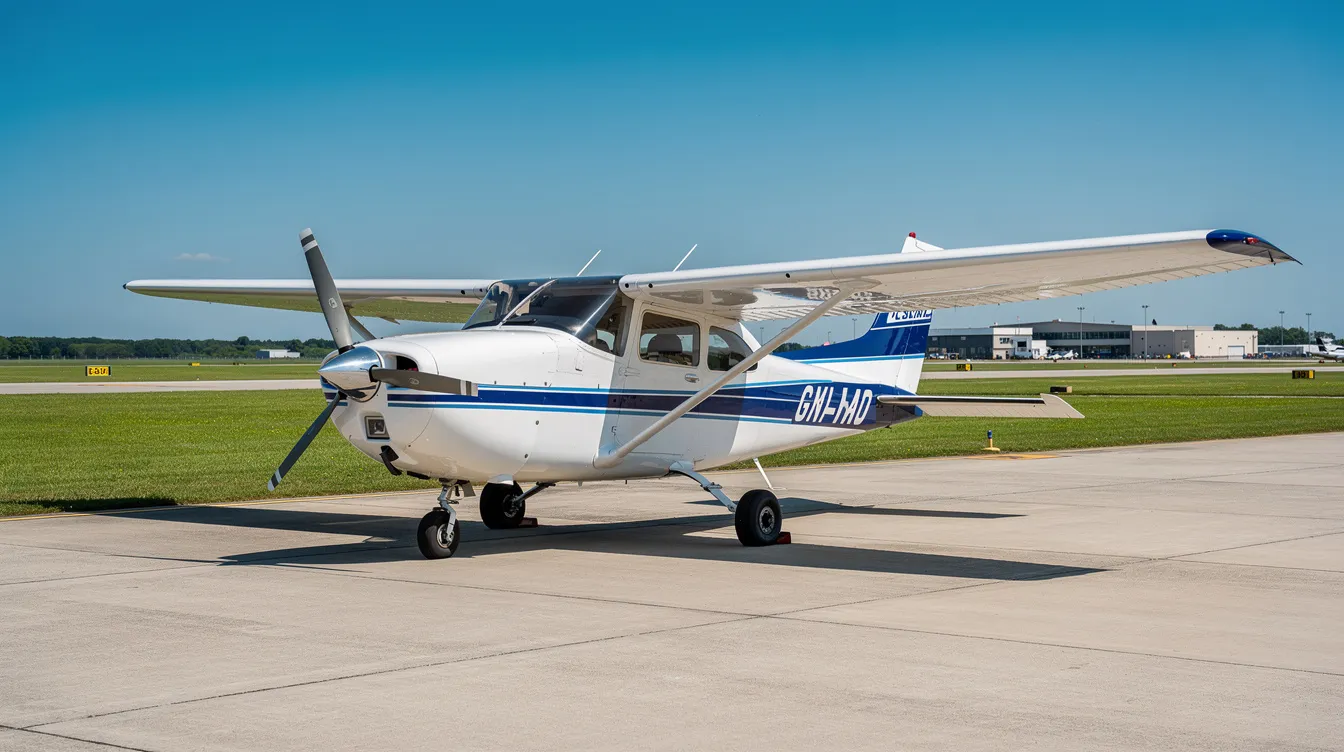
Cost of a New Cessna in 2026: Prices, Operating Costs, and Smarter Alternatives
In 2026, the cost of a new Cessna ranges from approximately $480,000 for a Cessna 172S Skyhawk to over $1,100,000 for a Turbo Stationair HD. Buyers should also consider annual operating costs, which can exceed $50,000, and the potential benefits of chartering through platforms like Jettly for those flying less frequently.
Read More
5
min read
Conexon Jet Turbulence Incident: What Happened and What It Means for Private Jet Safety
The Conexon jet incident on March 3, 2023, involved a Bombardier Challenger 300 that experienced a fatal in-flight upset, initially attributed to severe turbulence. However, investigations revealed a complex interplay of human error and procedural failures, emphasizing the importance of safety protocols in private aviation. This incident serves as a critical reminder for passengers about the significance of wearing seat belts and understanding flight safety measures.
Read MoreJoin our community and receive the latest blog updates directly in your inbox.
MEMBERSHIPS AND ASSOCIATIONS



Disclaimer: Jettly operates as a charter broker, offering access to a global digital jet charter marketplace. Jettly is not a direct air carrier and does not own or operate aircraft. All advertised flights are conducted by third-party air carriers that are fully licensed and hold the appropriate Part 135 or Part 121 certifications issued by the Federal Aviation Administration (FAA) or equivalent regulatory authorities under U.S. or foreign law. Jettly complies fully with the U.S. Department of Transportation's Part 295 and Part 298 Charter Broker regulations. Jettly does not carry additional liability insurance. Passengers are covered by aircraft operator insurance. TICO: 50023770


