


Login
Get Instant Pricing On 23,000+ Aircraft


The Hawker XP 400, encompassing the 400XP and upgraded 400XPR models, is a well-established light business jet known for its spacious cabin and efficient performance, ideal for regional travel. With a seating capacity of six to seven passengers and a maximum range of approximately 1,400 to 1,950 nautical miles, it competes effectively with other light jets like the Cessna Citation and Learjet. The aircraft features a flat floor design, modern amenities, and access to smaller airports, enhancing convenience for charter travelers. Jettly provides a user-friendly platform for booking these jets, offering transparent pricing and the ability to filter for specific amenities.
Jay Franco Serevilla
Mar 31, 2026
|
5
min read



View all
The Douglas DC-9 revolutionized regional air travel with its efficient design and quick turnaround capabilities, serving as a vital link for short-haul routes. Although most DC-9s are retired, their legacy continues in modern private jet charters, which offer enhanced comfort and flexibility for travelers. Jettly connects clients with a diverse fleet of aircraft that embody the DC-9's mission of fast, point-to-point flying.
Jeff Ryan Serevilla
Sep 25, 2026
|
5
min read

View all
Private jet travel is extending well beyond the traditional summer peak as high-net-worth travelers increasingly shift trips into September, October, and November. Cooler temperatures, reduced airport congestion, better resort access, and greater scheduling flexibility are driving demand across destinations such as the French Riviera, Greek Islands, Southern Italy, and North American resort markets. For travelers who do not require the commitment of aircraft ownership, on-demand private charter offers a flexible way to capitalize on the growing shoulder-season travel trend.
Jeff Ryan Serevilla
Sep 24, 2026
|
5
min read
View all
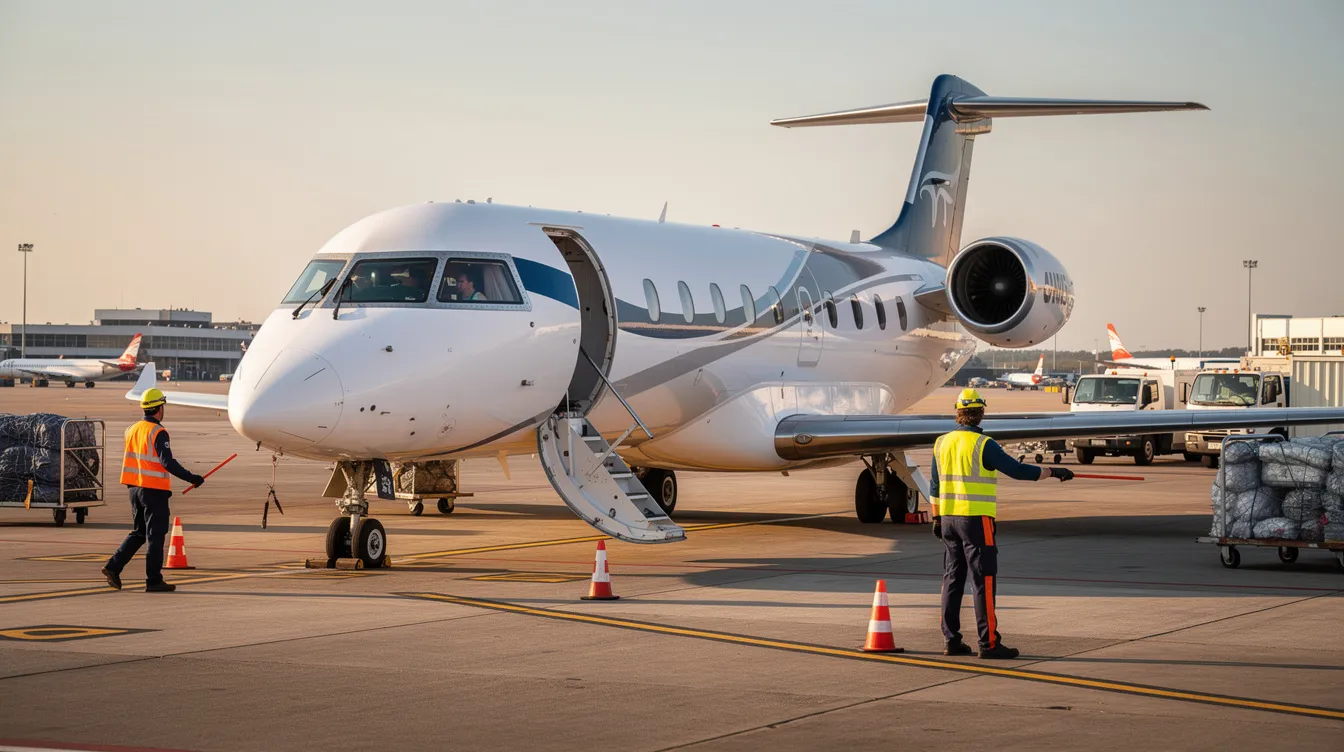
The Fokker F100 is a versatile regional jet available for purchase or charter. With a capacity of up to 122 passengers, it offers a cost-effective solution for organizations needing reliable air travel. This guide explores the intricacies of buying, chartering, and operating the Fokker 100, helping you make an informed decision.
Jeff Ryan Serevilla
Sep 24, 2026
|
5
min read

View all
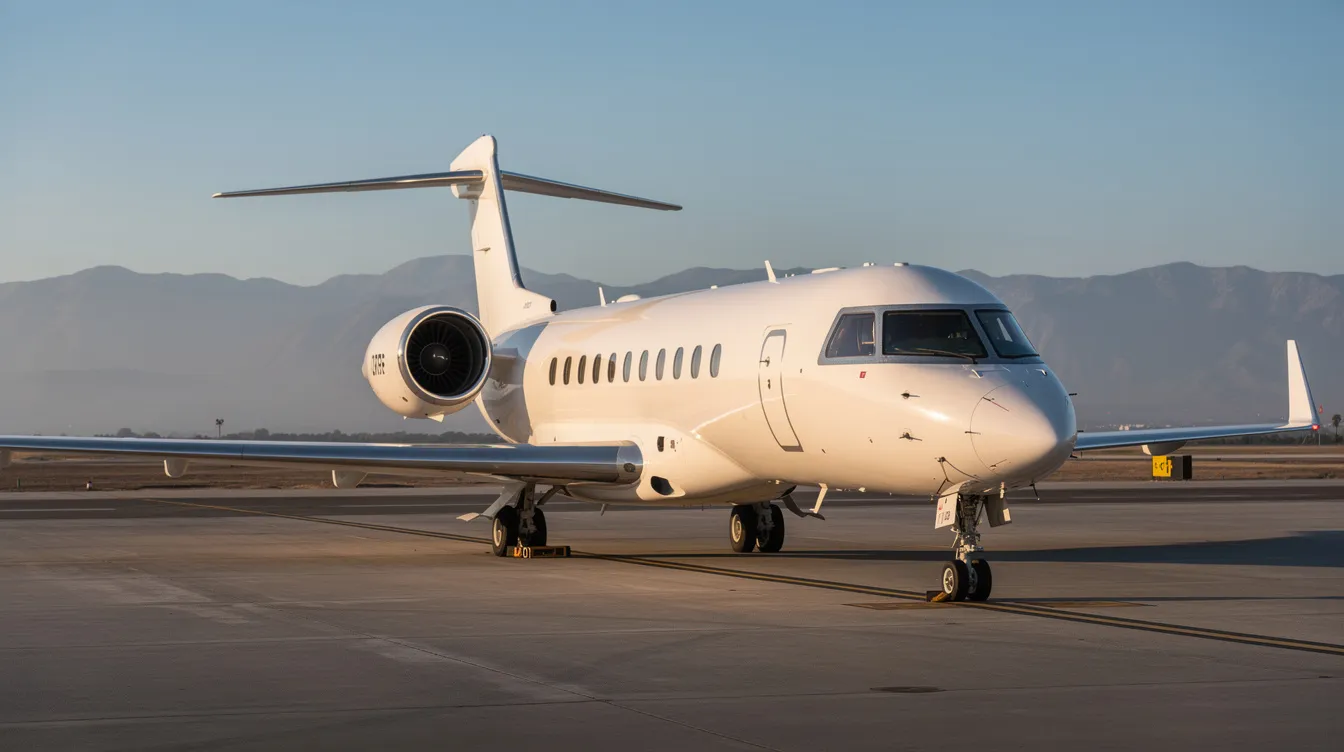
The N701DB is a 1987 Gulfstream G-IV heavy jet known for its impressive range and speed, making it a popular choice for private charters. With advanced avionics and spacious cabins, it caters to both executive and group travel needs. Available for charter through Jettly, this aircraft offers a seamless booking experience and instant pricing for travelers seeking luxury in the skies.
Jeff Ryan Serevilla
Sep 24, 2026
|
5
min read
View all
N550AG is a 2011 Gulfstream G550, known for its ultra-long-range capabilities and luxurious amenities. This article provides insights into its registration, specifications, and how to charter similar aircraft through platforms like Jettly. With a maximum range of 6,750 nautical miles, the G550 is ideal for both corporate and leisure travel.
Jeff Ryan Serevilla
Sep 24, 2026
|
5
min read

View all
The term 'cap jet' encompasses both private jet charter services and salary cap discussions in sports, particularly the New York Jets. This article explores how travelers can navigate private jet options while managing budgets, highlighting platforms like Jettly that enhance travel flexibility. It also touches on the industrial applications of cap jets in various fields.
Jay Franco Serevilla
Sep 24, 2026
|
5
min read
Explore our latest articles and updates.

5
min read
Page Field Airport (FMY) in Fort Myers, FL: Complete Guide for General Aviation and Private Charter
Page Field Airport (FMY) in Fort Myers, FL, is a key general aviation hub, providing efficient access for private travelers and business aviation. With modern facilities, competitive fuel prices, and a range of charter options through Jettly, FMY is ideal for those seeking convenience and flexibility in their travel plans.
Read More
5
min read
Update on Southwest Airlines: Policy Changes, Safety, and What Travelers Should Know
Southwest Airlines is undergoing significant changes in 2026, including the end of open seating and new battery restrictions. Travelers should be aware of updated fare structures, policies for plus-size passengers, and enhanced safety measures. This guide is essential for frequent flyers and those considering alternatives like private charters.
Read MoreJoin our community and receive the latest blog updates directly in your inbox.
MEMBERSHIPS AND ASSOCIATIONS



Disclaimer: Jettly operates as a charter broker, offering access to a global digital jet charter marketplace. Jettly is not a direct air carrier and does not own or operate aircraft. All advertised flights are conducted by third-party air carriers that are fully licensed and hold the appropriate Part 135 or Part 121 certifications issued by the Federal Aviation Administration (FAA) or equivalent regulatory authorities under U.S. or foreign law. Jettly complies fully with the U.S. Department of Transportation's Part 295 and Part 298 Charter Broker regulations. Jettly does not carry additional liability insurance. Passengers are covered by aircraft operator insurance. TICO: 50023770


