


Login
Get Instant Pricing On 23,000+ Aircraft

.avif)
Private jets are statistically among the safest modes of travel, with rigorous pilot training, frequent maintenance, and compliance with strict FAA regulations—particularly under Part 135 charter rules. Modern private jets are equipped with advanced safety features like terrain awareness systems, enhanced vision systems, and real-time weather monitoring, and are flown by highly experienced pilots, often with military or commercial backgrounds. Private aviation also offers added safety through reduced exposure to crowds, customizable security measures, and better hygiene. With proper due diligence—such as checking ARGUS/Wyvern ratings and maintenance standards—flying private is both secure and luxurious.
Justin Crabbe
May 7, 2025
|
5 minutes
min read


View all
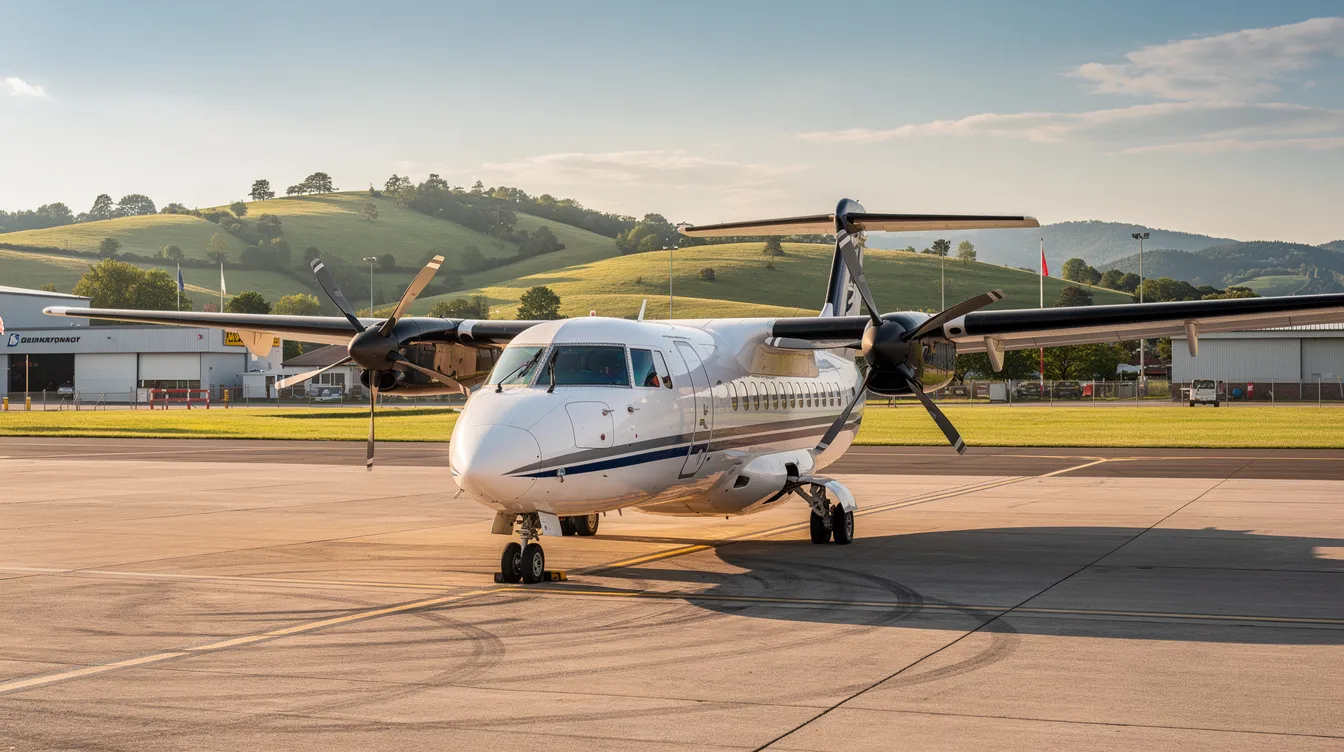
The Beechcraft King Air 350 is a highly versatile turboprop aircraft, typically seating eight to nine passengers in a comfortable executive layout. With various cabin configurations available, it caters to business travel, family trips, and medical missions, making it a popular choice for private charters. Jettly offers instant pricing and comparisons for different King Air 350 options to suit diverse travel needs.
Jay Franco Serevilla
Sep 26, 2026
|
5
min read
View all
Weekend flights are generally more expensive due to higher demand, with prices increasing by about 19% compared to midweek departures. This trend is confirmed by 2026 data, showing that Friday and Sunday flights often carry the highest premiums. However, travelers can find cheaper options by flying midweek or exploring private jet charters.
Jeff Ryan Serevilla
Sep 26, 2026
|
5
min read
View all
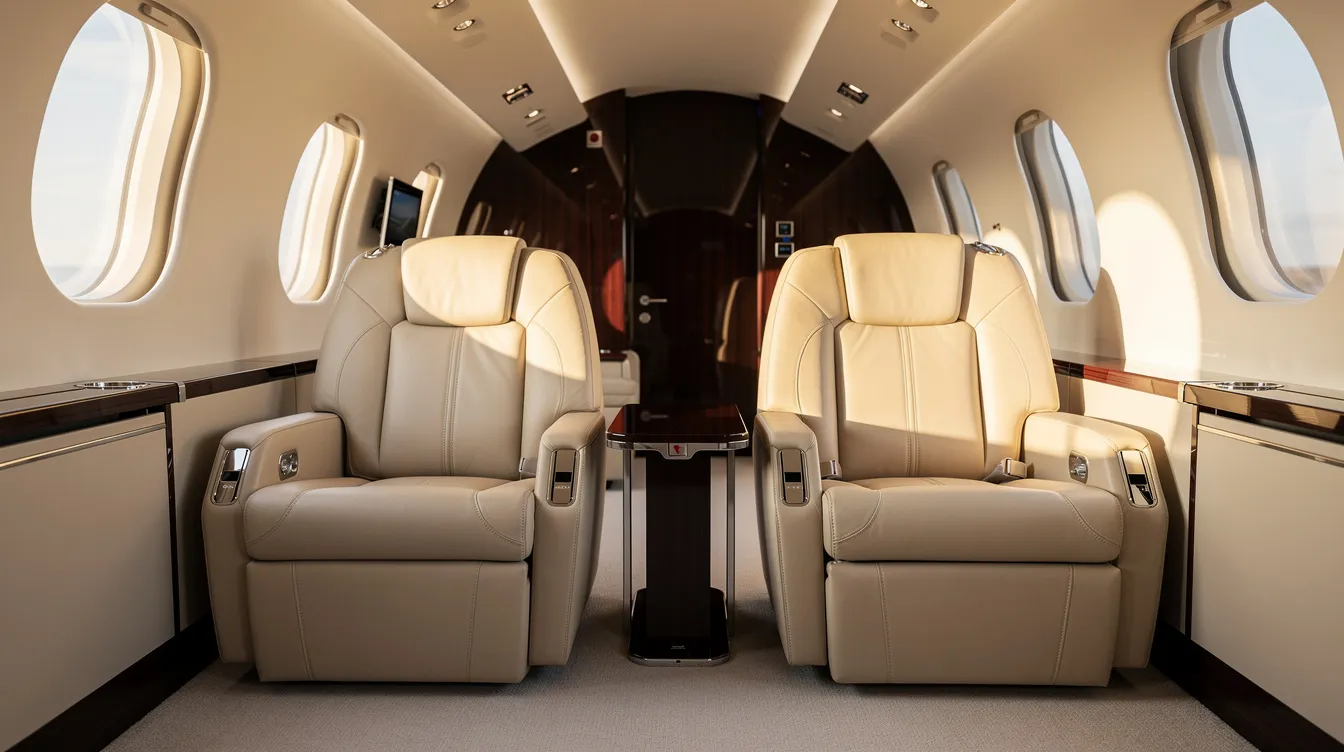
Private Plane Magazine serves as a comprehensive guide to private jet travel, offering readers practical insights into aircraft types, costs, and booking processes. It emphasizes clarity and actionable information, helping both business and leisure travelers navigate the complexities of private aviation. With a focus on real examples and transparent pricing, the magazine aims to demystify the private jet experience.
Jeff Ryan Serevilla
Sep 26, 2026
|
5
min read
View all
The Russian private jet charter market has transformed significantly since 2022 due to sanctions and airspace restrictions. Despite these challenges, demand remains strong, with travelers adapting by utilizing neutral hubs and global platforms like Jettly for compliant travel. This article explores the current market landscape, aircraft options, pricing, and how to navigate private jet travel involving Russia.
Jeff Ryan Serevilla
Sep 25, 2026
|
5
min read
View all
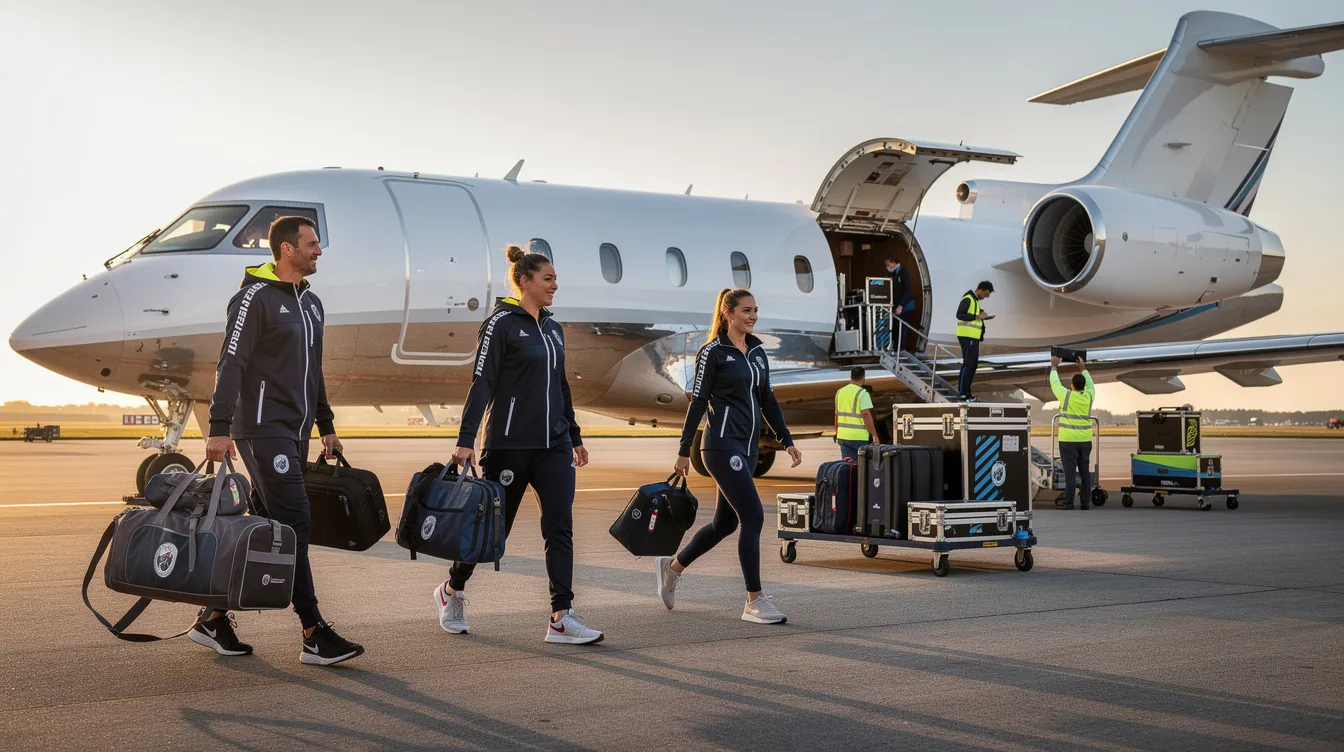
Sports teams increasingly rely on private jet charters for travel, optimizing logistics and enhancing performance. These jets provide flexibility, speed, and tailored services that commercial flights cannot match, ensuring teams arrive rested and ready for competition.
Jeff Ryan Serevilla
Sep 25, 2026
|
5
min read
View all
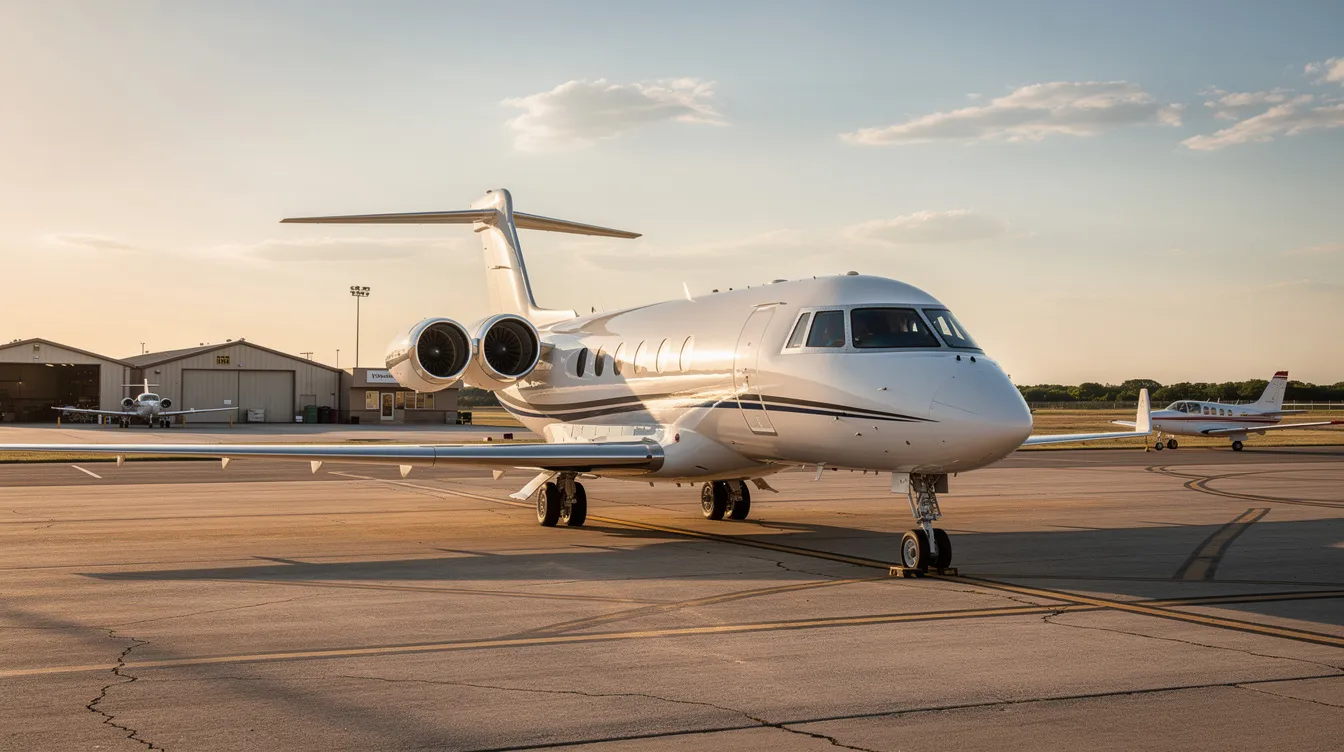
Meregrass Inc, Wildcat Touring, and Jettly offer diverse private jet charter options tailored to different travel needs. Meregrass operates a fleet of Falcon jets and Saab turboprops for direct bookings, while Wildcat Touring provides semi-private flights on seasonal routes. Jettly serves as a digital marketplace connecting travelers to over 20,000 aircraft globally, offering flexibility and instant pricing.
Jeff Ryan Serevilla
Sep 25, 2026
|
5
min read
Explore our latest articles and updates.
5
min read
Can You Take Cigarettes on an Airplane? (Commercial & Private Jet Rules)
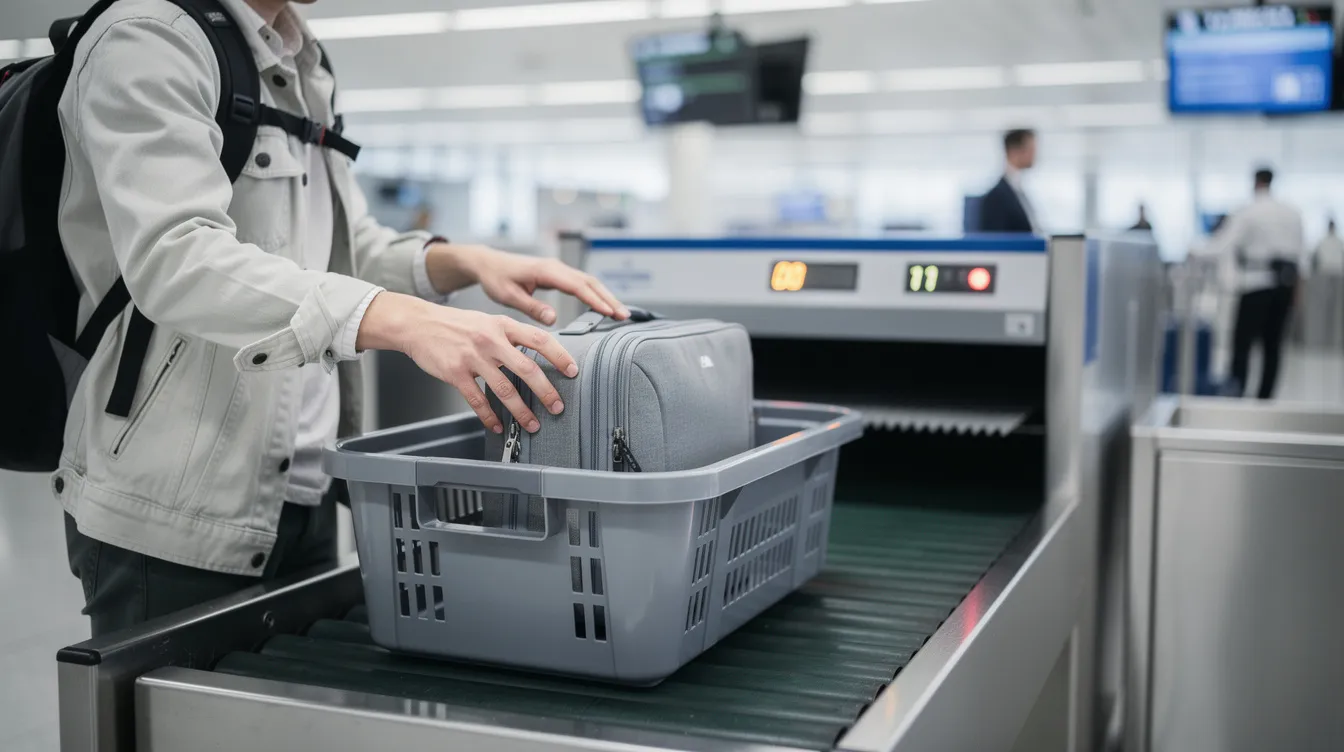
Cigarettes can be carried in both carry-on and checked luggage on most airlines, but smoking on commercial flights is strictly prohibited, with fines up to $4,000 for violations. While there are no domestic limits on the number of cigarettes for personal use in the U.S., international travel is subject to customs regulations, typically allowing around 200 cigarettes duty-free per adult, though this varies by country. Lighters, vapes, and other smoking accessories have stricter rules, often requiring them to be kept in carry-on luggage only. Private jet charters may allow smoking if permitted by the aircraft owner and operator, offering more flexibility compared to commercial flights.
Read More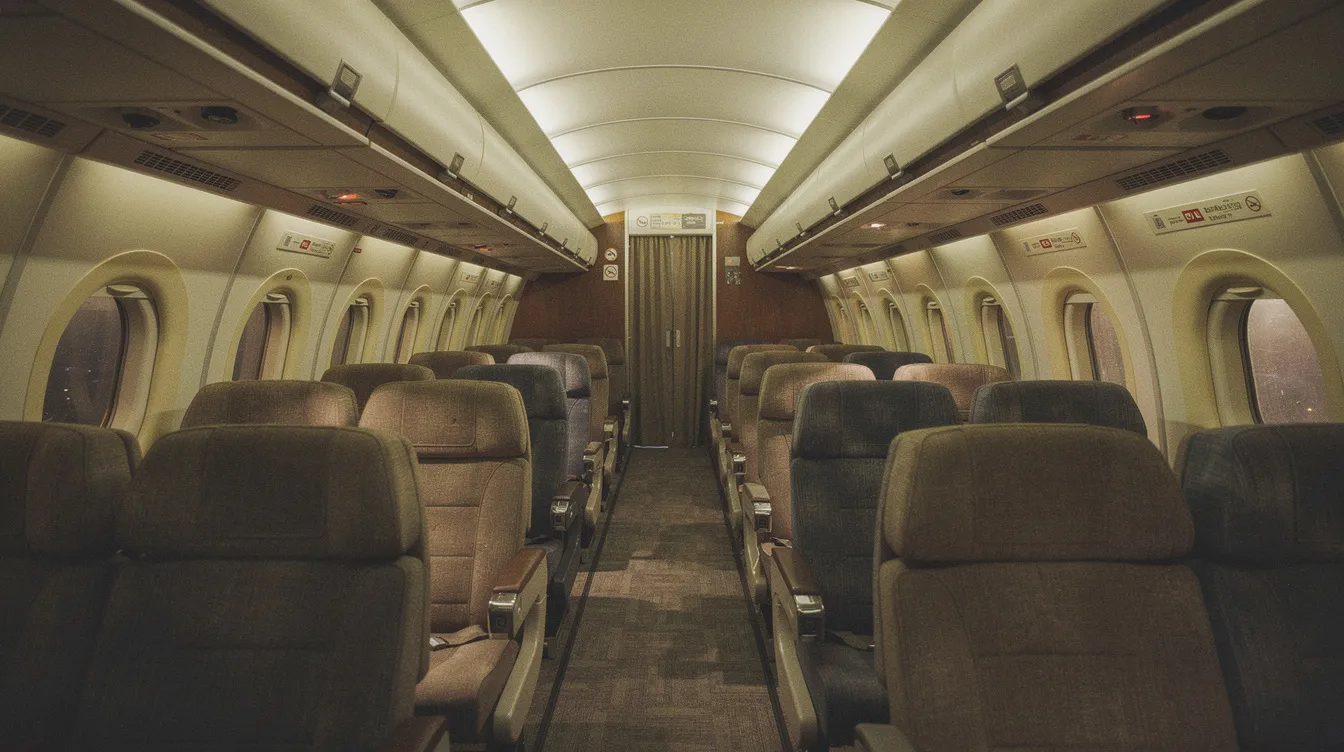
5
min read
When Was Smoking on Airplanes Banned? A Timeline for Commercial and Private Flights
Smoking on U.S. airplanes was gradually banned, starting with domestic flights under two hours in 1988 and culminating in a complete federal ban on June 4, 2000. This movement was driven by health and safety concerns, particularly regarding secondhand smoke and fire risks, despite resistance from the tobacco industry. By the early 2000s, most commercial airlines worldwide had adopted similar smoking bans, leading to a universal expectation of smoke-free flights. Today, smoking and vaping are prohibited on nearly all commercial and private flights, reflecting a commitment to passenger safety and comfort.
Read MoreJoin our community and receive the latest blog updates directly in your inbox.
MEMBERSHIPS AND ASSOCIATIONS



Disclaimer: Jettly operates as a charter broker, offering access to a global digital jet charter marketplace. Jettly is not a direct air carrier and does not own or operate aircraft. All advertised flights are conducted by third-party air carriers that are fully licensed and hold the appropriate Part 135 or Part 121 certifications issued by the Federal Aviation Administration (FAA) or equivalent regulatory authorities under U.S. or foreign law. Jettly complies fully with the U.S. Department of Transportation's Part 295 and Part 298 Charter Broker regulations. Jettly does not carry additional liability insurance. Passengers are covered by aircraft operator insurance. TICO: 50023770


