



Login
Get Instant Pricing On 23,000+ Aircraft


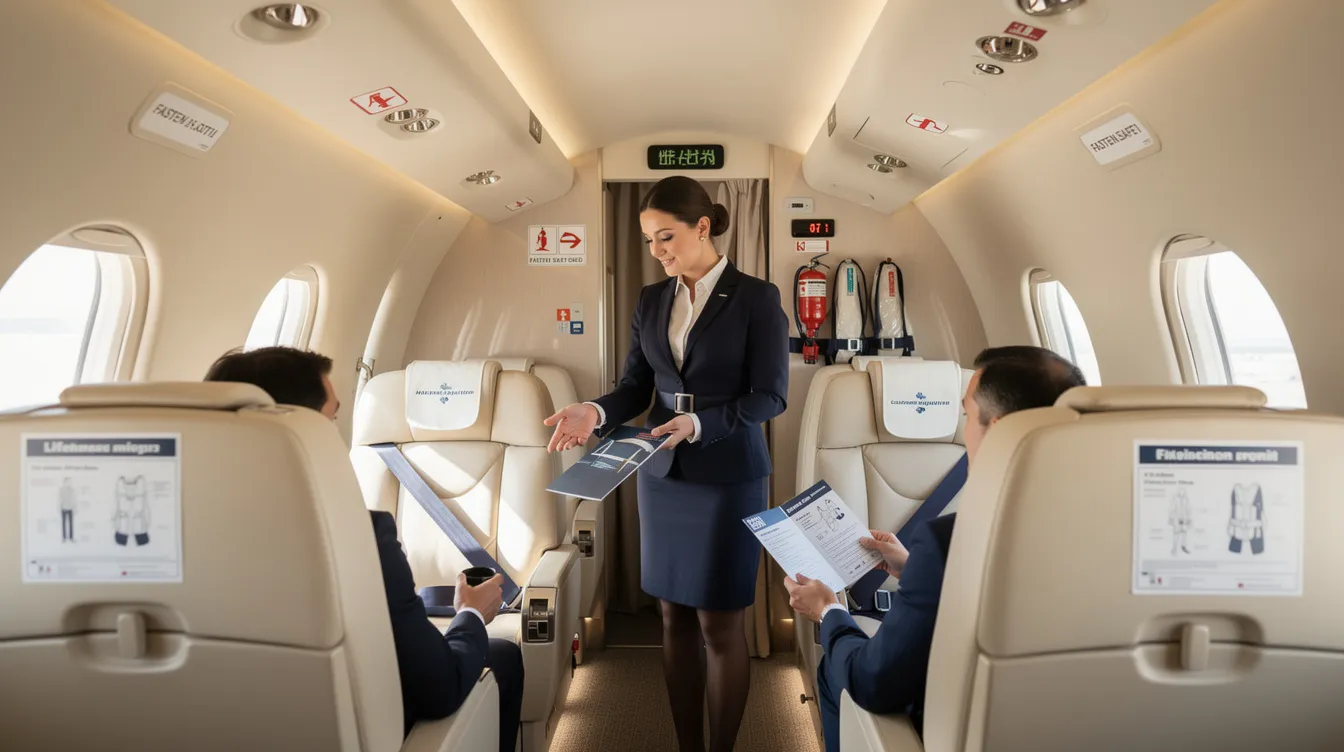
Air X is a Malta-based private charter company recognized for its diversified fleet, including long-range business jets and VIP-configured airliners, making it a leading operator in Europe. Founded in 2011, Air X has achieved significant growth, recently marking a milestone with its inaugural public bond issuance and expanding its operations globally, including securing approval in Saudi Arabia. The company prioritizes safety and compliance with European aviation regulations, holding multiple EASA certifications for maintenance and operational excellence. With a focus on tailored travel experiences and high-quality service, Air X caters to various sectors, including corporate, government, and entertainment, while leveraging modern technology for seamless booking and real-time flight updates.
Jay Franco Serevilla
Mar 10, 2026
|
5
min read


View all
Understanding private jet safety certifications is crucial for ensuring a secure flight experience. This guide explains the differences between FAA Part 135 and Part 121, along with independent audits like ARGUS, WYVERN, and IS-BAO, highlighting the importance of verifying the operator's credentials before booking. Jettly, as a charter broker, emphasizes the need for thorough due diligence in confirming safety standards.
Jay Franco Serevilla
Nov 8, 2026
|
5
min read

View all
Under FAA Part 103, you can fly an ultralight personal aircraft without a license, medical exam, or registration, provided it meets specific criteria. These lightweight vehicles are limited to a maximum weight of 254 pounds, a fuel capacity of 5 gallons, and a top speed of 55 knots, making them ideal for recreational flying in uncontrolled airspace. While no formal training is required, it is highly recommended for safety.
Jay Franco Serevilla
Nov 8, 2026
|
5
min read

View all
The leading cause of death in plane crashes is blunt force trauma from rapid deceleration upon impact, rather than the dramatic scenarios often portrayed in media. Post-crash fires and smoke inhalation also contribute to fatalities. Understanding these causes helps clarify aviation safety and the importance of proper operator standards for private jet travelers.
Jay Franco Serevilla
Nov 8, 2026
|
5
min read

View all
Most plane crashes occur during critical flight phases, particularly during takeoff, approach, and landing, which account for over 60% of accidents. Understanding these patterns can help travelers make informed decisions about flight safety and choose operators that prioritize safety standards.
Jay Franco Serevilla
Nov 8, 2026
|
5
min read

View all
The last major plane crash occurred on June 12, 2025, when Air India Flight AI171, a Boeing 787-8, crashed shortly after takeoff from Ahmedabad, resulting in 241 fatalities. This incident highlights ongoing concerns about aviation safety, despite the rarity of such disasters in the context of millions of flights each year. This article explores recent aviation accidents, their implications, and the importance of understanding risk in air travel.
Jay Franco Serevilla
Nov 8, 2026
|
5
min read

View all
The history of US air disasters highlights both tragedy and the evolution of aviation safety. Major incidents have led to significant regulatory reforms, improving maintenance practices, pilot training, and aircraft design. This article explores key disasters, their causes, and the lessons learned that have shaped modern aviation safety standards.
Jay Franco Serevilla
Nov 8, 2026
|
5
min read
Explore our latest articles and updates.
5
min read
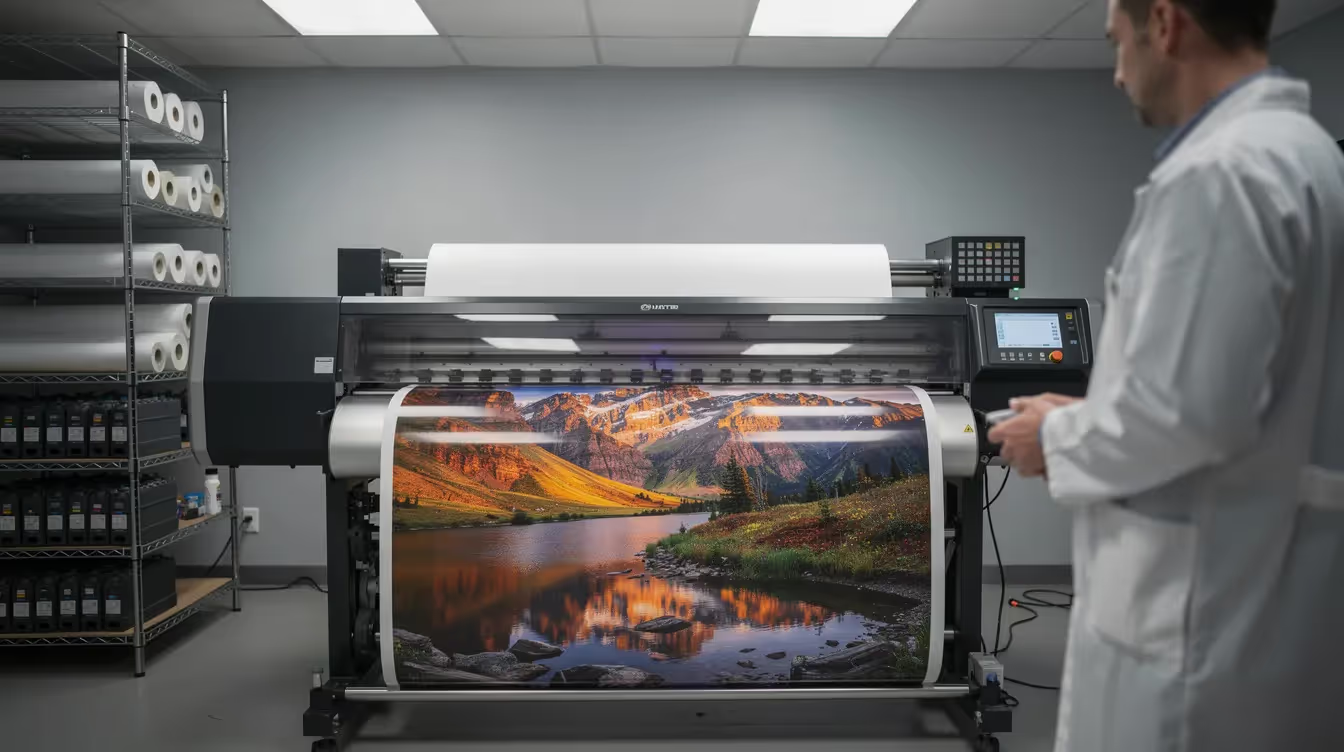
Lightjet: A Complete Guide to Laser-Based Photographic Printing
Lightjet printing is a laser-based photographic process that produces high-quality, continuous-tone images on traditional photographic paper using red, green, and blue lasers. While it offers superior color and detail, making it a gold standard for fine art and archival prints, it has largely been replaced by more environmentally friendly digital printing methods like dry lab dye sublimation. Lightjet prints are valued for their longevity and classic photographic appearance, but economic and environmental factors have led to a decline in its use. The article also clarifies the distinction between Lightjet printing and light jets in aviation, emphasizing that they are unrelated fields.
Read More
5
min read
Leasing Plane: A Practical Guide for Private and Business Aviation
The text appears to be a corrupted or improperly formatted binary data, possibly from an image or other file type, rather than coherent text. It contains a mix of characters and symbols that do not convey a clear message or information suitable for summarization. If you have a specific topic or content you would like summarized, please provide that text for a more accurate response.
Read MoreJoin our community and receive the latest blog updates directly in your inbox.
MEMBERSHIPS AND ASSOCIATIONS



© 2026 Jettly Inc. All rights reserved.
Disclaimer: Jettly operates as a charter broker, offering access to a global digital jet charter marketplace. Jettly is not a direct air carrier and does not own or operate aircraft. All advertised flights are conducted by third-party air carriers that are fully licensed and hold the appropriate Part 135 or Part 121 certifications issued by the Federal Aviation Administration (FAA) or equivalent regulatory authorities under U.S. or foreign law. Jettly complies fully with the U.S. Department of Transportation's Part 295 and Part 298 Charter Broker regulations. Jettly does not carry additional liability insurance. Passengers are covered by aircraft operator insurance. TICO: 50023770


