


Login
Get Instant Pricing On 23,000+ Aircraft


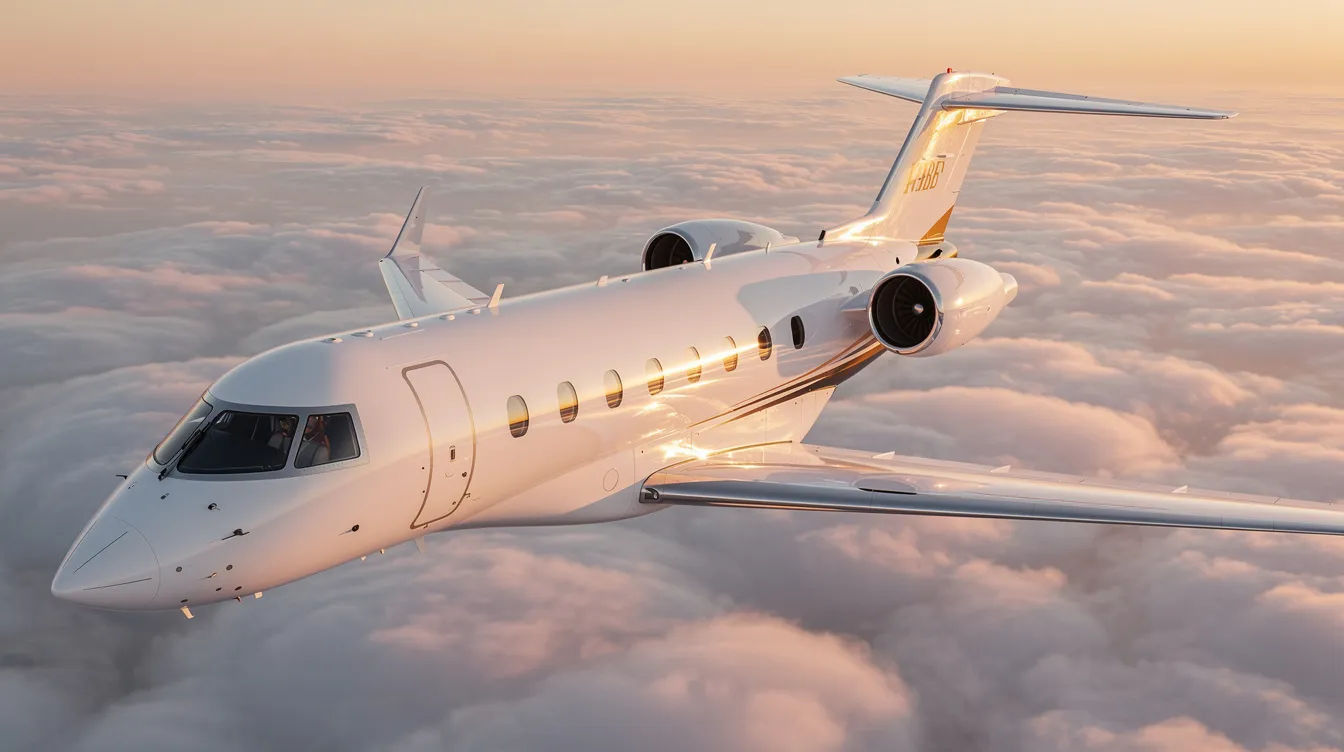
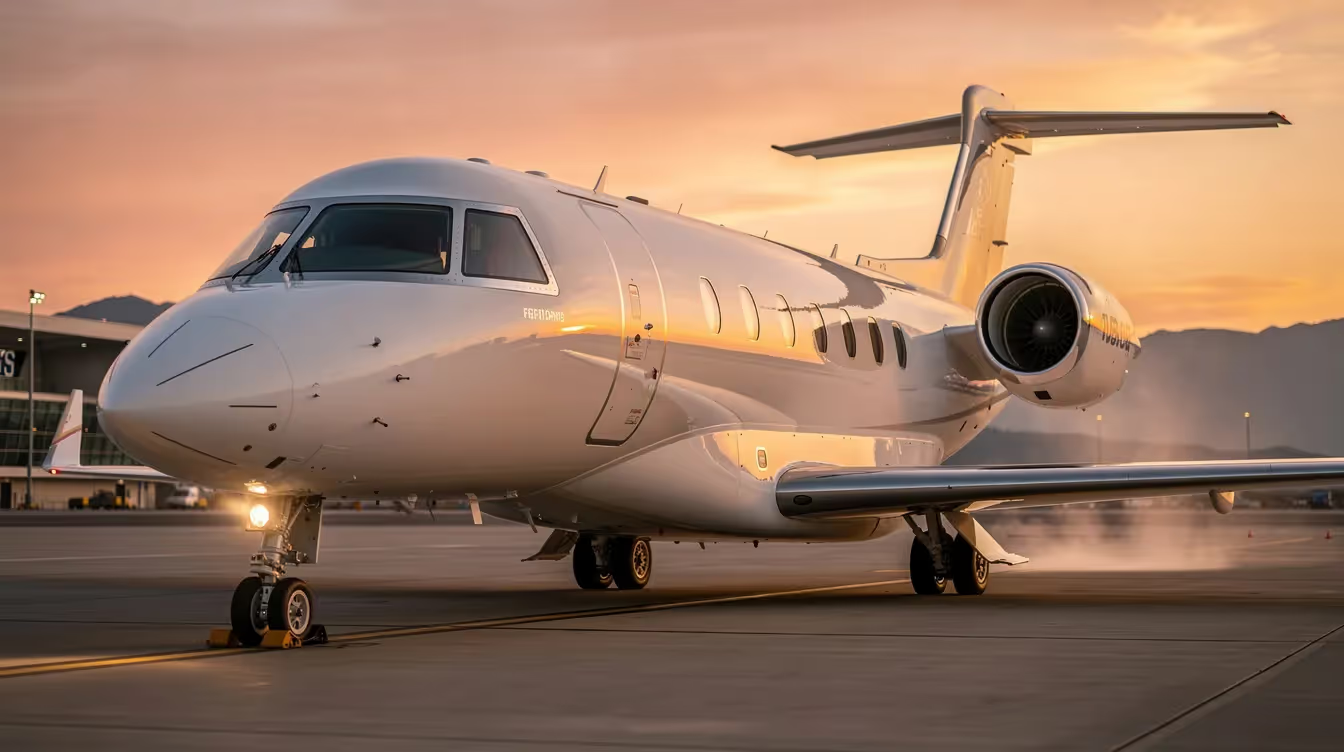
Fractional jet ownership provides a cost-effective solution for enjoying the perks of private jet travel without the full expense of owning an aircraft outright. By being well-versed in the costs, including acquisition, operating fees, and additional charges, individuals can choose a plan that suits their needs. Evaluating different programs is crucial to finding the right fit, especially considering the various benefits such as fleet access and tax advantages. Properly understanding contracts and fee structures ensures owners maximize their investment's value while benefiting from the flexibility of private aviation.

Justin Crabbe
May 6, 2025
|
5 minutes
min read


View all
Jet Inc. is a family-owned bulk commodity transportation company based in Bolivia, North Carolina, serving the Southeast U.S. since 2007. Specializing in dry bulk and non-hazardous liquid transport, Jet Inc. prioritizes dependable service, safety, and efficient communication to meet the needs of industrial, agricultural, and commercial shippers.
Jay Franco Serevilla
Sep 23, 2026
|
5
min read

View all
Kitplanes have become a popular and accessible option for aircraft ownership in 2026, with over 33,000 homebuilt experimental aircraft now licensed. This guide provides insights into the costs, building process, and travel alternatives, helping aviation enthusiasts make informed decisions about kitplane ownership and when to consider private jet charter services like Jettly.
Jay Franco Serevilla
Sep 23, 2026
|
5
min read
View all
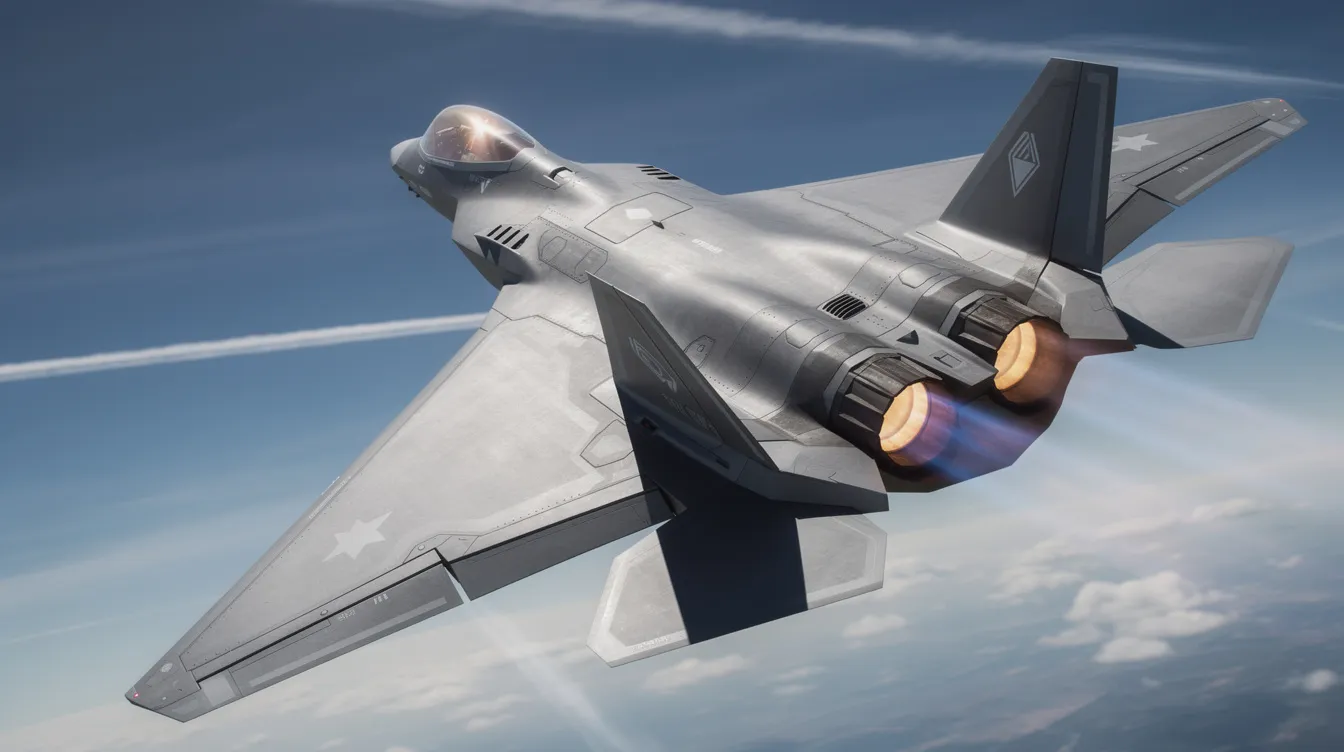
The F-35 Lightning II is recognized as the most advanced fighter jet in 2026, combining cutting-edge stealth technology, sensor fusion, and network-centric warfare capabilities. Its operational maturity and global deployment make it central to modern air combat and international security strategies.
Jay Franco Serevilla
Sep 23, 2026
|
5
min read
View all
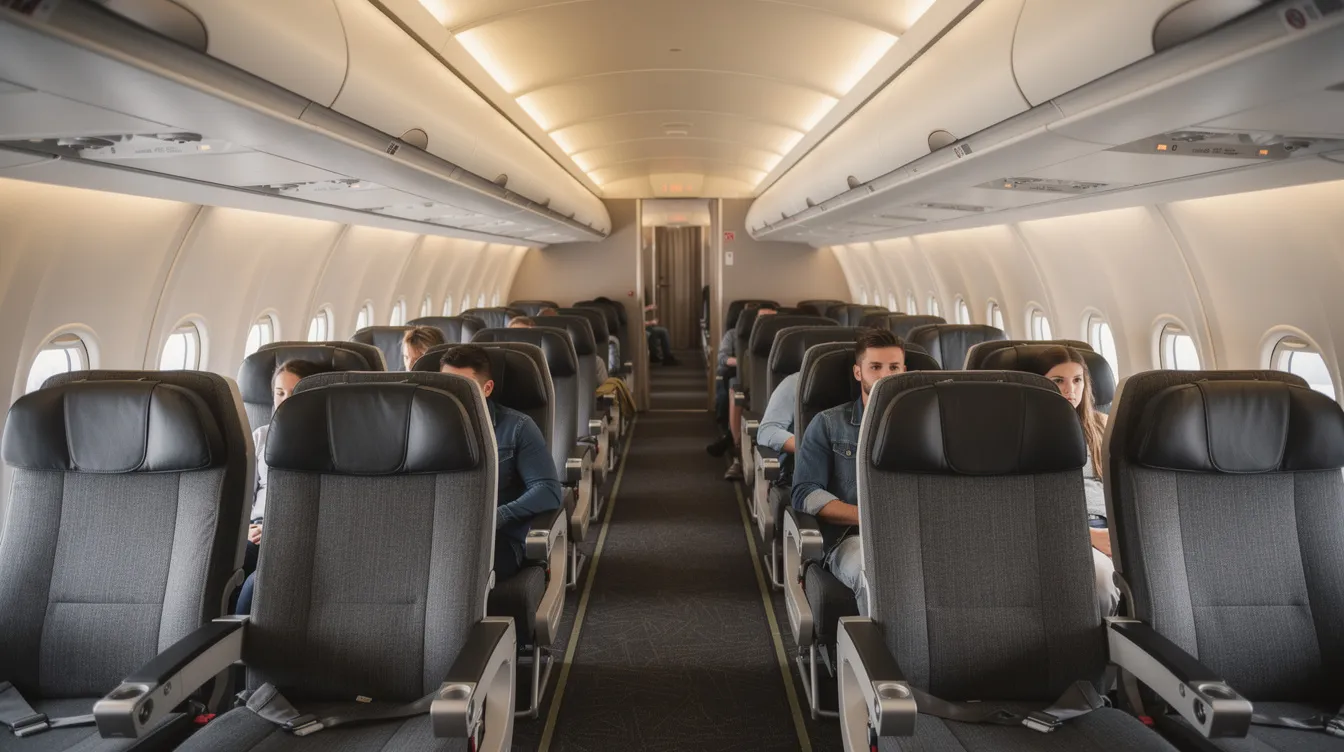
Budget airlines have transformed air travel by offering low base fares, but hidden fees can quickly inflate the final cost. This guide explores how these airlines operate, the best options for travelers, and when private charters may provide better value. Understanding the true costs associated with budget airlines is crucial for making informed travel decisions.
Jay Franco Serevilla
Sep 23, 2026
|
5
min read

View all
The FedEx Cessna Caravan, particularly the Cessna 208B, is essential for regional logistics, enabling efficient delivery to smaller communities. Its reliability and short runway capabilities make it ideal for both cargo and passenger charters, connecting underserved markets with major hubs. Platforms like Jettly facilitate access to similar aircraft for time-sensitive missions.
Jay Franco Serevilla
Sep 23, 2026
|
5
min read
View all
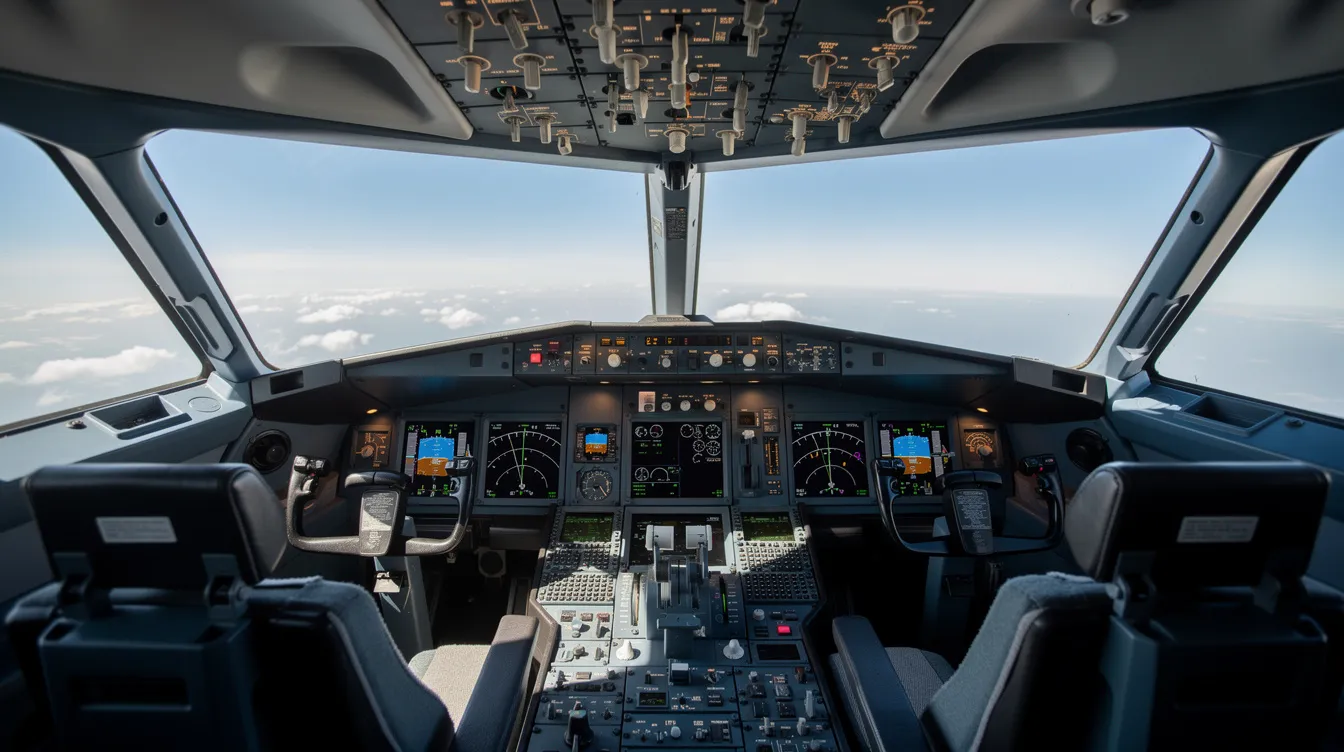
In 2026, the salary of commercial pilots continues to rise due to strong demand and expanding aviation opportunities. Airline pilots earn a median annual wage of $226,600, while commercial pilots in non-airline roles earn around $122,670. This guide explores pay structures, career paths, and the factors influencing pilot salaries, highlighting the lucrative potential of a pilot career.
Jay Franco Serevilla
Sep 23, 2026
|
5
min read
Explore our latest articles and updates.
5
min read
Pup Plane: Guide to the Preceptor N3 Pup, Super Pup, and Ultra Pup for Modern Pilots
The Pup Plane guide focuses on the Preceptor N3 Pup family, which includes the N3 Pup, Super Pup, and Ultra Pup, catering to modern pilots and aviation enthusiasts interested in homebuilt aircraft. These lightweight, high-wing planes, developed in the late 1970s and 1980s, are known for their affordability and ease of construction, with the N3 Pup qualifying as an ultralight under FAR Part 103 regulations. While these aircraft are ideal for recreational flying, they are not suitable for commercial charter services, which are better served by platforms like Jettly that offer access to a wide range of professionally operated private jets. Understanding the differences between Pup planes and charter options helps pilots and travelers make informed decisions based on their flying needs.
Read More
5
min read
Pilot Lessons Cost in 2026: What You’ll Really Pay to Learn to Fly
In 2026, pilot lesson costs range from $10,000 to $20,000 for a Private Pilot License and can exceed $130,000 for a full professional training path. Key expenses include hourly flight rates ($150–$250), instructor fees, testing costs, and living expenses, with total costs often surpassing advertised minimums due to additional flight hours needed. Training frequency significantly impacts costs, with more frequent flying leading to faster completion and lower overall expenses. Financing options, including loans, GI Bill benefits, and scholarships, can help manage these costs, making flight training more accessible for aspiring pilots.
Read MoreJoin our community and receive the latest blog updates directly in your inbox.
MEMBERSHIPS AND ASSOCIATIONS



Disclaimer: Jettly operates as a charter broker, offering access to a global digital jet charter marketplace. Jettly is not a direct air carrier and does not own or operate aircraft. All advertised flights are conducted by third-party air carriers that are fully licensed and hold the appropriate Part 135 or Part 121 certifications issued by the Federal Aviation Administration (FAA) or equivalent regulatory authorities under U.S. or foreign law. Jettly complies fully with the U.S. Department of Transportation's Part 295 and Part 298 Charter Broker regulations. Jettly does not carry additional liability insurance. Passengers are covered by aircraft operator insurance. TICO: 50023770


